


Ventilation Equipment
Ventilation equipment supports ducted exhaust, remote air movement, balanced fresh-air exchange, and system control in residential and light commercial projects. Use inline duct fans where the blower needs to sit within the duct system, energy recovery ventilators for balanced supply and exhaust, and compatible controls to manage operating time or airflow behavior. Start with the ventilation strategy, then confirm required CFM, duct size, static-pressure performance, controls, installation space, and service access before selecting equipment.


Showing 1–20 of 125 results

Orbit 70 Cfm Standard Plus Fan Light, 3.5 Sones OSP70L

Panasonic WP100PBA Swidget® Wi-Fi Control Module

Panasonic ACS-5 Atmosphere AC Current Switch

Lutron Sunnata 4-Speed Fan Control 1.5 A ST-FSQ-N

Lutron Diva 3-Speed Fan Control 1.5 A, DVSCFSQ-F
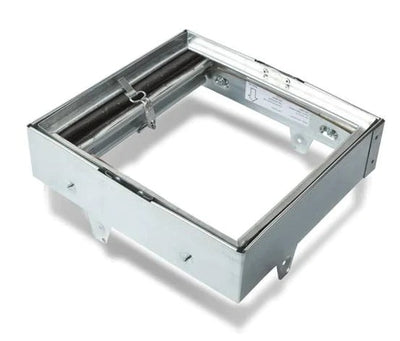
AirZone Fans RDF2 Fire Radiation Damper

Orbit Ceiling Radiation Damper W Sleeve, 10 in X 10 in 45LTD

Lutron Fan Control 2 A, Single-Pole (FSQ-2FH-DK)

Lutron Maestro LED+ Dimmer Switch 1.5 A, Biscuit (MACL-LFQ-BI)

Lutron Maestro LED+ Dimmer Switch 1.5 A, Hot (MACL-LFQ-HT)

Lutron Maestro LED+ Dimmer Switch 1.5 A, Midnight (MACL-LFQ-MN)

Panasonic FV-15ESC1 Intelli-Balance® Elite Plus+ 150 Any Climate Energy Recovery Ventilator (ERV), 30-150 CFM for exhaust and supply, occupant-controlled boost function; MERV 13 filter included, ASHRAE 62.2 timing function, 6” duct, Corded

Panasonic FV-SW20VEC1 Intelli-Balance LCD Wall Control With Boost Mode & Filter Reset Reminder

Panasonic FV-SCVE2 BalancedHome™ & Intelli-Balance® Elite/Elite Plus+ Series ERV Wall Control for use with all BalancedHome ERV models & Intelli-Balance® Elite Plus+ 150 & 120; Elite 140 & 110 ERV models ; Occupant-controllable power on/off

Panasonic FV-12ESC1 Intelli-Balance® Elite Plus+ 120 Any Climate Energy Recovery Ventilator (ERV), 30-120 CFM for exhaust and supply, occupant-controlled boost function; MERV 13 filter included

Panasonic ADAT-2.5 Dial-a-Temp Solid State Variable Speed Control

Panasonic APS Atmosphere Air Pressure Sensing Switch with Electrical Cycle Timing Board

Panasonic VTX600L Vortex L Series Powerfan 6" In-Line Duct Fan

Panasonic SACG2K-08 8" SelectCycler™ Whole House Ventilation System

Panasonic SACG2K-06 6" SelectCycler™ Whole House Ventilation System
About Ventilation Equipment
How to Select Ventilation Equipment for an Airflow System
Ventilation equipment should be chosen around the air path the project needs, not by fan size alone. A bathroom exhaust system removes air from a specific room, an inline fan moves air through a duct run, and a balanced ventilation system brings in outdoor air while exhausting indoor air. Each arrangement has different duct, control, and maintenance requirements. Identify the ventilation goal and required airflow first, then check the equipment's performance at the expected duct resistance, installation location, and electrical supply.
Spot Exhaust, Duct-Mounted Air Movement, or Balanced Ventilation?
Local exhaust is intended to remove moisture, odors, or other unwanted air from the room where they occur. A bathroom ceiling fan is a common example. Duct-mounted equipment serves a different arrangement: the fan is positioned within the ductwork, away from the room opening, and must be matched to the resistance of that run. Balanced ventilation adds a planned supply of outdoor air as well as an exhaust path; an exhaust-only fan does not perform both functions by itself.
Decide which function is required before comparing catalog numbers. A project may need more than one approach, but adding a larger fan to the wrong system does not correct an unsuitable duct layout or replace the need for a designed outdoor-air supply.
Use Delivered CFM and Static Pressure to Size the Equipment
CFM (cubic feet per minute) describes airflow, but a headline CFM rating does not tell you how much air will move through the installed ducts. Length, diameter, fittings, dampers, grilles, filters, and exterior terminations all add resistance. A fan that performs well in a short, straight run may deliver less air when connected to multiple bends or a restrictive outlet.
Start with the airflow required by the room or building design and the applicable ventilation requirements. Then compare manufacturer performance data at the anticipated static pressure. If the project involves several rooms, establish whether each space needs an independent exhaust point, a shared duct arrangement specifically designed for that purpose, or a balanced ventilation system. Do not size a complete system from nominal CFM alone.
Energy Recovery Ventilators for Planned Supply and Exhaust
When a building needs a coordinated outdoor-air supply and indoor-air exhaust path, compare energy recovery ventilators (ERVs). These units exchange heat and some moisture between the separate airstreams while moving fresh and exhaust air through a designed duct arrangement. Selection depends on the required supply and exhaust airflow, available space, port orientation, climate conditions, and compatible controls.
Check the exact model's operating range and service requirements before ordering. A compact ERV serving a limited zone is not necessarily suitable for whole-home ventilation. An ERV also does not automatically eliminate separate local exhaust requirements for bathrooms or other rooms; the mechanical design and locally adopted requirements determine which points it can serve.
Inline Duct Fans for Remote Fan Placement
An inline fan mounts inside the duct system rather than directly at the ceiling or wall grille. For projects where a remote fan location is appropriate, browse inline duct fans and check the approved duct diameter, mounting orientation, service access, and airflow at operating pressure. The unit must suit the application and the complete duct route.
Do not assume an inline fan will compensate for undersized ductwork or an obstructed termination. Where a special application such as dryer exhaust is involved, use only equipment specifically approved for that service. General inline ventilation fans and dryer-booster equipment are not automatically interchangeable.
Bathroom Exhaust Fans for Local Moisture Removal
For a shower room or other space that needs localized exhaust, compare bathroom and exhaust fans by required airflow, sound rating, housing dimensions, duct outlet, and mounting conditions. Many replacement decisions are controlled by the space above the ceiling and the existing duct connection, not by the size of the visible grille.
Check whether the exact model includes a light, humidity sensing, selectable airflow, or other features; these options differ by product. Confirm the installation location rating, particularly for a fan positioned near or above a tub or shower, and follow the manufacturer's instructions for the exterior duct termination.
When a Fan-Only Exhaust Unit Is the Better Fit
If a room already has suitable lighting, a separate fan-only exhaust unit may provide the required ventilation without combining lighting and airflow in one housing. This is useful in replacement projects where the existing light will remain or where each function needs independent switching. The fan still must be selected for airflow, noise, ceiling depth, duct connection, and control compatibility.
A fan-and-light combination may be appropriate when the layout calls for both functions at one ceiling position. Check the exact contents and wiring requirements before choosing either format; a fan-only product and a combination model should not be substituted just because their CFM ratings match.
Choose Fan Controls by Motor Type and Operating Behavior
Ventilation controls can provide manual switching, scheduled shutoff, humidity response, or adjustable operation when the connected equipment supports those functions. The needed control depends on how the space is used. A bathroom that requires a defined run-on period after occupancy presents a different requirement from an ERV intended to run at a scheduled continuous rate.
When reviewing fan speed controls and fan timers, pay particular attention to the manufacturer's motor compatibility information. Many conventional wall-mounted fan-speed controls are intended for specified AC ceiling fan motors, not every ventilation fan or electronic motor. A standard lighting dimmer is not a substitute for an approved fan control. For a countdown function, confirm a separate timer's motor-load rating and wiring requirements before ordering.
Plan Duct Routes, Outside Terminations, and Service Access
Equipment performance depends on the installation around it. Record the duct route and connection sizes before choosing the fan; changing duct diameter with a reducer can increase resistance and may undermine the intended airflow. Keep bends to the number needed for the layout, use suitable fittings, and follow the manufacturer's requirements for duct material, insulation, and support.
Exhaust air from bathroom ventilation should terminate outdoors, not in an attic or concealed cavity. Outdoor-air intakes for balanced systems need suitable separation from exhaust outlets and other potential contamination sources. Provide access for filters, fans, dampers, and controls that require inspection or maintenance. In multifamily or other rated assemblies, penetration and damper requirements must be coordinated with the approved construction.
Check Noise, Electrical Supply, and Maintenance Requirements
A published sound rating is useful, but installed noise also depends on duct resistance, vibration, mounting, and airflow setting. Compare acoustic information at the relevant operating condition rather than assuming every installation will match a laboratory value. For an ERV, filter access and servicing the recovery core may be as important as sound level. For a remote fan, confirm that it can be reached for inspection after the building is finished.
Verify operating voltage, motor type, any required dedicated controller, and the manufacturer's approved installation orientation. Ventilation equipment should be specified and installed by qualified mechanical and electrical professionals in accordance with the product instructions and applicable local requirements.
Ventilation Equipment Ordering Checklist
- System purpose: Local exhaust, remote duct-mounted air movement, or balanced supply and exhaust.
- Airflow: Required CFM and delivered performance at the expected duct-system static pressure.
- Ductwork: Connection diameter, routing, fittings, dampers, and outdoor termination.
- Mounting: Ceiling, wall, inline, or equipment-room location; available space and service clearances.
- Electrical requirements: Supply voltage, motor type, and manufacturer-approved controls.
- Operation: Continuous airflow, intermittent exhaust, timer, humidity response, or supported speed settings.
- Environment: Approved exposure and any special location or rated-assembly requirements.
- Accessories: Required grilles, filters, controls, dampers, and other components included or sold separately.
For a project with several ventilation zones, prepare an equipment schedule showing the required airflow, model, quantity, duct connection, controls, and accessories for each location. That schedule makes it easier to identify incompatible components before the order is placed.
Ventilation Equipment FAQs
What is the difference between a ventilation fan and an ERV?
A conventional exhaust fan removes air from a space. An ERV is part of a balanced system that supplies outdoor air and exhausts indoor air while recovering some heat and moisture between the airstreams. The two systems serve different needs. An ERV must be sized and ducted according to the ventilation design; it is not a direct replacement for every spot exhaust fan.
Does a higher CFM rating always mean better ventilation?
No. Useful airflow depends on the required ventilation rate and the resistance of the installed duct system. A fan with a high nominal CFM rating can deliver less airflow when connected to an unsuitable duct route. Compare manufacturer performance information at the expected static pressure and correct duct restrictions where necessary.
When should I use an inline duct fan?
Consider one when the system design calls for the fan to be mounted within the ductwork instead of directly at the room grille. The equipment must match the duct diameter, operating pressure, application, and access requirements. An inline fan should not be selected solely to overcome an undersized or obstructed duct.
Can I use a standard fan-speed switch on a ventilation fan?
Only when the fan manufacturer approves that control type for the specific motor and the electrical ratings match. Many wall speed controls are designed for AC ceiling fans rather than DC or electronically controlled ventilation motors. For automatic shutoff, use a compatible fan-rated timer if that is the function the project requires.
Can bathroom exhaust be discharged into an attic?
No. Bathroom exhaust should discharge outdoors through an approved duct and termination, not into an attic, crawl space, or wall cavity. Duct layout, insulation, and termination details should follow the equipment instructions and applicable requirements.
Does an energy recovery ventilator replace every bathroom exhaust fan?
Not automatically. Some designed systems can incorporate appropriate bathroom exhaust points, but a compact or zone-specific ERV may not meet the local exhaust requirement. Check the intended airflow, duct connections, and ventilation design before omitting a dedicated bathroom fan.