


Ribbon Light
LED ribbon light creates flexible, low-profile linear illumination for coves, cabinetry, shelves, millwork, and architectural details where the light source is meant to stay concealed. Choose first by system voltage, required light output and color, and the run conditions at the installation location. The ribbon, driver, connectors, and mounting method must work as one system. For longer or repeated runs, map the lengths and feed points before finalizing components or quantities.
Showing 1–20 of 20 results

Westgate 4.4W per ft 310~350LM per ft 4000K LED Ribbon Light ULR-IN-98F-HO-40K
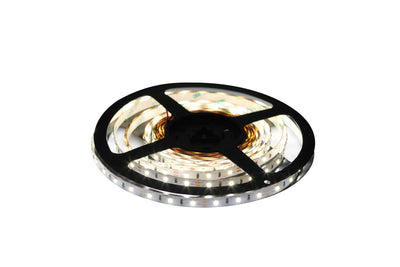
Westgate 4.4W per ft 310~350LM per ft 2700K/3000K/3500K/4000K/5000K LED Ribbon Light ULR-IN-98F-HO-50K
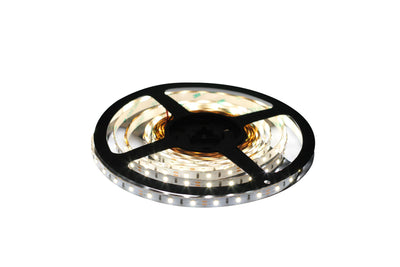
Westgate 6.7 watts per foot 914 lumens per foot, 24 LM per LED 5000K LED Ribbon Light ULR-IN-16F-YHO-50K
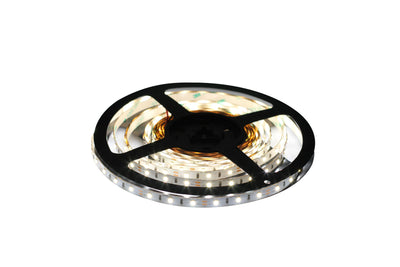
Westgate 4.4W per ft 310~350LM per ft 4000K LED Ribbon Light ULR-IN-16F-HO-40K

Westgate 6.7 watts per foot 914 lumens per foot, 24 LM per LED 2700K LED Ribbon Light ULR-IN-16F-YHO-27K

Westgate 1.5W/FT 100LM/FT 5000K LED Ribbon Light ULR-IN-16F-SO-50K
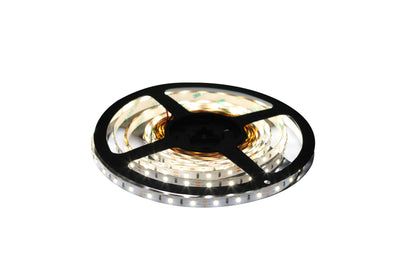
Westgate 6.7 watts per foot 914 lumens per foot, 24 LM per LED 4000K LED Ribbon Light ULR-IN-16F-YHO-40K

Westgate 1.5W/FT 100LM/FT 4000K LED Ribbon Light ULR-IN-16F-SO-40K

Westgate 1.5 watts per foot 100 lumens per foot, 4.73 LM per LED 4000K LED Ribbon Light ULR-IN-98F-SO-40K
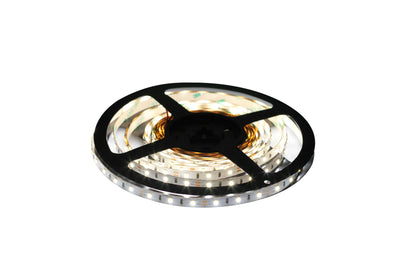
Westgate 6.7 watts per foot 914 lumens per foot, 24 LM per LED 3000K LED Ribbon Light ULR-IN-16F-YHO-30K

Westgate 4.4W per ft 310~350LM per ft 2700K LED Ribbon Light ULR-IN-16F-HO-27K

Westgate 1.5W/FT 100LM/FT 2700K LED Ribbon Light ULR-IN-16F-SO-27K

Westgate 4.4W per ft 310~350LM per ft 5000K LED Ribbon Light ULR-IN-16F-HO-50K
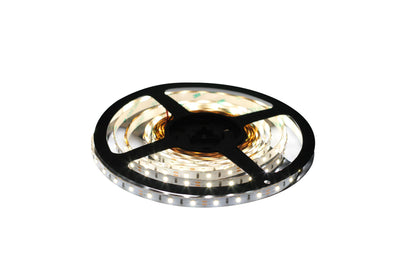
Westgate 4.4W per ft 310~350LM per ft 2700K LED Ribbon Light ULR-IN-98F-HO-27K

Westgate 4.4W per ft 310~350LM per ft 3000K LED Ribbon Light ULR-IN-16F-HO-30K
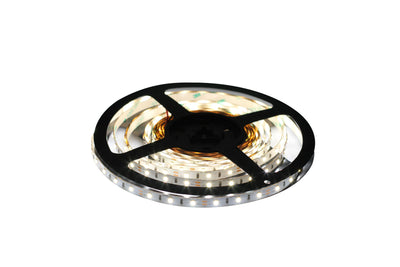
Westgate 4.4W per ft 310~350LM per ft 3000K LED Ribbon Light ULR-IN-98F-HO-30K

Westgate 1.5 watts per foot 100 lumens per foot, 4.73 LM per LED 2700K LED Ribbon Light ULR-IN-98F-SO-27K

Westgate 1.5 watts per foot 100 lumens per foot, 4.73 LM per LED 5000K LED Ribbon Light ULR-IN-98F-SO-50K

Westgate 1.5 watts per foot 100 lumens per foot, 4.73 LM per LED 3000K LED Ribbon Light ULR-IN-98F-SO-30K

Westgate 1.5W/FT 100LM/FT 3000K LED Ribbon Light ULR-IN-16F-SO-30K
About Ribbon Light
How to Choose LED Ribbon Light for Cove, Cabinet, and Architectural Lighting
LED ribbon light works best when the entire run is specified as a system rather than as a spool by itself. Start with the location and desired light effect, then establish the ribbon voltage, run length, output, color temperature, driver, dimming method, and environmental rating. Tape light and ribbon light are often overlapping terms, so the product specifications matter more than the wording in the title. Planning the power feed and mounting method early also helps prevent voltage drop, visible LED dots, and incompatible accessories.
- Need the broader flexible-strip selection? Start with LED tape light.
- Comparing flexible lighting formats? Review tape, rope, and ribbon lighting.
- Need the power supply next? Match the run with LED drivers and power supplies.
- Planning ELV or 0-10V control? Compare compatible LED dimmers.
Ribbon Light vs. Tape Light: Start With the Specifications
Ribbon light and tape light commonly describe the same basic format: a thin, flexible LED circuit used where the source can be concealed along a straight or shaped architectural detail. Manufacturers do not always use the terms consistently, so the name alone does not tell you the voltage, output, width, cut interval, location rating, or driver requirement.
A 12-ft cabinet run labeled “tape” may be closer in specification to a product labeled “ribbon” than to another tape-light model. Decision rule: compare the electrical and physical specifications first. If the project needs a complete exposed linear luminaire instead of a concealed flexible source, move to LED linear lighting instead.
Match Voltage and Maximum Run Length Before Laying Out the Feed
Flexible LED lighting operates from a compatible low-voltage driver, and the ribbon voltage has to match the driver output. Run length matters because resistance in the ribbon and supply wiring creates voltage drop, which can make the far end of a long run appear dimmer. Maximum run length is therefore product-specific and should be checked before millwork or feed locations are finalized.
For an 18-ft cove, don't assume one end feed will work simply because the spool is longer than the cove. Check the published maximum run and feed requirements for the selected ribbon. For alternative flexible-strip products with published voltage and run specifications, review Lumera’s tape-light selection.
Size the LED Driver From the Actual Ribbon Load
Driver selection begins with output voltage and total connected wattage. Multiply the ribbon’s watts per foot by the installed footage, then select a compatible driver that meets the manufacturer’s load requirements. The driver also needs to suit the installation environment and remain accessible where required for service.
If a ribbon uses 4W per foot and the finished run is 12 ft, the connected load is 48W before applying the driver manufacturer’s sizing requirements. Decision rule: calculate the real run first, then choose the power supply. Lumera’s LED driver collection covers constant-voltage power supplies used with flexible linear lighting.
Choose Output and Color for the Surface You Actually Want to Light
Ribbon light can serve soft accent lighting or brighter task-oriented details, so watts per foot and lumens per foot should be considered together with color temperature and color quality. More output isn't automatically better. A shallow display shelf can show hotspots or glare from an overly bright strip, while a deep cove may need more output to throw useful light into the room.
For a 24-in-deep cove, select output based on the amount of indirect light the space needs rather than copying an under-cabinet specification. Where the project is specifically a cabinet or countertop application, compare the broader options within Lumera’s indoor lighting range.
Match Dimming to the Driver, Not Just the Ribbon
The driver determines how many low-voltage ribbon systems interface with a wall dimmer or building control. Depending on the selected power supply, the control method can use phase control, ELV, 0-10V, or another supported approach. A dimmer and driver that use different control methods will not become compatible simply because the ribbon itself is dimmable.
For a 30-ft architectural run that needs wall dimming, decide on the control architecture before ordering the driver. Decision rule: verify the driver’s dimming input first, then select the wall control to match it. Lumera’s ELV and 0-10V dimmers cover two common control paths used with LED drivers.
Plan Channels, Cut Points, and Connections Before Installation
Flexible ribbon may be cut only at the locations identified by the manufacturer, and connectors need to match the width and contact arrangement of the selected strip. Aluminum channel can also improve the finished installation by holding the run straight, protecting it from contact, managing heat, and carrying a lens that softens visible LED points.
A 7-ft shelf can create an awkward finish if the ribbon only cuts at intervals that do not land exactly at the end. Check the cut interval before fabricating the channel or millwork. The broader flexible linear lighting family is useful when the mounting detail determines whether tape, ribbon, or another format fits best.
Use the Exact Location Rating for Dry, Damp, or Wet Areas
Interior ribbon and wet-location ribbon are different products. Protective coatings and sealed construction can change the strip dimensions, connector compatibility, bend behavior, and installation method, so an indoor model should not be moved outdoors simply because it fits the same channel.
For a run below exterior cabinetry or near persistent moisture, confirm the location rating of the ribbon, connectors, driver, and related accessories as a complete system. Line-voltage connections on the driver side should be completed by a qualified electrician. Where a flexible solution isn't appropriate, consider a finished fixture from Lumera’s linear lighting collection.
Ordering Ribbon Light for Larger Projects
For multi-room, millwork, hospitality, retail, or repeated architectural details, create the lighting schedule by run length, voltage, output, color temperature, location rating, driver, dimming method, feed point, and mounting detail. Keeping those components tied to each run helps prevent a 12V/24V mismatch or a driver and control combination that cannot communicate.
Request a Ribbon Lighting Project Quote
For longer runs, repeated details, or larger quantities, request a project quote after the basic ribbon-light layout has been established.
Have these details ready:
- Total footage and individual run lengths
- Required system voltage
- Desired output and color temperature
- Indoor, damp, or wet-location conditions
- Driver location and available input power
- Dimming or control method
- Feed points and wiring distances
- Channel, lens, or mounting requirements
- Cut and connector requirements
For projects with several run types, you can also submit your ribbon-light schedule so footage, drivers, controls, and related components remain coordinated.
LED Ribbon Light FAQs
What is the difference between ribbon light and tape light?
The terms often overlap and both commonly describe flat, flexible LED lighting used in coves, cabinetry, shelves, and millwork. Manufacturers may use different names for similar products, so compare voltage, output, width, run length, and location rating instead of relying on the label. Lumera’s LED tape-light collection provides the broader active selection of flexible strips.
Do LED ribbon lights need a driver?
Low-voltage LED ribbon requires a compatible power supply that converts the available line voltage to the DC voltage required by the ribbon. Match the driver output voltage and capacity to the selected run. Lumera’s LED drivers and power supplies should be selected only after the ribbon voltage and total connected wattage are known.
Can ribbon light be dimmed?
Yes, when the complete ribbon-and-driver system is designed for dimming and the wall control uses the dimming method accepted by that driver. The control is not selected from the ribbon alone. For systems using electronic low-voltage or 0-10V control, compare Lumera’s ELV and 0-10V controls.
Why does LED ribbon get dimmer at the end of a long run?
Voltage drop increases as current travels through longer ribbon and wire runs, which can reduce light output toward the far end. The practical fix depends on the product’s maximum run, system voltage, wire gauge, load, and feed arrangement. Keep each run within the manufacturer’s limits and plan additional feed points when the layout requires them.
Should ribbon light be installed in an aluminum channel?
A channel isn't required by every product or application, but it can keep the ribbon straight, protect it from contact, provide a mounting surface, help manage heat, and support a diffusing lens. For exposed architectural work where a complete finished fixture is preferable to a flexible strip system, compare Lumera’s LED linear fixtures instead.