


LED Well & In-Ground Lights
LED well and in-ground lights in this collection include integrated warm-white fixtures for tree and facade uplighting, MR16 or PAR36 lamp-ready housings for replaceable sources, and selected RGBW models for color-changing accents. Fixed and adjustable optics suit different aiming needs, while only designated fixtures are rated for vehicle traffic. Choose by installation surface, light-source configuration, and intended beam direction before reviewing specifications. For larger landscapes, group locations, cutout sizes, and quantities when requesting a project quote.
Showing 1–20 of 205 results

ABBA Lighting LED Well Light UNB07

ABBA Lighting LED Well Light UNB06

ABBA Lighting LED Well Light UNB04

ABBA Lighting LED Well Light UNB03

ABBA Lighting LED Well Light UNB02
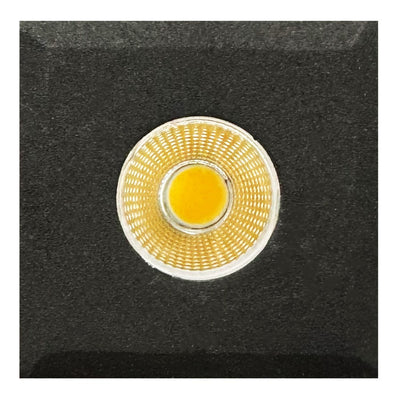
ABBA Lighting 3W LED Well Light DMS52

ABBA Lighting 3W LED Well Light DM53

ABBA Lighting 3W LED Well Light DM52

Westgate 5W 400LM 3000K LED Well Light WL-137-BK

Westgate 5W 400LM 3000K LED Well Light WL-138-BK

ABBA Lighting UNF07-Bk LED Well Light

ABBA Lighting UNF08-Bk LED Well Light

ABBA Lighting UNS01-Bk LED Well Light

ABBA Lighting UNS02-Bk LED Well Light

ABBA Lighting UNS03-Bk LED Well Light

ABBA Lighting UNS04-Bk LED Well Light

ABBA Lighting UNS05-Bk LED Well Light

Orbit Lv MR16 Inground Path Light V.g 5013VG

Orbit Fiber Glass MR16 Well Light FG5010BK

Orbit Premium Poly Adjustable MR16 Well Light Clearbk FG5415BK
About LED Well & In-Ground Lights
How to Choose LED Well & In-Ground Lights for Landscape Uplighting
LED well lights place the light source at or near ground level, making them useful for highlighting tree trunks, columns, textured walls, and other landscape features without a visible above-ground fixture. They are primarily accent lights, not a substitute for broad site illumination. If a project also needs lighting for building perimeters, parking areas, or other exterior zones, compare the appropriate fixture families in outdoor lighting rather than trying to cover every area with recessed uplights.
Well Lights vs. In-Grade Lights: Match the Fixture to the Surface
A well light is a type of in-ground luminaire, usually installed in a recessed housing so the beam rises from below. The term in-grade describes the installation position; it does not automatically mean the fixture can support foot traffic or vehicle loads. In planting beds, prioritize the correct beam and a housing suitable for soil exposure. For a walkway or driveway, confirm the exact fixture's load rating, lens construction, and installation detail before ordering.
If a project includes pathway, step, and above-ground accent fixtures alongside the recessed uplights, use the broader landscape lighting selection to coordinate the different fixture types.
Choose Beam Angle and Aiming Before Wattage
A narrow beam concentrates light on a trunk or column, while a wider beam covers more of a wall or planting feature. Some well lights have fixed optics; others allow the light engine or lamp to be aimed inside the housing. For example, a fixture placed directly beneath a vertical column may need little adjustment, but a light set away from an irregular tree trunk benefits from aimable optics. Check beam angle, output in lumens, glare control, and whether the fixture supports the desired aiming direction.
When a project needs a broad, directional wash from an above-ground mounting point instead of a flush ground fixture, compare LED flood lights. Confirm the input voltage and installation rating because flood-light products are not automatically interchangeable with low-voltage landscape fixtures.
Check Burial Conditions, Drainage, and Location Ratings
In-ground fixtures face irrigation, rainwater, damp soil, and sometimes standing water. Do not assume every product is IP67-rated, suitable for submersion, or approved for direct burial just because it is called a well light. Read the individual product's wet-location or IP rating, installation instructions, and any requirements for a sleeve, gravel bed, or drainage path. Drainage is particularly important where water may collect around a recessed housing.
Specify the components that suit the installation rather than treating all landscape hardware as interchangeable. The landscape lighting accessories category is a relevant place to check for compatible installation and connection components; verify the exact product's suitability for wet or buried locations.
Match Lamp Type, Voltage, and Transformer Output
Some in-ground models have integrated LEDs, while others accept replaceable lamps such as MR16 or PAR36. If the fixture uses a separate lamp, confirm the base, physical clearance, beam spread, maximum permitted wattage, and whether the lamp is included. Integrated models should be selected by the complete fixture specification rather than by a replacement-bulb assumption.
Many landscape well lights operate on low voltage, but their required input is not universal. Check whether the selected product needs 12V or 24V, AC or DC, and any manufacturer-specific driver or dimming requirements. For compatible transformer-powered systems, compare low-voltage landscape transformers by output type, connected load, available capacity, and cable-run voltage drop. A transformer with sufficient wattage is still the wrong choice if its output is incompatible with the fixture.
Final Checks Before Ordering LED In-Ground Fixtures
- Installation surface: Soil, mulch, stone, concrete, or paving changes the housing and mounting requirements.
- Traffic exposure: Confirm pedestrian or vehicle-load suitability only where the exact product specifies it.
- Beam and aiming: Match the spread and adjustment range to the tree, column, or wall being lit.
- Water exposure: Verify location ratings and the manufacturer's drainage instructions.
- Electrical compatibility: Check lamp type, voltage, AC/DC output, controls, and the total circuit load.
- Service access: Plan for safe access to the fixture and its connections after the surrounding landscape is finished.
For a mixed landscape project, confirm those details on every fixture schedule before ordering. Similar-looking well lights can require different sleeves, lamps, electrical supplies, or mounting conditions, and those differences are easiest to resolve before excavation or hardscape work begins.