


Industrial & Heavy
Industrial & Heavy electrical products support demanding power distribution, equipment connection, protection, enclosure, and wiring applications. Start with the electrical system and equipment requirements, then narrow products by voltage, amperage, phase, configuration, environmental rating, and connection method. For replacements, match the existing equipment family and catalog requirements rather than choosing by size or amperage alone. Industrial assemblies often depend on several compatible components, so verify the complete connection before ordering.

Showing 1–20 of 474 results
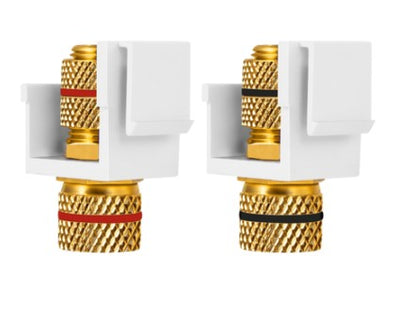
Enerlites Banana Jacks 1 Set Blk/Red 6109-BKRD
Enerlites Cat6 Female To Female Coupler White 6110-W
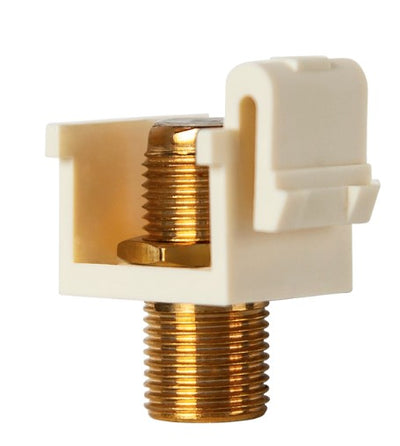
Enerlites Decorator Adapter 1-Gang Gold F-Type Coupler F To F Light Almond 6101-LA
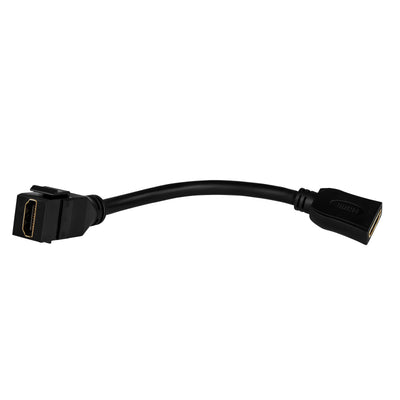
Enerlites Hdmi Female Keystone With Pigtail Black 6108-BK
Enerlites Cat6 Female To Female Coupler Bl 6110-BL
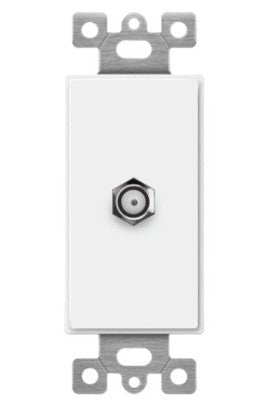
Enerlites V&A Slv F-Type Conf To F Light Almond 6505-LA
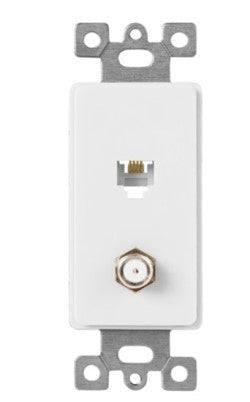
Enerlites V&A Rj11 4-Pos / 4-Cond & F-Type Conf To F Light Almond 6507-LA
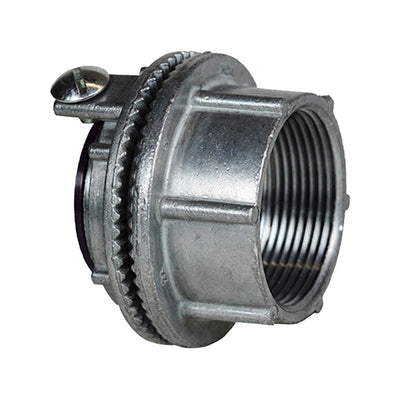
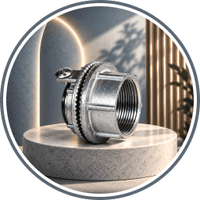
Dottie 1 in Weathertight Hub w/ Grounding Lug WTHGL100 (10-Pack)
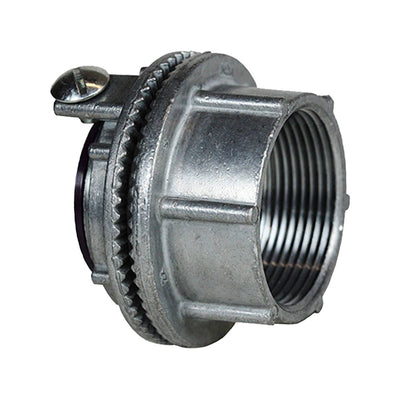
Dottie 1-1/4 in Weathertight Hub w/ Grounding Lug WTHGL125 (5-Pack)
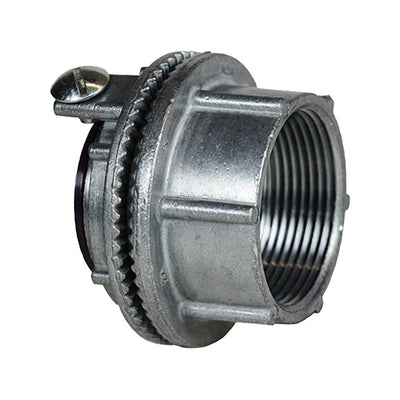
Dottie 3-1/2 in Weathertight Hub w/ Grounding Lug WTHGL350
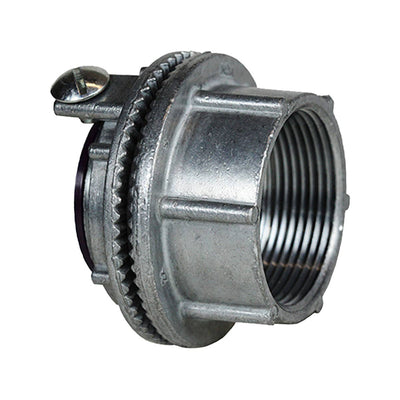
Dottie 2-1/2 in Weathertight Hub w/ Grounding Lug WTHGL250
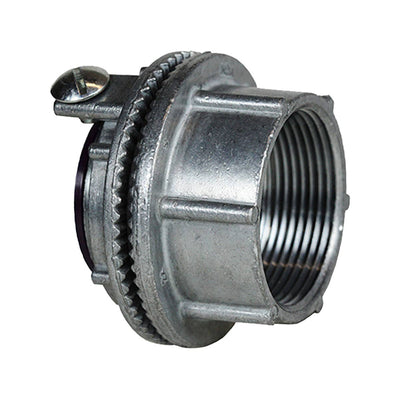
Dottie 1-1/2 in Weathertight Hub w/ Grounding Lug WTHGL150 (5-Pack)
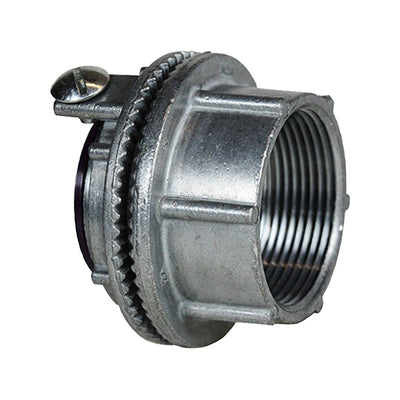
Dottie 1/2 in Weathertight Hub w/ Grounding Lug WTHGL50 (10-Pack)
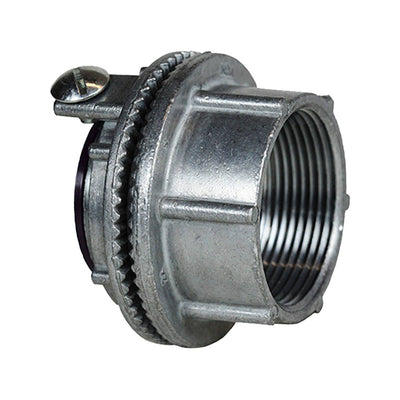
Dottie 3/4 in Weathertight Hub w/ Grounding Lug WTHGL75 (10-Pack)
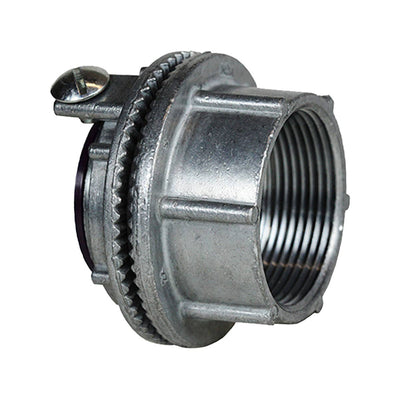
Dottie 4 in Weathertight Hub w/ Grounding Lug WTHGL400
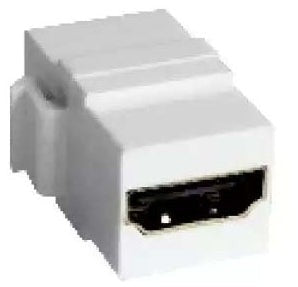
Orbit Keystone Jackholder Hdmi White KJHW
Orbit Steel Spring Nut, Regular, 1/4 in 20 Threaded Rod SNR1420
Orbit Steel Spring Nut, Regular, 3/8 in 16 Threaded Rod SNR3816
Orbit Steel Spring Nut, Regular, 1/2 in 13 Threaded Rod SNR1213
EnVision S-AUD-PIR-BT – Audio Jack Bluetooth EnVisionLS App
About Industrial & Heavy
How to Choose Industrial & Heavy Electrical Products
Industrial electrical equipment should be selected from the system requirements outward. Start with voltage, phase, current, load, equipment type, and installation environment, then match the device configuration, connection method, enclosure, conductor requirements, and protection ratings. Products that look similar can serve very different systems, especially at higher voltages, currents, or duty levels. For replacement work, use the existing equipment nameplate, catalog number, drawings, and manufacturer documentation as the starting point.
- Feeder or equipment protection: start with the correct circuit breaker family.
- Broader distribution equipment: review power distribution products.
- Heavy equipment connections: match the exact industrial plug, receptacle, or locking configuration.
- Protecting controls or terminations: choose the required NEMA enclosure.
- Raceway entering industrial equipment: use compatible conduit fittings and connectors.
- Grounding and bonding points: select application-specific grounding hardware.
Start With Voltage, Phase and Current — Not Product Appearance
The electrical system determines which industrial devices can be considered. Verify nominal system voltage, single-phase or three-phase service, frequency where relevant, load current, conductor arrangement, and grounding before selecting equipment. Amperage alone does not establish compatibility.
A 30-amp device intended for one voltage and conductor configuration may be completely incompatible with another 30-amp circuit. The same problem appears with breakers, plugs, receptacles, disconnecting devices, and control equipment.
Decision rule: identify the complete electrical configuration before selecting the device family. Do not use physical similarity or current rating as a shortcut for voltage, pole, phase, or grounding compatibility.
Circuit Breakers Must Match the Equipment and System Ratings
Industrial circuit protection requires more than matching the amp rating. A breaker must be suitable for the panelboard or equipment where it will be installed, and its voltage, pole count, trip characteristics, mounting method, and interrupting rating need to suit the electrical system.
For example, replacing a three-pole industrial breaker with another unit carrying the same current rating does not make it compatible with the existing panel. Manufacturer family and equipment identification still matter.
Decision rule: for replacement breakers, identify the existing panel or equipment and approved breaker family first. Then compare the electrical ratings. Lumera's industrial and commercial breaker selection should be narrowed from those specifications rather than amperage alone.
Twist-Lock vs. Pin-and-Sleeve Connections
Locking receptacles and pin-and-sleeve devices are separate connection systems. Twist-lock devices use a defined NEMA locking configuration and engage by inserting and rotating the mating device. Pin-and-sleeve products use round pins and a keyed industrial connection system designed around specific current, voltage, pole, grounding, and environmental configurations.
A 30-amp twist-lock receptacle and a 30-amp pin-and-sleeve receptacle therefore do not become alternatives simply because their current ratings match. The mating equipment determines the connection system.
Decision rule: match the complete configuration printed on the existing plug, receptacle, connector, or equipment inlet. If the application uses NEMA locking devices, review twist-lock products. Other industrial wiring connections are available through Lumera's broader wiring devices selection.
Choose NEMA Enclosures From the Environment and Equipment Inside
An enclosure has two jobs: protect what is inside and remain suitable for the environment around it. A dry electrical room, an outdoor wall, a washdown area, and a dusty industrial space place different demands on the enclosure and its cable or conduit entries.
NEMA 1 is generally associated with indoor dry locations, while other enclosure types address conditions such as outdoor exposure, water, corrosion, or industrial dust. The exact NEMA type required should come from the project and equipment specification rather than from a simple indoor-versus-outdoor assumption.
Decision rule: select the enclosure type before selecting its entry fittings. A rated box can lose the intended protection when incompatible connectors, glands, or field penetrations are used.
For equipment protection and termination points, compare Lumera's NEMA enclosure options.
Every Conduit and Cable Entry Has to Match the Wiring Method
Industrial equipment often combines rigid or flexible raceways, cord-connected equipment, control cable, and other wiring methods. Each entry needs hardware intended for what passes through it. A conduit connector terminates compatible raceway; a cable gland or cord grip secures a flexible cable jacket and may provide strain relief or environmental sealing.
A cable gland should be chosen by both the enclosure entry and the cable's acceptable outside-diameter range. A conduit fitting instead starts with raceway type, trade size, connection method, and location rating.
Decision rule: do not choose entry hardware from knockout size alone. Identify what is entering the enclosure and what environmental rating the complete entry needs to maintain.
Use cable glands and cord grips for compatible flexible-cable entries and the dedicated conduit-fitting category for raceway transitions.
Grounding and Bonding Are Part of the Industrial Assembly
Metal enclosures, raceways, equipment frames, grounding conductors, and bonding jumpers can all create different connection requirements. The grounding hardware must match the conductor size and material, connection point, equipment, and application involved.
A general mechanical lug should not automatically be substituted for hardware identified for a specific grounding or bonding connection. Likewise, a fitting or enclosure being made of metal does not by itself establish that every required bonding path is complete.
Decision rule: trace the grounding and bonding path as part of the equipment schedule, then select each connector or bonding component for its actual connection point. Lumera's grounding and bonding category provides the application-specific side of that material list.
Industrial Ratings Should Be Checked on the Exact Product
Terms such as industrial, heavy-duty, weatherproof, and corrosion-resistant should not replace actual product ratings. The operating environment may require a specific enclosure type, location rating, temperature range, conductor rating, voltage class, interrupting rating, or other equipment-specific qualification.
The same applies to products used around dust, water, chemicals, or classified hazardous locations. A product suitable for ordinary industrial service is not automatically approved for a hazardous location, and a weather-resistant device is not automatically suitable for every washdown or corrosive environment.
Decision rule: use the project specification and exact product documentation whenever the environment affects safety, equipment life, or compliance.
Plan the Complete Connection Before Ordering Components
Industrial installations are often multi-component assemblies. A receptacle may require a compatible plug, enclosure, cover, conductor, and strain-relief system. A breaker depends on the panel family and system ratings. An enclosure depends on the fittings used at every penetration.
This is where many ordering mistakes occur: each individual component appears correct, but the parts do not form one compatible assembly. Build the material list connection by connection instead of buying each category independently.
For example, a cord-connected piece of equipment may require the correct industrial receptacle, mating plug, cable type, cord grip, enclosure, branch-circuit protection, and grounding arrangement. Changing one component can affect several others.
What to Confirm Before Ordering Industrial Electrical Equipment
- System voltage: match the equipment and circuit.
- Phase: single-phase or three-phase where applicable.
- Current rating: based on the circuit, load, and equipment requirements.
- Poles and conductors: match the electrical configuration.
- Equipment family: verify manufacturer and compatible product series for replacements.
- Interrupting or short-circuit ratings: confirm where applicable to the equipment.
- Connection type: hardwired, straight-blade, locking, pin-and-sleeve, or another specified system.
- Conductor requirements: size, material, terminal range, and termination method.
- Enclosure: choose the environmental rating from the installation conditions.
- Raceway or cable entry: match fittings and glands to the wiring method and enclosure.
- Grounding and bonding: plan the complete equipment grounding path.
- Mounting and clearance: confirm physical fit, cable bending space, and service access.
Industrial line-voltage equipment should be installed and commissioned by qualified electrical personnel using the equipment manufacturer's instructions and the requirements applicable to the installation. Avoid carrying ratings, wiring assumptions, or component substitutions from one equipment family to another.
Industrial & Heavy Electrical FAQs
What should I check first when buying industrial electrical equipment?
Start with the electrical system and the equipment being served. Confirm voltage, phase, current, conductor arrangement, load, environmental conditions, and the required connection or protection method. After those are known, compare device family, enclosure, mounting, terminal and accessory requirements. Selecting by amperage or physical size alone can produce an incompatible component.
What is the difference between twist-lock and pin-and-sleeve devices?
Twist-lock products use defined locking blade configurations, while pin-and-sleeve products use round keyed pins and a different industrial connection system. They are not interchangeable. Match voltage, current, poles, grounding, device type, and the exact mating configuration. Lumera's locking-device category covers the NEMA twist-lock side of that comparison.
Can I replace an industrial circuit breaker with one that has the same amperage?
Not based on amperage alone. The replacement must be suitable for the panel or equipment and match the required voltage, poles, mounting system, trip characteristics, and interrupting rating where applicable. Start with the equipment manufacturer and breaker family, then compare electrical ratings within Lumera's breaker selection.
What NEMA enclosure rating do I need?
The required NEMA type depends on the installation environment and what the enclosure must protect against. Dry indoor areas, outdoor exposure, water, corrosion, and industrial dust can require different enclosure types. Use the project's required NEMA designation and maintain that protection with compatible covers, fittings, glands, and unused-opening closures.
Are industrial and heavy-duty electrical products automatically rated for outdoor use?
No. “Industrial” or “heavy-duty” does not automatically establish an outdoor, wet-location, corrosion, or hazardous-location rating. Check the environmental rating of the exact product and every component in the assembly. Outdoor equipment may also require compatible boxes, covers, raceway fittings, cable entries, and sealing hardware.
How should I build an industrial electrical material list?
Build it by system and connection point. Record the load or equipment, voltage, phase, current, protection, conductor, termination, enclosure, wiring method, fittings, grounding, controls, and mating devices for each connection. This makes compatibility problems visible before quantities are ordered and is safer than creating separate disconnected lists for breakers, fittings, receptacles, and enclosures.