


LED Dimmer Switches
LED dimmer switches and 0-10V dimmers control compatible LED lamps, fixtures, drivers, and low-voltage lighting systems using different dimming methods. Choose by the control method required by the load, confirm dimmer-to-driver compatibility, and match the device to the circuit and control layout. Forward-phase, ELV, 0-10V, and low-voltage DC systems are not interchangeable. For larger lighting projects, establish the dimming method before standardizing controls across rooms or fixture types.



Showing 1–20 of 454 results
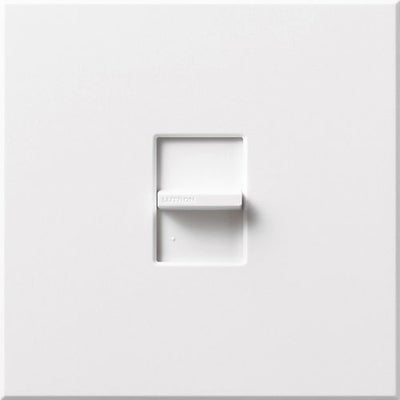
Lutron Nova T Dimmer Switch 1200 W NTLV-1500 Series 1

Lutron Maestro Dimmer Switch 150 W, Biscuit (RRD-10ND-BI)
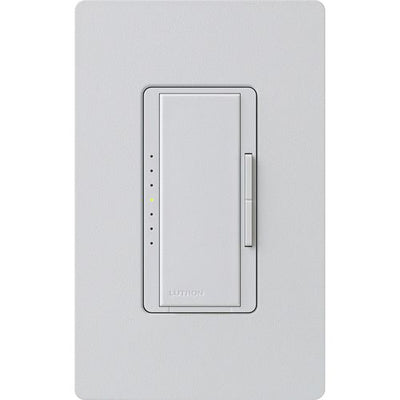
Lutron Maestro Dimmer Switch 1000 W MSC-1000M
Lutron Ariadni Dimmer Switch 450 W, (AYLV-603P-AL)
Lutron Ariadni Dimmer Switch 450 W, (AYLV-600P-BL)
Lutron Ariadni Dimmer Switch 450 W, (AYLV-600PH-IV)
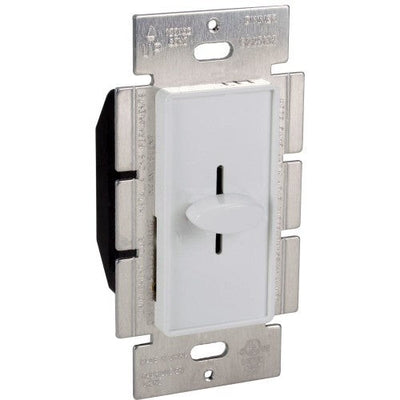
Orbit 120V 600W Ivory Single-Pole Slide Dimmer D600I

Orbit 120V 700W Almond 3-Way Slide Dimmer DD703A
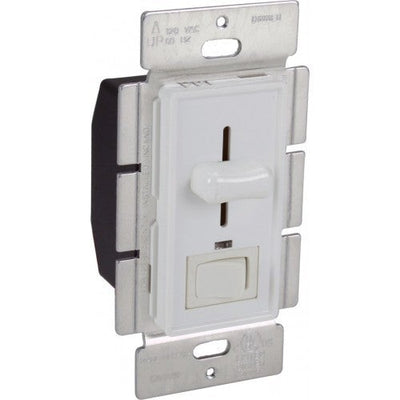
Orbit 120V 600W Black 3-Way Slide Dimmer D603SLBK

ELCO Lighting DIMU1 LED Dimmer 24V DC

Orbit LED Decorative Dimmer, 1POLE 150W Cflled, 120V White LD1501

Orbit LED Deco. Dimmer, 1POLE3WAY 150W Cflled, 120V White LD1503

Orbit Slide Dimmer Slide Handle Almond SDHA

Orbit Slide Dimmer Slide Handle Ivory SDHI
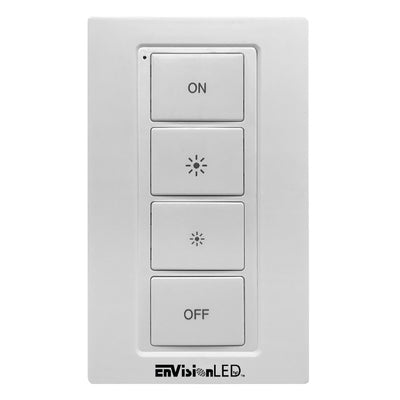
EnVision S-LINE-DIM-BT – Dimmer for S-LINE Series Bluetooth Sensors
EnVision S-WS-DIM-TUN-UNV-BT – EnVisionLS Wall Switch + Dimmer + Tunable CCT

Lutron Caseta Smart Dimmer Switch, Works w/ Lutron App (L-BDGPRO2-WH)
Lutron Maestro Dimmer Switch MSC-AS
Lutron Nova T Dimmer Switch 800 W NTLV-1000 Series 2

Lutron Nova T Dimmer Switch 800 W NTLV-1000-277 Series 2
About LED Dimmer Switches
How to Choose LED Dimmer Switches & 0-10V Dimmers
The correct LED dimmer starts with the lighting load, not the wall-control style. Check the fixture, lamp, transformer, or LED driver to determine which dimming method it accepts, then match the control to that method, its electrical ratings, and the required switching layout. Forward-phase, reverse-phase, 0-10V, and low-voltage DC dimmers control lighting in different ways. Using the wrong method can result in flicker, limited dimming range, noise, unstable operation, or a system that does not dim at all.
- Using standard phase-dimmable LED lamps or fixtures? Start with standard LED dimmers.
- Working with ELV drivers or dedicated 0-10V fixtures? Compare ELV and 0-10V dimmers.
- Need app, scene, schedule, or wireless control? Review smart and wireless dimmers.
- Specifying the power supply at the same time? Match the control with compatible LED drivers and power supplies.
Identify the Dimming Method Before Choosing the Wall Control
LED lighting can use several control methods, and they are not interchangeable. Forward-phase, often called TRIAC, controls compatible loads by modifying the leading edge of the AC waveform. Reverse-phase or ELV control modifies the trailing edge and is commonly associated with compatible electronic drivers. A 0-10V system uses a separate low-voltage control signal rather than relying only on phase-cutting the line-voltage power.
If a fixture specification says 0-10V, a conventional TRIAC dimmer is not a substitute. Decision rule: find the dimming method on the fixture or driver specification first, then choose the matching control category. For ordinary compatible phase-dimmable lighting, narrow the search through standard dimmer switches.
Dimmer and LED Driver Compatibility Matters Beyond Wattage
Two dimmers with similar wattage ratings can behave differently with the same LED lamp or driver. LED electronics have minimum-load, maximum-load, and control-method requirements, and manufacturers may test specific lamp-and-dimmer combinations for low-end performance, flicker, audible noise, and reliable turn-on.
For example, six 10W LED lamps create a nominal 60W load, but that calculation alone does not prove that every 150W LED dimmer will perform correctly with those lamps. Check the dimmer’s LED rating and manufacturer compatibility information where available. Lumera’s dimmer compatibility guide explains how to evaluate tested combinations and load limits before ordering.
0-10V Dimming Requires a Different Wiring Plan
A 0-10V system typically keeps line power available to the compatible fixture or driver while a separate pair of low-voltage control conductors carries the dimming signal. That makes the wiring architecture different from a conventional phase-cut wall dimmer, which controls the load through the line-voltage circuit itself.
On a commercial project with 20 fixtures, specifying 0-10V after the walls or ceilings are closed can create avoidable wiring work if the control conductors were never planned. Decision rule: when the fixture requires 0-10V control, include the control wiring in the electrical layout from the beginning. Dedicated products can be narrowed through ELV and 0-10V controls.
Single-Pole, 3-Way, and Multi-Location Dimming Need the Correct Device Arrangement
The dimming method is only part of the specification; the number of control locations matters too. A single-pole dimmer controls the lighting from one location, while a multi-location circuit requires a compatible arrangement of dimmer, companion, switch, or remote devices according to the selected product family.
For a staircase controlled from both floors, do not assume two identical dimmers should replace the existing 3-way switches. Many systems use one primary dimmer with a compatible companion at the second location. Verify the exact wiring diagram before ordering devices for every box. If the project also needs wireless multi-location control, compare smart and wireless dimmers rather than forcing a conventional wiring approach.
Low-Voltage DC Lighting Uses a Different Control Location
Some 12V and 24V LED systems use a DC dimmer on the low-voltage side of the power supply rather than a line-voltage wall dimmer controlling the driver input. This is common in applications where a constant-voltage power supply feeds tape, strip, or other low-voltage lighting and the control is designed specifically for that DC output.
A 24V tape-light run should therefore be specified as a complete system: load, driver, control method, and dimmer location. Do not assume a wall-mounted line-voltage dimmer can be added to any power supply. Lumera’s LED tape light and LED driver categories provide the other components needed to coordinate these systems.
Check Wall-Box Wiring, Device Space, and Installation Requirements
Electronic dimmers can have different neutral, grounding, traveler, and box-space requirements from the mechanical switch being replaced. Multi-gang installations can also affect allowable load or installation requirements depending on the device, so review the exact product instructions rather than assuming every control installs the same way.
For a 3-gang wall box with several dimmers, verify conductor space, device ratings, and any manufacturer derating instructions before finalizing the schedule. Once the controls are selected, coordinate the finished openings with appropriate wall plates and switch plates. Because dimmers connect to building wiring, installation and circuit verification should be handled by a qualified electrician and follow applicable requirements.
Choose Specialty or System-Level Controls Only When the Project Needs Them
A basic LED circuit may only need reliable manual dimming, while larger commercial or automated projects can require sensors, scheduling, centralized controls, or integration with other lighting devices. Selecting the broader control architecture first prevents individual dimmers from being purchased without considering how the building will actually operate.
If a project combines manual dimming with occupancy sensors, timers, or other automated functions across multiple zones, plan those devices as part of the complete control system. Lumera’s lighting controls category provides the broader path when the project extends beyond individual wall dimmers.
Ordering LED Dimmers for a Larger Lighting Project
For multi-room, multi-unit, retail, office, or other repeated installations, create a control schedule before purchasing. Record the fixture or lamp, driver, dimming method, voltage, connected load, control locations, neutral requirements, device style, and quantity for each zone. Keeping the dimmer tied to the lighting specification helps prevent compatible-looking controls from being mixed between different systems.
Request an LED Dimmer Project Quote
For larger quantities or projects using several dimming methods, request a project quote after the fixture and control schedules have been coordinated.
Have these details ready:
- Fixture, lamp, or LED driver being controlled
- Required dimming method: forward-phase, ELV, 0-10V, or low-voltage DC
- Line and control voltage
- Total connected load
- Single-pole, 3-way, or multi-location arrangement
- Neutral-wire requirements
- Number of lighting zones
- Smart, wireless, sensor, or scheduling requirements
- Device style, finish, and wall-plate requirements
- Required quantity
For larger control packages, you can also submit your dimmer and fixture schedule so each control remains matched to the correct driver, dimming method, and lighting zone.
LED Dimmer & 0-10V Dimmer FAQs
What is the difference between a standard LED dimmer and a 0-10V dimmer?
A standard phase-control LED dimmer modifies the AC power waveform supplied to a compatible load, while a 0-10V dimmer sends a separate low-voltage control signal to a compatible fixture or driver. The systems are not interchangeable. If the fixture specification calls for 0-10V, use an appropriate 0-10V control rather than a standard phase dimmer.
Can any LED dimmer work with any dimmable LED bulb?
No. A bulb may be labeled dimmable and still perform differently with different controls. Check the dimming method, minimum and maximum load, and manufacturer compatibility information. Lumera’s LED dimmer compatibility guide explains why model-specific testing is more useful than matching wattage alone.
What is the difference between forward-phase and ELV dimming?
Forward-phase control cuts the leading edge of the AC waveform, while ELV or reverse-phase control cuts the trailing edge. The fixture or driver determines which method is appropriate. If the load specifies electronic low-voltage or reverse-phase control, start with Lumera’s ELV dimmer selection rather than assuming a conventional TRIAC dimmer will work.
Do 0-10V dimmers need extra wires?
Typically, yes. A 0-10V lighting system uses dedicated low-voltage control conductors in addition to the power wiring serving the compatible fixture or driver. The exact wiring arrangement depends on the equipment and system. Plan those conductors before installation instead of assuming a standard two-wire wall-dimmer layout will support 0-10V control.
Should I use a smart dimmer or a regular LED dimmer?
Use a regular dimmer when local manual brightness control is all the project needs. Choose a smart dimmer when app control, schedules, scenes, wireless companions, or connected-system integration are useful. In both cases, the underlying dimmer still has to match the lighting load. Compare smart and wireless dimmers when connectivity is part of the specification.