


AC Motors
AC motors provide rotational power for pumps, fans, conveyors, and other equipment operating from alternating-current power. Start with the driven load and required horsepower, then match the motor to the available voltage and phase and the equipment’s mechanical mounting requirements. Speed, enclosure, and control method narrow the final selection after those basics are established. For multi-motor projects, record each motor’s nameplate and application requirements before standardizing models or requesting project pricing.
Showing 1–20 of 20 results
Intermatic WG1600-11 WG1600-11

Intermatic 125 VAC 60 Hz Timer Motor WG730-14D
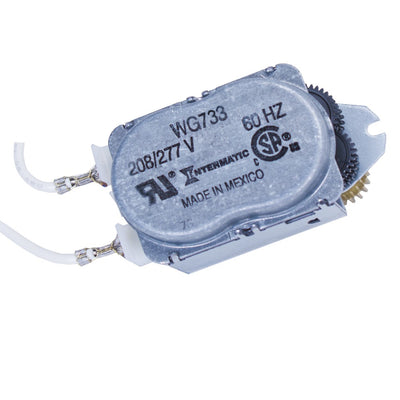
Intermatic 208-277 VAC 60 HZ Timer Motor WG733-14D
Intermatic 208/277 V 60 HZ Timer Motor WG1603-11D

Intermatic 125 VAC 60 Hz Timer Motor WG1570-10D
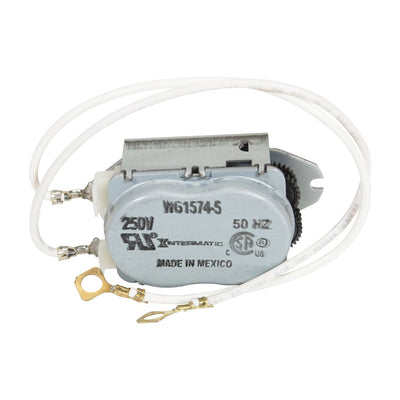
Intermatic 250V 50HZ Timer Motor WG1574-10D
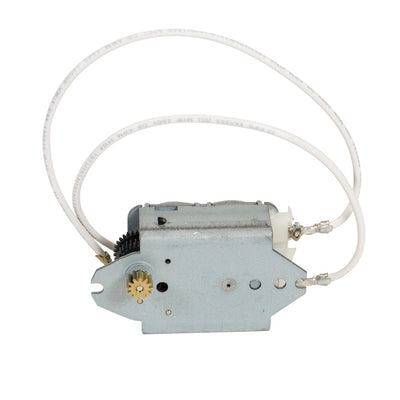
Intermatic 125V 60HZ Timer Motor WG433-20D
Intermatic MOTOR-BOXED,125V 60HZ WG720-10D
Intermatic 125V 50HZ Timer Motor WG1571-10D
Intermatic MOTOR-BOXED,125V 60HZ WG190-15D
Intermatic MOTOR-BOXED,125V 60HZ WG430-20D
Intermatic 125 V Timer Motor WG1571-10
Intermatic Timer Motor WG736-14
Intermatic Motor-Boxed, 125 V, 60 Hz WG630D
Intermatic Timer Motor WG436-20
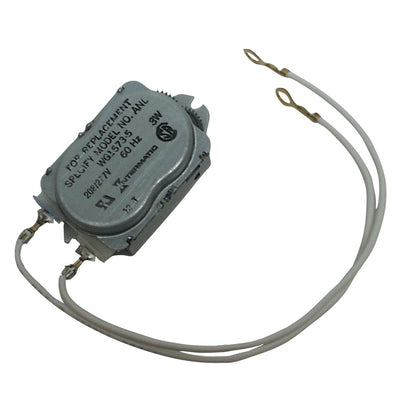
Intermatic 208-277 VAC 60 HZ Timer Motor WG1573-10D
Intermatic Motor-125 V, 60 Hz w/Leads WG1570-10
Intermatic 480V 60HZ Timer Motor WG736-14D
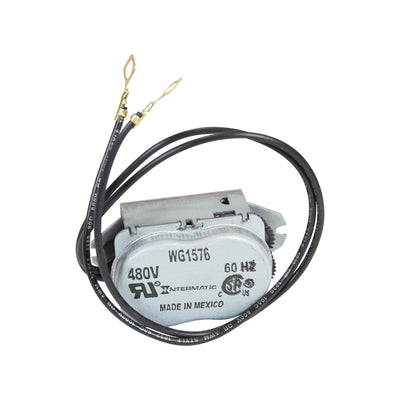
Intermatic Timer Motor WG1576-10D
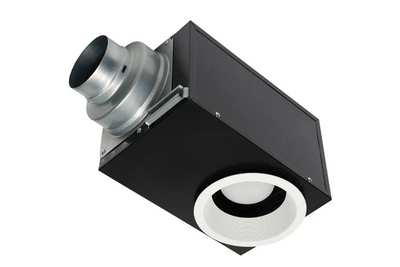
Panasonic FV-08VRE2 EcoVent Ventilation Fan Motor and Grille - for Spot Ventilation - 70 or 90 CFM -
About AC Motors
How to Choose AC Motors for the Load, Power Supply, and Equipment
AC motors should be selected from the equipment they need to drive, not from horsepower alone. Start with the load and operating requirement, then confirm supply voltage and phase, required speed, mounting dimensions, shaft details, enclosure, and the planned control method. Replacement projects need an additional compatibility check against the existing motor nameplate and driven equipment. A motor can match the horsepower and still be wrong because its speed, frame, voltage, or mechanical interface differs.
- Planning branch-circuit or equipment protection? Compare circuit breakers after the motor circuit requirements are established.
- Housing motor-control components? Review NEMA electrical enclosures for the required environment.
- Bringing flexible motor cable into an enclosure? Match it with suitable cable glands and cord grips.
Match Horsepower to the Driven Load, Not the Old Motor Label Alone
Horsepower describes mechanical output, but the equipment determines how much power the motor actually needs. Pumps, fans, conveyors, compressors, and other loads can have different starting and running characteristics even when their nominal horsepower is similar. Oversizing without a reason can create its own compatibility and control problems, while undersizing can leave the motor unable to handle the required load.
Consider a machine that previously used a 5 hp motor. Before ordering another 5 hp unit, confirm that the driven equipment, operating condition, and duty have not changed. Decision rule: establish the mechanical load first, then use horsepower as one part of the motor specification rather than the complete specification.
Voltage and Phase Must Match the Available Electrical Supply
An AC motor has to be designed for the electrical system feeding it. Supply voltage and phase directly affect which motor belongs on the project, and a motor intended for one configuration should not be substituted because its horsepower or shaft size matches. The starter, disconnect, conductor arrangement, and protection also need to suit the same electrical system.
A 230V three-phase machine and a 230V single-phase installation are not the same motor application. Verify the actual building supply and the motor nameplate before ordering. Once the motor requirements are known, coordinate upstream protection with the correct motor-circuit breaker selection rather than copying the breaker used on another piece of equipment.
Motor Speed Has to Match the Equipment Being Driven
AC motor speed is tied to supply frequency and motor design, with the actual running speed also affected by motor type and load. That makes RPM a critical replacement specification for equipment where the motor directly drives a fan, pump, pulley, or gearbox. Matching horsepower while changing shaft speed can change the performance of the entire machine.
If an existing driven assembly was designed around a motor running near one operating speed, replacing it with a substantially different-speed motor can alter airflow, pump output, belt speed, or equipment operation. Decision rule: record the existing nameplate RPM and the driven equipment requirements before treating another motor as an equivalent replacement.
Frame, Mounting, and Shaft Dimensions Decide Mechanical Fit
Electrical compatibility does not guarantee that a motor will physically replace another one. Frame dimensions can determine mounting-hole location, shaft height, shaft diameter, and other mechanical relationships. Base-mounted, face-mounted, and equipment-specific installations can also use different attachment arrangements.
For a direct replacement, measure or document the existing motor before removal whenever the model information is incomplete. A motor with identical voltage and horsepower is still a poor replacement if the shaft will not align with the coupling or the mounting holes do not meet the equipment base. Where additional structural support is required around equipment, coordinate it separately with appropriate support hardware.
Choose the Motor Enclosure for the Actual Environment
Motor enclosure requirements change with the installation environment. A clean, dry indoor equipment room presents different exposure from an outdoor pump, a dusty process area, or equipment subject to moisture. The exact motor must be identified as suitable for its operating conditions rather than being selected from horsepower and voltage alone.
For an outdoor installation, evaluate the motor’s own enclosure and environmental rating separately from the enclosure housing its starter or control equipment. Where controls require a separate cabinet, Lumera’s electrical enclosure options can be selected around the required location and environmental protection.
Plan Starting and Speed Control Before Finalizing the Motor
Some AC motor applications only require fixed-speed starting and stopping, while others need adjustable speed or process control. Variable-frequency operation changes the selection process because the motor and drive need to be compatible with each other and with the operating speed range required by the equipment.
A conveyor that always runs at one speed has a different control requirement from a process fan that needs speed adjustment throughout the day. Decide whether the application is fixed-speed or variable-speed before the motor schedule is finalized. Lumera’s AC vs. DC motor guide explains why AC motor speed control is typically approached through frequency control rather than a simple reduction in supply voltage.
Motor Protection and Overload Protection Perform Different Jobs
The equipment around an AC motor can include short-circuit protection, overload protection, switching, and disconnecting functions. Those functions should not be treated as interchangeable. A branch-circuit breaker is not automatically a substitute for the overload protection associated with the motor-control system, and the motor nameplate remains an important input when protective equipment is selected.
On a multi-motor panel, record each motor separately rather than assigning one protection scheme from horsepower alone. Motor current, supply configuration, starter arrangement, and equipment instructions can differ from one load to the next. Lumera’s industrial control panel wiring guide provides additional context for coordinating motor starters and protective devices inside control assemblies.
Plan Motor Leads, Cable Entry, and Terminations Together
The motor circuit also needs a suitable wiring path between the motor and its control equipment. Flexible cable entries may require strain relief, conductor terminations must match conductor size and material, and the enclosure entry should remain suitable for the surrounding environment. Pulling force should not be transferred directly to motor or control terminals.
For a motor connected by flexible cable to a nearby control enclosure, match the cable outside diameter and entry opening to appropriate cord grips or cable glands. Where conductors need to be joined or extended, use properly selected wire connectors and splices rather than treating terminal fit as proof of compatibility.
Grounding and Bonding Are Part of the Complete Motor Installation
Motor frames, metallic enclosures, raceways, and control equipment can all be part of the grounding and bonding design. Mechanical attachment alone should not be assumed to establish every required fault-current path. The connection method has to suit the conductor, equipment, raceway, and environment involved.
For a motor mounted away from its control enclosure, review the complete equipment-grounding path before commissioning the system. Where purpose-built connectors or bonding hardware are required, select them through Lumera’s grounding and bonding products. Permanent motor circuits should be installed and verified by a qualified electrician following the equipment instructions and applicable electrical requirements.
Ordering AC Motors for a Larger Project
For projects with multiple motors, organize the schedule by equipment served, horsepower, voltage, phase, full-load current, speed, frame or mounting arrangement, shaft requirements, enclosure, control method, and quantity. Keeping that information together makes replacements and repeated equipment packages easier to verify. Businesses sourcing electrical products repeatedly can also coordinate larger purchases through Lumera’s project-ordering process.
Request an AC Motor Project Quote
For larger quantities or projects involving several motor specifications, request a project quote after the motor schedule has been checked.
Have these details ready:
- Required horsepower
- Supply voltage and phase
- Motor nameplate current, when replacing an existing unit
- Required RPM or operating speed
- Frame and mounting arrangement
- Shaft dimensions or coupling requirements
- Installation environment and enclosure requirement
- Fixed-speed or variable-speed control
- Driven equipment or application
- Required quantity
For multi-motor projects, you can also submit your motor schedule so each unit remains tied to the correct electrical, mechanical, and control requirements.
AC Motor FAQs
What is the difference between an AC motor and a DC motor?
An AC motor operates from alternating current, while a DC motor operates from direct current or an electronic drive that produces the required DC motor control. Their construction and speed-control methods differ significantly. Lumera’s AC vs. DC motors guide compares their operation, control requirements, and common applications in more detail.
What information do I need to replace an AC motor?
Record the existing horsepower, supply voltage, phase, full-load current, frequency, RPM, frame or mounting arrangement, shaft dimensions, enclosure, and application. The model and manufacturer information are also useful. Matching only horsepower and voltage is not enough because the replacement still has to fit mechanically and operate the driven equipment at the intended speed.
Can I control the speed of an AC motor with a regular dimmer or voltage control?
Not as a general rule. AC induction-motor speed is primarily related to supply frequency and motor design, so variable-speed applications commonly use a compatible variable-frequency drive. A lighting dimmer is not a general motor speed controller. For small AC fan applications, use a purpose-built fan speed control only when it is rated and approved for that specific motor load.
What circuit breaker do I need for an AC motor?
The breaker has to be selected as part of the motor circuit using the motor characteristics, conductors, system voltage, starting behavior, equipment instructions, panel compatibility, and applicable electrical requirements. Do not choose it from motor horsepower alone. Lumera’s circuit breaker collection should be narrowed only after those circuit requirements are established.
Can an AC motor be installed outdoors?
Yes, when the exact motor enclosure and construction are suitable for the environmental exposure. Rain, moisture, dust, chemicals, and temperature can all affect the required motor specification. Control equipment installed nearby must also have suitable protection; compare NEMA enclosures separately for starters and other electrical components.