


Lighting Controls, Dimmers & Drivers
Lighting controls, dimmers, and LED drivers manage how compatible lighting systems switch, dim, respond automatically, and receive power. Choose dimmers by the control method required by the lamp or driver, sensors and timers by the behavior the space needs, and LED drivers by output type and electrical requirements. For smart or multi-location control, confirm ecosystem and wiring compatibility. Establish the fixture, load, voltage, and control method before standardizing devices across a project.


Showing 1–20 of 3507 results
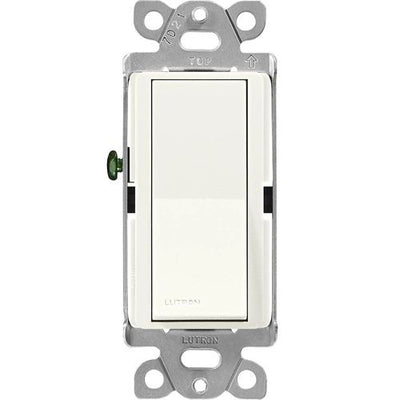
Lutron Claro Switch 15 A, Biscuit (SC-1PS-BI)

Lutron Maestro Dimmer Switch 150 W MRF2S-6ELV120

Utopia Lighting EMG-2G-8W-SDT Emergency LED Driver with Self-Test

Orbit Photo Cell 500W Wire in 208277 PC1F277

Lutron Pico Wireless Remote, White (PJ2-3BRL-WH-F01R)
Lighting Spot 26 60W 12V White Transformer LS2-TRANSFORMER

Intermatic 3-Circuit Electrical Control P1353ME

Intermatic Water Heater Timer Switch T104-20

Intermatic 120-277 VAC Electrical Control ETW3CP

Intermatic Water Heater Timer Switch EH10

EnVision PC-BTN-UNV-3/8" – Button Photocell Universal for 3/8" Knockout

EnVision S-WS-DIM-UNV-BT – EnVisionLS Wall Switch + Dimmer

EnVision S-LINE-R – Remote for S-LINE Series Sensors

EMCOD EGP250P General Purpose Multi-Circuit Transformer 250W 12V/24AC Class 1
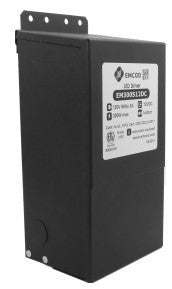
EMCOD EM150S24AC Indoor Outdoor Magnetic AC Transformer 150W 24VAC

EMCOD EGP600P General Purpose Multi-Circuit Transformer 600W 12V/24AC Class 1
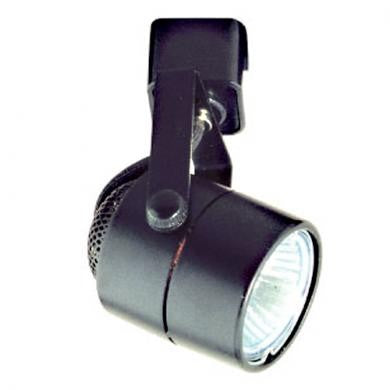
ELCO Lighting White Finish Low Voltage Transformer ET928B
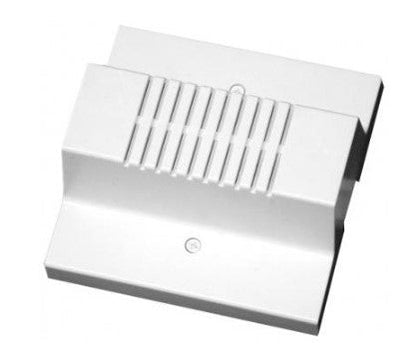
ELCO Lighting Mini White Finish Low Voltage Transformer EP2028B

ELCO Lighting ECLN Semicircular Canopy with Transformer

Diode LED SWITCHEX+R1 Brown Faceplate Only (DI-SXR1-FP-BRN)
About Lighting Controls, Dimmers & Drivers
How to Choose Lighting Controls, Dimmers & LED Drivers
Lighting controls work correctly only when the control device, LED driver or lamp, wiring, and connected load are compatible. Start with the fixture or lighting load, identify how it is designed to switch or dim, then choose the control architecture around that requirement. A wall dimmer, 0-10V controller, occupancy sensor, timer, smart control, and LED driver may all appear in the same lighting system, but each performs a different job.
- Need manual light-level adjustment: start with LED dimmers.
- Fixture or driver specifies ELV or 0-10V control: compare ELV and 0-10V dimmers.
- Need automatic switching based on presence or room use: review occupancy and motion sensors.
- Need scheduled or countdown operation: use lighting timers.
- Need app, wireless, scene, or ecosystem-based control: compare smart lighting controls.
- Need power conversion for an LED load: match the fixture to the correct LED driver or power supply.
Start With the Lighting Load, Not the Wall Control
The connected lamp, fixture, or driver determines which control methods are possible. A standard on/off switch can control a simple line-voltage load, while a dimmable LED system may require forward-phase, reverse-phase or ELV, 0-10V, low-voltage DC, or another manufacturer-specified control method.
For example, replacing a standard switch with an LED dimmer does not make a non-dimmable fixture dimmable. Likewise, a dimmer rated for one control method may cause limited range, flicker, dropout, or failure to turn off cleanly when paired with an incompatible driver.
Decision rule: find the dimming or control method on the fixture, lamp, or driver specification before selecting the wall device. Use Lumera's dimmer collection only after that control requirement is known.
Phase-Cut vs. 0-10V Dimming: Different Control Architectures
Phase-cut dimming alters the AC waveform delivered through the line-voltage circuit. Different products may require forward-phase or reverse-phase operation, so the dimmer still needs to match the LED lamp, transformer, or driver being controlled.
0-10V uses a different architecture. The fixture or LED driver receives normal line power while separate low-voltage control conductors carry the dimming signal. A standard phase-cut wall dimmer cannot simply be substituted for a 0-10V controller.
Consider a commercial fixture marked “0-10V dimmable.” If only switched line-voltage conductors reach the wall box and the required control pair was never installed, changing the wall device alone does not create a complete 0-10V system.
Decision rule: if the fixture specification says 0-10V, plan the control wiring and select a compatible 0-10V lighting control before rough-in.
LED Drivers: Match Constant Voltage or Constant Current
An LED driver converts incoming power into the electrical output required by the LED load. Two major output approaches are constant voltage and constant current, and they should not be treated as interchangeable.
Constant-voltage supplies are commonly specified for LED systems designed around a fixed output voltage such as 12V or 24V. Constant-current drivers regulate output current for LED modules designed around a defined current and voltage range. The driver also has to provide enough output capacity without exceeding the requirements of the connected LED system.
Decision rule: replace a driver from the LED load specification, not from physical size or input voltage alone. Record output voltage or current, wattage, input voltage, dimming method, and enclosure requirements before selecting the replacement.
Driver and Dimmer Compatibility Determines Dimming Quality
A driver described as “dimmable” still does not work with every dimmer. The control method must match, and the combination needs to operate correctly across the desired dimming range. Low-end performance, minimum load, turn-on behavior, and flicker can vary between otherwise compatible-looking products.
A 0-10V driver should be paired with a control intended for its 0-10V interface. An ELV or reverse-phase driver instead requires a compatible phase-control dimmer. Where manufacturer compatibility information is available, use it rather than assuming two products will work together because both say “LED.”
Decision rule: specify the driver and dimmer as a pair. If either product changes during purchasing, recheck the compatibility rather than assuming the original control schedule still applies.
Occupancy and Vacancy Sensors: Choose the Desired Behavior First
Occupancy and vacancy controls can look nearly identical while operating differently. Occupancy operation can support automatic-on behavior when presence is detected, while vacancy operation commonly requires manual-on and provides automatic-off. Exact operating modes depend on the device.
Sensor technology and location matter too. PIR sensors detect changes in infrared energy and need a useful line of sight to movement. Dual-technology devices combine sensing methods to improve detection in spaces where one technology alone may be less reliable.
A small private office and a large storage room should not automatically use the same sensor just because their connected lighting load is similar.
Decision rule: establish automatic-on versus manual-on behavior, then evaluate mounting location, coverage pattern, room geometry, load, voltage, and wiring. Lumera's broader Sensors & Controls category covers additional automation options.
Sensor Coverage Is About Room Geometry, Not Just Square Footage
A headline coverage area is useful for comparison, but it does not tell the complete story. Detection depends on mounting height, sensor orientation, partitions, shelving, doors, movement direction, and the sensing technology being used.
A sensor rated for a large open area can perform poorly if installed behind an obstruction or aimed away from the normal path of travel. High-bay sensors also need to be evaluated for the fixture or ceiling height for which their detection pattern was designed.
Decision rule: compare the manufacturer's coverage diagram with the actual room rather than choosing the largest square-foot rating available. For room-level automatic control, narrow the options under occupancy sensors.
Timers and Photocell Controls Solve Different Scheduling Problems
A timer operates according to time. Depending on the product, that may mean a simple countdown, a programmed daily or weekly schedule, or astronomical timing based on sunrise and sunset. A photocell instead responds to ambient light level.
That distinction matters for exterior lighting. A storefront sign that should follow a defined operating schedule has a different control objective from an exterior light that should automatically respond to darkness.
A bathroom fan presents another use case: a countdown timer may keep the fan running for a defined period after the room is used without requiring a full programmable schedule.
Decision rule: choose a timer when elapsed time or schedule is the trigger; choose a compatible light-level control when ambient daylight is the trigger.
Smart Controls Need an Ecosystem and Electrical Compatibility Check
Smart control adds another compatibility layer beyond voltage and load. A connected switch or dimmer may depend on a particular wireless protocol, hub or bridge, companion device, app, account, neutral conductor, or multi-location wiring arrangement.
Two smart devices can both offer app control and still belong to ecosystems that do not communicate with each other. Likewise, adding a smart dimmer does not remove the need to verify whether the LED load is electrically dimmable by that device.
Decision rule: choose the ecosystem before standardizing smart controls across multiple rooms. Then confirm load type, dimming method, neutral requirements, companion controls, and hub needs for every location.
Use Lumera's smart control selection when remote control, scenes, scheduling, or ecosystem integration is part of the project.
Single-Pole, 3-Way and Multi-Location Controls Need Different Wiring
The number of locations controlling a lighting load affects the device configuration. A single-pole control operates a load from one location. Traditional three-way switching controls the same load from two locations, while larger multi-location arrangements may use four-way devices, companion controls, remotes, or system-specific architecture.
A dimmer replacing one device in an existing three-way circuit needs to be specifically designed for that arrangement. Smart and wireless products can use different primary and companion-device rules, so conventional switch assumptions do not always transfer directly.
Decision rule: count the control locations before ordering devices. For basic switching rather than dimming, compare Lumera's light switches separately.
Fan Controls Are Not Lighting Dimmers
Fan motors and lighting loads have different electrical characteristics. A standard lighting dimmer should not be used to regulate fan speed unless the fan manufacturer explicitly identifies that control method as compatible.
Fan controls may provide fixed speed steps, variable speed, combined fan-and-light operation, timers, or wireless functionality. The selected device needs to match the motor type and load rating as well as the wiring available at the wall box.
A ceiling fan with separate fan and light conductors, for example, can support a different wall-control arrangement from a fan installed where only one switched conductor is available.
Decision rule: select motor control and lighting control separately unless a listed combination device is designed for both loads. Use fan controls for compatible motor loads.
What to Confirm Before Ordering Lighting Controls or Drivers
- Lighting load: LED fixture, lamp, low-voltage system, or other connected equipment.
- Dimming method: forward-phase, ELV/reverse-phase, 0-10V, low-voltage DC, or another specified control.
- Input voltage: match the device and driver to the electrical system.
- Connected load: keep the control within its published wattage or current rating.
- Driver output: constant voltage or constant current with the required output range.
- Control locations: single-pole, 3-way, multi-location, remote, or networked.
- Wiring: confirm neutral, control conductors, travelers, and other product-specific requirements.
- Automation: occupancy, vacancy, daylight, countdown, scheduled, or smart operation.
- Sensor coverage: match mounting height and detection pattern to the space.
- Ecosystem: verify hubs, bridges, protocols, remotes, and companion devices where applicable.
- Environment: confirm indoor, outdoor, or other location requirements on the exact product.
Lighting controls and LED drivers connect to electrical circuits and should be installed according to the exact manufacturer instructions. For hardwired or commercial control work, have qualified electrical personnel verify line voltage, control wiring, grounding, load ratings, and compatibility before commissioning the system.
Ordering Lighting Controls for a Project
For offices, multifamily projects, hospitality spaces, retail locations, or repeated room layouts, create a control schedule before purchasing. Record each fixture or driver, dimming method, voltage, connected load, control locations, sensor requirements, smart ecosystem, and quantity. Keeping the control schedule tied to the lighting schedule helps prevent similar-looking devices from being mixed across incompatible systems.
For larger quantities, add the selected controls and drivers to Lumera's project quote request after the fixture and control architecture has been verified.
Lighting Controls, Dimmers & Drivers FAQs
Can any LED dimmer work with any LED light?
No. The LED lamp or driver must be dimmable, and the dimmer must support its control method and connected load. Forward-phase, ELV, 0-10V, and other systems are not automatically interchangeable. Check the fixture or driver specification and manufacturer compatibility information before selecting an LED dimmer.
What is the difference between 0-10V and ELV dimming?
0-10V uses a separate low-voltage control signal in addition to the fixture's power wiring, while ELV dimming uses reverse-phase control on the line-voltage waveform. They require different compatible drivers and controls. If a fixture specifies one method, use a control designed for that method rather than substituting the other.
What is the difference between a constant-current and constant-voltage LED driver?
A constant-voltage driver maintains a specified output voltage for LED systems designed around that voltage, while a constant-current driver regulates output current for compatible LED modules. The two are not interchangeable. Match the LED driver to the electrical requirements printed on the LED load or original driver.
Do 0-10V dimmers require extra wiring?
Typically, yes. A 0-10V lighting system uses the normal power circuit plus a separate low-voltage control pair between the compatible control and driver or fixture. The exact wiring and conductor requirements depend on the products and installation. Plan the control method before rough-in so the required control path is available.
What is the difference between an occupancy sensor and a vacancy sensor?
Occupancy control can provide automatic-on operation when presence is detected, while vacancy control generally requires the user to turn the lights on and then switches them off automatically when the space is vacant. Exact modes vary by product, so confirm the device settings and project requirements before selecting the sensor.
Can I use a light dimmer to control a ceiling fan?
No, not unless the fan manufacturer specifically permits that control method. Lighting dimmers and fan-speed controls are designed for different load characteristics. Use a fan-rated control that matches the motor and wiring, and handle the lighting load with a compatible dimmer when separate light control is required.