


Cable Ties
Cable ties in this collection include standard-duty nylon zip ties for everyday wire bundling, heavy-duty ties for higher-strength applications, and mounting-hole styles for securing bundles to a surface. Mounting bases provide another way to position a tied bundle inside a suitable enclosure or along an approved route. Natural and UV-rated black options serve different exposure conditions. Compare bundle diameter, tensile strength, and installation environment before choosing a style or pack quantity.
Showing 1–20 of 30 results
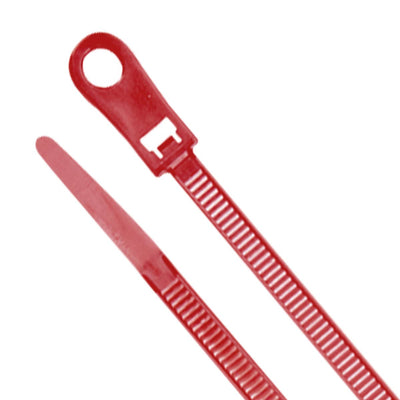
Dottie 8 Inch Air Handling Cable Tie DTP6 (100-Pack)
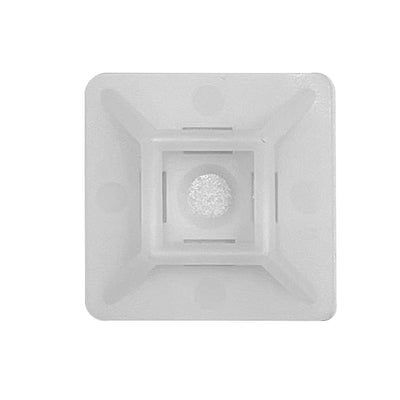
Dottie 1 in x 1 in Cable Tie Mounting Base
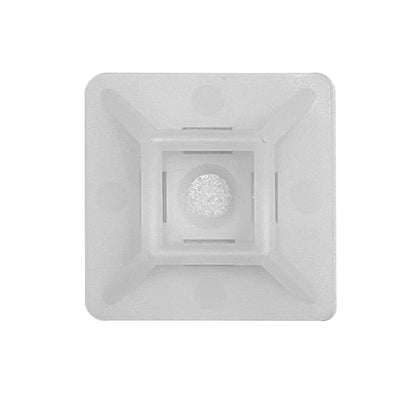
Dottie 3/4 in x 3/4 in Cable Tie Mounting Base
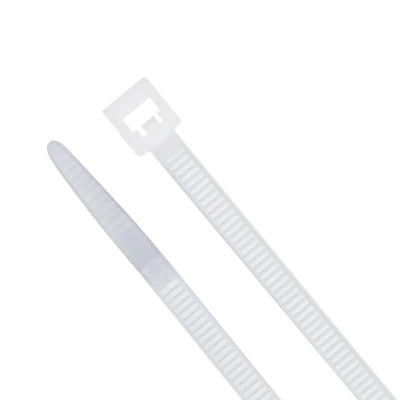
Dottie 11 in Standard Duty Cable Tie
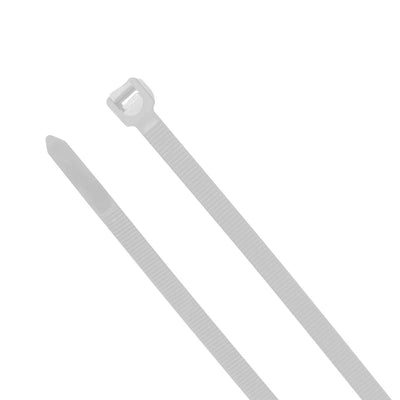
Dottie 14.5 in Heavy Duty Cable Tie
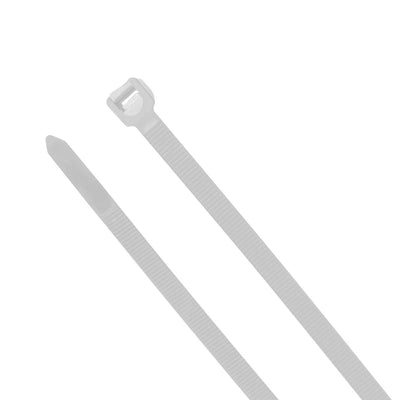
Dottie 24 in Heavy Duty Cable Tie
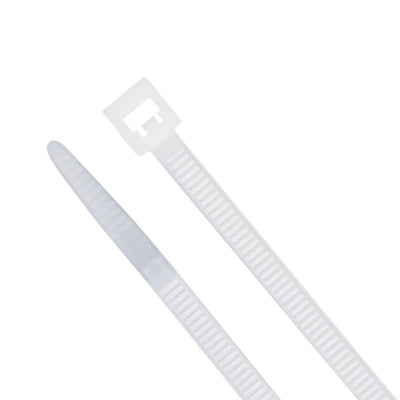
Dottie 14.5 in Standard Duty Cable Tie
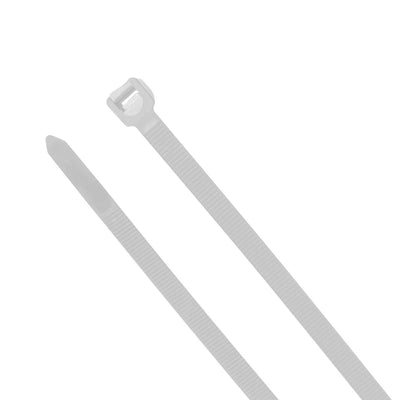
Dottie 30 in Heavy Duty Cable Tie
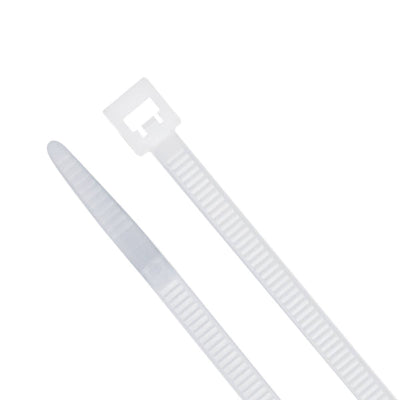
Dottie 4 in Standard Duty Cable Tie
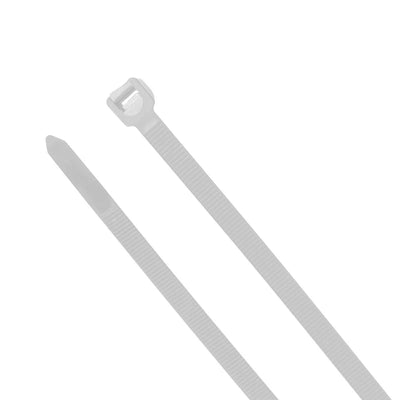
Dottie 21 in Heavy Duty Cable Tie
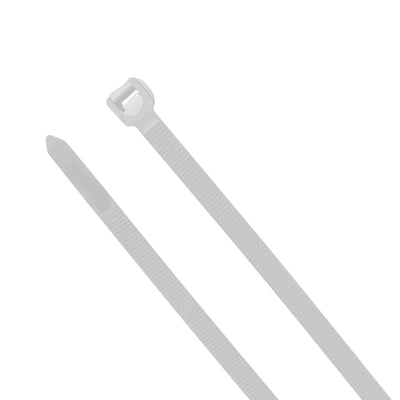
Dottie 48 in Heavy Duty Cable Tie
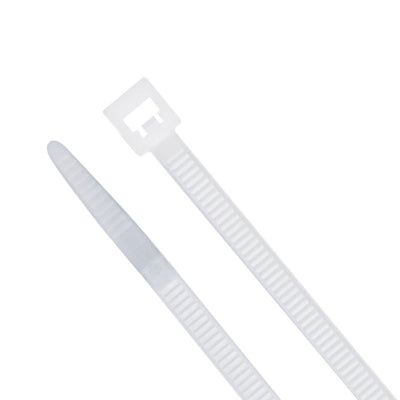
Dottie 6.3 in Standard Duty Cable Tie
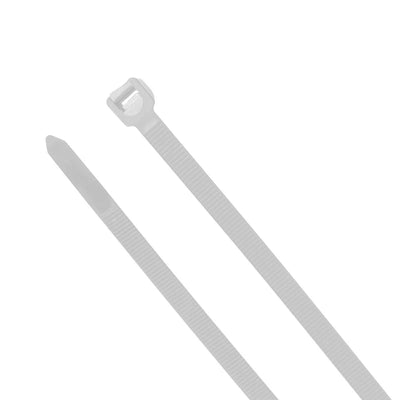
Dottie 36 in Heavy Duty Cable Tie
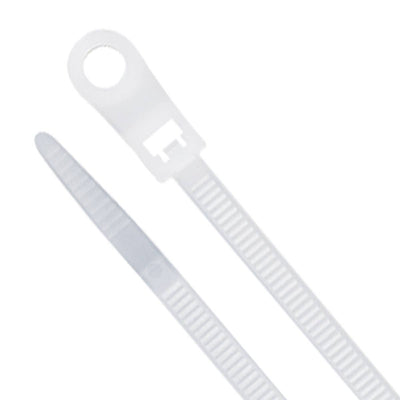
Dottie 8 in Mounting Hole Cable Tie
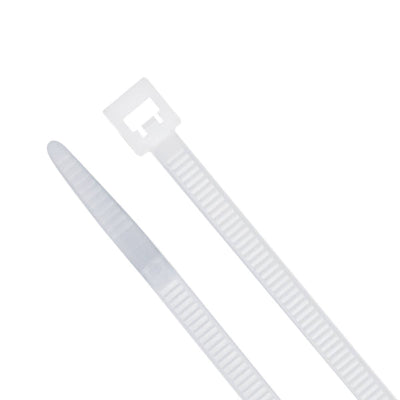
Dottie 8 in Standard Duty Cable Tie
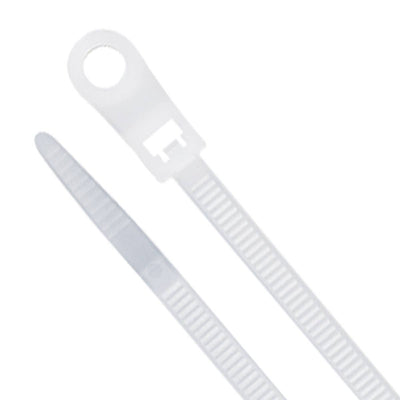
Dottie 15 in Mounting Hole Cable Tie
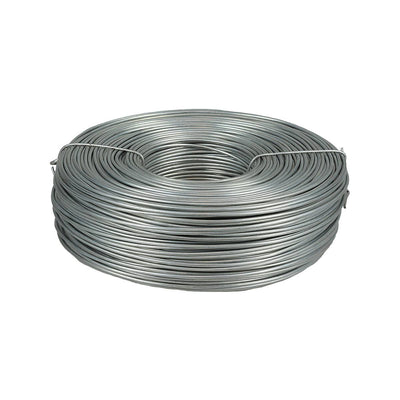
Dottie Galvanized Steel Tie Wire VTYG
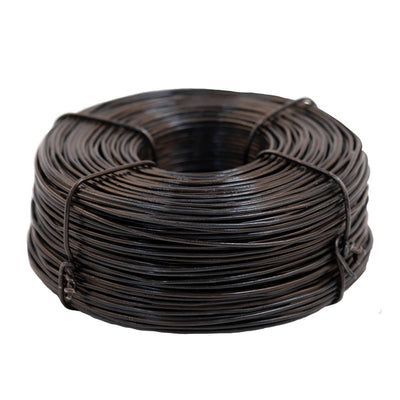
Dottie Black Annealed Steel Tie Wire TY164
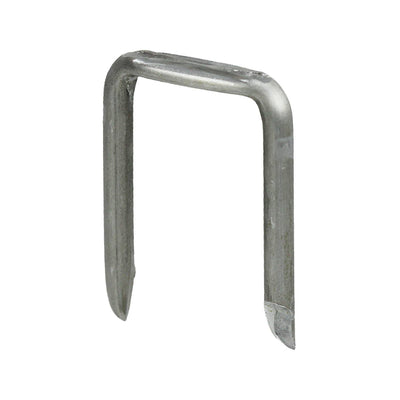
Dottie 13/16 in x 1-3/8 in Service Entrance Cable Staple SEU63 (100-Pack)
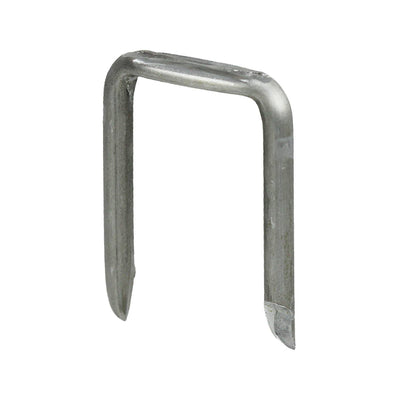
Dottie 1-1/8 in x 1-1/2 in Service Entrance Cable Staple SEU43 (100-Pack)
About Cable Ties
How to Choose Cable Ties for Electrical Wiring and Cable Management
Cable ties hold wire bundles together, but the correct type depends on how the bundle is routed and what the tie is expected to do. An 8-inch tie used to organize wires inside an enclosure isn't the same purchasing decision as a mounting-hole tie fixed to a control panel. Start with the bundle's diameter and location, then check tensile strength, operating conditions, and any installation approvals required for the job. A tie that fits isn't necessarily an appropriate cable support.
Quick Cable Tie Selection Guide
- Control panel wiring: Start with standard-duty nylon ties sized for the actual bundle.
- Large cable bundles: Compare heavy-duty loop tensile ratings and maximum bundle diameter.
- Outdoor installations: Choose ties with manufacturer-confirmed UV resistance.
- Bundles fixed to a panel: Consider mounting-hole ties or compatible mounting bases.
- Air-handling spaces: Verify the required product listing and permitted application.
Cable Tie Sizes: Match Length to Maximum Bundle Diameter
Length is a useful starting point, but the maximum bundle diameter tells you whether a tie will actually fit. Two ties with similar nominal lengths may have different locking-head designs and permitted bundle sizes. Measure around the assembled group of cables before ordering, particularly where connectors, protective sleeves, or cable jackets increase its overall size.
For example, a bundle measuring approximately 2.5 inches in diameter falls within the manufacturer's published 2.76-inch maximum for the DT14B 14.5-inch standard-duty tie has a manufacturer-specified loop tensile strength of 50 lb, while the DT14HB 14.5-inch heavy-duty tie is rated at 120 lb. Both have similar nominal lengths, but the heavy-duty version has a wider strap.
Two Dottie products show why length alone is insufficient. The DT14B 14.5-inch standard-duty tie has a manufacturer-specified loop tensile strength of 50 lb, while the DT14HB 14.5-inch heavy-duty tie is rated at 120 lb. Both have similar nominal lengths, but the heavy-duty version has a wider strap.
For routine conductor organization inside an accessible enclosure, a correctly sized standard-duty tie may be sufficient. A larger bundle exposed to greater handling forces calls for closer evaluation of strap width, locking strength, and environmental suitability.
Don't automatically choose the strongest tie for delicate cables. Excessive installation tension can deform cable jackets or affect sensitive communication cabling. Use the cable manufacturer's handling requirements to determine an appropriate fastening method.
Outdoor and UV-Resistant Cable Ties: Check Material and Ratings
Sunlight exposure changes the purchasing decision. Standard nylon cable ties may deteriorate when used outdoors for prolonged periods unless the material is formulated for ultraviolet exposure. UV-stabilized black nylon is common in outdoor cable management, but black color by itself doesn't establish a UV rating.
Consider two cable bundles on the same commercial building. One runs inside a dry electrical enclosure; the other is exposed to direct afternoon sunlight on rooftop equipment. Even when both bundles have the same diameter, the exposed installation requires a tie with suitable environmental performance.
For outdoor work, check the manufacturer's stated UV resistance, operating temperature range, and suitability for moisture or chemical exposure. If the installation is near hot equipment or subject to low temperatures, also confirm the permitted installation temperature. Operating and installation temperature limits aren't necessarily identical.
Can Nylon Cable Ties Be Used in Plenums?
Some nylon cable ties are listed for air-handling spaces, but the material alone doesn't establish approval. Look for the applicable product listing, such as relevant UL 62275 classifications and manufacturer documentation identifying the permitted use.
A wiring project above a suspended ceiling may involve spaces with different requirements. If the area is used for environmental air handling, specify ties appropriate for that installation and follow the applicable electrical code. Don't assume a standard indoor zip tie is acceptable simply because it is made from nylon.
Mounting-Hole Cable Ties vs. Cable Tie Mounting Bases
Bundling wires and securing those bundles to a surface are separate tasks. A conventional zip tie wraps around cables, but it doesn't provide an attachment point unless it is used with suitable mounting hardware.
A mounting-hole cable tie has an integrated opening for an appropriate screw or rivet. It's useful when the wiring position needs to remain fixed on a control panel, wall, or other approved surface. The mounting fastener and substrate still determine whether the attachment is appropriate.
A separate mounting base provides another arrangement. For example, a Dottie cable tie mounting base can help establish consistent routing points when paired with a compatible tie and fastening method.
For a 36-inch-wide electrical control panel with several distinct wire bundles, using properly positioned attachment points can make future identification and maintenance easier than combining everything into one large bundle.
When the installation requires mechanical fasteners, review suitable screws and bolts. Attachments into masonry or other substrates may require compatible anchors. Confirm mounting dimensions and material suitability before installation.
Using Cable Ties Safely: Bundling Is Not the Same as Supporting
A common installation mistake is treating the tensile rating of a cable tie as proof that it can support a wiring system. The ability to hold a bundle together doesn't automatically make the tie an approved raceway support, structural hanger, or strain-relief device.
Consider a 12-foot run of electrical conduit. Even if a heavy-duty tie can wrap around it, that doesn't establish the correct fastening method or permitted support spacing. Check the requirements for the specific wiring method. Where a dedicated support is necessary, use appropriately selected electrical straps and supports.
Installation tension also matters. Over-tightening can damage conductor insulation, compress communication cables, or make future maintenance difficult. Use a suitable tensioning and cutting tool when needed, and trim the remaining tail without leaving a sharp protruding edge.
For cables entering an enclosure, a tie alone doesn't provide the sealing or strain relief supplied by an appropriately selected cable gland or cord grip. Similarly, tying conductors together doesn't create an electrical connection. Use suitable wire connectors and the required junction boxes for splices and terminations.
Ordering Cable Ties for Electrical Projects
A practical material list should identify the tie size, tensile rating, color or material, mounting method, and quantity for each application. On a project with 200 cable drops, don't assume every location needs the same length or duty rating. Panel organization, exposed routing, and fixed mounting points can require different products.
Check package quantities before ordering. Some standard-duty models are packaged differently from heavy-duty alternatives, so compare the number of ties per pack rather than counting packages alone.
Lumera Electric offers trade accounts for eligible business buyers and project purchasing support. For larger orders, submit your material list through the project quote request page. Include the required part numbers, quantities, environmental conditions, and any specification or listing requirements.
Cable Ties FAQs
What is the difference between standard-duty and heavy-duty cable ties?
Heavy-duty cable ties have higher loop tensile ratings and generally wider straps than standard-duty versions. They're suited to applications requiring greater fastening strength, provided the product is appropriate for the bundle and installation. Length alone doesn't establish strength. Compare the manufacturer's tensile rating, maximum bundle diameter, material, and operating conditions before choosing.
Are black cable ties always UV resistant?
No. Black color alone doesn't guarantee protection against ultraviolet exposure. UV-resistant ties use materials or additives intended to improve performance in sunlight. For exterior wiring, choose a product with manufacturer-confirmed UV resistance and check its operating temperature and environmental limitations. Ordinary indoor ties may deteriorate prematurely under prolonged sun exposure.
What size cable tie should I use for a 3-inch cable bundle?
Choose a cable tie whose published maximum bundle diameter exceeds the actual diameter of your 3-inch bundle. Don't select the tie by length alone. Different locking heads and strap designs can produce different capacities. After confirming the fit, check the required tensile strength and whether the tie is suitable for the installation environment.
Can cable ties be used to support electrical conduit?
Only when the selected product is specifically suitable for that purpose and the installation complies with applicable requirements. An ordinary bundling tie is not automatically an approved conduit support. Some cable ties have additional support classifications, but those must be verified for the exact model. Dedicated raceway supports are generally the clearer choice for conventional conduit installations.
Are nylon zip ties safe for plenum spaces?
Some nylon zip ties are suitable for use in air-handling spaces, but not all are. Look for the manufacturer's applicable listing and installation documentation rather than relying on material or appearance. The permitted application must also agree with the requirements of the specific space and wiring method.
Can cable ties damage electrical or data cables?
Yes. Excessive tightening can damage insulation or deform sensitive communication cables. Use enough tension to organize the bundle without crushing it, and follow the cable manufacturer's bend-radius and installation requirements. For data cabling that requires frequent changes or gentler retention, a reusable hook-and-loop fastening method may be more suitable than a tightly cinched nylon tie.