


NEMA Enclosures
NEMA enclosures in this collection include Type 1 screw-cover boxes for dry indoor spaces and Type 3R models for electrical equipment exposed to rain. Factory-knockout versions suit planned conduit runs, while no-knockout versions provide flexibility for approved field entries. Compare installation exposure, box dimensions, and conduit-entry layout before choosing a SKU. For multi-location projects, prepare a schedule with enclosure types, sizes, and quantities to request a quote.
Showing 1–20 of 97 results
Intermatic Beige Outdoor Electrical Enclosure 2T2485GA

Intermatic Gray Outdoor Electrical Enclosure 2T511GA

Corona Lighting T-LT300 Stainless Steel Enclosure 300W

Corona Lighting T-LT600 Stainless Steel Enclosure 600W

Intermatic Gray Outdoor Electrical Enclosure 2T2500GA
Intermatic Beige Outdoor Electrical Enclosure 2T2502GA

Intermatic Gray Outdoor Electrical Enclosure 2T2331GA

Intermatic Time Switch Enclosure 2T308A
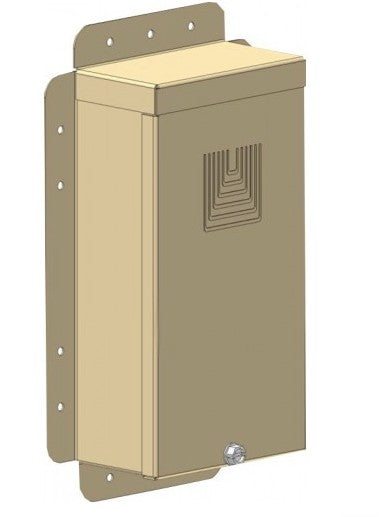
Orbit Single Residence Service Enclosures_blank UM900

Corona Lighting T-LT75 Stainless Steel Enclosure 75W

Corona Lighting T-LT900 Stainless Steel Enclosure 900W

Corona Lighting T-LT150 Stainless Steel Enclosure 150W

Orbit NEMA 3R Screw Cover Enclosure 8 in W x 8 in H x 6 in D 886RNK

Orbit NEMA 3R Screw Cover Enclosure 8 in W x 8 in H x 6 in D 886R

Orbit NEMA 1 Screw Cover Enclosure 8 in W x 8 in H x 6 in D 886NK

Orbit NEMA 1 Screw Cover Enclosure 8 in W x 8 in H x 6 in D 886

Orbit NEMA 3R Screw Cover Enclosure 8 in W x 8 in H x 4 in D 884RNK

Orbit NEMA 3R Screw Cover Enclosure 8 in W x 8 in H x 4 in D 884R

Orbit NEMA 1 Screw Cover Enclosure 8 in W x 8 in H x 4 in D 884NK

Orbit NEMA 1 Screw Cover Enclosure 8 in W x 8 in H x 4 in D 884
About NEMA Enclosures
NEMA Enclosures: Choose Type, Size, and Entry Layout Before Ordering
NEMA enclosures can look identical in product photos while differing in weather protection, usable depth, or where conduit can enter. Those differences determine whether an electrician can complete the installation without cutting an unsuitable opening or replacing the box. This guide focuses on the purchasing checks that product filters alone cannot resolve: exposure limits, internal space, mounting access, and the effect of fittings on the finished assembly. Use it to build an accurate enclosure schedule before ordering.
Quick Picker: Match the Enclosure to the Job
- Dry 8 x 8 x 4-inch control point: Check Type 1 and interior clearance.
- Rain-exposed service wall: Start with Type 3R and confirm the mounting orientation.
- 8 x 8 x 6-inch box with unusual entries: Evaluate a no-knockout model.
- Hose-cleaned equipment bay: Specify a washdown-suitable Type, not Type 3R.
- Single outdoor receptacle: Consider weatherproof electrical boxes instead.
Type 1 vs. Type 3R: Understand the Limits of Rain Protection
A Type 3R enclosure can be appropriate on a 15-foot exterior service wall and still be wrong beside a washdown station. The rating addresses rain, sleet, snow, and external ice formation under specified conditions; it does not promise resistance to windblown dust or hose-directed water. An indoor Type 1 box has still more limited environmental protection.
Decision rule: If cleaning hoses, heavy airborne dust, or corrosive exposure are part of the location, specify the appropriate more protective Type rather than substituting a Type 3R model from this collection. Check the site conditions and the exact product marking before moving to box size.
Factory Knockouts vs. No Knockouts: Plan Conduit Entry Before Purchasing
Two 8 x 8 x 6-inch Orbit models illustrate why the final SKU matters. The Type 3R 886R includes factory knockouts; the otherwise similarly sized 886RNK has none. Factory openings save work when they align with the raceway plan. A blank wall allows openings to be planned around equipment, but does not automatically permit drilling anywhere on the enclosure.
If the available knockouts conflict with the conduit layout, select a no-knockout model and have the installer verify permitted field modifications. Match each raceway connection to suitable electrical fittings and connectors. Record the desired entry locations before choosing the SKU.
Enclosure Depth and Heat: Check the Usable Space Behind the Cover
An 8 x 8 x 4-inch box and an 8 x 8 x 6-inch box share a face size, but they do not offer the same usable depth. The installation needs room for component projection, terminals, conductor bends, fasteners, and cover removal. Outside dimensions are only a starting point; compare the equipment drawing with the enclosure's usable interior measurements.
Heat-producing components make a tight fit more serious. A driver or power supply may have airflow or ambient-temperature limits that a closed housing changes. If the manufacturer's clearance or temperature requirements cannot be met, change the enclosure size or equipment arrangement before purchase. Use the manufacturer's clearance and thermal requirements to confirm the size before ordering.
Screw-Cover Access and Mounting: Leave Room for Service
A 6 x 6 x 4-inch screw-cover box installed immediately beneath a shelf may fit neatly but leave no room to remove the cover screws. Plan the surrounding clearance as carefully as the enclosure footprint. A removable cover works for a point opened occasionally; equipment needing routine adjustment may call for a different access arrangement.
If inspection or adjustment requires frequent entry, choose a suitable alternative closure rather than assuming the screw-cover format will be convenient. Mounting orientation matters as well, especially for the drainage behavior of Type 3R equipment. Have a qualified electrician verify support, grounding and bonding, working clearances, and the manufacturer's installation directions before the layout is finalized.
Cable and Conduit Entries: Protect the Rating of the Finished Assembly
A 10 x 10 x 4-inch outdoor enclosure does not remain suitably weather-protected just because its empty body has a Type marking. Cable entries, connector seals, closure plugs, and mounting details form part of the finished installation. An oversized opening or unsuitable fitting can admit water even when the enclosure body is correctly selected.
If flexible cable enters a rain-exposed box, choose a compatible cable gland or cord grip for the jacket diameter and required protection. Check any restrictions on factory knockouts and field-cut openings; there is no universal rule that every Type 3R box permits the same entry locations. Add the required fitting types to the enclosure schedule.
NEMA vs. IP Ratings: Don't Substitute One Label for the Other
A 12 x 12 x 6-inch enclosure marked IP65 should not be approved for a project calling for NEMA Type 3R solely by converting the numbers. IP ratings address ingress protection against solids and water. NEMA Type designations can also involve requirements relating to conditions such as external ice or corrosion, depending on the Type.
If a drawing specifies a NEMA Type, obtain the product documentation for that Type instead of relying on an IP-only marking. An IP code can be useful supporting information, but it does not establish the complete NEMA classification. Ask for both ratings explicitly when a project specification includes both systems.
Ordering NEMA Enclosures for a Multi-Location Project
For a 24-location retrofit, organize boxes by environment, required Type, dimensions, and knockout configuration. Lumera offers trade accounts for eligible businesses and volume or project quotes. Approved businesses can separately apply for Net-30 credit terms. To coordinate purchasing, submit your enclosure schedule with each location and intended application identified.
Request a Quote for Electrical Enclosures
For a mixed indoor/outdoor package, request a NEMA enclosure quote with product references rather than just a box count. Distinguish similar-looking models with different ratings or knockout patterns. Include:
- Required enclosure Type and quantity by location
- Width, height, depth, and mounting position
- Factory-knockout preference and conduit entry plan
- Exposure to rain, dust, cleaning water, or corrosive conditions
NEMA Enclosure FAQs
What is the difference between NEMA Type 1 and Type 3R?
Type 1 provides basic indoor protection against incidental contact and falling dirt; Type 3R is also intended to protect against rain, sleet, snow, and external ice formation. Type 3R is not automatically dust-tight or hose-down rated. For additional environmental distinctions, see Lumera's NEMA enclosure ratings guide. Specify the required Type on each line of your equipment schedule.
Can a Type 3R enclosure be used in a washdown area?
No. Type 3R addresses defined weather exposure but not direct hose-down or aggressive chemical cleaning. Type 4 is commonly considered for hose-directed water, while Type 4X includes corrosion resistance; neither should be assumed to be available in this collection. Check how the area is cleaned and specify the required rating instead of treating all outdoor enclosures as interchangeable.
Should I choose an enclosure with knockouts or without them?
Choose factory knockouts when their positions and trade sizes match your conduit plan; choose a no-knockout model when approved field openings need more flexibility. For example, Orbit 886R has factory knockouts and 886RNK does not. A blank enclosure is not permission for unrestricted drilling. Confirm mounting orientation, fitting suitability, and permitted modifications in the manufacturer's instructions.
Is an IP65 enclosure the same as NEMA Type 3R or Type 4X?
No. An IP65 marking does not establish either NEMA Type. IP testing evaluates solid-object and water ingress, while NEMA Types may include additional environmental criteria. Similar water-protection descriptions do not make ratings interchangeable. Lumera's NEMA vs. IP ratings comparison explains the distinction. Purchase to the exact Type stated in the project specification.
Do I need a NEMA equipment enclosure or a junction box?
Choose an equipment enclosure when the installation needs room for components, their wiring, and service access; consider junction boxes and enclosures when the task is primarily a splice or pull point. These uses can overlap, so the correct product still depends on conductor space, the required environmental rating, and applicable electrical code. Start with what must fit inside.