


Junction Boxes & Enclosures
Electrical junction boxes and enclosures in this collection cover wiring splice and pull points, along with low-profile housings and integrated driver-box assemblies for LED lighting. Standard boxes provide space for protected connections, while dedicated driver enclosures accommodate compatible lighting power supplies. Choose by the intended contents, required internal dimensions, and installation environment. Check cover access, cable-entry requirements, and whether a driver is included before selecting the complete assembly.


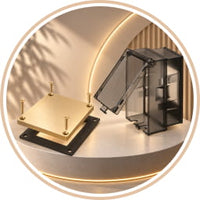
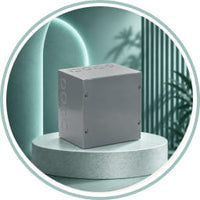
Showing 1–20 of 227 results
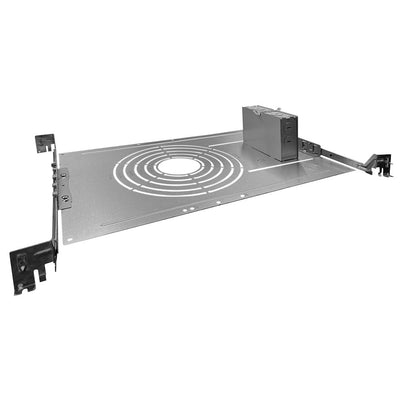
EnVision CUNV-NC-RI-J-JBX – 4" 6" 8" 10" CADM or CMD Round w/ J-Box
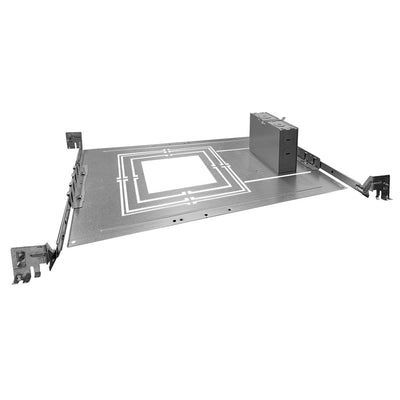
EnVision CUNV-NC-SQI-J-JBX – 4" 6" 8" CADM Square w/ J-Box

EnVision JBX-EXT-6'-2PIN – 6' Extension Cable for fixture to J-Box
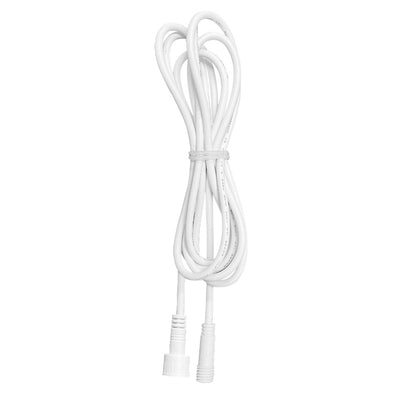
EnVision JBX-EXT-12'-2PIN – 10' Extension Cable for fixture to J-Box

EnVision JBX-EXT-6'-TRI – 6' Extension Cable for fixture to J-Box
EnVision JBX-EXT-10'-2PIN – 10' Extension Cable for fixture to J-Box

EnVision JBX-EXT-10'-TRI – 10' Extension Cable for fixture to J-Box

Nora Lighting NUA-802B Junction Box for NUD-88 & NUDTW-88, Finish
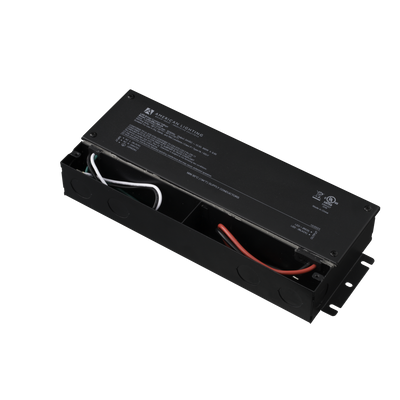
LED-DRJ-60-24 LED-DRJ Series 24V DC, 60W, Non-Dimmable LED Driver w/junction box
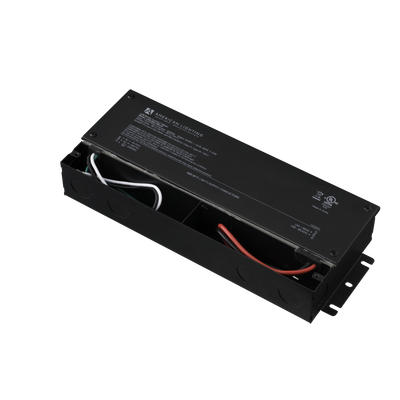
LED-DRJ-30-24 LED-DRJ Series 24V DC, 30W, Non-Dimmable LED Driver w/junction box

LED-DRJ-60-12 LED-DRJ Series 12V DC, 60W, Non-Dimmable LED Driver w/junction box
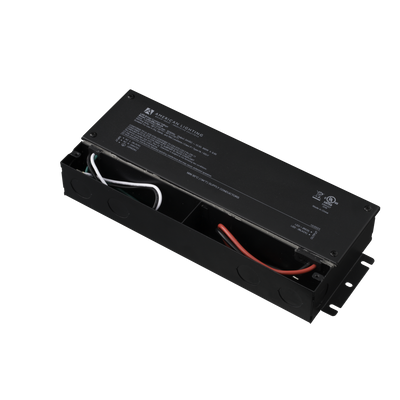
LED-DRJ-300-24 LED-DRJ Series 24V DC, 300W, Non-Dimmable LED Driver w/junction box

LED-DRJ-192-24 LED-DRJ Series 24V DC, 192W(2x96W), Non-Dimmable LED Driver w/junction box

LED-DRJ-96-24 LED-DRJ Series 24V DC, 96W, Non-Dimmable LED Driver w/junction box

LED-DRJ-288-24 LED-DRJ Series 24V DC, 288W(3x96W), Non-Dimmable LED Driver w/junction box
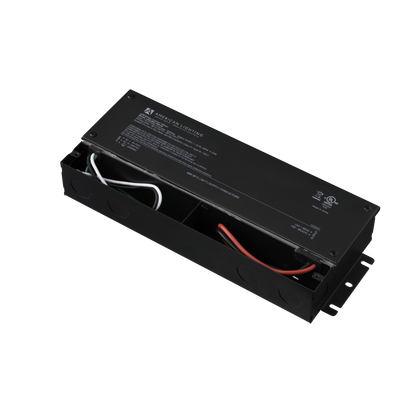
LED-DRJ-30-12 LED-DRJ Series 12V DC, 30W, Non-Dimmable LED Driver w/junction box

LED-DRJ-150-24 LED-DRJ Series 24V DC, 150W, Non-Dimmable LED Driver w/junction box
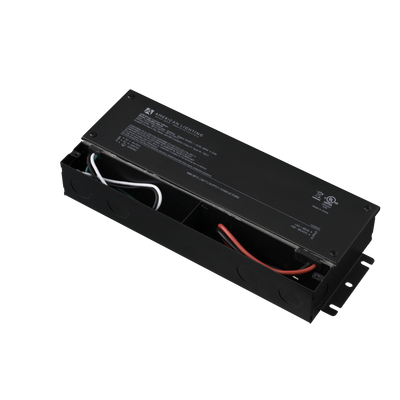
LED-DRJ-200-24 LED-DRJ Series 24V DC, 200W, Non-Dimmable LED Driver w/junction box

LED-DRJ-100-12 LED-DRJ Series 12V DC, 100W, Non-Dimmable LED Driver w/junction box
24V Dc, 60W, Class 2 Dimmable Led Micro Driver W/Junction Box
About Junction Boxes & Enclosures
How to Choose Electrical Junction Boxes and Enclosures
Electrical junction boxes and enclosures must provide enough space for the wiring or equipment inside while remaining suitable for the installation environment. An enclosure used for branch-circuit splices has different requirements from a large-conductor pull point or a low-profile LED driver assembly. Before selecting a box, identify its purpose, conductor sizes, raceway entries, and mounting location. Check the required cover and environmental protection as part of the same decision. A box that physically fits the equipment isn't necessarily large enough or approved for the electrical installation.
Quick Junction Box Selection Guide
- Branch-circuit splices: Choose a listed box with adequate conductor fill volume and a compatible cover.
- Large-conductor raceway pulls: Determine the required dimensions from the conductor sizes and pull arrangement.
- Switch or receptacle installation: Compare electrical device and outlet boxes.
- Outdoor wall connection: Check appropriately rated weatherproof electrical boxes.
- Industrial control equipment: Review NEMA-rated electrical enclosures for the required protection level.
- LED strip lighting power supply: Check a compatible driver enclosure or driver-with-box assembly.
Junction Boxes vs. Pull Boxes: Choose by Wiring Function
Junction boxes and pull boxes are often similar in appearance, but their primary functions influence how they are sized and installed.
A junction box provides a protected location for conductor splices, taps, or other permitted wiring connections. A pull box primarily provides access and bending space where conductors pass through raceways. A properly sized pull box may also contain splices when the applicable requirements are satisfied; the two functions aren't mutually exclusive.
Consider a warehouse electrical run with several conduit bends. A pull box may be needed to make conductor installation practical and prevent damage during pulling. By contrast, a connection point serving several lighting branches requires adequate space for the permitted splices and connectors.
Selection rule: If conductors are joined inside the enclosure, account for the splice requirements. If large conductors change direction or pass through the box, evaluate the applicable pull-box sizing rules.
For raceway access without the need for a conventional junction box, certain installations may use appropriately sized and listed conduit bodies. Confirm their permitted conductor capacity and application before substituting one for a box.
Junction Box Sizing: NEC Box Fill and Pull Box Dimensions
Box sizing is one of the most important checks before ordering. An enclosure can have adequate mounting space yet still be too small for the conductors and connections inside.
Box Fill for Smaller Conductors
NEC 314.16 provides box-fill requirements for common branch-circuit installations using conductors 6 AWG and smaller. The calculation accounts for conductor sizes, conductor quantities, internal clamps, equipment grounding conductors, and devices where applicable.
For example, a box holding several 12 AWG conductors and their splices must have sufficient listed volume for the required conductor allowances. An enclosure's exterior dimensions alone don't establish that capacity.
Pull Box Sizing for Larger Conductors
For installations covered by NEC 314.28, involving conductors 4 AWG or larger, enclosure dimensions depend on the conductor routing and raceway trade sizes.
- Straight pulls: The required box length is generally at least eight times the trade size of the largest raceway.
- Angle and U-pulls: The applicable distance generally starts at six times the largest raceway in a row, plus the trade sizes of other raceways in that row where required.
- Splices and terminations: Additional bending-space and installation requirements may apply.
For example, a straight pull involving 4 AWG-or-larger conductors in a 2-inch raceway generally requires a minimum 16-inch box dimension along the pull direction, subject to the applicable code provisions and exceptions.
Before ordering: Have the electrician verify the calculation against the locally adopted NEC edition. Don't size every electrical box using the same cubic-inch or raceway multiplier rules.
Indoor vs. Outdoor Electrical Enclosures: NEMA Ratings Explained
An enclosure's location determines the protection it needs against dirt, moisture, and other environmental conditions. A general indoor box should not be substituted for an outdoor enclosure simply because the dimensions match.
Common enclosure classifications include:
- NEMA 1: General indoor protection against incidental contact and falling dirt.
- NEMA 3R: Indoor or outdoor protection against falling rain, sleet, snow, and specified effects of external icing.
- NEMA 4: Protection against windblown dust, splashing water, and hose-directed water under specified conditions.
- NEMA 4X: NEMA 4-type environmental protection with additional corrosion-resistance requirements.
- NEMA 12: Indoor protection against circulating dust, lint, fibers, and specified noncorrosive liquid exposure.
For an electrical connection on an exposed building wall, a properly installed NEMA 3R enclosure may be appropriate. A food-processing washdown area can require a different protection level because water may be directed at the enclosure.
NEMA and IP ratings use different classification systems. An IP rating should not automatically be treated as equivalent to a specified NEMA enclosure type.
Always confirm the exact product's rating and the complete installed assembly, including covers, fittings, and cable entries.
Metal vs. Nonmetallic Junction Boxes: Material and Cover Selection
Enclosure material affects mechanical strength, corrosion resistance, grounding requirements, and installation compatibility.
Steel boxes are common in indoor and industrial electrical installations where mechanical durability is important. Nonmetallic enclosures made from suitable PVC or fiberglass materials can provide corrosion resistance in environments where ordinary steel may deteriorate.
For example, a junction box in a dry electrical room has different material requirements from a connection point exposed to irrigation water, salt air, or industrial cleaning chemicals.
Metal enclosures must be properly bonded where required. Nonmetallic boxes require suitable grounding arrangements for the wiring system and any associated metal components.
Cover construction is another consideration. Screw covers suit wiring points that need occasional inspection, while hinged covers may be more practical when authorized personnel regularly access controls or terminal connections.
For replacement covers, matching openings, or additional installation hardware, review compatible electrical box covers and rings. Confirm the exact box dimensions and environmental rating before choosing a cover.
Low-Profile LED Driver Enclosures: Empty Boxes vs. Driver Assemblies
Some products in this category serve LED lighting power supplies rather than ordinary branch-circuit splice applications. Low-profile driver enclosures can provide an organized location for compatible drivers used with LED tape, ribbon, and other low-voltage lighting systems.
Lumera's assortment includes American Lighting LED-DRJ driver-with-junction-box products and Diode LED enclosure solutions. These configurations must be selected according to the exact manufacturer's specifications rather than treated as interchangeable empty boxes.
Consider a 24V LED tape lighting installation inside a commercial display. A compatible driver-with-box assembly may simplify the material list, while an empty enclosure requires a separately specified driver and its associated components.
Before ordering, check the following:
- Included components: Determine whether the enclosure contains a driver or is supplied empty.
- Electrical compatibility: Match input voltage, output voltage, and the required AC or DC characteristics.
- Driver capacity: Verify the connected lighting load against the approved driver rating.
- Internal clearance: Follow the manufacturer's mounting and heat-management requirements.
- Environmental suitability: Confirm whether the complete assembly is approved for the intended location.
A 12V LED driver cannot be substituted for a 24V driver merely because the enclosures are the same size. Likewise, an enclosure that physically accommodates a power supply is not necessarily approved for that combination.
If the project requires a separate power supply, compare suitable LED drivers and power supplies and follow the specified installation instructions.
Electrical Junction Box Fittings, Covers, and Cable Entries
An enclosure installation isn't complete until the wiring entries, internal connections, and cover are properly specified. A correctly rated box can lose its intended environmental protection through incompatible entry fittings or unsealed openings.
For example, a NEMA 3R box installed beside a loading dock needs suitable conduit entries and covers for the installed orientation and exposure. A standard dry-location connector may not be appropriate where the connection is exposed to rain.
Conduit connections require fittings identified for the raceway type, trade size, and environment. Lumera's conduit fittings and connectors category provides related components for raceway-to-box connections.
Flexible cables entering certain equipment enclosures may require appropriately rated cable glands and cord grips to provide cable retention or environmental sealing.
Inside the box, select wire connectors and splicing components according to conductor material, gauge, quantity, and electrical requirements.
Selection rule: Treat the box, cover, fittings, and internal wiring connections as one installation. Verify component compatibility before ordering rather than assuming that a suitable enclosure automatically makes every attached fitting acceptable.
Junction Box Installation: Accessibility, Mounting, and Grounding
Junction boxes must remain accessible as required by the applicable electrical code. A box installed above a removable suspended ceiling may remain accessible, while one concealed behind finished drywall without an approved access method creates a maintenance and code-compliance problem.
Consider a renovation involving twelve ceiling junction points. Plan their locations before closing the ceiling so future electricians can inspect connections without damaging finished surfaces.
Secure the enclosure using the manufacturer's approved mounting arrangement. Confirm that the supporting structure, mounting hardware, conductor entries, and grounding or bonding method are appropriate for the installation.
Electrical work involving building wiring should be completed by a qualified electrician in accordance with the locally adopted code and the manufacturer's instructions.
Ordering Junction Boxes and Enclosures for Electrical Projects
For a multi-location installation, prepare an enclosure schedule instead of ordering every box by approximate outside dimensions.
Include the following details:
- Junction, pull, equipment, or LED driver enclosure application
- Required box dimensions and conductor-fill calculations
- Conductor sizes, quantities, and raceway entry positions
- Enclosure material and required environmental rating
- Cover style and mounting requirements
- Compatible connectors, glands, or conduit fittings
- Driver and electrical component requirements, where applicable
Eligible business buyers can review Lumera Electric's trade account options when planning recurring electrical purchases.
For larger installations or projects involving several enclosure configurations, request a project quote with the required part numbers, quantities, and electrical specifications.
Junction Boxes & Enclosures FAQs
What is the difference between a junction box and a pull box?
A junction box primarily provides a protected location for electrical splices and connections, while a pull box provides access and space for pulling conductors through raceways. A suitably sized pull box may also contain splices when permitted. The correct enclosure dimensions depend on conductor size, wiring arrangement, and the applicable electrical code requirements.
How do I calculate the required junction box size?
For common branch-circuit applications using conductors 6 AWG and smaller, NEC 314.16 generally determines the required box-fill volume. For installations involving conductors 4 AWG or larger, NEC 314.28 provides applicable dimensional requirements. Straight pulls generally use an eight-times-raceway rule, while angle and U-pulls use a different calculation. The exact installation must be evaluated under the locally adopted code.
What is the difference between NEMA 3R and NEMA 4X enclosures?
NEMA 3R provides protection against falling rain and other specified outdoor conditions. NEMA 4X adds protection against hose-directed water, windblown dust, and corrosion under its applicable test requirements. They are not interchangeable in every environment. Select the enclosure rating according to the site's exposure conditions and the requirements of the installed equipment.
Can an LED driver be installed inside a regular electrical junction box?
Only when the driver, enclosure, and complete installation are approved for that arrangement. The box must provide adequate space, suitable electrical connections, and any required ventilation or thermal clearance. A driver should not be placed inside an arbitrary box simply because it fits. Manufacturer-approved driver enclosures and integrated driver-box assemblies can simplify compatibility decisions.
Can a junction box be hidden behind drywall?
Generally, no. Junction boxes containing wiring connections must remain accessible as required by the electrical code. Covering an ordinary junction box behind finished drywall can prevent inspection and maintenance. Where an installation requires concealed electrical equipment, use an assembly and access arrangement specifically permitted for that application. Plan access before closing walls or ceilings.
Are metal or PVC junction boxes better for outdoor use?
Neither material is universally better. The correct choice depends on the required enclosure rating, wiring method, environmental exposure, and mounting conditions. Properly rated nonmetallic boxes resist many forms of corrosion, while suitable metal enclosures provide mechanical durability and may offer specific grounding or bonding arrangements. Confirm the complete product listing rather than choosing by material alone.