


EMT Fittings
EMT fittings include set-screw and compression connectors for terminating electrical metallic tubing at boxes, matching couplings for extending runs, and listed raintight options for exposed connections. Transition fittings accommodate a change to another wiring method, while straps and conduit bodies address support or pull access. Compare connection purpose, exposure, and tubing trade size before selecting a fitting. For repeated installations, group part numbers and quantities by run when requesting project pricing.
Showing 561–575 of 575 results

EMCOD EMT300SS-22E Economy Multi-Tap Landscape Transformer 300W 12V-22VAC

EMCOD EMT900SS-E Economy Multi-Tap Landscape Transformer 900W 12V-15VAC

EMCOD EMT600SS-E Economy Multi-Tap Landscape Transformer 600W 12V-15VAC

EMCOD EMT300SS-E Economy Multi-Tap Landscape Transformer 300W 12V-15VAC
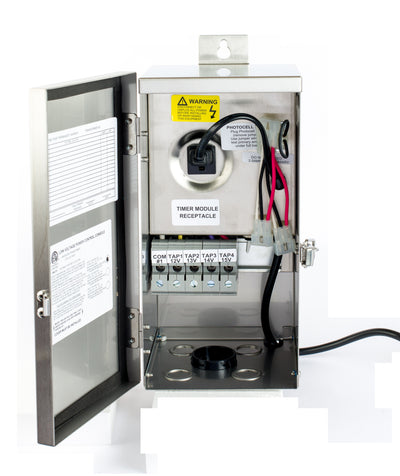
EMCOD EMT150SS-E Economy Multi-Tap Landscape Transformer 150W 12V-15VAC

Dottie 3/4 in EMT Plastic Bushing EMTB75 (50-Pack)

Dottie 1/2 in EMT Plastic Bushing EMTB50 (100-Pack)

Dottie 4 in EMT Plastic Bushing EMTB400 (25-Pack)

Dottie 3-1/2 in EMT Plastic Bushing EMTB350 (25-Pack)

Dottie 3 in EMT Plastic Bushing EMTB300 (25-Pack)

Dottie 2-1/2 in EMT Plastic Bushing EMTB250 (25-Pack)

Dottie 2 in EMT Plastic Bushing EMTB200 (25-Pack)

Dottie 1-1/2 in EMT Plastic Bushing EMTB150 (25-Pack)

Dottie 1-1/4 in EMT Plastic Bushing EMTB125 (25-Pack)

Dottie 1 in EMT Plastic Bushing EMTB100 (25-Pack)
About EMT Fittings
How to Choose EMT Fittings: Match the Connection, Location, and Trade Size
EMT fittings connect unthreaded electrical metallic tubing to boxes, join lengths, and complete a metallic raceway system when installed as listed. A 20-foot corridor run has a different material takeoff from one with several enclosures, and an exposed outdoor joint needs different approvals from a dry indoor one. This guide helps you select connectors, couplings, specialty fittings, and support hardware without confusing similar-looking parts. Follow the connection function, environment, and actual routing before assigning quantities.
Quick Picker: Which EMT Fitting Does the Job Need?
- Two 10-foot EMT sections: count a coupling at the straight joint.
- 3/4-inch tubing entering a panel: select an EMT connector matched to the knockout.
- Rain-exposed box entry: coordinate listed fittings with weatherproof electrical boxes.
- 90-degree pull-access point: check suitable conduit bodies and condulets.
- 2-inch EMT at a conductor entry: review conduit and grounding bushings.
- Exposed ceiling run: count compatible straps and supports.
EMT Connectors vs. Couplings: Count Terminations and Joints Separately
A connector doesn't perform the same job as a coupling. On a 20-foot straight run made from two 10-foot EMT sections between two junction boxes, you normally need one coupling at the middle joint and one connector at each box entry. The connector terminates tubing at an enclosure; a coupling joins two pieces of tubing. Neither substitutes for the other.
If a material takeoff counts only boxes, it will miss the joints between conduit lengths. Mark each tube-to-tube joint and every box entry separately, then assign fittings by trade size. When the enclosure is also being replaced, check compatible electrical device and outlet boxes before finalizing knockout requirements.
Set-Screw vs. Compression EMT Fittings: Check the Location Listing
A 3/4-inch EMT branch above a dry stockroom ceiling faces different conditions from a run reaching an exposed loading dock. Set-screw fittings grip tubing with screws; compression fittings tighten a gland around it. The mechanism describes the connection, not its entire environmental rating. Ordinary compression does not automatically mean raintight, and some set-screw products have specific concrete-tight listings.
Decision rule: If rain or other wet-location exposure reaches the joint, use a fitting specifically identified for that exposure and follow its sealing instructions. For concrete encasement, confirm the separate concrete-tight marking. Don't treat these descriptions as interchangeable when approving substitutions.
EMT Trade Size and Insulated Throats: Protect the Conductor Entry
EMT trade size is a nominal designation, not the tubing's measured inside or outside diameter. A 1-inch EMT connector must match 1-inch EMT and the intended enclosure entry. On a 2-inch feeder stub, throat protection also matters: a listed insulated-throat connector or suitable bushing can reduce abrasion where conductors pass a metal edge. Neither accessory changes the permitted number of conductors.
If you're replacing an unidentified fitting, record its stamped trade size and throat configuration rather than choosing by appearance. Calculate raceway fill from conductor sizes and the applicable rules. Then verify the fitting's size, knockout compatibility, and installation drawing before ordering.
Offset and Transition EMT Fittings: Match Both Sides of the Connection
An offset connector can help a 3/4-inch EMT run reach a box knockout that doesn't line up with the tubing. A transition to rigid conduit or MC cable is a different problem: an ordinary EMT coupling cannot simply connect unlike wiring methods. Combination fittings are made for identified pairs of raceways, and the approved connection depends on the product listing.
Where the drawing changes from EMT to another wiring method, select a transition fitting listed for both sides instead of combining unrelated parts of the same nominal size. For the other raceway components, review electrical fittings and adapters. Note the changeover position and complete fitting code on your schedule.
EMT Conduit Bodies and Bend Limits: Leave Accessible Pull Points
A 1-1/4-inch EMT run through a narrow service corridor can accumulate several bends before reaching the next junction box. Under common NEC requirements, the total bends between pull points must not exceed 360 degrees, including offsets. The job may need additional pull access even before that limit is reached. EMT conduit bodies marked LB, LL, LR, or C differ in entry arrangement and access direction.
If the route exceeds the permitted bend total, revise it or provide a suitable accessible pull point before buying fittings. Check conductor space, product instructions, and cover-removal clearance. An access cover blocked by finished equipment won't help the installation crew.
EMT Straps, Bonding, and Materials: Finish the Raceway System
A 36-foot exposed run can require several supports even though it has only two end connectors. NEC Article 358 generally requires EMT to be securely fastened at intervals no greater than 10 feet and within 3 feet of termination points, subject to its exceptions and the locally adopted code. Support spacing must also suit the installation surface and hardware.
Properly installed metallic EMT may serve as an equipment grounding conductor where permitted, but continuity depends on listed connections and appropriate bonding. If the project relies on the raceway as the grounding path, have the electrician confirm the fittings, knockouts, and any additional bonding provisions. Record strap sizes, mounting surfaces, and material or corrosion requirements alongside the connector takeoff.
Ordering EMT Connectors and Couplings for a Project
For a 12-run tenant improvement, separate connectors, couplings, conduit bodies, transitions, and straps by trade size, location rating, and package unit. Lumera offers trade accounts for eligible businesses with volume and project quotes. Approved trade customers can also apply for Net payment terms. Use individual SKU descriptions to avoid confusing carton quantities with piece counts.
Request a Quote for EMT Fittings
For several raceway sizes or repeated installations, request an EMT fittings project quote with a run-by-run takeoff. Include:
- EMT trade sizes and the number of box entries and tubing joints
- Set-screw, compression, raintight, or concrete-tight requirements
- Insulated throats, conduit bodies, transitions, and support hardware
- Preferred SKUs and quantities in pieces or cartons
A clear schedule helps separate lookalike parts that are not approved for the same conditions.
EMT Fittings FAQs
What is the difference between an EMT connector and an EMT coupling?
An EMT connector secures a section of tubing to a box or enclosure, while a coupling joins two sections of tubing to each other. A straight 20-foot run made from two 10-foot sections usually needs one coupling at the middle joint, plus connectors where it enters boxes. Count these functions separately to avoid missing fittings on a takeoff.
Are all compression EMT fittings raintight?
No. Compression describes how a fitting grips the tubing; it doesn't guarantee a raintight seal. Products intended for wet locations have their own identification and installation requirements, including sealing details at enclosure entries. Concrete-tight is also a distinct designation. For outdoor work, select the specific raintight-listed product rather than assuming an ordinary compression connector is adequate.
Can EMT conduit and its fittings be used outdoors?
Yes, where the raceway and fittings are permitted and protected for the actual environmental conditions. Outdoor EMT connections exposed to water need appropriately listed fittings and compatible enclosure entries; corrosion resistance also matters. Do not substitute a dry-location set-screw part for a required raintight fitting. Lumera's guide to electrical conduit types explains the broader installation differences.
Can EMT serve as the equipment grounding conductor?
Yes. Properly installed EMT is recognized as an equipment grounding conductor in permitted installations, provided the raceway system maintains effective electrical continuity. Loose fittings, unsuitable enclosure connections, or corrosion can compromise that path. Additional bonding measures may be necessary under specific conditions. For a comparison with other wiring methods, see EMT vs. PVC vs. rigid conduit.
Can EMT be connected to rigid conduit or MC cable?
Yes, but the connection requires a fitting specifically listed for the two wiring methods involved. A standard EMT-only coupling is not a substitute for a rigid-to-EMT adapter or an EMT-to-MC combination fitting. Match trade size, cable or conduit type, and location rating. For other raceway families, see the broader conduit fittings and connectors selection.
Does concrete-tight mean an EMT fitting is also raintight?
No. Concrete-tight identifies suitability for concrete encasement under the product's listing and installation conditions; raintight addresses water exposure. Those markings are not synonyms. A fitting can have one designation without the other, so read the exact manufacturer's specifications before ordering. When a job includes both environments, verify each required rating independently rather than choosing only by connector style.