


Wire & Cord
Electrical wire and cable should be selected by wiring method before gauge alone. THHN/THWN-2 conductors work as part of raceway systems, while NM-B, UF-B, and MC cable serve different construction methods and installation environments. Start with the required wire or cable type, then match conductor size, material, and location rating to the circuit and equipment. For larger cut lists or repeated project quantities, confirm the complete specification before requesting pricing.
Showing 141–160 of 332 results

Lutron GRAFIK 6-Conductor Control Cable, Non-Plenum Rated (GRX-CBL-46L-250)

Morris 89231 Dryer Cord, 30A 4-Wire, 10/4 SRDT, 4 ft (NEMA 14-30P)

MW Lighting MUC-EC-6IN Extension Cable

Morris 89238 Range Cord, 50A 4-Wire, 6/2+8/2 SRDT, 6 ft (NEMA 14-50P)

Morris 89236 Range Cord, 50A 4-Wire, 6/2+8/2 SRDT, 4 ft (NEMA 14-50P)
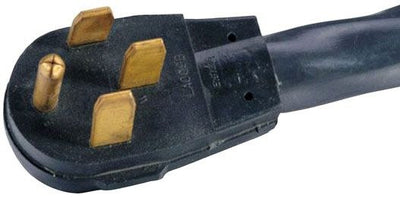
Morris 89237 Range Cord, 50A 4-Wire, 6/2+8/2 SRDT, 5 ft (NEMA 14-50P)
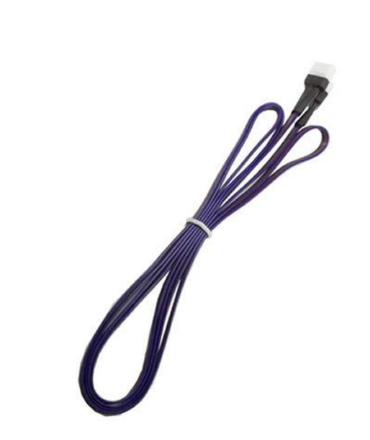
Diode LED CLICKTIGHT Bending Extension: DRGB, 48 in (DI-0892)
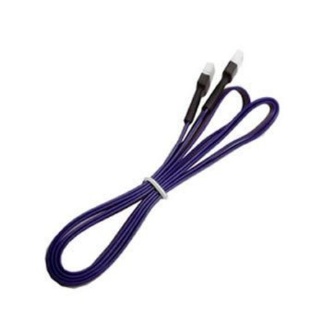
Diode LED CLICKTIGHT RGB Tape Light 24 in Flexible Extension, 25 Pack (DI-0891-25)
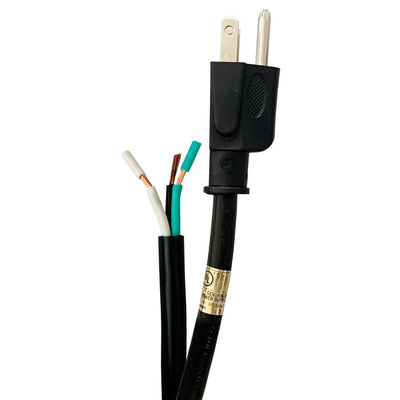
Morris 89223 Replacement Power Supply Cord, 14/3, 6 ft, 15A, Black
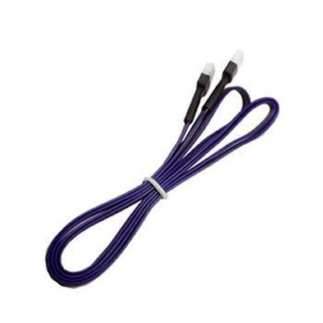
Diode LED CLICKTIGHT RGB Tape Light 24 in Flexible Extension, 5 Pack (DI-0891-5)
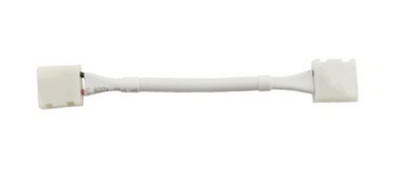
Diode LED CLICKTIGHT Bending Extension: UB/VA - White, 3 in, 2464 Wire, 25 Pack, 25 Pack (DI-CKT-3BX10-25)
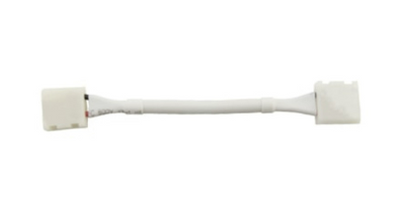
Diode LED CLICKTIGHT Bending Extension: UB/VA - White, 12 in, 2464 Wire (DI-CKT-12BX10)

MW Lighting MUC-EC-12IN Extension Cable
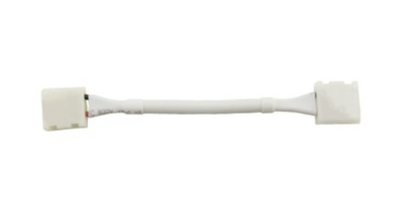
Diode LED CLICKTIGHT Bending Extension: AV/BL/FV - White, 12 in, Diode Window, 2464 Wire (DI-CKT-12BX8)

Diode LED CLICKTIGHT Bending Extension: DRGB, 24 in (DI-0891)
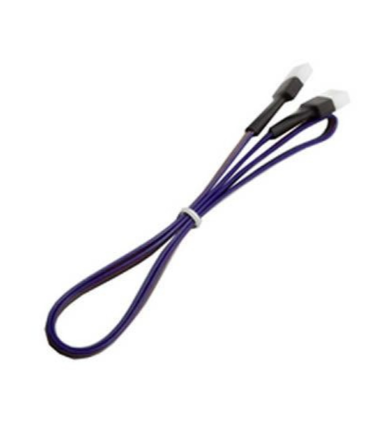
Diode LED CLICKTIGHT RGB Tape Light 12 in Flexible Extension, 25 Pack (DI-1091-25)

Diode LED CLICKTIGHT Bending Extension: DRGB, 6 in (DI-1090)

Diode LED CLICKTIGHT Bending Extension: DRGB, 3 in (DI-0890)

MW Lighting M3FTCABLE Extension Cable

MW Lighting M10FTCABLE Extension Cable
About Wire & Cord
How to Choose Electrical Wire and Cable for the Wiring Method
Electrical wire and cable selection starts with the wiring method, not with gauge alone. A conductor pulled through raceway, a jacketed cable routed through framing, and a cable installed in a wet or underground location can require different product types even when the conductor size is identical. Before ordering, identify the circuit requirements, installation environment, conductor material, cable or insulation designation, number of conductors, and termination requirements. Then confirm gauge and length against the complete installation.
- A conduit run using individual conductors should be coordinated with the correct EMT fittings.
- Flexible cable entering equipment may require properly sized cable glands and cord grips.
- Runs that include splices or pull points need suitable junction boxes and enclosures.
Choose the Wiring Method Before Choosing Wire Gauge
The same AWG size can appear in several wiring methods without making those products interchangeable. Individual THHN/THWN-2 conductors are installed as part of an approved raceway system, while NM-B, UF-B, and MC are cable assemblies with their own construction and permitted-use requirements. On a 120-ft conduit run, for example, individual conductors and the raceway have to be selected as one system.
Decision rule: establish the permitted wiring method and installation environment first; only then choose the conductor size within that system. This avoids ordering the right gauge in the wrong cable or insulation family.
Wire Gauge and Ampacity Depend on More Than the AWG Number
AWG identifies conductor size, but it does not by itself establish how much current a conductor may carry in every installation. Conductor material, insulation or cable type, termination temperature ratings, ambient temperature, the number of current-carrying conductors, and other installation conditions can affect allowable ampacity.
A 20-amp branch circuit illustrates the problem with choosing wire from a familiar number alone: the complete wiring method still matters. Decision rule: determine conductor size from the circuit design and applicable ampacity requirements rather than assuming that one AWG-to-breaker pairing applies universally. Long runs also need a separate voltage-drop check.
Match the Cable or Insulation Type to Dry, Wet, and Underground Locations
Environment can eliminate an otherwise suitable product immediately. NM-B is a dry-location wiring method, while UF-B is designed for applications that may include wet locations or direct burial when installed within its listing. Individual conductors used in raceway need the appropriate wet- or dry-location rating for the conditions inside that raceway. MC cable requirements depend on the exact cable construction and listing.
For a 50-ft exterior run, don’t choose a cable because its jacket looks more durable. If the location is wet, underground, exposed, or subject to another environmental condition, use a wiring method specifically identified for that condition. Read the printed designation rather than relying on appearance or jacket color.
Copper and Aluminum Require Compatible Terminations
Conductor material affects more than the conductor itself. Equipment terminals, connectors, lugs, and splicing hardware have to be identified for the material and conductor range being terminated. Copper and aluminum conductors of the same nominal size also should not be treated as electrically equivalent without checking the applicable ampacity and equipment requirements.
Consider a 100-ft feeder specified with aluminum rather than copper. The conductor, terminal compatibility, size, and installation details all have to be coordinated together. Decision rule: if the conductor material changes, recheck the complete termination and sizing specification instead of treating the substitution as a material-only change.
Read the Printed Wire and Cable Markings Before Ordering
The print legend carries information that jacket appearance cannot reliably provide. Depending on the product, markings can identify conductor size, material, wire or cable type, voltage rating, temperature or location characteristics, and conductor configuration. For cable assemblies, the description may also identify how many insulated conductors are included and whether grounding components are listed separately.
A 12/3 cable, for example, is not interchangeable with a 12/2 assembly just because the conductor gauge matches. If the required conductor count or function differs, the circuit configuration changes too. Use the complete printed designation or manufacturer part number as the ordering reference, not color or outside diameter alone.
Coordinate Wire With Breakers, Boxes, and Cable Entries
Wire does not operate as an isolated purchase. The overcurrent device, terminations, enclosures, raceway, fittings, and cable-entry hardware all have to work with the selected wiring method. A 200-ft project run can have the correct conductor and still fail as a complete material package if the boxes are undersized, fittings are wrong for the raceway, or cable entries do not provide the required support.
Decision rule: build the material list around the complete circuit path rather than ordering footage first and accessories later. Where conductors are spliced, use accessible enclosures and connectors suited to the conductor type and size.
Ordering Wire and Cable for a Larger Project
For larger projects, organize the order by wire or cable designation, conductor size and material, conductor count, color where required, and total footage. Then add the fittings and related electrical components needed for each run. Lumera’s broader Electrical category can help coordinate adjacent materials, while repeat purchasers can review trade account options.
Request a Wire and Cable Quote
For project quantities, prepare a cut list before you request a wire and cable quote.
Have these details ready:
- Full wire or cable type designation
- AWG or conductor size
- Copper or aluminum
- Conductor count
- Required colors, when applicable
- Total footage or individual cut lengths
- Installation environment
- Voltage and circuit requirements
- Related fittings or accessories
For a project with multiple runs, you can also submit your project cut list so each specification and quantity stays tied to the correct circuit.
Electrical Wire & Cable FAQs
What is the difference between electrical wire and cable?
Wire generally refers to an individual conductor, while cable is an assembly containing one or more conductors or components under a common sheath, jacket, or armor. Jobsite terminology often overlaps, so the full product designation matters more than the casual name. Lumera’s electrical wire types guide compares the common wiring methods and their construction.
How do I know what wire gauge I need?
Wire gauge has to be determined from the circuit requirements and the complete installation, not from load current alone. Conductor material, wiring method, termination ratings, temperature, conductor bundling, and long-run voltage drop can all affect the final size. Lumera’s wire gauge and ampacity guide explains those sizing factors in more detail.
Can NM-B cable be used outdoors or underground?
Standard NM-B is intended for dry locations and should not be treated as an outdoor or direct-burial cable. Wet or underground applications require a wiring method specifically identified for those conditions, such as an appropriate UF-B cable or wet-rated conductors installed in a suitable raceway. Always verify the printed cable designation and installation requirements rather than assuming a jacketed cable is weather-resistant.
What is the difference between THHN and THWN-2 wire?
The designations describe insulation characteristics and permitted conditions of use. THHN identifies thermoplastic, heat-resistant, nylon-jacketed building wire, while THWN-2 includes wet-location suitability under its evaluated conditions. Many building-wire products carry multiple designations, so read the full marking on the actual conductor instead of assuming every product labeled THHN has the same wet-location rating.
How should a circuit breaker be matched to electrical wire?
The breaker and conductor have to be coordinated so the overcurrent device protects the conductor under the installed conditions. Selecting a larger breaker simply because a circuit trips can leave the wire inadequately protected. After conductor type, material, ampacity, and circuit requirements are established, use the appropriate circuit breakers and verify compatibility with the panel and circuit design.