


Standard Dimmers
Standard dimmers at Lumera include slide controls with separate on/off switches, decorator paddle dimmers, and dual-slider models that adjust two lighting loads independently. LED/CFL-rated versions serve compatible dimmable lamps, with single-pole models for one control point and 3-way models for supported two-location circuits. Choose by lamp compatibility, circuit layout, and preferred wall control before selecting a finish. For a multi-room replacement, organize lamp models and device quantities when requesting a project quote.
Showing 21–40 of 409 results

EnVision S-WS-DIM-UNV-BT – EnVisionLS Wall Switch + Dimmer
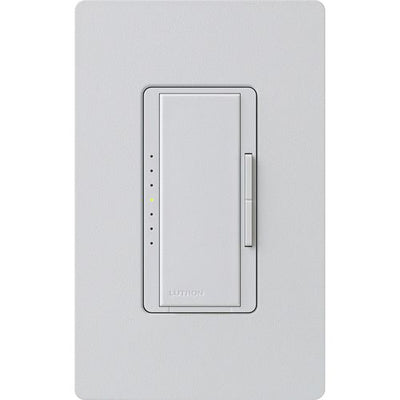
Lutron Maestro Dimmer Switch 1000 W MSC-1000M
Lutron Ariadni Dimmer Switch 450 W, (AYLV-603P-AL)
Lutron Ariadni Dimmer Switch 450 W, (AYLV-600P-BL)
Lutron Ariadni Dimmer Switch 450 W, (AYLV-600PH-IV)

Enerlites 0-10V Decorator Slide Dimmer W/Switch Single Pole/3-Way White 51300L-W

Enerlites 0-10V Decorator Slide Dimmer W/Switch Single Pole/3-Way White 55307L-W

Enerlites In Wall PIR Occupancy/Vacancy Sensor/Phase Dimmer Single Pole 120V White DWODS-120-W

Enerlites In Wall PIR Occupancy/Vacancy Sensor/0-10V Dimmer Single Pole 120/277V White DWODS-010-W

Enerlites Wi-Fi Aux Dimmer Switch For Wf500D White WF3K-W

Enerlites Z-Wave 15A Dimmer Switch With Energy Monitoring White ZW500DM-PLUS-W
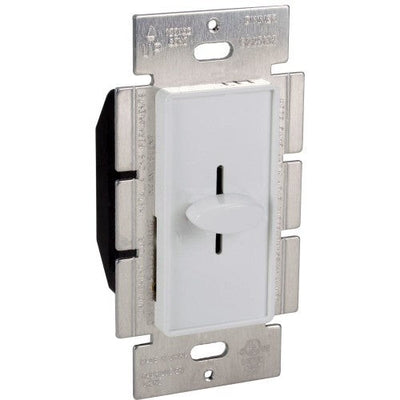
Orbit 120V 600W Ivory Single-Pole Slide Dimmer D600I
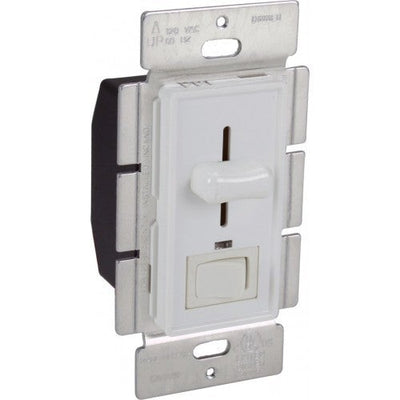
Orbit 120V 600W Black 3-Way Slide Dimmer D603SLBK

ELCO Lighting DIMU1 LED Dimmer 24V DC

Orbit LED Decorative Dimmer, 1POLE 150W Cflled, 120V White LD1501

Orbit LED Deco. Dimmer, 1POLE3WAY 150W Cflled, 120V White LD1503

Orbit Slide Dimmer Slide Handle Almond SDHA

Orbit Slide Dimmer Slide Handle Ivory SDHI
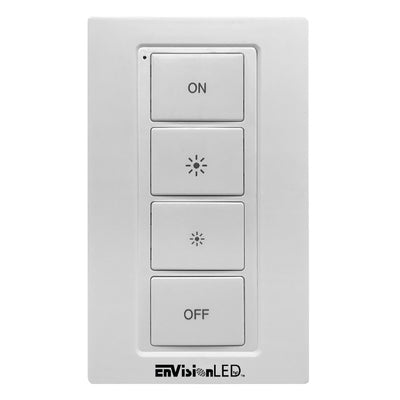
EnVision S-LINE-DIM-BT – Dimmer for S-LINE Series Bluetooth Sensors
EnVision S-WS-DIM-TUN-UNV-BT – EnVisionLS Wall Switch + Dimmer + Tunable CCT
About Standard Dimmers
How to Choose Standard LED Dimmers: Bulb Match, Wiring, and Wall Controls
Standard LED dimmers let you adjust lighting at the wall, but a matching faceplate doesn't guarantee a matching electrical control. Six dimmable bulbs over a dining table, a stair light operated from two locations, and two separately switched pendant groups require different device configurations. Start with the actual lamps or drivers, then verify the circuit layout, LED load rating, and space in the wall box. This guide explains which details matter before you select a slide, paddle, or dual-slider dimmer for a replacement or multi-room order.
Quick Picker: Match the Dimmer to the Project
- Six 9W dining-room LEDs: confirm compatible LED bulbs and lamps before selecting a wall dimmer.
- 24-foot hallway with two switches: plan an approved 3-way arrangement with standard wall switches.
- Two independently dimmed pendant groups: check dual-slider load ratings and common-feed requirements.
- 277V office fixtures needing 0-10V: review ELV and 0-10V controls.
- Bedroom needing app-based scenes: choose compatible smart and wireless dimmers instead.
- Twelve-zone commercial retrofit: consider coordinated commercial lighting controls rather than independent sliders.
LED Bulb Compatibility: Check the Lamp and Dimmer Model Numbers
An eight-lamp dining fixture with 9W LED bulbs draws roughly 72W, but that sum does not prove a given dimmer will operate the bulbs smoothly. The electronics inside each LED must accept the selected control waveform, and compatibility varies between models. A product labeled LED/CFL isn't automatically a tested match for every bulb. If the fixture contains non-dimmable LEDs, use a properly rated switch or change to approved dimmable lamps instead of trying to fix the problem with a trim setting.
Before ordering eight replacement lamps, record the dimmer and bulb part numbers and consult their manufacturer's compatibility information. Match the complete pairing, not simply a generic LED label.
Single-Pole vs. 3-Way Dimmers: Count the Control Locations
Two switches serving a 24-foot hallway create one multi-location switching arrangement, not two separate dimming circuits. A single-pole model is intended for a single control location. In some approved 3-way layouts, one dimmer works with a mechanical 3-way switch; other electronic controls require a specified companion. Putting two ordinary wall dimmers at opposite ends isn't a universal solution, even if both claim 3-way compatibility.
If brightness must be adjusted from both ends, choose a system explicitly designed for multi-location dimming. Otherwise, follow the selected model's permitted dimmer-and-switch arrangement. Record existing conductor connections before buying, and have a qualified electrician confirm the wiring diagram.
Slide, Paddle, and Dual-Slider Dimmers: Match the Wall Layout
At a two-zone reception counter, a single-gang position may need separate brightness settings for pendants and recessed lights. Certain dual-slider products, including Enerlites 57007, control two independent single-pole lighting loads from a suitable common supply. That does not mean they accept two unrelated feeds or substitute for two 3-way dimmers. Slide-and-switch styles give on/off operation alongside a brightness slider; decorator paddle models present a different manual interface.
If the two loads meet the specified wiring and per-load ratings, a compatible dual slider can avoid adding a second device position. Check the opening style and matching wall plates and switch plates before ordering the finish.
LED Wattage, Minimum Load, and Low-End Trim: Avoid Flicker
A device labeled 600W incandescent and 150W LED does not support 600W of LED lamps. Six 9W dimmable bulbs total 54W, a useful first check against the published LED rating. It is not the only one. Certain electronic dimmers need a minimum load to regulate properly, while LED driver inrush and multi-gang derating can influence the installation. Flicker, buzzing, or drop-out near the bottom of the range can also come from poor bulb compatibility or an unsuitable low-end setting.
If the connected load falls outside the manufacturer's limits, choose another control rather than relying on the higher incandescent rating. Confirm any low-end trim adjustment for the exact model.
Forward-Phase vs. ELV and 0-10V: Follow the Driver Specification
Most traditional line-voltage slide dimmers use phase-cut control, but not every electronic lighting system accepts the same waveform. A room with eight 0-10V LED fixtures needs a control arrangement for their separate dimming signal, not a basic phase-cut slider. Electronic low-voltage transformers may call for reverse-phase control; some 12V or 24V LED systems need control on the low-voltage side of the power supply. These are distinct methods, even when the wall devices look alike.
If the driver specifies 0-10V, plan the proper signal wiring and switched-off behavior before selecting the control. When the power equipment also needs replacement, review compatible LED drivers and power supplies with the fixture schedule.
Retrofit Checklist: Neutral Wires, Gang Space, and Fan Loads
Replacing three controls in an existing wall box can reveal different voltages, limited depth, or an unexpected switch loop. Some two-wire manual dimmers work without a neutral; other electronic models require one. Don't identify a neutral from insulation color alone. Check box fill, grounding, heat-clearance instructions, and the device's approved mounting position before changing hardware. A standard lighting dimmer also isn't an approved substitute for a fan motor control.
If the wiring doesn't match the new device diagram or the box is too crowded, revise the retrofit plan rather than forcing the control into place. A qualified electrician should verify line-voltage work and use compatible wire connectors and splices where needed.
Ordering Standard Dimmers for Multi-Room Projects
For a 32-room replacement, group devices by dimmer model, matching lamp or driver, single-pole or 3-way layout, box type, finish, and quantity. Lumera provides trade accounts for business buyers and project quote requests. Eligible businesses can apply separately for business payment terms. Keep dual-slider devices, matching wall plates, and any companion switches on distinct schedule lines.
Request a Standard Dimmer Project Quote
To price a multi-room retrofit, request a standard dimmer project quote and include:
- Lamp or driver model numbers and fixture quantities
- Single-pole or 3-way configuration and circuit voltage
- LED load per control, neutral requirements, and box conditions
- Control style, finish, accessory quantities, and exact SKUs
For substitutions, contact Lumera with the full manufacturer's model numbers before approving the material list.
Standard Dimmer FAQs
What is the difference between a standard dimmer and a smart dimmer?
A standard dimmer adjusts a compatible lighting load locally, while a smart dimmer adds connected features such as app control, schedules, or scenes when supported by its system. Either must match the lamp or driver. Choose a manual dimmer for straightforward wall operation; select a smart control only when the project needs its connectivity and any required hub or companion equipment.
Will any LED dimmer work with any dimmable LED bulb?
No. A dimmable label on the bulb and an LED rating on the control do not guarantee smooth operation together. Different drivers can flicker, buzz, or turn off early with the same dimmer. Compare exact model numbers using the manufacturer's tested list. Lumera's dimmer compatibility chart guide explains what the published results mean before you buy multiple bulbs.
Can I use a standard dimmer with a 3-way wall switch?
Yes, when the dimmer supports the specific 3-way arrangement and the other switch or companion is compatible. Many manual systems have one dimming location and a conventional 3-way switch at the other. Do not assume two regular dimmers will work together. Review Lumera's dimmer wiring and installation guide and follow the selected manufacturer's diagram.
Why do LED lights flicker at the bottom of a dimmer?
Low-end flicker often reflects a lamp-dimmer mismatch, an insufficient minimum load, or a trim setting below the LED's stable operating range. First confirm the bulbs are dimmable and tested for the control. If the model includes an adjustable low-end trim, follow its instructions. Persistent flicker accompanied by heat, arcing, or breaker trips requires electrical inspection, not another adjustment.
Can a dual-slider standard dimmer control two lights independently?
Yes, certain dual-slider products control two separate single-pole lighting loads from one device position. The Enerlites 57007 is an example, but its two outputs have their own specified limits and share a defined supply arrangement. A dual slider is not automatically suitable for two unrelated circuits or two 3-way locations. Check the actual wiring and per-load ratings before replacing separate controls.
Can a standard light dimmer control a ceiling fan?
No. A lighting dimmer should not be used to vary a fan motor unless the exact product is specifically rated for that motor and application. Some combination controls include a separate fan-speed function and a lighting dimmer, with different load ratings for each side. For a fan-only installation, select appropriate fan speed controls matched to the motor.