


Raceway & Cable Management
Raceway and cable management products organize, support, protect, and transition wiring throughout electrical and low-voltage installations. Start by identifying whether the run needs raceway fittings, structural support, cable bundling, enclosure entry, or general wire organization, then match the hardware to the wiring method, trade size or cable diameter, mounting surface, and environment. Plan fittings, supports, bends, and access points with the route so the complete system stays compatible from source to termination.


Showing 21–40 of 104 results
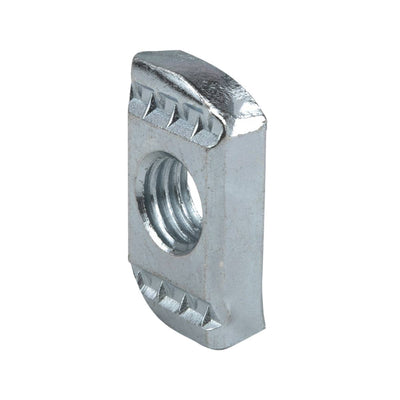
Dottie 1/4-20 Channel Nut Without Spring SCN25 (100-Pack)
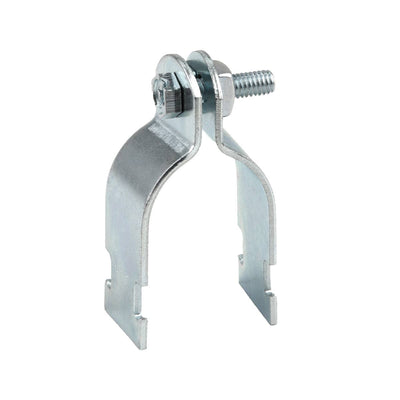
Dottie 1 in Rigid Strut Clamp SC100R (100-Pack)
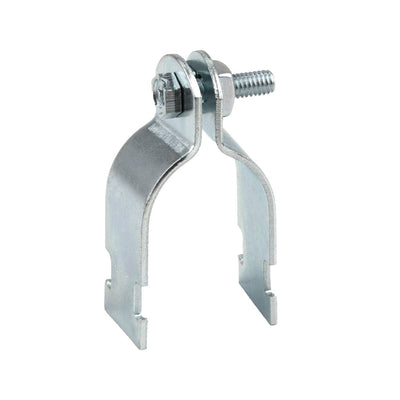
Dottie 2 in Rigid Strut Clamp SC200R (50-Pack)
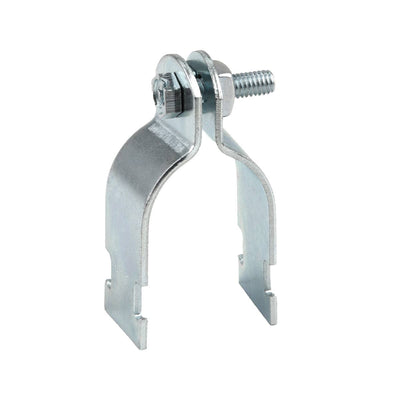
Dottie 1-1/4 in Rigid Strut Clamp SC125R (50-Pack)
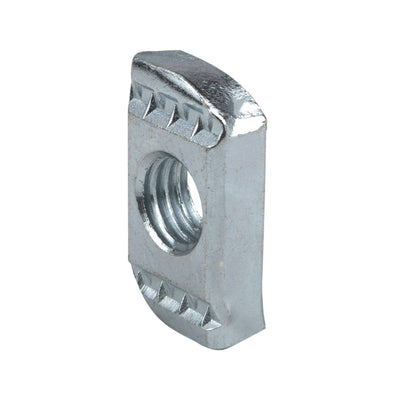
Dottie 1/2-13 Channel Nut Without Spring SCN50 (100-Pack)
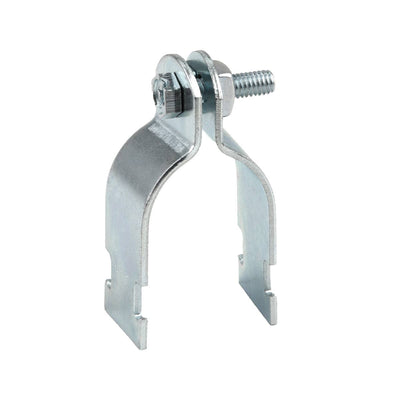
Dottie 1 in EMT Strut Clamp SC100E (100-Pack)
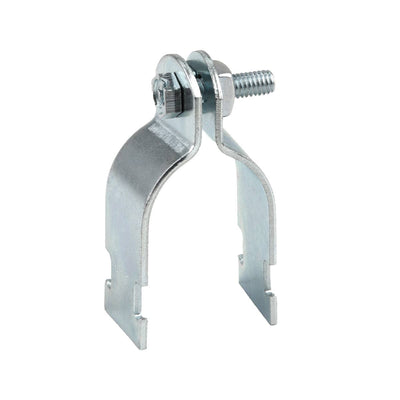
Dottie 5 in Rigid Strut Clamp SC500R (25-Pack)
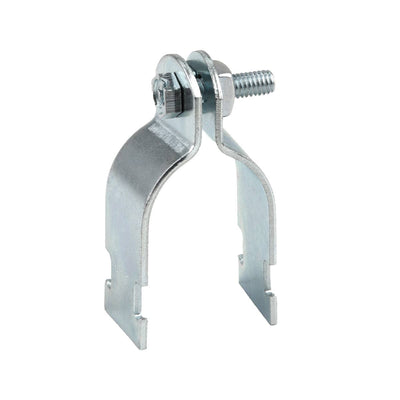
Dottie 3 in Rigid Strut Clamp SC300R (25-Pack)
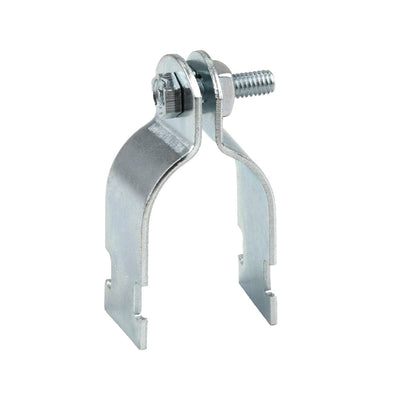
Dottie 2-1/2 in Rigid Strut Clamp SC250R (25-Pack)
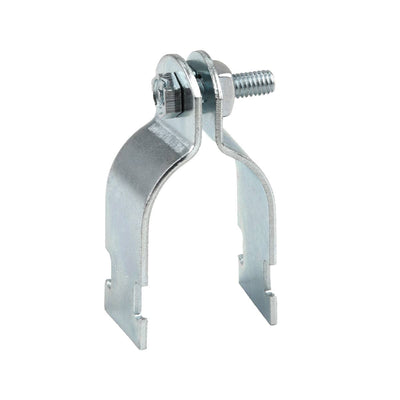
Dottie 1/2 in Universal Strut Clamp SC50U (50-Pack)
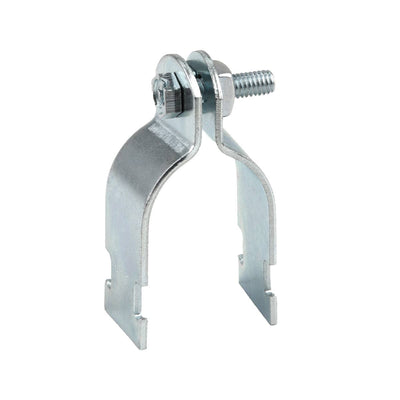
Dottie 1-1/2 in EMT Strut Clamp SC150E (50-Pack)
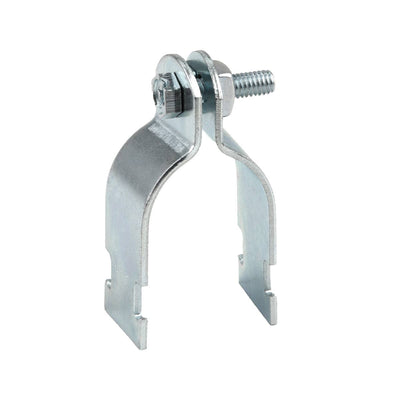
Dottie 6 in Rigid Strut Clamp SC600R (25-Pack)
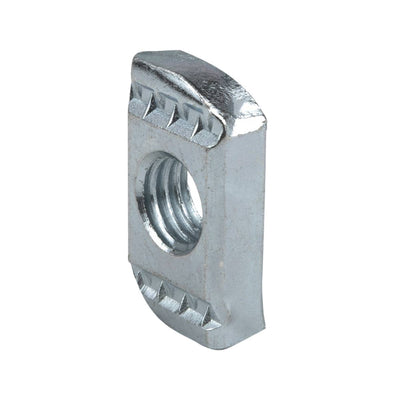
Dottie 3/8-16 Channel Nut Without Spring SCN38 (100-Pack)
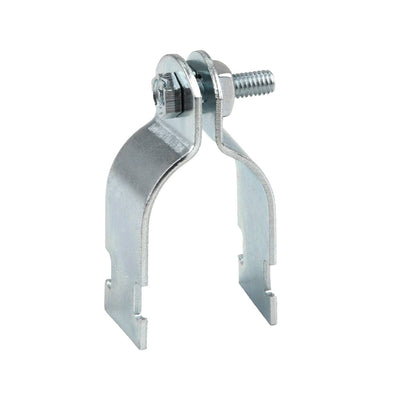
Dottie 2 in EMT Strut Clamp SC200E (50-Pack)
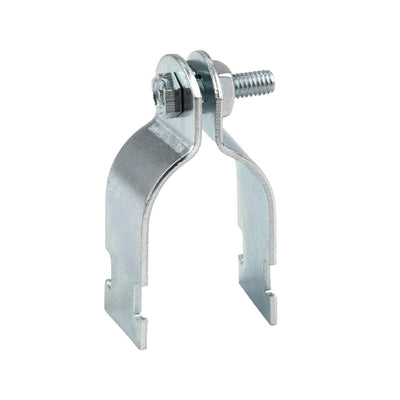
Dottie 3-1/2 in Rigid Strut Clamp SC350R (50-Pack)
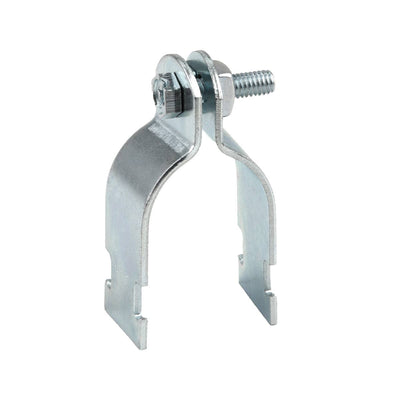
Dottie 2 in Universal Strut Clamp SC200U (50-Pack)
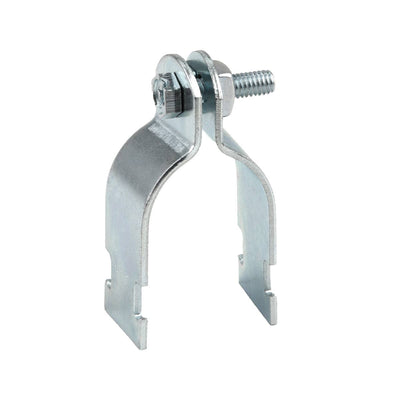
Dottie 3/4 in EMT Strut Clamp SC75E (100-Pack)
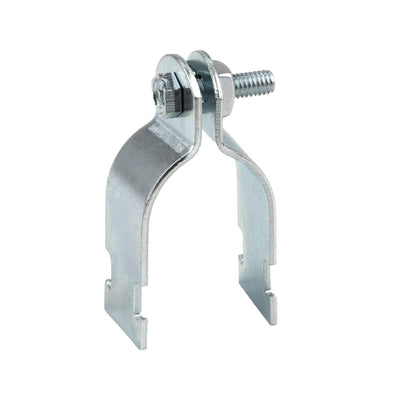
Dottie 3/4 in Universal Strut Clamp SC75U (50-Pack)
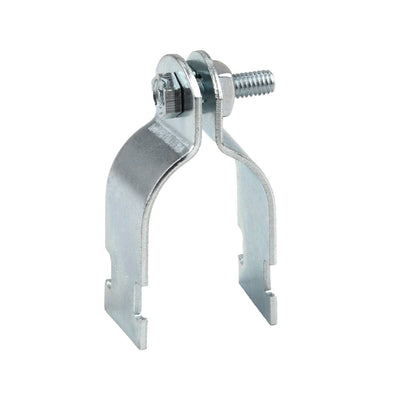
Dottie 3/4 in Rigid Strut Clamp SC75R (100-Pack)
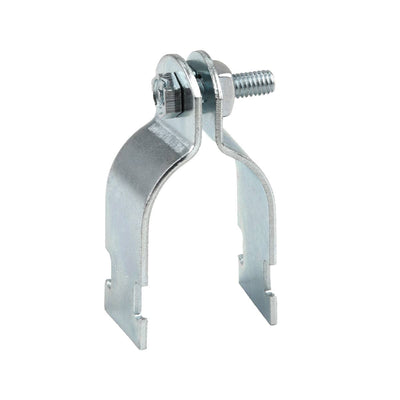
Dottie 1/2 in EMT Strut Clamp SC50E (100-Pack)
About Raceway & Cable Management
How to Choose Raceway & Cable Management Products
Raceway and cable management starts with the wiring method, not the accessory. Identify what is being routed, where the run travels, how much protection it needs, and whether the job calls for an enclosed raceway, structural support, cable bundling, an enclosure entry, or organization inside equipment. Then match trade size, cable diameter, mounting surface, environment, and access requirements before building the material list.
- A conduit run entering equipment needs compatible conduit fittings and connectors.
- A raceway or cable run that needs structural support points to straps and supports.
- Smaller bundles and point fastening may use cable ties and fastening hardware.
- A flexible cable entering an enclosure may need a cable gland or cord grip.
- A splice or pull point may require an accessible junction box or enclosure.
Raceway, Cable Tray and Wire Duct Solve Different Routing Problems
Conduit, cable tray, and wire duct all manage wiring, but they do different jobs. Conduit encloses conductors along the building wiring path. Cable tray supports compatible cable over longer shared routes. Wire duct is typically used inside panels or enclosures to organize individual conductors between devices.
A plant may use all three on the same project: tray for the main cable path, conduit for protected drops to equipment, and wire duct inside the control panel. Selecting one product family does not eliminate the need for the others.
Decision rule: choose the routing method from the cable or conductor type, required physical protection, access needs, installation environment, and applicable wiring rules—not simply from which system has the most capacity.
For a deeper comparison, Lumera's cable tray vs. wire duct vs. conduit guide explains where each method fits.
Match Raceway Fittings to the Exact Wiring Method
Fittings are not universal across raceway types. EMT, rigid metal conduit, IMC, PVC, flexible raceway, and cable-entry systems use different connection methods even when their nominal sizes look similar. A connector intended for one raceway should not be substituted onto another simply because both are called 3/4 inch.
A connector normally terminates compatible raceway at a box or enclosure, while a coupling joins two sections of compatible raceway. Conduit bodies provide accessible pulling or direction-change points, and bushings handle specific raceway-end functions.
Decision rule: identify the wiring method first, trade size second, and fitting function third. Lumera's electrical fittings collection covers the broader hardware used around those transitions.
Straps and Supports Carry the Run; Ties Organize It
Support hardware and cable ties should not be treated as the same thing. A strap, bracket, clip, channel system, or specialty support transfers the weight of the raceway or cable to the building structure. A cable tie primarily bundles or secures conductors and cables at a point.
For example, bundling several communication cables with ties does not replace the structural support required for the pathway. Likewise, a conduit strap that fits around a raceway still needs to match the trade size, mounting surface, load, orientation, and installation environment.
Decision rule: if the component is carrying the run, choose it as support hardware. If it is keeping a bundle organized, evaluate it as cable-management hardware.
Cable Glands and Conduit Connectors Are Not the Same Fitting
A cable gland or cord grip clamps the jacket of a flexible cable where it enters an enclosure. Depending on the product, it can provide strain relief and environmental sealing. A conduit connector does something different: it terminates a compatible raceway at a box, cabinet, or equipment opening.
Two dimensions matter on a cable gland. The hub size identifies the enclosure opening or threaded entry, while the accepted cable outside-diameter range determines which cable the grip can actually clamp. Matching only the hub size can therefore produce the wrong part.
Decision rule: if a flexible cable jacket passes through the fitting, select from the cable's outside diameter and entry requirement. If a raceway terminates there, use hardware intended for that raceway.
Plan Boxes and Access Points With the Raceway Route
A routing system needs accessible points for transitions, pulls, terminations, and permitted splices. Those locations should be planned before conduit, supports, and fittings are ordered. Adding a box after the route has already been built can change raceway lengths, connector quantities, bend locations, and support positions.
Inside a box, the conductors use their own connection hardware. A conduit connector secures the raceway to the enclosure; it does not splice the conductors inside it. Where conductor joining is required, select the appropriate wire connectors or compression splices separately.
Decision rule: keep the raceway schedule and conductor-termination schedule separate even when the components meet at the same box.
Capacity, Bend Radius and Future Expansion Affect Raceway Size
Raceway or pathway size should account for more than today's conductor count. Different wiring methods have their own fill, bending, support, and installation requirements, and communication cables may also have minimum bend-radius limits that affect the route.
A pathway packed tightly during the first installation can make future additions difficult and can complicate pulling or servicing conductors. On projects likely to change, plan realistic spare pathway capacity where the design and applicable requirements allow it.
This is especially important for cable-management systems serving data, controls, or equipment that may be expanded later. The correct amount of spare capacity should come from the pathway design and cable requirements rather than an arbitrary percentage copied from another wiring method.
Choose Materials and Ratings for the Installation Environment
An indoor dry run and an exposed outdoor run should not automatically use the same fittings, supports, or cable-management hardware. Moisture, corrosion, UV exposure, washdown, temperature, chemicals, and physical impact can all change the product requirements.
Black cable ties, for example, should not automatically be treated as UV-rated simply because of their color. Outdoor suitability needs to be stated for the exact product. The same principle applies to raceway fittings, supports, boxes, and sealing hardware.
Decision rule: define the environment before standardizing materials across the project. A product that works in one room may not be appropriate for an exterior wall, rooftop, wet area, or corrosive location.
Coordinate Cable Type With the Pathway
The pathway and the cable need to be selected together. Individual building conductors may be pulled through an appropriate raceway, while other wiring methods use complete cable assemblies with their own support and routing requirements. Cable intended for one installation method should not be moved into another simply because its conductor size is similar.
Before finalizing the raceway, confirm conductor or cable type, quantity, outside diameter where relevant, bend requirements, environmental rating, and termination method. Lumera's electrical wire and cable category can be used to coordinate the wiring product with the pathway instead of treating the two schedules independently.
What to Confirm Before Ordering Raceway & Cable Management Hardware
- Wiring method: conduit, cable pathway, wire duct, or another specified system.
- Raceway or cable size: use trade size or actual outside diameter as required by the product.
- Routing function: joining, termination, direction change, support, bundling, sealing, or organization.
- Mounting surface: wall, ceiling, framing, structural channel, enclosure, or equipment.
- Environment: dry, damp, wet, outdoor, corrosive, or other specified condition.
- Access: identify pull, splice, and service points before closing the route.
- Support method: coordinate straps, clips, brackets, channel, and fasteners with the actual load.
- Fittings: match every connector, coupling, body, bushing, or gland to the system it serves.
- Capacity: account for conductor or cable quantity, pathway limits, bends, and planned expansion.
Line-voltage raceway and wiring should be installed according to the exact product instructions and applicable electrical requirements. Support spacing, fill, bonding, grounding, and environmental suitability differ by wiring method, so values from one system should not be copied automatically to another.
Ordering Raceway & Cable Management for a Project
For larger installations, build the material schedule by route rather than ordering fittings and supports as isolated accessories. Record the wiring method, trade size or cable diameter, run length, bends, entry points, boxes, fitting types, supports, environment, and quantity for each section.
For bulk quantities or repeated raceway layouts, add the required products to Lumera's project quote request after the routing and fitting schedule has been established.
Raceway & Cable Management FAQs
What is the difference between raceway and cable management?
Raceway is a defined pathway that routes or encloses wiring, while cable management is the broader set of methods used to route, support, organize, secure, and protect cables or conductors. Cable management can therefore include raceways as well as supports, ties, glands, duct, trays, and related hardware.
What is the difference between conduit, cable tray and wire duct?
Conduit encloses conductors along a wiring path, cable tray supports compatible cables along an open pathway, and wire duct organizes wiring primarily inside panels or enclosures. They solve different parts of the routing system and are often used together. Lumera's raceway comparison guide covers the differences in more detail.
Can cable ties be used instead of conduit straps?
Not simply because they fit around the run. Raceway supports and cable ties perform different functions. A strap or support must be appropriate for the raceway, size, load, mounting surface, and installation requirements. Cable ties are generally used for bundling or securing cable and should only be used as structural support when the exact product and wiring method permit it.
What is the difference between a cable gland and a conduit connector?
A cable gland grips a flexible cable jacket at an enclosure entry and may provide strain relief or sealing. A conduit connector terminates a raceway at a box or enclosure. For cable glands, both the hub size and accepted cable outside-diameter range need to match the installation; a conduit trade size alone is not enough.
How do I choose the right raceway size?
Start with the wiring method, conductor or cable type, quantity, applicable fill requirements, bend requirements, and route. Do not size every raceway from a single universal fill percentage because conduit, tray, wireway, and other pathway systems follow different rules. Future expansion can also be considered where the design permits additional capacity.
Do outdoor raceway and cable-management products need different ratings?
Often, yes. Exterior installations can add moisture, UV exposure, corrosion, temperature, and physical conditions that do not exist indoors. Confirm the exact product's environmental suitability rather than assuming an indoor fitting, support, tie, or box is appropriate outside because it physically fits the same raceway or cable.