


Lugs & Terminals
Electrical lugs and terminals connect conductors to equipment, bus bars, grounding points, and other termination locations. Start by matching the conductor size and material, then choose the required mechanical or compression connection and confirm the mounting pattern, stud size, and equipment interface. For replacement work, also verify the number of conductors permitted and the available termination space. Compression lugs require the correct manufacturer-specified crimping tool and die for the exact connector.


Showing 81–100 of 292 results
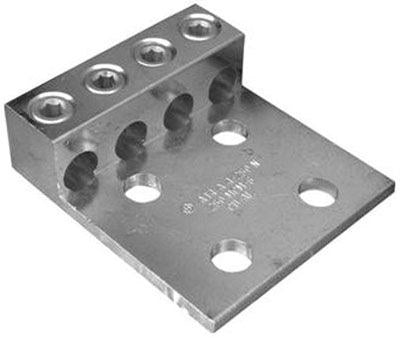
Morris 90876 Aluminum Mechanical Lug, Four-Conductor 4-Hole, 600 MCM - #4 AWG
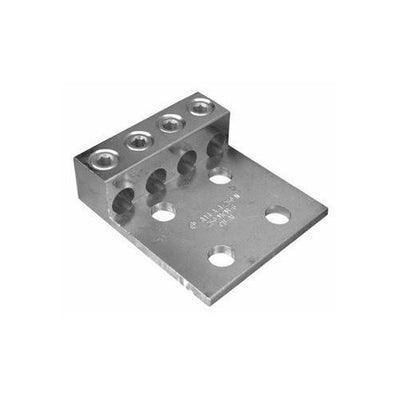
Morris 90872 Aluminum Mechanical Lug, Four-Conductor 4-Hole, 250 MCM - #6 AWG
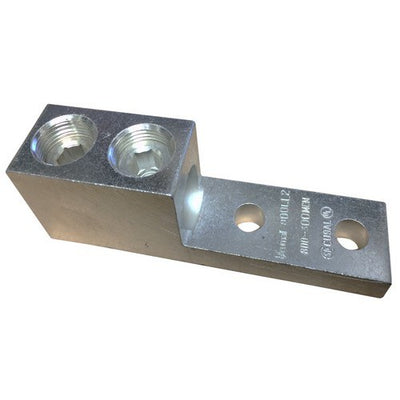
Morris 90941B Aluminum Mechanical Lug, One-Conductor 2-Hole, 600 MCM - #4 AWG (Bulk)
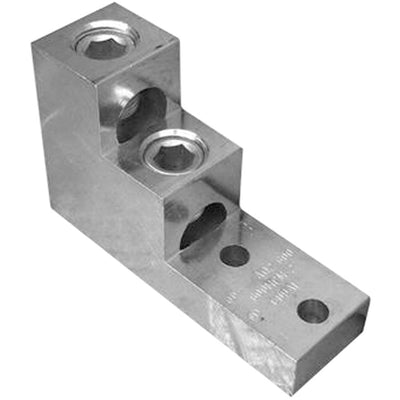
Morris 90914B Aluminum Panelboard Lug, Two-Conductor, 600 MCM - #2 AWG (Bulk)
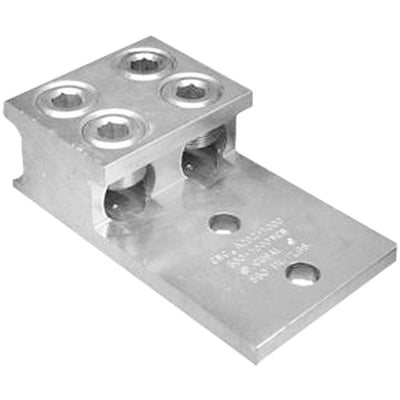
Morris 90952 Aluminum Mechanical Lug, Two-Conductor 2-Hole, 1000 MCM - 350 MCM
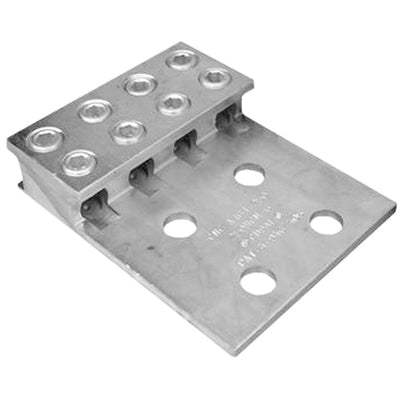
Morris 90968 Aluminum Mechanical Lug, Four-Conductor 4-Hole, 1000 MCM - 350 MCM
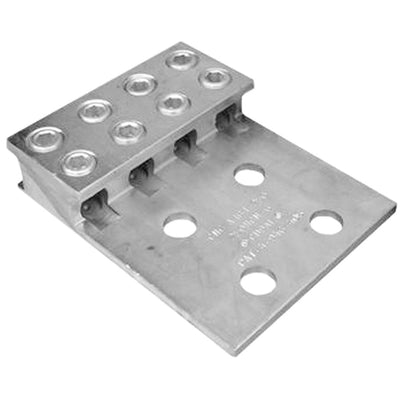
Morris 90967 Aluminum Mechanical Lug, Four-Conductor 4-Hole, 800 MCM - 350 MCM
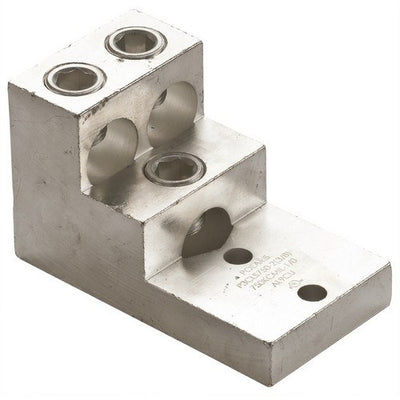
Morris 90920 Aluminum Panelboard Lug, Three-Conductor, 750 MCM - 1/0 AWG
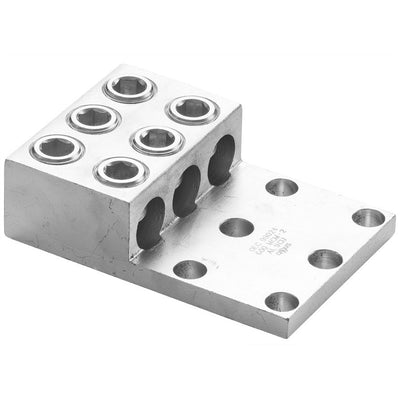
Morris 90963 Aluminum Mechanical Lug, Three-Conductor 6-Hole, 1000 MCM - 500 MCM
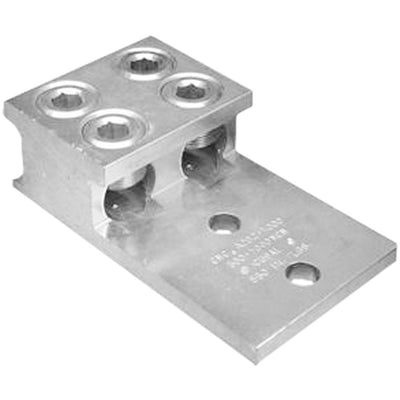
Morris 90951 Aluminum Mechanical Lug, Two-Conductor 2-Hole, 600 MCM - #4 AWG
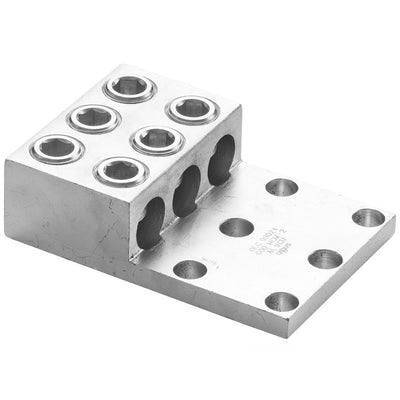
Morris 90961 Aluminum Mechanical Lug, Three-Conductor 6-Hole, 600 MCM - #2 AWG
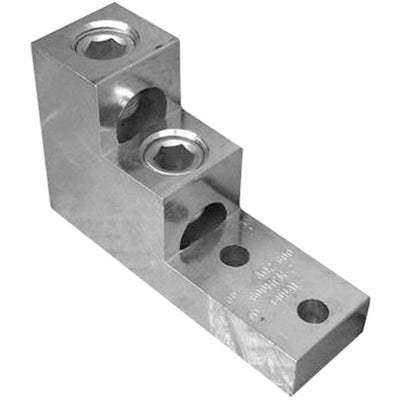
Morris 90914 Aluminum Panelboard Lug, Two-Conductor, 600 MCM - #2 AWG
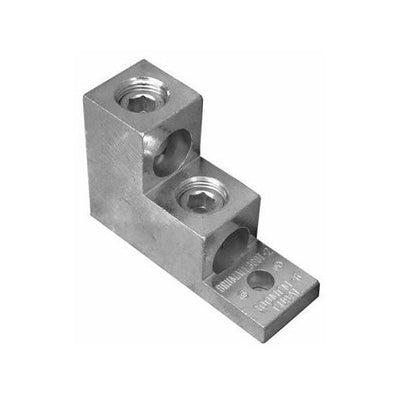
Morris 90912 Aluminum Panelboard Lug, Two-Conductor, 300 MCM - #6 AWG
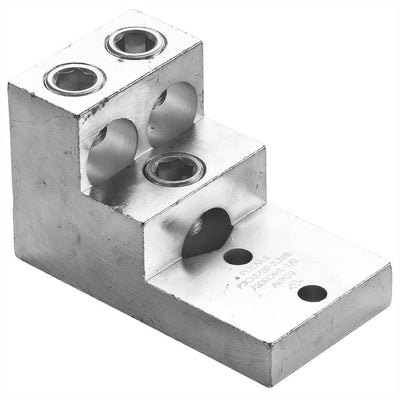
Morris 90918B Aluminum Panelboard Lug, Three-Conductor, 600 MCM - #2 AWG (Bulk)
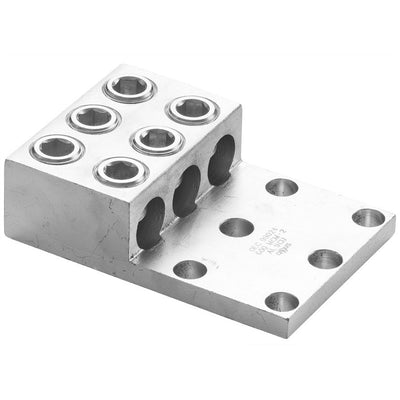
Morris 90962 Aluminum Mechanical Lug, Three-Conductor 6-Hole, 800 MCM - 350 MCM
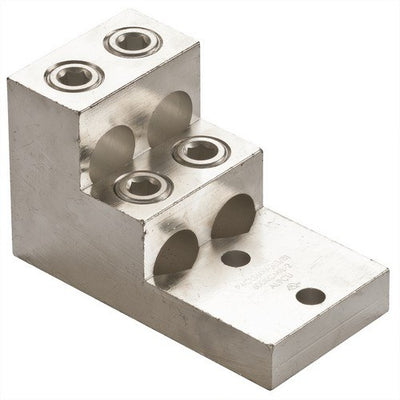
Morris 90926 Aluminum Panelboard Lug, Four-Conductor, 750 MCM - 1/0 AWG
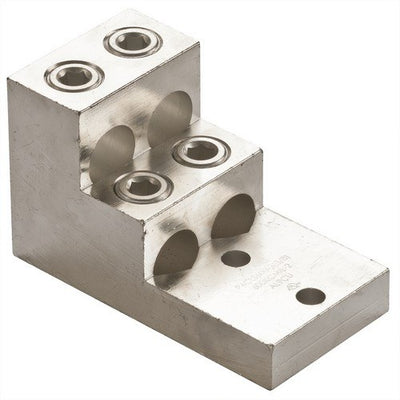
Morris 90926B Aluminum Panelboard Lug, Four-Conductor, 750 MCM - 1/0 AWG (Bulk)
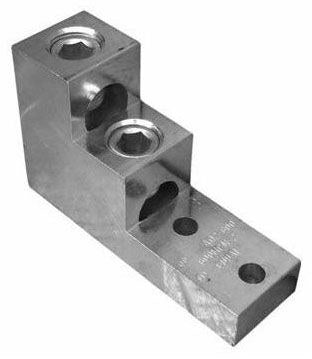
Morris 90916B Aluminum Panelboard Lug, Two-Conductor, 750 MCM - 1/0 AWG (Bulk)
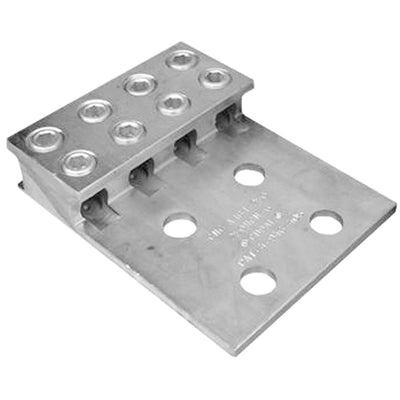
Morris 90966 Aluminum Mechanical Lug, Four-Conductor 4-Hole, 600 MCM - #2 AWG
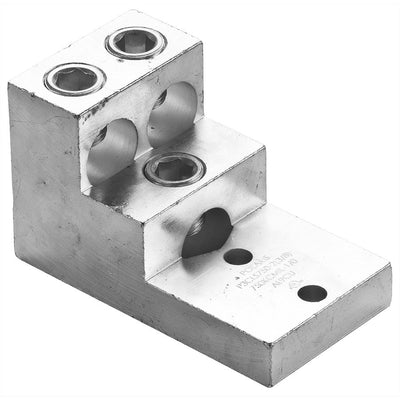
Morris 90918 Aluminum Panelboard Lug, Three-Conductor, 600 MCM - #2 AWG
About Lugs & Terminals
How to Choose Electrical Lugs & Terminals
Choosing an electrical lug starts with the conductor and ends with the equipment connection. Before ordering, identify the conductor size, conductor material, number of conductors, termination method, stud size, mounting pattern, and available space at the connection point. A lug can accept the correct wire size and still be wrong for the equipment if the tongue, hole pattern, conductor rating, or installation method does not match.
- Landing a conductor on equipment or a bus: choose a lug that matches both the wire and mounting point.
- Joining conductor ends together: use an appropriate wire connector or compression splice instead.
- Terminating aluminum wire: verify that the connector is specifically rated for aluminum or for both conductor materials.
- Using a compression lug: confirm the required crimping tool, die, and crimp pattern before ordering.
- Building a grounding or bonding connection: select hardware identified for the specific grounding application.
Mechanical vs. Compression Lugs: Choose the Connection Method First
Mechanical and compression lugs secure the conductor differently. A mechanical lug uses a set screw or similar pressure connection. The conductor range must match the product, and the terminal screw has to be tightened to the manufacturer's specified torque.
A compression lug uses a barrel that is crimped around the conductor with compatible tooling. The connector manufacturer specifies the conductor size, die, tool, and crimp locations or sequence required for that particular lug.
Decision rule: if the equipment specification or project documents call for a compression termination, select the connector and tooling as one system. Do not substitute a mechanical lug simply because the conductor fits.
Match the Lug to AWG or kcmil Conductor Size
The conductor range printed on the lug is a compatibility requirement, not a suggestion. Larger feeder and equipment conductors may be identified in AWG or kcmil/MCM sizes, and the selected lug must explicitly include the conductor being installed.
For example, Lumera carries mechanical lugs with defined conductor ranges as well as compression lugs intended for one specific large conductor size. Those two approaches should not be treated the same during material takeoff.
Decision rule: establish conductor size from the electrical design or existing cable marking first, then narrow the connector list. Do not select a lug by visually estimating whether the stripped conductor will fit inside the barrel.
If conductor sizing is still being determined, review the available electrical wire and cable before standardizing the termination hardware.
Copper and Aluminum Conductor Compatibility Must Be Verified
Lug material and conductor compatibility are related, but they are not the same specification. A connector must be identified for the conductor metal being terminated. Some lugs are copper-only, while certain aluminum-bodied products are specifically dual-rated for aluminum and copper conductors.
Lumera currently carries examples of aluminum mechanical and compression lugs identified for both conductor materials. That does not mean every aluminum lug in the category has the same approval, so check the conductor markings on the exact catalog number.
Decision rule: never infer copper or aluminum compatibility from the connector's appearance, plating, or base metal. Use the manufacturer's stated conductor rating.
One-Hole vs. Two-Hole Lugs: Match the Equipment Pad
The tongue is the equipment side of the connection. One-hole lugs mount to a single stud or bolt, while two-hole lugs need a compatible two-hole pad with the correct hole diameter and spacing. The conductor may be identical on both products, yet the lugs can serve completely different equipment interfaces.
A two-hole compression lug intended for a 1/2-inch stud arrangement, for example, should not be replaced with a one-hole lug merely because the conductor size matches.
Decision rule: record the number of mounting holes, stud diameter, hole spacing, and available pad dimensions from the equipment before finalizing the lug schedule.
Stud Size and Tongue Dimensions Are Part of Lug Compatibility
The barrel can be correct while the tongue is wrong. If the mounting hole does not fit the equipment stud or the tongue does not sit correctly on the pad, the connector is not a direct replacement.
This is particularly important on existing switchboards, panelboards, disconnects, transformers, and other equipment where space around the termination may already be limited. Photograph the existing connection and record the stud dimensions before the old lug is removed.
Do not enlarge mounting holes or modify the tongue in the field unless the connector and equipment manufacturer specifically permit that modification. Order the mounting configuration intended for the connection.
Long-Barrel and Short-Barrel Compression Lugs
Barrel length affects the physical size of the connector and the crimping procedure specified for it. Long-barrel lugs provide more barrel length and can require multiple crimps, while shorter configurations may fit where termination space is more limited.
The correct choice should come from the project specification, available space, conductor type, and manufacturer's installation instructions rather than an assumption that one barrel style is universally better.
Decision rule: check the required die and crimp pattern together with enclosure space and conductor bending room before choosing a barrel style.
Compression Lugs Require the Correct Tool and Die
A compression connection depends on the lug, tool, and die being compatible. Manufacturers commonly identify dies by size, index, or color coding so the installer can match the crimp tooling to the connector and conductor. Lumera's current long-barrel compression products also show die information on specific models.
A crimp that looks complete is not enough to establish that the termination was made correctly. The proper tool, die, number of crimps, and crimp locations need to follow the connector manufacturer's instructions.
Decision rule: confirm the tooling before buying a large quantity of compression lugs. If the required die or crimper is not available on the jobsite, solve that before installation begins.
Mechanical Lug Torque Is a Specification, Not a Guess
Mechanical connectors rely on the pressure created by the terminal screw. Too little tightening can leave an inadequate connection, while excessive tightening can damage the conductor or connector. The correct torque depends on the exact lug and, in some cases, the conductor size.
Do not reuse a torque value from another terminal simply because both products accept similar wire. Read the manufacturer's marking or installation documentation for the exact catalog number and use appropriate torque tools where required.
This same discipline applies elsewhere in equipment terminations; the associated circuit breaker or equipment rating does not by itself establish the correct lug torque.
Single-Conductor and Multi-Conductor Lugs Are Different Products
A lug should only contain the number of conductors for which it is identified. A large barrel does not automatically mean two smaller conductors can be placed under the same set screw or inside the same compression barrel.
If the project needs a tap, branch connection, or conductor-to-conductor joint, the correct solution may be a multi-tap connector, splice, or another connector specifically designed for that arrangement rather than a standard single-conductor equipment lug.
Decision rule: check both conductor size and permitted conductor count. If the product is identified for one conductor, do not double-lug it simply because two wires physically fit.
For conductor-to-conductor connections, compare Lumera's wire connectors and compression splices.
Lug vs. Splice: Know Which Connection You Are Building
A lug usually terminates a conductor onto equipment, a bus, pad, stud, or other connection point. A splice joins conductors to each other. Keeping those functions separate prevents a common material-list error where a connector designed for cable-to-cable use is ordered for an equipment termination.
For example, a feeder might use a compression splice at an accessible junction and terminate on a two-hole lug at the destination equipment. Those connectors can serve the same conductor size but perform different jobs.
Decision rule: identify whether each point in the one-line or feeder schedule is conductor-to-equipment or conductor-to-conductor before assigning a connector.
Fine-Stranded and Flexible Conductors Need Extra Compatibility Checks
Conductor size alone does not establish compatibility when the cable uses a different strand class or flexible construction. Some lugs are intended for standard code conductors, while other connector families are specifically designed or rated for flexible cable.
A flexible conductor and a conventional conductor may carry the same nominal size designation but behave differently inside a termination. Do not assume a lug accepts fine-stranded cable unless the manufacturer's documentation includes that conductor construction.
Decision rule: when using flexible or high-strand-count cable, verify both conductor size and conductor class against the exact lug specification.
Grounding Lugs Need to Match the Grounding or Bonding Application
Not every equipment lug should be treated as grounding hardware. Grounding and bonding connections can involve equipment enclosures, raceways, grounding conductors, electrodes, structural points, or other specific interfaces. The connector needs to be identified for the conductor and connection being made.
If the project includes dedicated grounding hardware, use Lumera's grounding and bonding products rather than substituting a general lug without verifying its suitability.
Raceway entries and related equipment connections may also require compatible conduit fittings and connectors, but those components perform a different function from the conductor termination itself.
What to Confirm Before Ordering Lugs & Terminals
- Conductor size: exact AWG or kcmil/MCM size.
- Conductor material: copper, aluminum, or an approved combination.
- Conductor construction: standard or flexible/fine-stranded where relevant.
- Number of conductors: only configurations identified by the connector manufacturer.
- Termination method: mechanical or compression.
- Mounting pattern: one-hole, two-hole, or another specified interface.
- Stud size: match the equipment hardware.
- Hole spacing: verify on two-hole equipment pads.
- Barrel configuration: confirm the required barrel style and available space.
- Compression tooling: correct crimper, die, index, and crimp sequence.
- Mechanical torque: use the manufacturer's specified value.
- Equipment rating: confirm the exact connector is suitable for the intended electrical application.
Ordering Lugs & Terminals for a Project
For feeders, panel schedules, switchgear, transformers, grounding work, or repeated equipment terminations, organize the material list by conductor size, conductor material, termination method, mounting pattern, stud size, and quantity. Keep compression-tooling requirements on the same schedule so the installation crew can see which die system belongs to each lug.
For larger quantities, add the selected products to Lumera's project quote request and include the conductor and termination schedule with the request.
Lugs & Terminals FAQs
What is the difference between a mechanical lug and a compression lug?
A mechanical lug secures the conductor with a screw or pressure connection, while a compression lug is crimped around the conductor using specified tooling. Mechanical lugs require the correct conductor range and tightening torque. Compression lugs require the correct conductor, crimping tool, die, and crimp procedure. Use the connection method specified for the equipment or project.
Can I use an aluminum lug with copper wire?
Only when the exact lug is identified for copper conductors or is dual-rated for both aluminum and copper. Lumera carries examples of dual-rated aluminum lugs, but that characteristic is product-specific. Do not assume every aluminum connector accepts copper simply because another model from the same product family does.
What size lug do I need for my wire?
Choose a lug whose published conductor range includes the exact AWG or kcmil size and conductor material being installed. Then verify the stud size, hole pattern, conductor count, and equipment requirements. Physical fit inside the barrel does not prove that the connector is approved for that conductor.
What is the difference between a one-hole and two-hole lug?
A one-hole lug attaches to a single stud or bolt, while a two-hole lug mounts to a compatible two-hole equipment pad. Two-hole connections also require the correct hole spacing and stud diameter. Choose the tongue configuration from the equipment interface rather than from conductor size alone.
Do compression lugs require a special crimping tool?
Yes. Compression lugs are installed with a compatible crimping tool and die specified for the connector and conductor. Die index, number of crimps, and crimp position can vary by product. Confirm the required tooling before ordering so the field crew does not have to substitute an unapproved crimp method.
Can I put two conductors in one lug?
Only when the exact connector is identified for multiple conductors of the sizes and materials being installed. A single-conductor lug should not be double-lugged because two wires happen to fit. If the connection requires branching or joining conductors, use a properly rated multi-conductor connector or splice.