


Weatherproof Electrical Boxes
Weatherproof electrical boxes provide surface-mounted enclosures for outdoor receptacles, switches, lighting connections, and exposed raceway entries. This category includes shallow FS boxes, deeper FD boxes, Bell-style outlet boxes, and nonmetallic options for different wiring systems. Choose by box depth and gang count, conduit hub configuration, and the environmental conditions at the installation. Pair the selected box with the correct weatherproof or in-use cover so the device opening and enclosure work as one assembly.
Showing 141–160 of 263 results

Orbit 1/2 in 1-Gang Weatherproof Extension Box EXF504

Orbit 1/2 in 1-Gang Weatherproof Extension Box EXF502

Orbit 3/4 in 1-Gang Weatherproof Extension Box EXB756

Orbit 3/4 in 1-Gang Weatherproof Extension Box EXB754

Orbit 1/2 in 1-Gang Weatherproof Extension Box EXB506
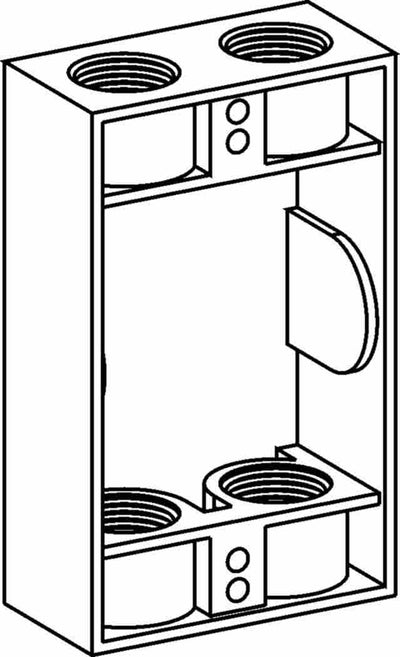
Orbit 1/2 in 1-Gang Weatherproof Extension Box EXB504

Orbit Weatherproof Box Holder 1/2 in Trade Size BH50
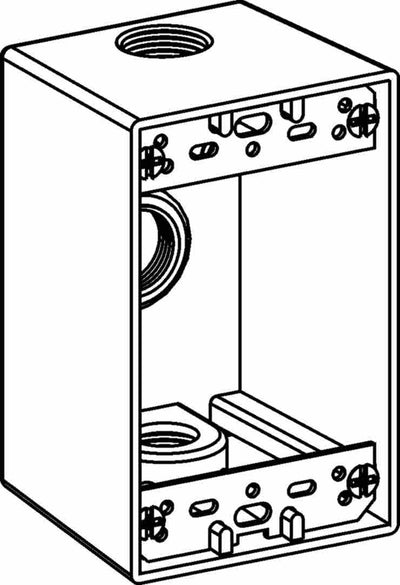
Orbit 1-Gang Gray Weatherproof Box 3 Hub 1 in 2-5/8 in Deep 1DB100-3

Orbit 2-Gang Gray Weatherproof Box 5 Hub 3/4 in 2 in Deep 2B75-5X

Orbit 2-Gang Gray Weatherproof Box 5 Hub 3/4 in 2 in Deep 2B75-5

Orbit 2-Gang Weatherproof Box 5 Hub 1 in hub size 2-5/8 in Deep 2DB100-5

Orbit 2-Gang Weatherproof Box 7 Hub 3/4 in hub size 2 in Deep 2B75-7X

Orbit 1-Gang Weatherproof Box 5 Hub 3/4 in Gray 1B75-5

Orbit 2-Gang Gray Weatherproof Box 6 Hub 1/2 in 2 in Deep 2B50-6X

Orbit 1-Gang Weatherproof Box 3 Hub 3/4 in Gray 1B75-3

Orbit 2-Gang Weatherproof Box Gray 2PB-G

Orbit 2-Gang Weatherproof Box 5 Hub 3/4 in hub size 2-5/8 in Deep 2DB75-5
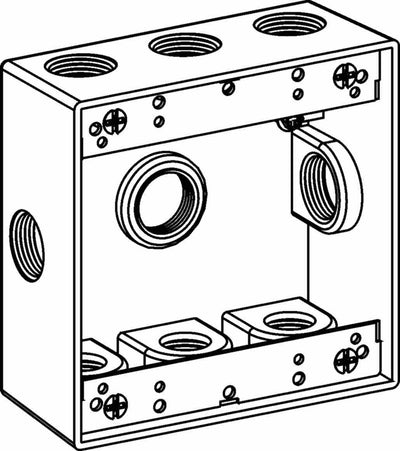
Orbit 2-Gang Weatherproof Box 9 Hub 3/4 in hub size 2 in Deep 2B75-9

Orbit 1-Gang White Weatherproof Box 1PB-W
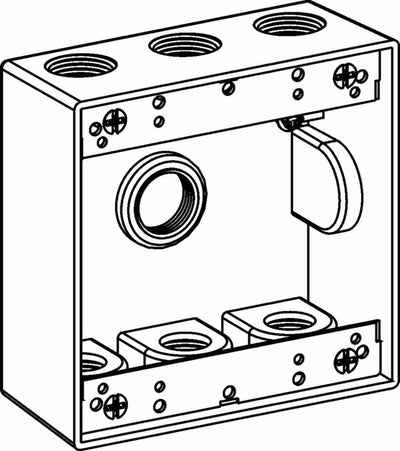
Orbit 2-Gang Gray Weatherproof Box 7 Hub 3/4 in 2 in Deep 2B75-7
About Weatherproof Electrical Boxes
How to Choose Weatherproof Electrical Boxes for Outdoor Wiring
Weatherproof electrical boxes need to match the device, raceway, and exposure at the installation. Start with what the box will hold, then check required depth, gang count, conduit-entry layout, and material. The finished assembly matters too: the box, fittings, device, gasket, and cover all have to suit the same environment. A box marked for exterior use does not make an indoor cover or an improperly sealed entry weatherproof, so plan the complete assembly before ordering individual pieces.
- An outdoor receptacle that stays plugged in needs a matching weatherproof or in-use cover.
- A receptacle requiring ground-fault protection points to GFCI receptacles and outlets.
- Threaded raceway entries need compatible electrical fittings.
- Hose-down or harsher equipment protection may require a higher-rated NEMA enclosure.
- For protected indoor walls, start with device and outlet boxes instead.
FS vs. FD Weatherproof Boxes: Choose Depth From the Wiring Space
FS and FD boxes serve similar surface-mounted device applications, but depth is the practical difference. A typical FS box is around 2 inches deep, while an FD version is closer to 2 3/4 inches, giving conductors and deeper devices more room behind the yoke. That extra space matters when the raceway continues through the box or when the device body occupies much of the enclosure.
Decision rule: if conductor fill or device depth is tight, move to the deeper box rather than forcing the wiring into the shallow option. If an existing outdoor box only needs additional usable depth, compare weatherproof extension rings before replacing the entire assembly.
Bell Boxes and Hub Layout: Count Conduit Entries Before Ordering
Bell-style weatherproof boxes are useful for surface-mounted outdoor devices and fixture connections because several threaded entry points can be built into one box. Hub count and location determine whether the raceway can terminate, pass through, or branch without adding another enclosure. A 2-gang box with three hubs, for example, solves a different layout than a single-entry box even when both hold similar devices.
If conduit arrives from below and continues to a second exterior point, choose the hub layout before the box reaches the jobsite. Decision rule: count the actual raceway entries and match their trade size first; unused threaded openings must remain properly closed. Coordinate the entries with the appropriate conduit fittings and connectors.
Cast Aluminum vs. PVC Weatherproof Boxes
Material should follow the wiring system and environment. Cast metal boxes pair naturally with compatible metallic raceway and provide a rugged surface-mounted enclosure. Nonmetallic PVC boxes pair with nonmetallic raceway and avoid metal corrosion, but grounding and bonding still have to be handled correctly for the circuit and installed equipment. Don't choose between the two on color or price alone.
A 3/4-inch PVC conduit run on an exterior wall normally points toward a compatible nonmetallic box system, while a metallic raceway installation may call for a cast box and listed threaded fittings. If the project primarily needs a larger splice enclosure rather than a device box, move to junction boxes and enclosures instead.
Match the Weatherproof Box, Device, and Cover as One Assembly
The enclosure is incomplete until the front opening is protected correctly. A standard weatherproof cover can close a switch or receptacle when it is not in use, while a while-in-use cover provides space for a connected cord while the cover remains closed. The cutout and gang configuration also have to match the device behind it.
For a 1-gang outdoor GFCI that powers seasonal equipment while plugged in, plan the receptacle, gasket, box, and in-use cover together rather than ordering the enclosure first and improvising the front later. Decision rule: select the installed device before choosing the final cover configuration. General outlet options are available in Lumera's receptacle collection.
Know When a Standard Weatherproof Box Is Not Enough
Weather resistance has limits. A box intended for falling rain and normal exterior exposure should not automatically be used where equipment is pressure-washed, submerged, or exposed to aggressive chemicals. NEMA 3R, NEMA 4, and NEMA 4X describe different levels of environmental protection, so the project requirement needs to be known before the enclosure is selected.
A wall-mounted receptacle exposed to ordinary rain is a different problem from an enclosure in a washdown area. If direct hose-down or a corrosive atmosphere is part of the site condition, choose an enclosure specifically rated for that environment rather than upgrading only the cover. Before installation, verify the exact product rating and follow the manufacturer's mounting and sealing instructions.
Ordering Weatherproof Electrical Boxes for a Project
For exterior renovations, multi-unit work, commercial maintenance, or repeated outdoor device locations, organize the box schedule by device type, gang count, depth, material, hub count, hub trade size, cover requirement, environmental exposure, and quantity. Keeping boxes, fittings, covers, and devices tied to the same location reduces mismatched assemblies. Repeat project buyers can also review Lumera Electric's trade account options.
Request a Weatherproof Box Project Quote
For larger quantities or projects using several box configurations, request a project quote after the outdoor wiring schedule has been established.
Have these details ready:
- FS, FD, Bell-style, or nonmetallic box requirement
- One-gang, two-gang, round, or other required configuration
- Required box depth
- Conduit type and trade size
- Number and direction of raceway entries
- Receptacle, switch, fixture, or splice application
- Standard or while-in-use cover requirement
- Wet, damp, washdown, or other environmental condition
- Quantity by configuration
For repeated exterior details, you can also submit your weatherproof enclosure schedule so boxes, hub sizes, covers, devices, and quantities stay coordinated.
Weatherproof Electrical Box FAQs
What is the difference between an FS and an FD weatherproof box?
Depth is the main difference: FS boxes are shallower, while FD boxes provide more internal wiring space. The deeper option is useful when conductor fill is heavier or a bulky device needs additional room behind it. Lumera's electrical box guide explains why internal volume matters when devices and conductors share the enclosure.
What is a Bell box used for?
A Bell-style box is a surface-mounted weatherproof enclosure commonly used for outdoor receptacles, switches, lighting connections, and exposed wiring. Multiple threaded hubs make it useful where conduit may enter from different directions. Choose the gang count, hub size, and entry pattern from the actual raceway layout rather than treating every Bell box as interchangeable.
Do I need a separate cover for a weatherproof electrical box?
Yes. The box and front cover perform different parts of the enclosure system, and the cover must match the device and exposure. An outdoor outlet that remains connected may require a while-in-use style rather than a basic flip lid. Compare Lumera's outdoor outlet covers after the device and box configuration are known.
Should I use a metal or PVC weatherproof box?
Choose the material from the wiring method and site conditions. Cast metal boxes suit compatible metallic raceway systems and provide a durable surface enclosure, while PVC works naturally with nonmetallic conduit and avoids metal corrosion. In either case, grounding, fittings, and the enclosure rating must be coordinated with the exact installation.
Is a weatherproof box suitable for hose-down or corrosive locations?
Not automatically. A box suited to ordinary outdoor rain exposure may not provide the protection required for direct hose-down, submersion, or corrosive environments. When the site requires a higher enclosure rating, compare Lumera's NEMA-rated enclosures and select the exact rating from the project conditions rather than assuming every outdoor box provides the same protection.