


Tape, Rope & Ribbon
Tape, rope and ribbon lighting covers flexible linear LED formats used for coves, cabinetry, shelves, millwork and architectural details. Tape and ribbon are flat strip formats, while rope lighting uses a rounded encased profile where that format is specified. Choose by physical format, electrical system and installation environment before comparing color or output. For longer runs, map the footage, feed points and driver locations first so the lighting and power components are planned as one system.


Showing 1481–1500 of 1598 results
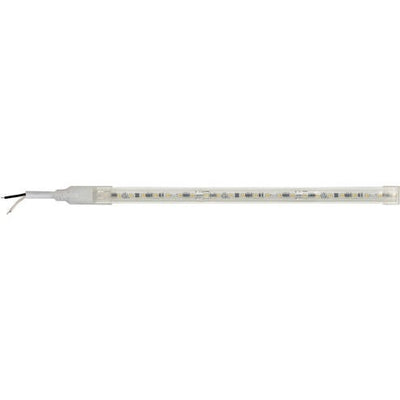
Nora Lighting NUTP13-W45-12-930/HW Custom Cut 45-ft 120V Continuous LED Tape Light, 330lm / 3.6W per foot, 3000K, w/ Mounting Clips and 8' Hardwired Power Cord
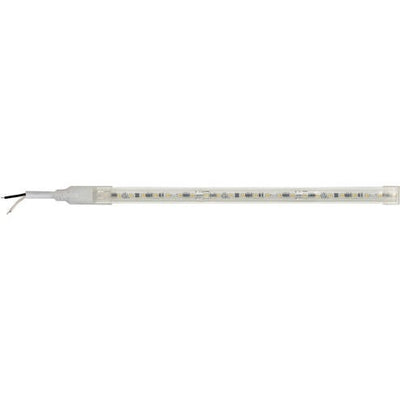
Nora Lighting NUTP13-W43-4-12-930/HWSP Custom Cut 43-ft, 4-in 120V Continuous LED Tape Light, 330lm / 3.6W per foot, 3000K, w/ Mounting Clips and 8' Hardwired Power Cord w/ Surge Protector
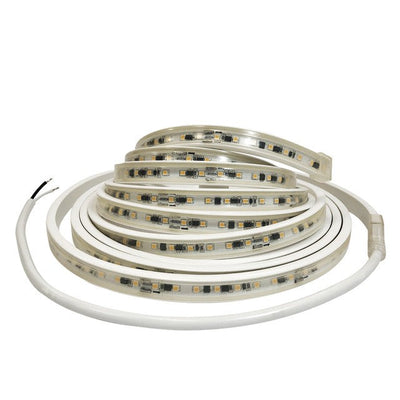
Nora Lighting NUTP13-W46-12-940/HW Custom Cut 46-ft 120V Continuous LED Tape Light, 330lm / 3.6W per foot, 4000K, w/ Mounting Clips and 8' Hardwired Power Cord

Nora Lighting NUTP13-W46-12-930/HW Custom Cut 46-ft 120V Continuous LED Tape Light, 330lm / 3.6W per foot, 3000K, w/ Mounting Clips and 8' Hardwired Power Cord
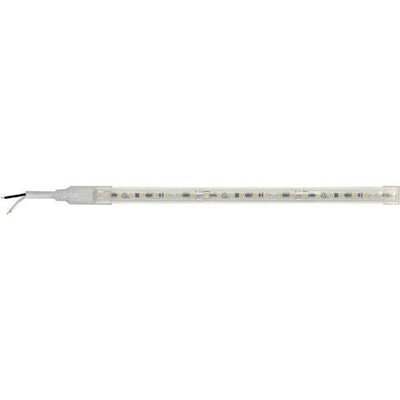
Nora Lighting NUTP13-W44-12-940/HWSP Custom Cut 44-ft 120V Continuous LED Tape Light, 330lm / 3.6W per foot, 4000K, w/ Mounting Clips and 8' Hardwired Power Cord w/ Surge Protector
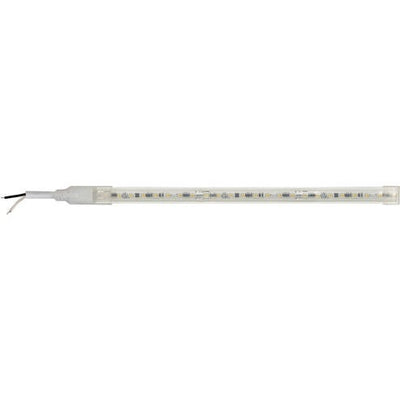
Nora Lighting NUTP13-W44-12-930/HWSP Custom Cut 44-ft 120V Continuous LED Tape Light, 330lm / 3.6W per foot, 3000K, w/ Mounting Clips and 8' Hardwired Power Cord w/ Surge Protector

Nora Lighting NUTP13-W46-4-12-930/HW Custom Cut 46-ft, 4-in 120V Continuous LED Tape Light, 330lm / 3.6W per foot, 3000K, w/ Mounting Clips and 8' Hardwired Power Cord
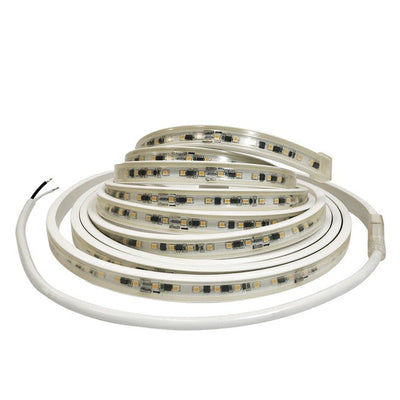
Nora Lighting NUTP13-W46-8-12-940/HW Custom Cut 46-ft, 8-in 120V Continuous LED Tape Light, 330lm / 3.6W per foot, 4000K, w/ Mounting Clips and 8' Hardwired Power Cord
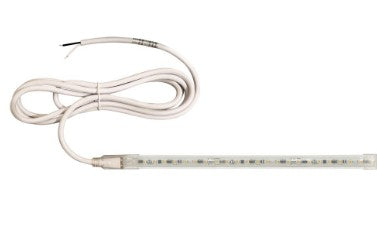
Nora Lighting NUTP13-W46-8-12-930/HW Custom Cut 46-ft, 8-in 120V Continuous LED Tape Light, 330lm / 3.6W per foot, 3000K, w/ Mounting Clips and 8' Hardwired Power Cord
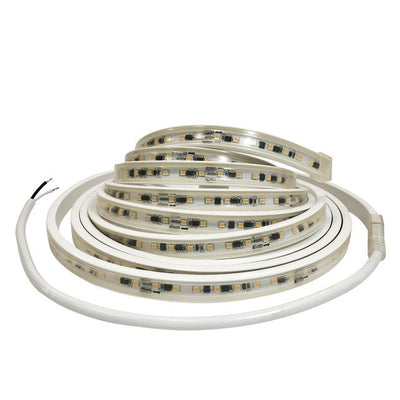
Nora Lighting NUTP13-W47-12-940/HW Custom Cut 47-ft 120V Continuous LED Tape Light, 330lm / 3.6W per foot, 4000K, w/ Mounting Clips and 8' Hardwired Power Cord

Nora Lighting NUTP13-W47-12-930/HW Custom Cut 47-ft 120V Continuous LED Tape Light, 330lm / 3.6W per foot, 3000K, w/ Mounting Clips and 8' Hardwired Power Cord
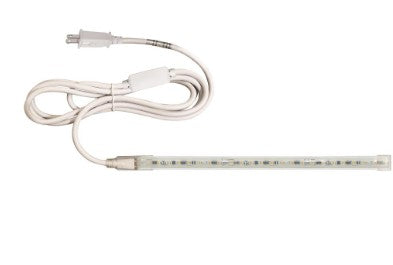
Nora Lighting NUTP13-W47-12-930/CP Custom Cut 47-ft 120V Continuous LED Tape Light, 330lm / 3.6W per foot, 3000K, w/ Mounting Clips and 8' Cord & Plug
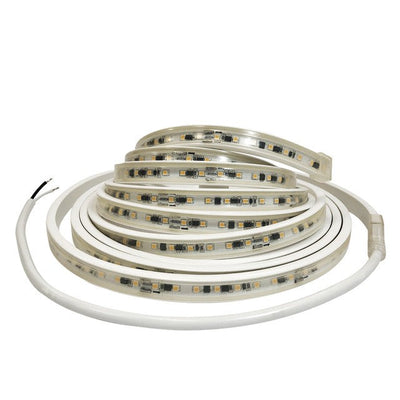
Nora Lighting NUTP13-W47-4-12-940/HW Custom Cut 47-ft, 4-in 120V Continuous LED Tape Light, 330lm / 3.6W per foot, 4000K, w/ Mounting Clips and 8' Hardwired Power Cord
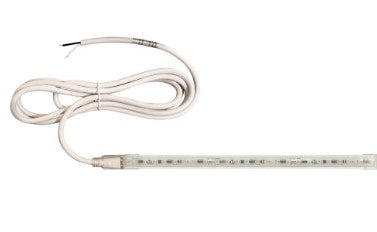
Nora Lighting NUTP13-W47-4-12-930/HW Custom Cut 47-ft, 4-in 120V Continuous LED Tape Light, 330lm / 3.6W per foot, 3000K, w/ Mounting Clips and 8' Hardwired Power Cord
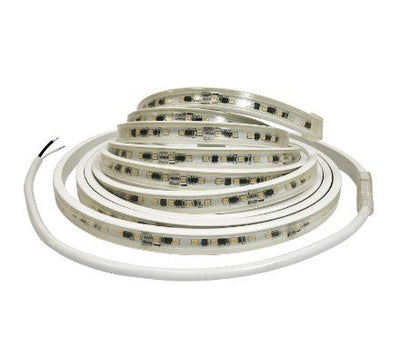
Nora Lighting NUTP13-W47-4-12-927/HW Custom Cut 47-ft, 4-in 120V Continuous LED Tape Light, 330lm / 3.6W per foot, 2700K, w/ Mounting Clips and 8' Hardwired Power Cord

Nora Lighting NUTP13-W47-8-12-930/HW Custom Cut 47-ft, 8-in 120V Continuous LED Tape Light, 330lm / 3.6W per foot, 3000K, w/ Mounting Clips and 8' Hardwired Power Cord
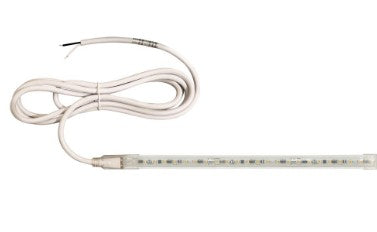
Nora Lighting NUTP13-W48-12-940/HW Custom Cut 48-ft 120V Continuous LED Tape Light, 330lm / 3.6W per foot, 4000K, w/ Mounting Clips and 8' Hardwired Power Cord
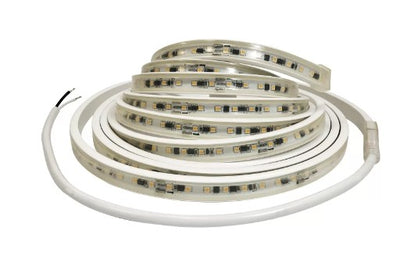
Nora Lighting NUTP13-W48-12-930/HW Custom Cut 48-ft 120V Continuous LED Tape Light, 330lm / 3.6W per foot, 3000K, w/ Mounting Clips and 8' Hardwired Power Cord
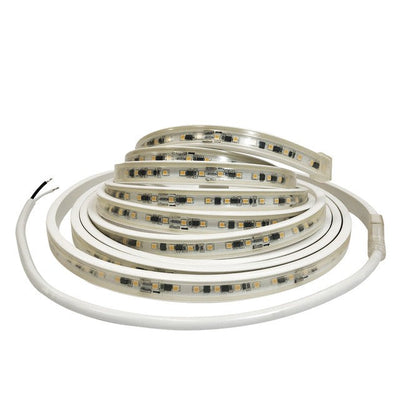
Nora Lighting NUTP13-W46-12-930/HWSP Custom Cut 46-ft 120V Continuous LED Tape Light, 330lm / 3.6W per foot, 3000K, w/ Mounting Clips and 8' Hardwired Power Cord w/ Surge Protector
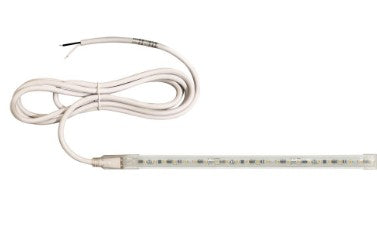
Nora Lighting NUTP13-W46-4-12-930/HWSP Custom Cut 46-ft, 4-in 120V Continuous LED Tape Light, 330lm / 3.6W per foot, 3000K, w/ Mounting Clips and 8' Hardwired Power Cord w/ Surge Protector
About Tape, Rope & Ribbon
How to Choose Tape, Rope & Ribbon LED Lighting
Tape, rope and ribbon lighting solve similar linear-lighting problems with different physical formats and installation methods. Start by deciding whether the light source needs to disappear into a cove or channel, follow a decorative outline, or become part of detailed millwork. Then establish voltage, run length, output, driver and dimming requirements. Flexible lighting is a system: the strip, power supply, connectors, mounting method and control all need to work together before footage is ordered.
- For flat flexible LED strips used in coves and cabinets, start with LED tape light.
- For specialty flat-strip formats, compare LED ribbon lighting.
- For the power supply, match the run with LED drivers and power supplies.
- For a finished rigid linear fixture instead of flexible strip, use LED linear lighting.
Tape Light vs. Ribbon Light vs. Rope Light
Tape and ribbon commonly describe thin, flexible LED circuits that mount flat against a surface or inside an extrusion. The two terms often overlap between manufacturers, so voltage, output, width and construction matter more than the wording in the product name. Rope light is a different physical idea: the light source is enclosed in a rounded flexible housing, which changes how it bends, mounts and distributes light.
For a 12-ft concealed kitchen cove, a flat strip usually fits the detail better than a round profile. Decision rule: choose the physical format from the mounting detail first. Then narrow the flat-strip options through Lumera’s tape-light range or ribbon-light collection.
Match Voltage, Driver and Total Run Wattage
Low-voltage flexible lighting cannot be specified independently from its power supply. The strip voltage must match the driver output, and the driver capacity has to cover the total connected load according to the manufacturer’s sizing requirements. A 24V strip should not be paired with a 12V supply simply because the connector fits.
If a 16-ft run draws 5W per foot, the connected load is 80W before applying the driver manufacturer’s required capacity margin. Calculate the finished footage first, then select the supply. Lumera’s driver collection covers power supplies used with flexible LED systems.
Plan Maximum Run Length and Power Feed Locations Early
Long low-voltage runs can lose voltage as current travels through the strip and wiring. The visible symptom is often a far end that appears dimmer or shifts in performance. Each product has its own maximum run length and cut interval, so spool length alone does not tell you how far one feed can power.
A 30-ft cove may need multiple feeds even when the purchased spool is longer than 30 ft. Decision rule: stay within the published maximum run and establish feed points before walls, millwork or channels are closed. Lumera’s LED strip cutting and connection guide explains cut points, polarity and connector matching.
Choose Output, Color and Diffusion for the Lighting Effect
Flexible LED lighting can provide subtle accent light, useful task light or a brighter architectural glow. Output per foot determines both brightness and the electrical load, while color temperature changes the visual character of the installation. A higher-output strip also creates more heat and can require a larger driver, so more output is not automatically better.
Under a cabinet, visible LED dots can make an otherwise correct installation look unfinished. Aluminum channel and a diffuser help create a more continuous line while also giving the strip a stable mounting surface. If the project is primarily kitchen or millwork task lighting, compare complete fixtures in Lumera’s under-cabinet lighting category before building the run from separate parts.
Match the Dimming Method to the Driver
The driver determines how most low-voltage tape and ribbon systems interact with a wall control. A dimmable strip does not automatically work with every dimmer. Phase-control, ELV and 0-10V systems use different control methods, and the selected power supply must explicitly support the one installed on the project.
For a restaurant cove that needs smooth wall dimming, choose the driver and control architecture together before ordering the strip. Decision rule: read the driver’s dimming specification first, then select the matching control. Lumera’s ELV and 0-10V dimmers cover two common control methods, while the broader dimmer collection covers additional approaches.
Use the Correct Product and Accessories for Damp or Wet Locations
A sealed strip alone does not make the entire installation suitable for moisture. Connectors, end terminations, channels, wiring and the driver all need to suit the actual environment. Protective coatings can also change the strip’s dimensions and connector compatibility, so indoor accessories should not automatically be reused with a sealed product.
For a patio detail or another exposed location, verify the stated location or ingress-protection rating for every component in the run. If the project really needs a complete luminaire with its own housing rather than field-assembled flexible lighting, move to linear and architectural fixtures. Hardwired line-voltage connections on LED drivers should be completed by qualified electrical personnel.
Ordering Tape, Rope & Ribbon Lighting for a Project
For multi-room, retail, hospitality, millwork or architectural projects, build the schedule by run length, flexible-light format, voltage, watts per foot, color temperature, location rating, driver, control method and feed point. Keeping each run tied to its power and control components helps prevent voltage mismatches and incomplete accessory packages. Repeat buyers can also review Lumera Electric’s trade account options.
Request a Flexible LED Lighting Project Quote
For longer runs, repeated details or larger material quantities, request a project quote after the basic lighting layout has been established.
Have these details ready:
- Individual run lengths and total footage
- Tape, ribbon or other required format
- System voltage
- Required output and color temperature
- Indoor, damp or wet-location conditions
- Driver location and available input power
- Dimming or control method
- Feed points and wiring distances
- Channel, diffuser and connector requirements
For projects with several different runs, you can also submit your flexible-lighting schedule so footage, drivers, controls and accessories remain coordinated.
Tape, Rope & Ribbon Lighting FAQs
What is the difference between tape light and ribbon light?
Tape light and ribbon light are often two names for similar flat flexible LED strip products. The meaningful differences are usually voltage, output, width, LED density, location rating and accessory compatibility rather than the word in the title. Compare the specifications first, then use Lumera’s tape-light products and ribbon-light section to narrow the appropriate format.
What is the difference between tape light and rope light?
Tape light is typically a flat flexible circuit intended to sit against a surface or inside a channel, while rope lighting uses a rounded encased profile. That physical difference changes bend direction, mounting and the way the light appears. Choose from the architectural detail rather than assuming the two formats are interchangeable.
Do tape and ribbon lights need an LED driver?
Low-voltage tape and ribbon systems require a compatible power supply whose output voltage matches the strip and whose capacity supports the connected run. Driver sizing depends on total wattage, not spool count. Review Lumera’s LED power supplies only after the strip voltage and finished footage are known.
Can LED tape or ribbon light be cut to length?
Most cuttable flexible LED strips can be shortened, but only at the cut points identified by the manufacturer. Cutting between those points can disable part of the circuit. Connector width, contact layout, polarity and voltage also have to match after the cut. Lumera’s strip-light connection guide covers the process in more detail.
Can flexible LED lighting be dimmed?
Yes, when the strip, driver and control are designed to work together. In most low-voltage systems, the driver determines which wall-dimming method can be used. Match the control protocol rather than simply choosing a dimmer by wattage; Lumera’s ELV and 0-10V controls cover two common driver-based dimming approaches.