


Strut & Channel
Strut and channel systems create adjustable support frameworks for electrical raceways, equipment, and related installations. Start with the supported load and mounting surface, then match the channel dimensions, support spacing, and compatible attachment hardware to the project. Brackets, channel hardware, anchors, and fasteners must work together as one support assembly rather than as interchangeable parts. For larger support layouts, map the load points and mounting conditions before finalizing lengths, fittings, and quantities.
Showing 1–20 of 89 results
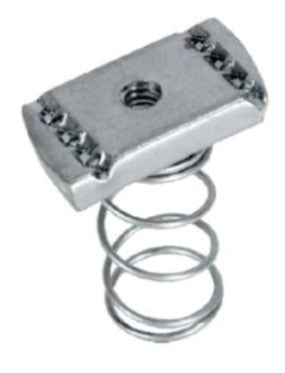
Orbit Steel Spring Nut, Regular, 1/4 in 20 Threaded Rod SNR1420
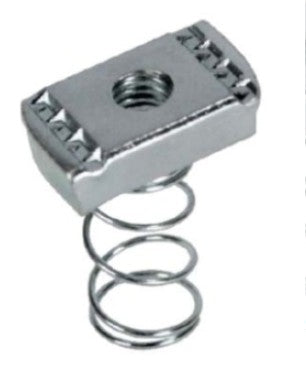
Orbit Steel Spring Nut, Regular, 3/8 in 16 Threaded Rod SNR3816
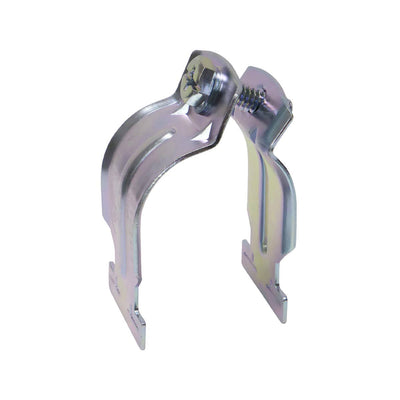
Dottie 1-1/4 in Universal Offset Strut Strap OSS125 (25-Pack)
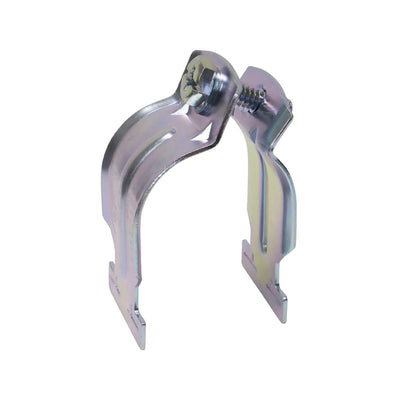
Dottie 1-1/2 in Universal Offset Strut Strap OSS150 (25-Pack)
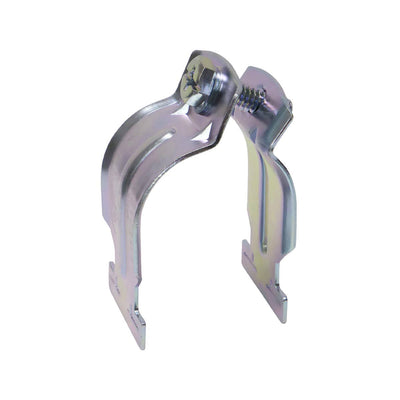
Dottie 2 in Universal Offset Strut Strap OSS200 (25-Pack)
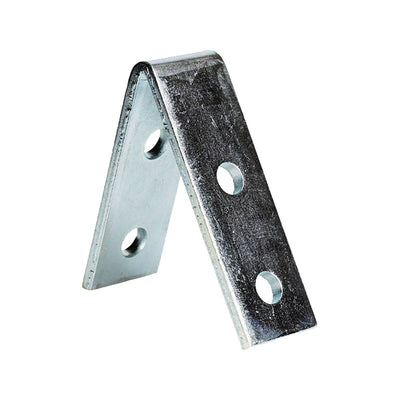
Dottie 4 Hole Bent 45 Degree Closed Angle Fitting SAF445C (25-Pack)
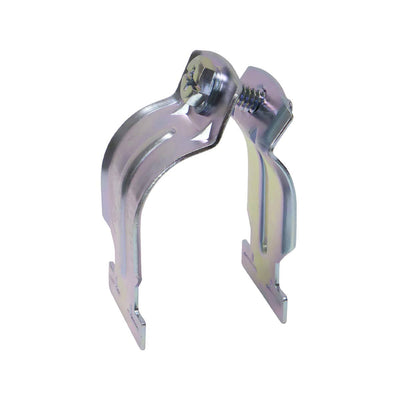
Dottie 1/2 in Universal Offset Strut Strap OSS50 (50-Pack)
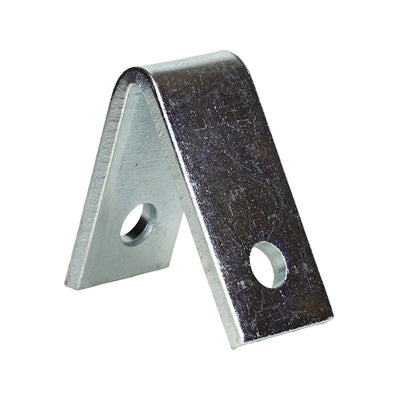
Dottie 2 Hole Bent 45 Degree Closed Angle Fitting SAF245C (25-Pack)
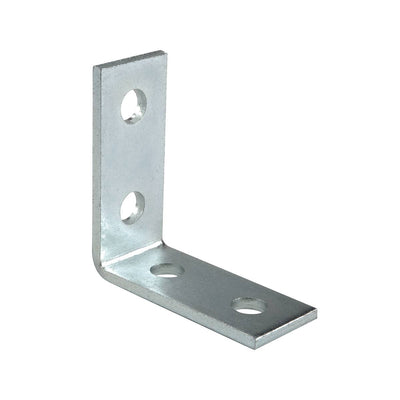
Dottie 4 Hole Bent 90 Degree Angle Fitting SAF490 (25-Pack)
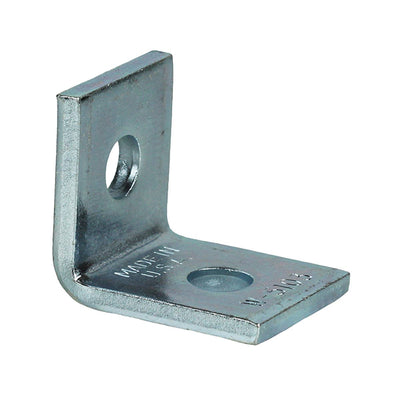
Dottie 2 Hole Bent 90 Degree Angle Fitting SAF290 (50-Pack)
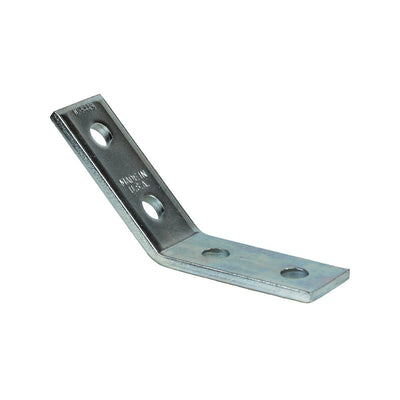
Dottie 4 Hole Bent 45 Degree Open Angle Fitting SAF445 (15-Pack)
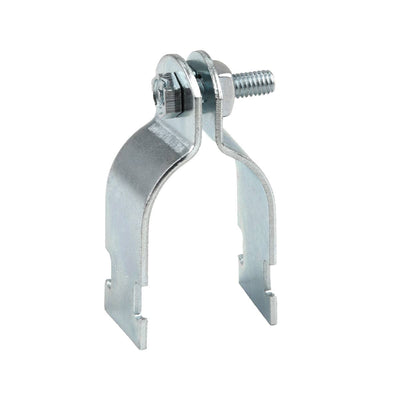
Dottie 1 in Universal Strut Clamp SC100U (50-Pack)
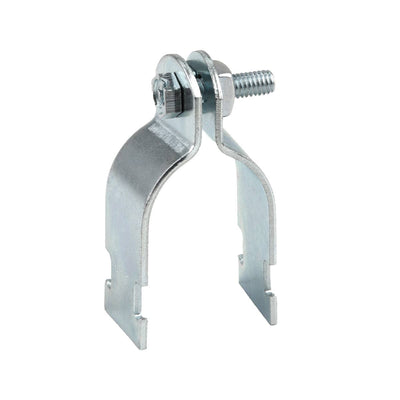
Dottie 1-1/2 in EMT Strut Clamp SC150E (50-Pack)
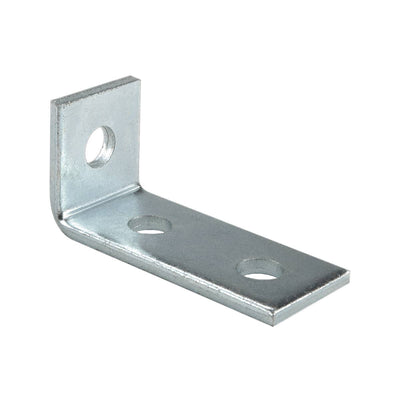
Dottie 3 Hole Bent 90 Degree Angle Fitting SAF390 (50-Pack)
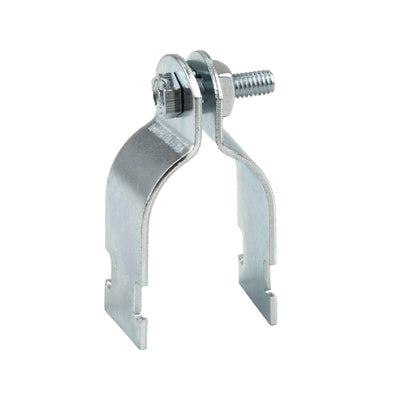
Dottie 1-1/2 in Rigid Strut Clamp SC150R (50-Pack)
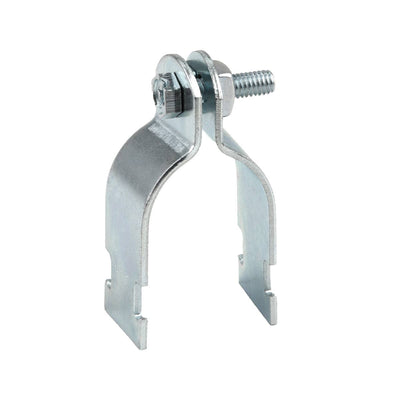
Dottie 2 in Universal Strut Clamp SC200U (50-Pack)
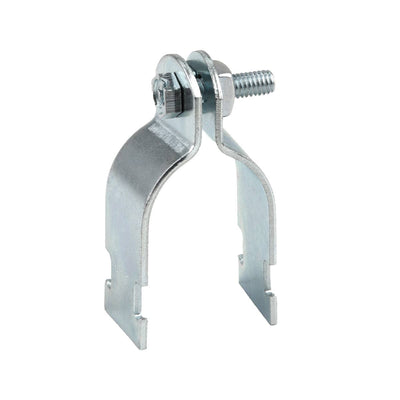
Dottie 3 in Rigid Strut Clamp SC300R (25-Pack)
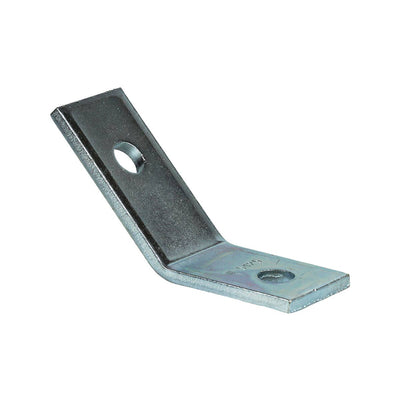
Dottie 2 Hole Bent 45 Degree Open Angle Fitting SAF245 (50-Pack)
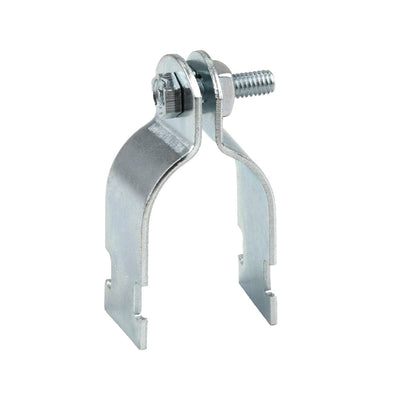
Dottie 2-1/2 in Rigid Strut Clamp SC250R (25-Pack)
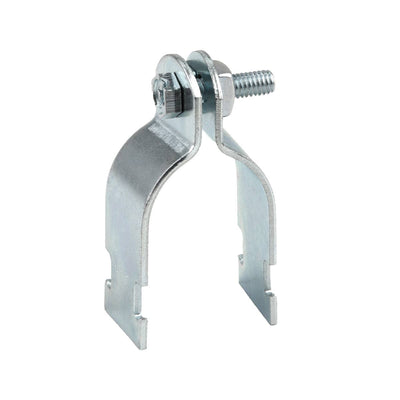
Dottie 1 in Rigid Strut Clamp SC100R (100-Pack)
About Strut & Channel
How to Choose Strut & Channel for Electrical Support Systems
Strut and channel systems provide a flexible framework for supporting raceways, electrical equipment, boxes, and other building-service components. The right system starts with the load and mounting surface, not the channel length alone. Confirm what the assembly needs to carry, how far supports will span, where it will attach to the structure, and which brackets, fasteners, and channel hardware complete the connection. Material and environmental exposure also matter when the support is installed outdoors or in a demanding space.
- Supporting conduit or cable along a route? Compare straps and support hardware.
- Need anchors, bolts, or general installation hardware? Start with electrical hardware and fasteners.
- Mounting a specific box, fixture, or device? Review mounting accessories.
Start With the Load the Strut Assembly Must Carry
Channel size and support spacing should be selected around the installed load rather than appearance. Raceway, cable, equipment, brackets, and the channel itself all contribute to the support condition. A framework carrying several conduits across a mechanical room is a different structural problem from a short bracket supporting one small enclosure.
Consider an 8-ft support run carrying multiple raceways. Increasing the number or size of those raceways changes the load even if the channel length stays the same. Decision rule: establish the supported weight and load points first, then use the channel and support manufacturer’s published capacity information to select the assembly.
Match Channel Dimensions and Profile to the Hardware
Strut systems are modular only when the parts share the correct dimensions and interface. Channel width, depth, slot arrangement, channel-nut style, bracket geometry, and bolt size all affect whether components fit together correctly. Similar-looking hardware should not be treated as universally interchangeable.
A bracket that fits one channel profile may not seat or tighten correctly in another. For repeated assemblies, standardize the channel system before purchasing nuts, brackets, or other fittings. Where bolts or threaded fasteners are required, Lumera’s screws and bolts category provides the separate fastening path that should be matched to the support manufacturer’s instructions.
Choose Anchors for the Actual Mounting Surface
The channel may be strong enough for the load while the attachment to the building is not. Concrete, masonry, structural steel, wood framing, and other substrates require different fastening methods. Anchor diameter alone does not establish capacity; embedment, edge distance, spacing, substrate condition, and installation method can all affect performance.
For example, a ceiling-mounted support attached to concrete should be designed around the approved anchor and substrate data rather than whatever fastener happens to fit the channel hole. Decision rule: treat the substrate-to-channel connection as its own load-bearing component and select anchors from the manufacturer’s published application and load information.
Support Spacing Is a System Decision, Not a Universal Number
There is no single support spacing that works for every strut installation. Channel capacity, orientation, load distribution, attached equipment, span, and connection details all influence how far the structure can safely bridge between mounting points. Raceway and cable systems can also have their own support-spacing requirements that must be coordinated with the strut layout.
A 6-ft horizontal span with a centered load behaves differently from the same channel carrying several distributed loads. Lay out the actual attachment points before cutting channel. When the strut supports conduit, coordinate that structure with the appropriate conduit fittings and connectors used along the same run.
Brackets and Fittings Define Corners, Drops, and Equipment Supports
Straight channel alone rarely completes a support assembly. Wall brackets, angle connections, cross-members, equipment mounting plates, and other fittings can be needed where the layout changes direction or creates a frame. Each connection changes how loads transfer through the structure.
For a wall-mounted frame that projects 18 in from the surface, the bracket connection becomes just as important as the horizontal channel. Decision rule: draw the support geometry before ordering hardware so every corner, cross-member, and equipment connection has a defined fitting. General-purpose components can also be coordinated through Lumera’s electrical fittings category where the application matches.
Plan Raceway and Box Mounting at the Same Time as the Strut
Strut often acts as the structural layer behind conduit, boxes, and other electrical equipment. Those components should be positioned before the channel system is finalized so straps, clamps, brackets, and boxes have enough mounting space and access. A support that is structurally adequate can still create a poor installation if fittings or covers become inaccessible.
Imagine a bank of four conduits terminating into two enclosures mounted on the same frame. Align the channel with both the raceway supports and box mounting points rather than laying out each separately. For enclosure selection and accessible connection points, coordinate the system with junction boxes and enclosures.
Match Material and Finish to the Installation Environment
Dry interior spaces, rooftops, damp locations, washdown areas, and corrosive environments place different demands on support hardware. The channel, brackets, fasteners, and attached hardware should all be suitable for the actual exposure. Mixing a corrosion-resistant channel with unsuitable fasteners can undermine the durability of the complete assembly.
For an exterior support frame, verify the environmental suitability of every major component rather than judging from color or finish alone. Lumera’s broader mounting hardware selection should also be filtered by material, substrate, load, and exposure instead of using an indoor fastener by default.
Keep Grounding and Bonding Requirements Separate From Structural Support
Metal strut can be part of an electrical installation, but its structural function does not automatically establish every grounding or bonding requirement for equipment, enclosures, or raceways mounted to it. Electrical continuity and structural attachment are separate questions and should be reviewed that way.
If several metallic enclosures and raceways share one support frame, follow the equipment, raceway, and project grounding requirements rather than assuming the frame replaces dedicated bonding components. Where the installation requires purpose-built connectors or jumpers, Lumera’s grounding and bonding hardware provides the appropriate product path.
Ordering Strut & Channel for Larger Projects
For repeated support racks or multi-room installations, build the material schedule from the support layout. Record channel lengths, support spans, load points, brackets, anchors, threaded hardware, mounting substrate, environment, and quantity. Repeat electrical buyers can also review Lumera Electric’s trade account options when sourcing support and fastening hardware across larger projects.
Request a Strut & Channel Project Quote
For larger quantities or projects with repeated support assemblies, request a project quote after the basic support geometry and load conditions have been established.
Have these details ready:
- Required channel size or profile
- Channel lengths and quantities
- Supported equipment, raceway, or cable type
- Approximate load per support or frame
- Support span and orientation
- Wall, ceiling, floor, or structural mounting surface
- Required brackets and connection hardware
- Anchor and fastener requirements
- Indoor, outdoor, damp, or corrosive environment
For projects with several support configurations, you can also submit your support schedule so channel, brackets, anchors, and quantities remain tied to the correct installation.
Strut & Channel FAQs
What is strut channel used for?
Strut channel is used to build adjustable support frameworks for raceways, cable systems, electrical boxes, equipment, and related building services. The channel works with compatible brackets, nuts, bolts, clamps, and anchors to create the complete support. For conduit and cable-specific supports, Lumera’s straps and supports category covers those attachment components.
How do I choose the right strut channel size?
Start with the supported load, span, orientation, and the dimensions required by the compatible hardware. A deeper or heavier channel may offer different structural capacity, but size alone does not determine suitability. Use the manufacturer’s load and span data for the exact profile and coordinate it with the brackets, fasteners, and mounting conditions in the assembly.
What is the difference between strut channel and conduit support?
Strut channel forms the structural framework, while conduit supports such as straps or clamps attach the raceway to that framework or directly to the building. They often work together. If the project is primarily choosing hardware that directly secures conduit or cable, start with raceway and cable support hardware rather than the channel itself.
Can the same strut hardware be used on every channel?
No. Channel profile, dimensions, slot arrangement, nut style, bolt size, and manufacturer system can affect compatibility. Parts that look similar may not seat, engage, or carry load the same way. For mounting components outside the channel system itself, compare mounting accessories by dimensions, interface, and supported load.
Can strut channel be installed outdoors?
Yes, when the exact channel, fittings, anchors, and fasteners are suitable for the exposure and required load. Outdoor, wet, coastal, or corrosive sites can require different materials or finishes from dry interior work. Verify each component rather than assuming the channel finish alone makes the complete support assembly suitable outdoors.