


Screws & Bolts
Electrical screws and bolts secure wall plates, boxes, brackets, supports, equipment, and other installation hardware. Choose machine screws for compatible threaded holes or nuts, sheet-metal and self-drilling screws for approved substrates, and application-specific fasteners where grounding or equipment instructions require them. Start with thread or screw size, diameter, and length, then confirm head and drive style, substrate, material or finish, and required engagement. For anchor installations, match the screw or bolt to both the anchor and supported component.
Showing 161–180 of 1419 results
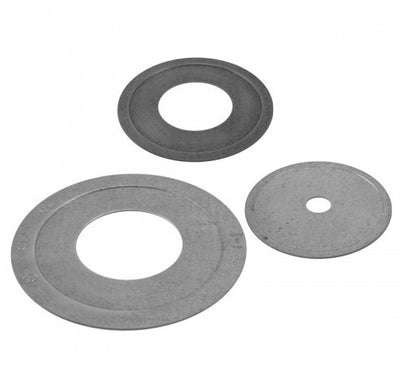
Orbit Reducing Washer 2-1/2 in ~ 3/4 in RW25075
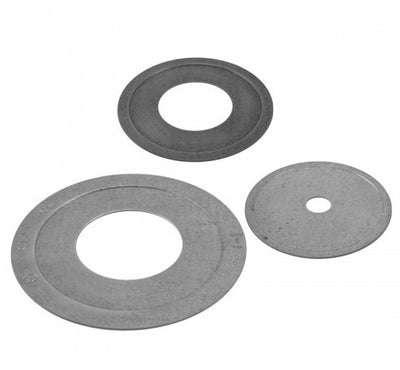
Orbit Reducing Washer 2-1/2 in ~ 1-1/4 in RW250125
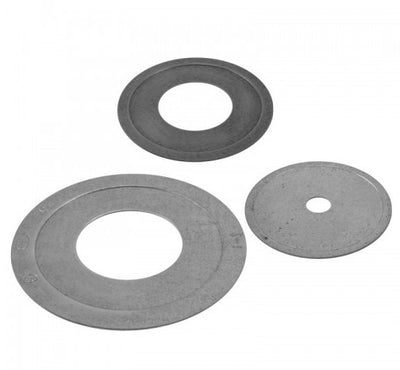
Orbit Reducing Washer 2 in ~ 1-1/4 in RW200125
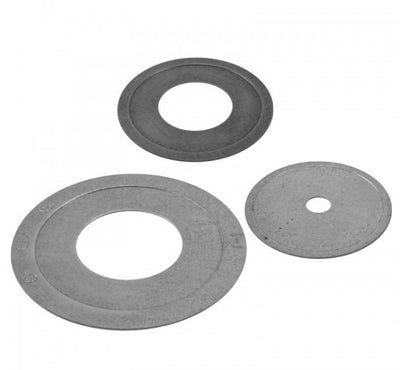
Orbit Reducing Washer 2 in ~ 1-1/2 in RW200150
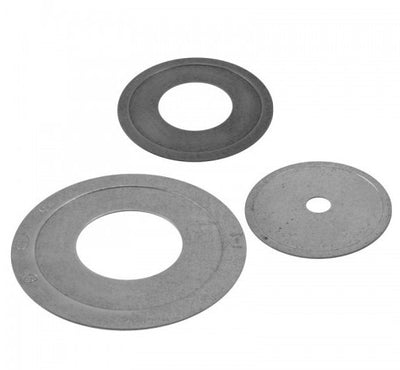
Orbit Reducing Washer 3-1/2 in ~ 2-1/2 in RW350250
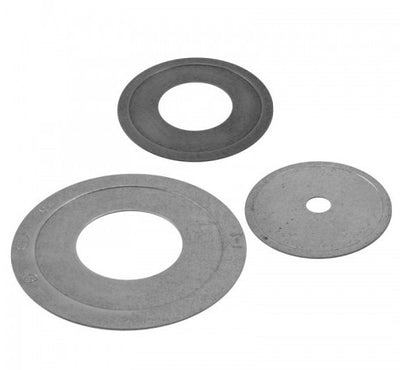
Orbit Reducing Washer 3-1/2 in ~ 2 in RW350200
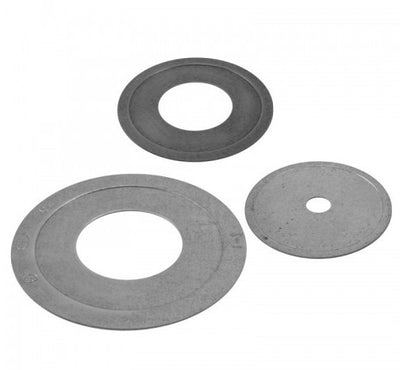
Orbit Reducing Washer 3-1/2 in ~ 3/4 in RW35075
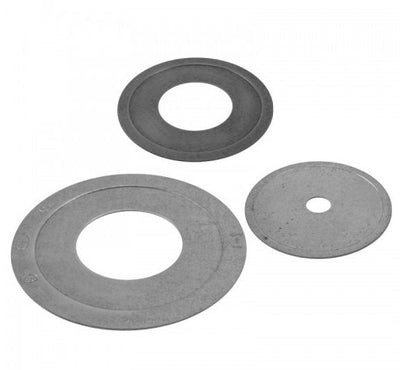
Orbit Reducing Washer 3 in ~ 2 in RW300200
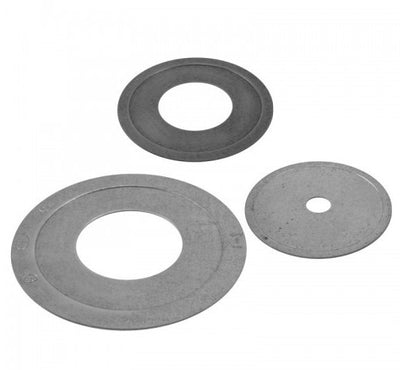
Orbit Reducing Washer 3-1/2 in ~ 3 in RW350300
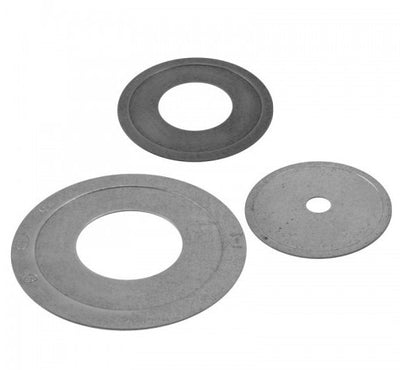
Orbit Reducing Washer 3 in ~ 1 in RW300100
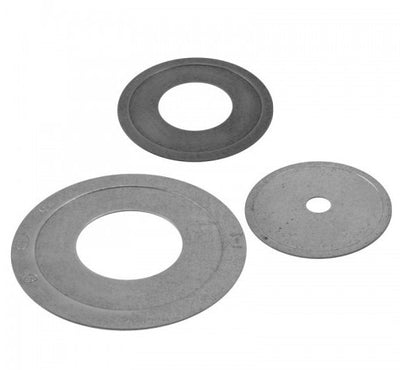
Orbit Reducing Washer 4 in ~ 2 in RW400200
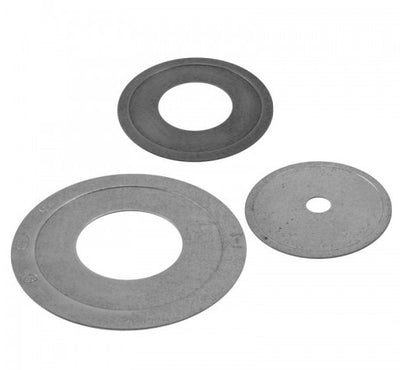
Orbit Reducing Washer 3-1/2 in ~ 1/2 in RW35050
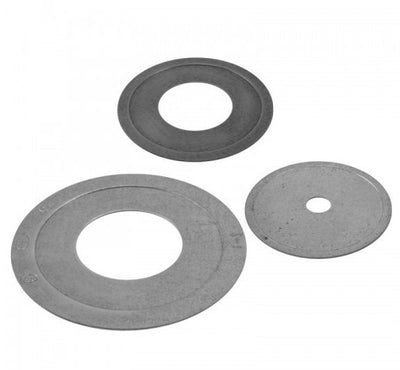
Orbit Reducing Washer 4 in ~ 1/2 in RW40050
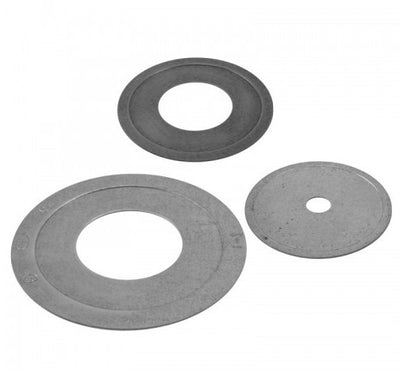
Orbit Reducing Washer 4 in ~ 3 in RW400300
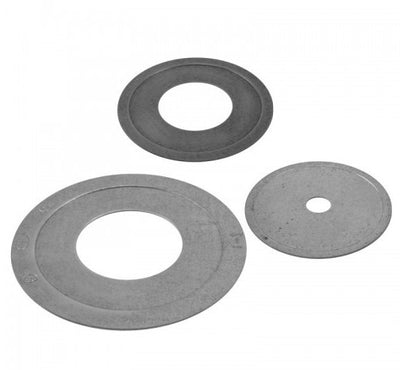
Orbit Reducing Washer 4 in ~ 2-1/2 in RW400250

Orbit Simple Support Bracket with Uma & 5SDBMKOPT10, Assbly SSB5SMKO

Orbit Simple Support Bracket, Adjustable 1624 in SSB
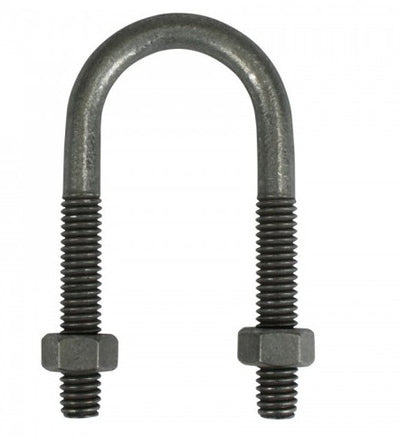
Orbit Steel Conduit Ubolt with Hex Nuts, 1-1/2 in SUB150
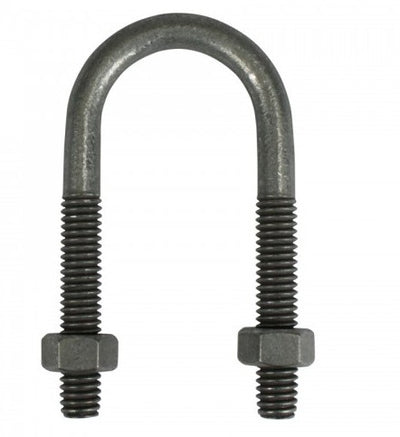
Orbit Steel Conduit Ubolt with Hex Nuts, 3 in SUB300
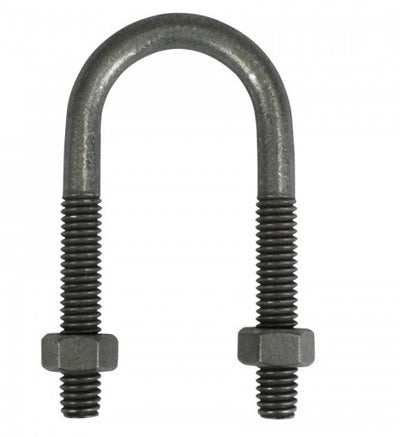
Orbit Steel Conduit Ubolt with Hex Nuts, 4 in SUB400
About Screws & Bolts
How to Choose Electrical Screws & Bolts
Screws and bolts should be selected from the connection they need to make. Start with the equipment, threaded hole, anchor, bracket, or substrate, then identify the required thread or screw size, diameter, length, head style, and drive. Material and finish matter as well, especially where moisture or corrosion is present. Similar-looking fasteners can use different threads or be intended for completely different substrates, so physical fit alone is not enough.
- Fastening into a tapped hole, nut, or threaded equipment part: choose the required machine-screw or bolt thread.
- Fastening compatible sheet metal or similar material: use the specified sheet-metal or self-tapping fastener.
- Drilling and fastening into an approved substrate in one operation: use a self-drilling screw designed for that material.
- Mounting to concrete, masonry, or hollow construction: match the fastener with a compatible anchor.
Machine Screws vs. Sheet-Metal Screws
Machine screws use defined machine threads and normally engage a matching nut, tapped hole, or threaded component. Common electrical hardware may use thread callouts such as #6-32, #8-32, #10-32, or 1/4-20. Both parts of that designation matter: the first identifies the screw diameter or nominal size, while the second identifies threads per inch.
Sheet-metal screws work differently. They form or cut engagement in an approved material rather than relying on a pre-tapped machine thread. Replacing one with the other because the outside diameter looks close can damage threads or produce a poor connection.
Decision rule: if the equipment already has a threaded hole or nut, match that exact thread. Use a sheet-metal fastener only where the material and equipment are designed for that fastening method.
Self-Tapping vs. Self-Drilling Screws
Self-tapping and self-drilling aren't identical terms. A self-tapping screw forms or cuts its mating thread as it is installed but may still require a pilot hole. A self-drilling screw incorporates a drill-like point that can create its own starting hole in compatible materials within the product's stated capacity.
The substrate still matters. Steel thickness, screw point design, diameter, and installation tool all affect whether the fastener can drill and engage correctly.
Decision rule: don't assume every pointed screw is self-drilling. Check the product description and the material thickness it is intended to penetrate before eliminating the pilot-hole step.
Thread Size and Pitch Must Match
Thread compatibility is exact. A #10-32 machine screw does not belong in a hole threaded for a different diameter or pitch, even if it begins to engage. Forcing a mismatched fastener can damage the tapped component and turn a simple replacement into equipment repair.
This is especially important with electrical boxes, equipment covers, devices, brackets, and service hardware where standardized-looking fasteners may use different thread systems.
Decision rule: record the complete thread designation from the existing fastener or equipment documentation. Don't select machine screws from diameter alone.
Choose Screw Length From Required Engagement
سAccount for every layer in the connection: cover, bracket, washer, spacer, wall plate, equipment flange, or other material between the screw head and the threaded surface. Anchor systems also have their own required screw length and embedment relationship.
Decision rule: calculate length from material thickness plus the required thread engagement or anchor specification. Don't add extra length unless the connection calls for it.
Head Style Changes How the Fastener Sits
Pan, round, oval, flat, and hex-head fasteners create different finished profiles and bearing surfaces. Wall-plate screws, for example, commonly use a finished head intended to sit neatly at the device plate, while equipment and support hardware may use pan, round, or hex heads where appearance is secondary to installation access.
A countersunk head also needs a mating surface designed to receive it. Using a flat-head screw against a surface intended for a different head can reduce bearing area or prevent the assembly from sitting correctly.
Decision rule: match head style to the component being fastened, not just to the driver available on site.
Drive Style Affects Installation and Service
Slotted, Phillips, square, hex, combination, and specialty drives each require the correct tool. Multi-drive screws can provide more than one installation option, but the driver still needs to engage the fastener properly.
Incorrect or undersized bits can cam out, damage the head, or make later maintenance difficult. This matters on repeated installations where hundreds of similar screws may be driven during one project.
Decision rule: standardize the drive type where practical, but never substitute a different fastener solely to match a preferred bit. The connection requirements come first.
Anchor and Screw Selection Have to Be Coordinated
An anchor and its screw or bolt function as one fastening system. The anchor may require a defined screw diameter, length, thread style, or installation torque. A screw that is too small may not engage correctly, while an oversized fastener can damage the anchor during installation.
The supported component introduces another interface because its mounting hole also has to accept the selected hardware.
Decision rule: check the substrate, anchor specification, fastener dimensions, and supported component together. Avoid combining unrelated anchors and screws simply because both fit the drilled hole.
Grounding Screws Are Application-Specific
Some screws are specifically intended for grounding or bonding applications. A green finish is commonly associated with grounding hardware, but color by itself does not prove that a screw is suitable for a particular grounding connection.
The equipment and grounding method should identify the correct fastener, thread, and connection arrangement. Lumera's current screw assortment includes grounding-specific products, but they should still be matched to the intended application rather than treated as universal green screws.
Decision rule: when the screw becomes part of the grounding or bonding path, use hardware identified for that purpose and coordinate it with the appropriate grounding and bonding components.
Boxes, Supports and Equipment May Require Different Fasteners
A screw used to attach a device to an electrical box doesn't necessarily belong in a structural support connection. Likewise, hardware suitable for mounting a light box to framing should not automatically be reused for a heavier bracket or raceway support.
The supported component, load, mounting surface, and manufacturer's instructions should define the fastening method. For raceway and cable support systems, establish the bracket or strap first through Lumera's straps and supports selection, then match its attachment hardware to the structure.
For device and outlet installations, verify fastener requirements against the exact electrical box and mounting method.
Material and Finish Matter Outdoors
Moisture, condensation, chemicals, coastal exposure, and contact with dissimilar metals can change fastener requirements. Zinc plating, coated steel, stainless steel, and other materials or finishes aren't interchangeable in every environment.
A fastener that performs well in a dry interior should not automatically be specified for an exposed exterior installation simply because its dimensions are correct. The supported equipment and surrounding materials may also introduce corrosion considerations.
Decision rule: choose the fastening material and finish after defining the installation environment. Verify environmental suitability on the exact product rather than judging corrosion resistance from appearance alone.
What to Confirm Before Ordering Screws & Bolts
- Fastening method: machine thread, sheet-metal, self-tapping, self-drilling, bolt, or application-specific screw.
- Diameter or screw size: match the equipment, anchor, or supported component.
- Thread pitch: confirm the full machine-thread designation where applicable.
- Length: account for material thickness and required engagement.
- Head style: choose the profile and bearing surface required by the assembly.
- Drive style: slotted, Phillips, square, hex, multi-drive, or another specified interface.
- Substrate: steel, wood, masonry, drywall, or another approved material.
- Anchor compatibility: verify screw or bolt dimensions against the exact anchor.
- Material and finish: match indoor, outdoor, wet, or corrosive exposure.
- Application: confirm whether the fastener performs a mounting, structural, grounding, or equipment-specific function.
Fasteners used for equipment support, grounding, listed electrical assemblies, or structural attachment should follow the equipment and fastener manufacturers' requirements. Where installation torque, pilot-hole size, anchor embedment, or a particular fastener is specified, use those values rather than substituting a visually similar screw or bolt.
Screws & Bolts FAQs
What is the difference between a machine screw and a sheet-metal screw?
A machine screw uses defined threads and normally engages a matching nut, tapped hole, or threaded component. A sheet-metal screw forms or cuts engagement in a compatible material. They shouldn't be substituted simply because their diameters look similar; use the fastening method intended by the equipment or substrate.
What is the difference between self-tapping and self-drilling screws?
A self-tapping screw creates or forms its thread in the material but may require a pilot hole. A self-drilling screw has a drill-style point designed to create its own starting hole in suitable materials within its rated capacity. Always verify the exact screw and substrate before skipping pre-drilling.
How do I choose the correct screw length?
Add the thickness of the materials being fastened to the engagement required by the threaded component, anchor, or manufacturer instructions. Longer isn't always better because an oversized screw can bottom out, interfere with equipment, or extend into wiring space.
Can any green screw be used for grounding?
No. Green color alone doesn't establish that a fastener is suitable for a grounding or bonding connection. Use a screw or grounding method identified for the exact equipment and application, and follow the required thread and installation instructions.
Can I use the same screws indoors and outdoors?
Only when the fastener material and finish are suitable for both environments. Outdoor moisture, coastal exposure, chemicals, and contact with other metals can change corrosion requirements. Check the exact product specification instead of assuming a plated indoor fastener is acceptable outside.
How do I choose a screw for an anchor?
Start with the anchor manufacturer's required screw or bolt diameter and length, then confirm the mounting hole in the supported component. The substrate, anchor, fastener, and mounted item need to work as one fastening system rather than being selected independently.