


Pendant Lights
Pendant lights suspend the light source closer to kitchen islands, dining tables, counters, entries, and other focal areas while adding a strong decorative element. Choose mini pendants for repeated points of light, linear or island pendants for longer surfaces, multi-light designs for a single statement canopy, and drum styles for softer ambient illumination. Start with the surface dimensions and ceiling height, then confirm fixture scale, drop length, light source, dimming compatibility, finish, and location rating.
Showing 1081–1100 of 1265 results
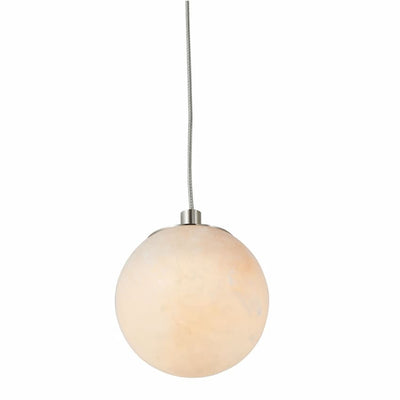
Abra Lighting Stone Alabaster Stone Orb Pendant includes 120" Cord and Uni-Jack Plug 4 in. - 6W, 3000K
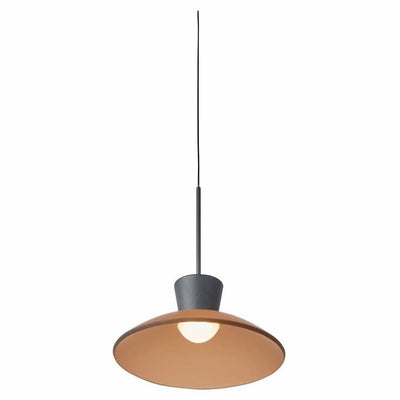
Abra Lighting Horizon Glass Shade Pendant with Uni-Jack Plug - 5W, 3000K
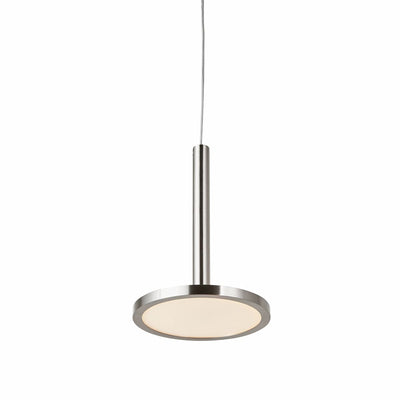
Abra Lighting Flip Acrylic Disc Pendant with Uni-Jack Plug - 5.4W, 3000K

Abra Lighting Spin 14 Inch Ribbed Acrylic Pendant with Uni-Jack Plug - 7W, 3000K

Abra Lighting Stone Alabaster Stone Orb Pendant includes 120" Cord and Uni-Jack Plug 6 in. - 6W, 3000K
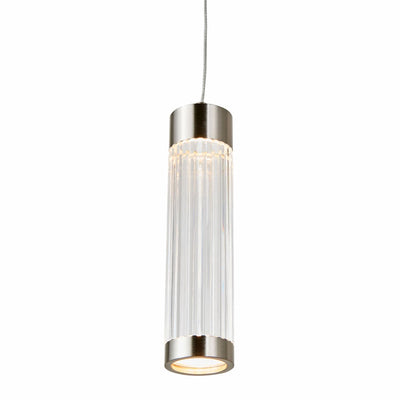
Abra Lighting Spin 10 Inch Ribbed Acrylic Pendant with Uni-Jack Plug - 7W, 3000K

Abra Lighting Sterling Clear Outer Glass Pendant with Up and Down Light 59 in. - 64W, 3CCT
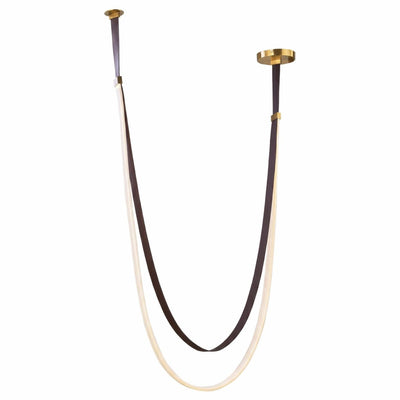
Abra Lighting MilkyWay Flat Silicon Rope Pendant with Leather Suspension 120 in. - 53W, 3CCT

Abra Lighting Sterling Clear Outer Glass Pendant with Up and Down Light 47.1 in. - 48W, 3CCT
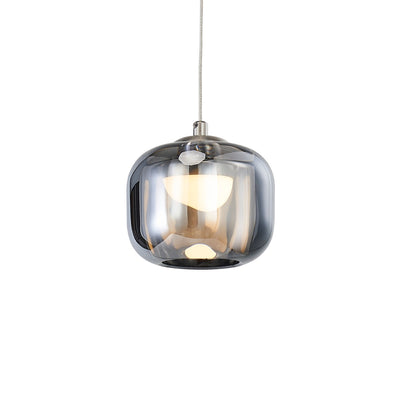
Abra Lighting Geo Square Glass Pendant with Uni-Jack Plug - 6W, 3000K
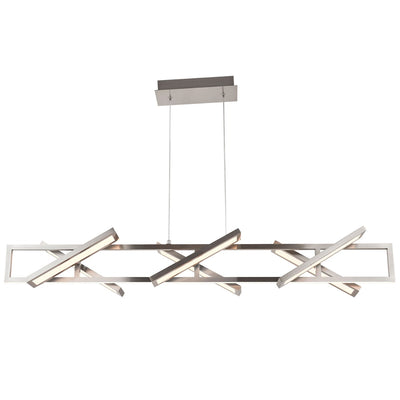
Abra Lighting Helix Rectangular Pendant with Six Pivoting Light Guide Diffusers - 75W, 3000K
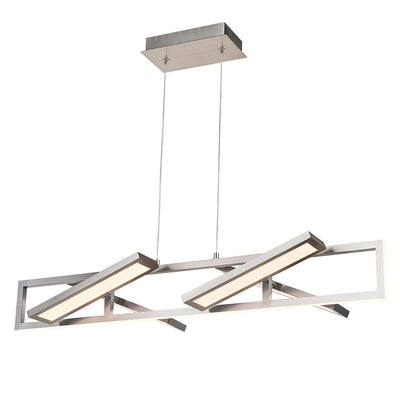
Abra Lighting Helix Rectangular Pendant with Four Pivoting Light Guide Diffusers - 50W, 3000K
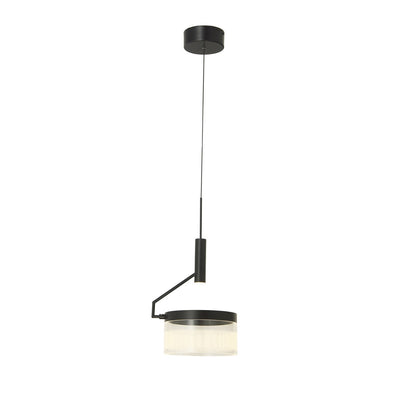
Abra Lighting Fleming Off-set Lightwave Pendant - 8W
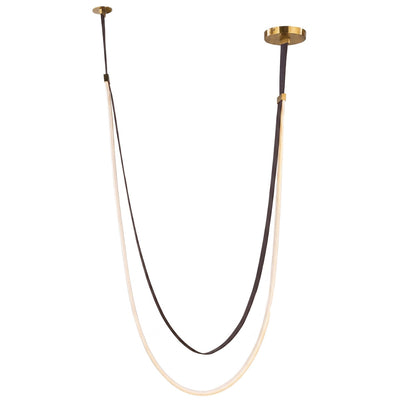
Abra Lighting MilkyWay Flat Silicon Rope Pendant with Leather Suspension 98 in. - 43W, 3CCT

Abra Lighting MilkyWay Flat Silicon Rope Pendant with Leather Suspension 78 in. - 35W, 3CCT

Abra Lighting Slim 47" Cable Suspended LED Pendant with Up-Down Light - 6W, 3000K
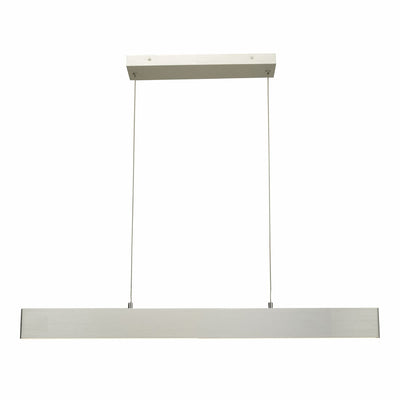
Abra Lighting Slim 32" Cable Suspended LED Pendant with Up-Down Light - 5W, 3000K
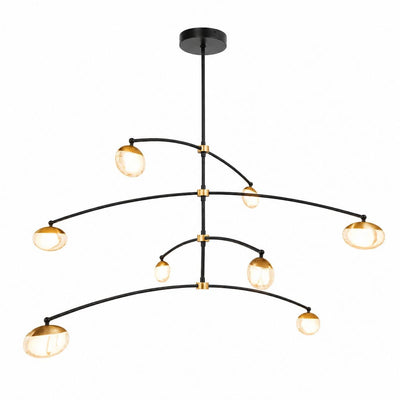
Abra Lighting Athena 8-Light Crystal Teardrop Cylinder Glass Pendant - 48W, 3000K
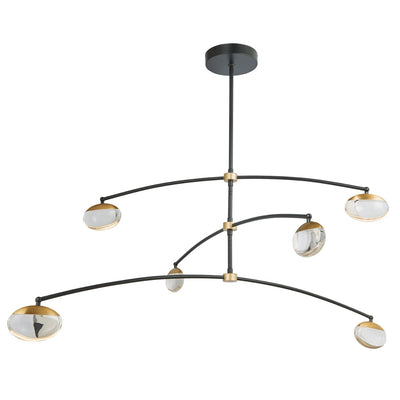
Abra Lighting Athena 6-Light Crystal Teardrop Cylinder Glass Pendant - 36W, 3000K
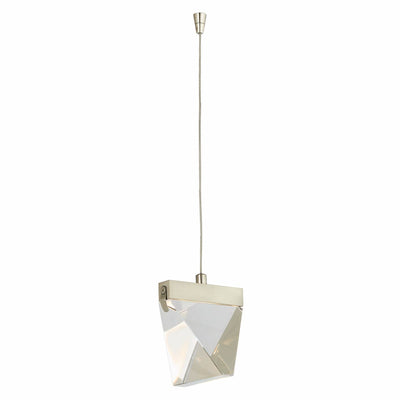
Abra Lighting Atlas Diamond Shaped Pendant Includes 120" Cord and Uni-Jack Plug - 5W, 3000K
About Pendant Lights
How to Choose Pendant Lights for Islands, Tables and Open Spaces
Pendant lighting works best when the fixture is selected around the surface or space below it. Start with the island, table, counter, or open area you want to illuminate, then determine whether one large fixture or several smaller pendants give the right scale. Hanging height, fixture diameter or length, light output, source type, dimming, ceiling support, and location rating should all be confirmed before the final finish is chosen.
- Small counter or repeated points of light: start with mini pendants.
- Long kitchen island or dining table: compare linear or island-style pendants.
- Need several light points from one ceiling canopy: consider a multi-light pendant.
- Need softer ambient light from a larger decorative form: compare drum-style pendants.
- Need a fixture with multiple arms rather than one suspended composition: browse chandeliers.
Mini, Linear, Multi-Light and Drum Pendants Serve Different Layouts
A mini pendant is a compact suspended fixture that works alone over a small counter or in a repeated row over a longer island. Linear pendants stretch the light source horizontally, so one fixture can visually follow the shape of a rectangular table or island. Multi-light pendants group several light elements from one canopy, while drum designs wrap the source in a broader shade and generally create a softer visual effect.
These categories can overlap in appearance, so the shape of the space is a better starting point than the product name.
Decision rule: match the fixture footprint to the surface below it. A long 7-foot island usually needs either several coordinated mini pendants or one appropriately scaled linear design rather than a small single fixture centered in the space.
How High Should Pendant Lights Hang?
Hanging height affects both illumination and sightlines. Over kitchen islands and counters, a useful starting range is roughly 30 to 36 inches between the work surface and the bottom of the fixture. Over a dining table, approximately 28 to 34 inches is a common starting point because the table itself keeps people from walking beneath the light.
Those dimensions are design guidelines, not fixed rules. Fixture height, shade size, ceiling height, occupant sightlines, and the amount of glare all influence the final position. In open circulation areas, maintain enough head clearance for normal movement.
Decision rule: set the pendant height from the surface or circulation path below it, then verify the fixture's available cord, chain, cable, or stem adjustment before ordering.
How Many Pendants Should Go Over a Kitchen Island?
There is no single correct pendant count. Fixture width and island length matter more than simply choosing two or three lights. As a rough planning guide, smaller pendants are often spaced at about one fixture for every 2 feet of island length, while larger shades require fewer fixtures and wider spacing.
A 6-foot island, for example, may work with two larger pendants or three smaller ones. The outer fixtures should normally sit in from the ends rather than directly over the edges, and the group should look centered as one composition.
Decision rule: choose the pendant size first, then calculate quantity and spacing. Buying three fixtures before checking their diameter is one of the easiest ways to overcrowd an island.
Integrated LED vs. Lamp-Ready Pendant Lights
Lumera's current collection includes both integrated LED pendants and fixtures that use replaceable lamps. An integrated LED design includes its light source and driver as part of the fixture, so output, color temperature, and dimming behavior are determined largely by that product's specifications.
A lamp-ready pendant gives more flexibility after installation because the compatible bulb determines lumen output, CCT, beam characteristics, and often dimming performance. Current products also include specialty low-voltage MR16 pendant configurations.
Decision rule: choose integrated LED when you want the fixture and light source engineered together. Choose a socketed fixture when replaceable lamps and future light-source flexibility are priorities.
Dimming Compatibility Depends on the Light Source
A pendant described as dimmable still needs a compatible control. With an integrated LED fixture, the driver determines which dimming method can be used. With a socketed pendant, compatibility depends on both the installed lamp and the dimmer.
Don't select a wall control from fixture wattage alone. Phase-dimming, ELV, 0-10V, and specialty low-voltage systems use different control approaches, and not every pendant supports each one.
Decision rule: identify the fixture's light source and dimming specification first, then choose a matching control from Lumera's LED dimmers. This is especially important when several pendants will operate together on one control.
Fixture Scale Matters as Much as Finish
A pendant can have the perfect finish and still look undersized or overwhelming once it is installed. Consider the width and length of the fixture relative to the island or table, the ceiling height, and how much visual space surrounds it.
Large open kitchens can support broader shades and linear fixtures. Smaller breakfast counters often benefit from compact pendants that leave enough visual space between fixtures. Tall ceilings may also justify larger fixture bodies or longer drops, while an 8-foot ceiling can make a deep pendant uncomfortable in a circulation area.
Decision rule: evaluate fixture dimensions in the room before choosing the finish. Tape out the width over the table or island if the product is significantly larger than the existing fixture.
Finish and Shade Material Change the Lighting Effect
Black, bronze, brass, nickel, white, and other finishes affect how strongly the pendant stands out against the room. Shade material can have an even bigger effect on the actual light. Clear glass exposes the lamp and can spread light broadly; opaque metal shades send more light through the open portion of the fixture; diffused glass or drum-style materials soften the source.
Lumera's current range spans many finishes and shade designs, so appearance should be coordinated with cabinet hardware, plumbing fixtures, adjacent lighting, and the color of the ceiling.
Decision rule: decide first whether the fixture should provide focused task light, broad ambient light, or mainly decorative illumination. Then choose the shade and finish that support that effect.
Check the Ceiling Box and Fixture Weight
Pendant lights are hardwired ceiling fixtures, and the support above the canopy matters. Smaller single-light pendants can be relatively light, while large linear, drum, glass, or multi-light fixtures can place substantially more weight on the mounting point.
For replacement work, don't assume the existing box is appropriate just because it held the old fixture. Verify the box, mounting hardware, ceiling structure, and fixture instructions before installation. Where a new box or enclosure is required, coordinate it through Lumera's junction and device boxes.
Decision rule: confirm the ceiling support before ordering a heavy fixture, particularly when replacing a small pendant with a much larger decorative model.
Pendant vs. Ceiling Light vs. Track Lighting
A pendant works best when dropping the light closer to a fixed surface improves the space. That makes it a natural option over islands, counters, and tables. Where ceiling height or circulation makes a hanging fixture impractical, a flush or semi-flush ceiling light keeps the fixture closer to the ceiling.
If the priority is adjustable direction rather than a decorative suspended fixture, track and accent lighting provides aimable light points that can be repositioned more easily.
Decision rule: use a pendant for a fixed visual focal point, a ceiling fixture when clearance matters, and track lighting when aiming flexibility is more important than a single decorative fixture.
Check Damp or Wet-Location Ratings Before Using Pendants Outside
The Lumera pendant assortment includes products intended for different applications, including some outdoor options. A fixture that looks suitable for a covered patio is not automatically rated for moisture exposure.
Check whether the exact product is listed for dry, damp, or wet locations and whether the installation area is protected from direct water. Electrical boxes, mounting hardware, and wiring methods also need to suit the environment.
Decision rule: treat location rating as a product requirement, not a style choice. Never move an indoor-only pendant outdoors because the shade material appears weather resistant.
What to Confirm Before Ordering Pendant Lights
- Application: island, counter, dining table, entry, bedroom, accent area, or other location.
- Fixture type: mini, linear, multi-light, drum, or another supported form.
- Fixture dimensions: compare width and length with the surface being illuminated.
- Quantity and spacing: plan the full group rather than each pendant independently.
- Drop length: verify the adjustable range against ceiling and surface height.
- Light source: integrated LED, replaceable lamp, or specialty low-voltage system.
- Light output: match brightness and distribution to task or ambient needs.
- Dimming: confirm compatibility between lamp or driver and wall control.
- Finish and shade: coordinate appearance and light distribution.
- Ceiling support: verify box and mounting requirements for the fixture weight.
- Location rating: confirm dry, damp, or wet-location suitability where required.
Ordering Pendant Lights for a Project
For projects with repeated islands, dining areas, hospitality spaces, or multifamily units, build a fixture schedule before purchasing. Record fixture model, quantity, finish, light source, dimming method, ceiling height, required drop, and location rating. This keeps visually similar fixtures from being ordered with different electrical or mounting configurations.
For larger fixture packages, you can send the schedule through Lumera's project quote request.
Pendant Light FAQs
What is the difference between a pendant light and a chandelier?
A pendant usually hangs as one suspended lighting composition from a cord, cable, chain, or stem, while a chandelier typically uses multiple arms or distinct light points around a central structure. Large multi-light pendants can blur the distinction, so choose between chandeliers and pendants mainly by fixture architecture and room scale.
How high should pendant lights hang over a kitchen island?
About 30 to 36 inches above the countertop is a useful starting range for many installations. Final height should account for shade size, ceiling height, glare, sightlines, and the people using the space. Always confirm that the fixture's suspension system provides enough adjustment for the intended mounting height.
How many pendant lights do I need over a 6-foot island?
Two larger or three smaller pendants often work well over a 6-foot island, but fixture diameter should determine the final count. Lay out the fixtures as one centered group and leave enough space between shades so the installation doesn't look crowded.
Are pendant lights dimmable?
Many are, but compatibility depends on the actual light source and driver. Integrated LED pendants need a compatible dimmer for their driver, while lamp-ready fixtures depend on the bulb installed. Check the product specification and select the appropriate dimming control before installation.
Can pendant lights be installed on an 8-foot ceiling?
Yes, particularly over islands and dining tables where people don't walk directly beneath the fixture. In open circulation areas, an 8-foot ceiling can limit the available drop. If adequate clearance isn't possible, a flush or semi-flush ceiling fixture may be a better choice.
Can pendant lights be used outdoors?
Only when the exact pendant is rated for the installation environment. Some products are designed for damp or outdoor locations, while decorative indoor fixtures may be dry-location only. Verify the fixture's location rating along with the electrical box and mounting conditions before installing it outside.