


Drivers
LED drivers and power supplies convert incoming power to the regulated output LED loads need. Choose constant-current drivers for compatible LED modules and constant-voltage supplies for 12V or 24V tape and other fixed-voltage loads, then match wattage, input voltage, and dimming method. Installation location and enclosure requirements also matter, especially for remote or exposed applications. For larger lighting schedules, confirm the load and control method before requesting a project quote.


Showing 81–100 of 885 results

Lutron LED Ballast Retrofit Kit T8 EcoSystem Driver, Case of 12 ELD2T8-2M-12
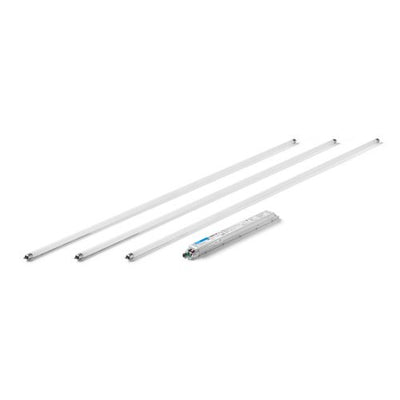
Lutron LED Ballast Retrofit Kit T5H EcoSystem Driver ELD2T5H-3M-1

Lutron LED Ballast Retrofit Kit T5H EcoSystem Driver ELD2T5H-2M-1
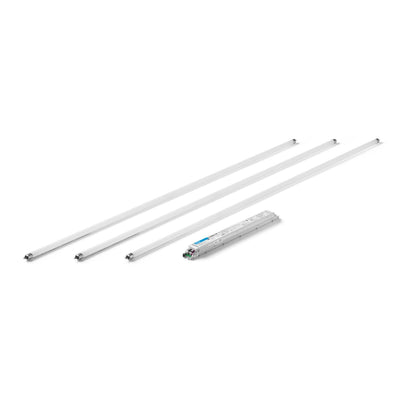
Lutron LED Ballast Retrofit Kit T5 EcoSystem Driver, Case of 8 ELD2T5-3M-8
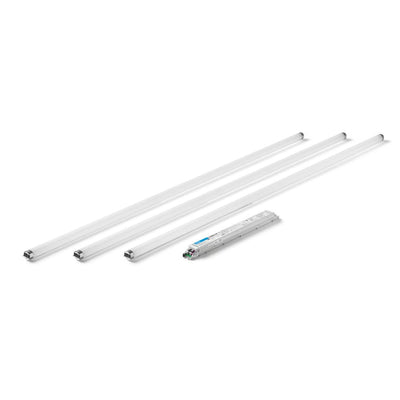
Lutron LED Ballast Retrofit Kit T5H EcoSystem Driver, Case of 8 ELD2T5H-3M-8

Lutron LED Ballast Retrofit Kit T8 EcoSystem Driver ELD2T8-1M-1

Lutron LED Ballast Retrofit Kit T5 EcoSystem Driver ELD2T5-3M-1
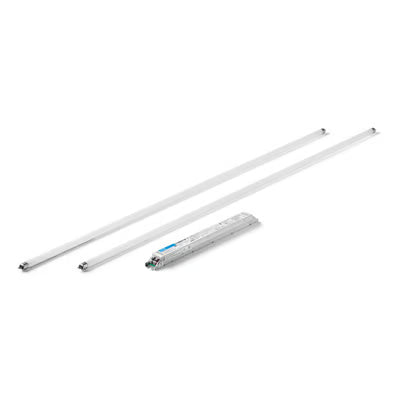
Lutron LED Ballast Retrofit Kit T5 EcoSystem Driver ELD2T5-2M-1

Lutron LED Ballast Retrofit Kit T5H EcoSystem Driver ELD2T5H-1M-1

Lutron LED Ballast Retrofit Kit T5 EcoSystem Driver, Case of 24 ELD2T5-1M-24
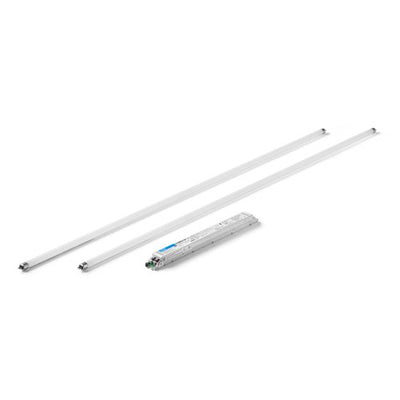
Lutron LED Ballast Retrofit Kit T5 EcoSystem Driver, Case of 12 ELD2T5-2M-12
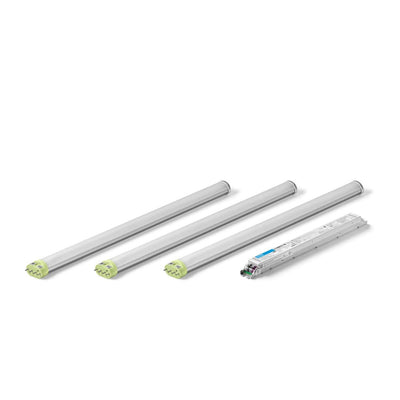
Lutron LED Ballast Retrofit Kit EcoSystem Driver ELD-TT-3M-1

Lutron LED Ballast Retrofit Kit EcoSystem Driver, Case of 8 ELD-TT-3M-8

Lutron LED Ballast Retrofit Kit EcoSystem Driver, Case of 12 ELD-TT-2M-12

Lutron LED Ballast Retrofit Kit T5 EcoSystem Driver ELD2T5-1M-1

Lutron LED Ballast Retrofit Kit EcoSystem Driver ELD-TT-2M-1

Lutron LED Ballast Retrofit Kit EcoSystem Driver, Case of 24 ELD-TT-1M-24

Lutron LED Ballast Retrofit Kit, Case of 24 3LDVCF-1K-24

Lutron LED Ballast Retrofit Kit CFL 3LDVCF-2K-1

Lutron LED Ballast Retrofit Kit EcoSystem Driver ELD-TT-1M-1
About Drivers
How to Choose LED Drivers & Power Supplies for the Load and Control System
LED drivers and power supplies have to match the electrical requirements of the LED load, not simply its physical connector or wattage. Start by identifying whether the lighting requires constant-current or constant-voltage output. Then confirm output voltage or current, connected load, input voltage, dimming method, and installation environment. These checks matter whether you are powering a short cabinet run, a long architectural tape installation, or replacing a driver inside an existing fixture.
- Building a complete low-voltage linear system? Start with tape, rope and ribbon lighting.
- Need adjustable output? Match the driver to a compatible control in Lumera’s LED dimmer collection.
- Need an accessible housing for remote drivers or connections? Review junction boxes and driver enclosures.
Constant-Current vs. Constant-Voltage LED Drivers
This is the first specification to confirm because the two output methods are not interchangeable. Constant-current drivers regulate current to an LED module or engine that is designed for a specific drive current. Constant-voltage drivers maintain a fixed DC voltage and are commonly paired with loads designed around 12V or 24V input.
A 24V tape run and an LED module specified for 700mA may both need a driver, but they need fundamentally different output behavior. Decision rule: read the LED load specification before choosing anything else. If the load specifies a fixed voltage, select the corresponding constant-voltage supply; if it specifies drive current, match that current and the permitted voltage range.
Size Driver Wattage to the Connected LED Load
A driver must have enough rated output capacity for everything connected to it. For constant-voltage systems, total the wattage of the full run rather than selecting a supply from the length alone. Tape products can draw very different watts per foot, so two 16-ft runs do not necessarily need the same driver.
For example, if a planned run totals 60W, selecting a driver only because “60W” appears somewhere in its range can leave no design margin or may conflict with the manufacturer’s loading requirements. Decision rule: calculate the actual connected wattage, then select the driver using the load limits and sizing guidance published for that specific product.
Check Input Voltage Separately From LED Output Voltage
Input and output voltage describe opposite sides of the driver. The input side connects to the building supply; the output side feeds the LED load. A driver can accept line voltage such as 120V or 277V and still deliver 24V DC to the lighting, so the numbers should never be treated as substitutes for one another.
Imagine a commercial project with 277V available at the branch circuit and a 24V LED tape system downstream. The driver has to accept the building voltage while also supplying the correct low-voltage output. Verify both specifications independently. Supporting line-voltage equipment can be coordinated through Lumera’s broader power and distribution categories.
Match the Driver and Dimmer by Control Method
A driver marked dimmable still has to support the same dimming method as the control. Depending on the system, that may involve forward-phase, reverse-phase or ELV, 0-10V, or another manufacturer-supported control method. Mixing incompatible methods can produce flicker, poor low-end performance, buzzing, or no useful dimming response.
A six-zone commercial project using 0-10V controls should not be paired with drivers that only support phase-cut dimming. Decision rule: determine the control protocol before standardizing the driver. If a fixture or tape run will not be dimmed, do not pay for control capability the system will never use.
Plan for Voltage Drop on 12V and 24V Runs
Constant-voltage lighting becomes more sensitive to conductor length after the driver steps the system down to low voltage. A long DC run can lose enough voltage between the driver and the LEDs to create visible output differences, especially when conductor size and connected current are not considered during layout.
Consider a driver located 30 ft from the beginning of a tape run. Moving the driver closer, increasing conductor size, changing feed locations, or dividing the load can produce a better system than simply installing a larger power supply. For concealed cabinet and task-light applications, Lumera’s under-cabinet lighting category provides the fixture side of that planning.
Driver Location, Enclosure, and Environment Matter
The driver needs a location that suits its rating and remains accessible for service. A unit above a dry interior ceiling and a driver serving an exterior cove do not face the same environmental requirements. The driver itself, enclosure, cable entries, and terminations all need to be appropriate for the installation.
If a driver is remote-mounted above a finished ceiling, plan access before the ceiling is closed rather than creating a hidden service point. Exterior or damp installations require equipment specifically identified for those conditions. The line-voltage side connects to building wiring and should be installed by a qualified electrician in accordance with the product instructions and applicable requirements; Lumera’s installation and code disclaimer outlines that responsibility.
Ordering LED Drivers for a Larger Lighting Project
For repeated fixtures, tape runs, or multi-zone installations, organize the driver schedule by LED load, output type, output voltage or current, connected wattage, input voltage, dimming method, and installation environment. Keeping the driver specification tied to each lighting run helps prevent 12V, 24V, constant-current, and control-compatible units from being mixed during purchasing. Repeat buyers can also review Lumera Electric’s trade account options.
Request a Quote for LED Drivers & Power Supplies
For larger quantities or projects with several driver configurations, request a project quote after the load and control requirements have been confirmed.
Have these details ready:
- LED fixture, module, tape, or load type
- Constant-current or constant-voltage requirement
- Required output voltage or drive current
- Total connected wattage
- Building input voltage
- Dimming or control method
- Indoor, damp, or exterior installation conditions
- Driver quantity
- Enclosure or remote-mounting requirements
For multi-run projects, you can also submit your driver schedule so each power supply stays matched to the correct LED load, voltage, and control zone.
LED Driver FAQs
What is the difference between a constant-current and constant-voltage LED driver?
A constant-current driver regulates current and is used with LED loads designed around a specified drive current, while a constant-voltage driver maintains a fixed DC voltage such as 12V or 24V. The load specification determines which one you need. Flexible LED tape light commonly uses constant-voltage power, but always confirm the exact product requirements.
How many watts should my LED driver be?
Your driver must be rated to support the total connected LED load under the manufacturer’s specified loading conditions. Add the wattage of every section or fixture connected to that driver, then verify the permitted load range rather than matching the numbers exactly by assumption. For tape systems, calculate watts per foot across the full planned run before choosing the power supply.
Can I use any dimmer with a dimmable LED driver?
No. The driver and control need to support compatible dimming methods. A driver designed for 0-10V control should be paired with the correct 0-10V system, while phase-control drivers require a compatible phase dimmer. Lumera’s dimmer switch guide explains forward-phase, ELV, 0-10V, and other common control methods.
What is the difference between an LED driver and a transformer?
An LED driver electronically regulates power for an LED load, while a traditional transformer changes AC voltage and is commonly associated with legacy low-voltage or landscape systems. The terms are sometimes used loosely in product names, so check the actual output specification before substituting one for another. Lumera’s low-voltage transformers cover that separate product path.
Can an LED driver be installed outdoors?
Only when the specific driver, enclosure, and wiring method are identified for the conditions at that location. Indoor drivers should not be assumed suitable for damp or wet environments simply because they are placed under an overhang. Check the product’s exact environmental rating and installation instructions, and keep required service access available after construction is complete.