


Ceiling Fans
Ceiling fans vary by mounting style, blade span, light-kit configuration, and the control system needed to operate them. Flush-mount designs help preserve clearance in lower rooms, downrod-mounted fans position blades for taller ceilings, and appropriately rated outdoor models suit covered or exposed areas. Compare room dimensions, finished blade height, and airflow before choosing a fan; the available mounting and lighting options must be confirmed for each model. For multi-room installations, prepare a location and control schedule before requesting project pricing.

Showing 101–120 of 154 results
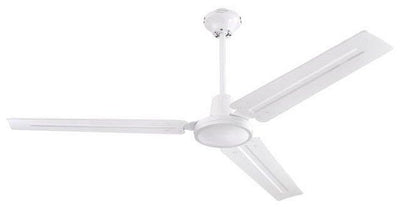
Westinghouse 7812700 56-Inch Ceiling Fan, White
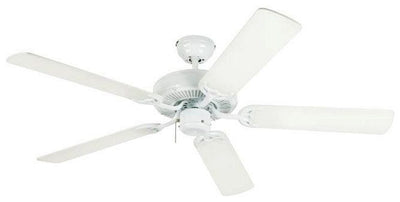
Westinghouse 7802400 52-Inch Ceiling Fan, White
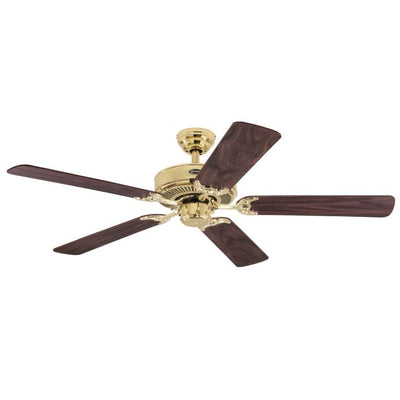
Westinghouse 7802100 52-Inch Ceiling Fan, Polished Brass
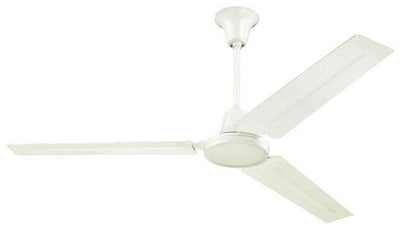
Westinghouse 7840900 56-Inch Ceiling Fan, White
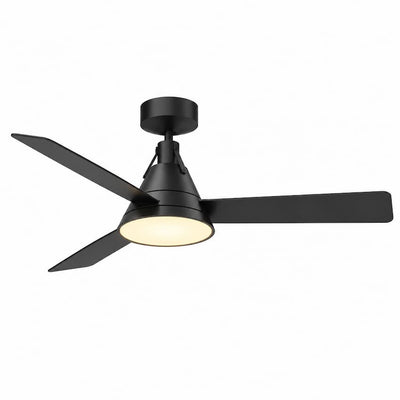
Alora Mood Archer LED Ceiling Fan Matte Black CF584054MB
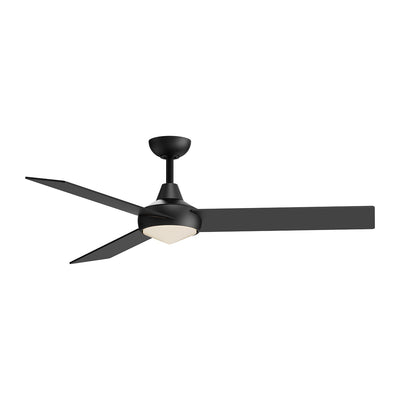
Kuzco Owens LED Ceiling Fan Matte Black CF94956-MB
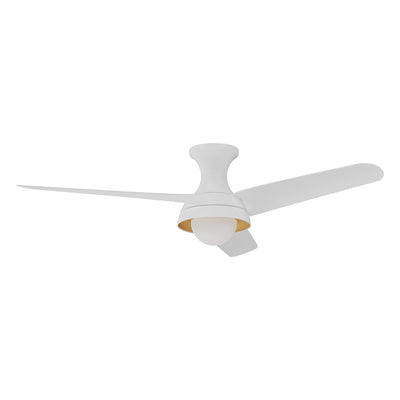
Alora Rubio-H LED Ceiling Fan HF522054
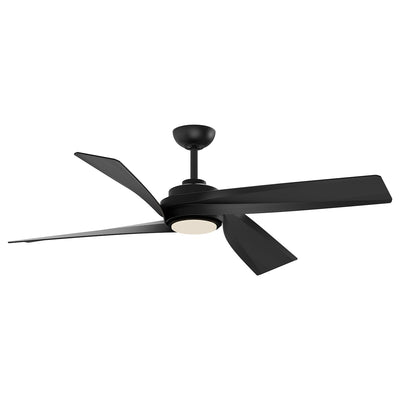
Kuzco Horizon LED Ceiling Fan CF96956
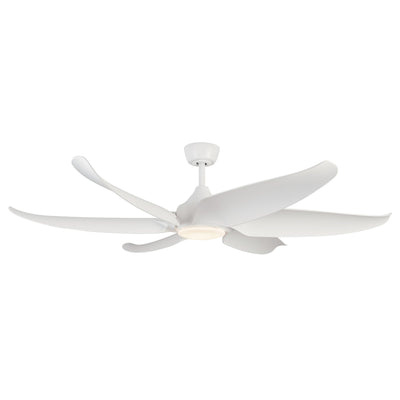
Kuzco Coronado Ceiling Fan Matte CF90960

Kuzco Fremont LED Ceiling Fan CF95960

Kuzco Isla LED Ceiling Fan CF41424
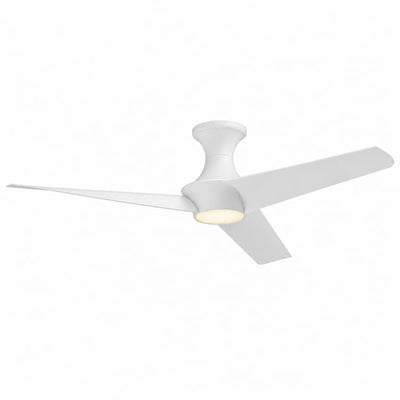
Alora Mood Emiko-H LED Ceiling Fan HF523056
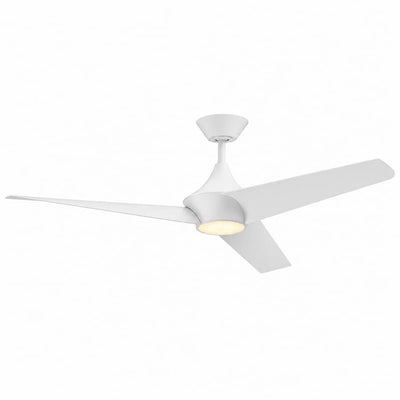
Alora Mood Emiko LED Ceiling Fan CF523056

Kuzco Hugo 42-in Ceiling Fan CF92942
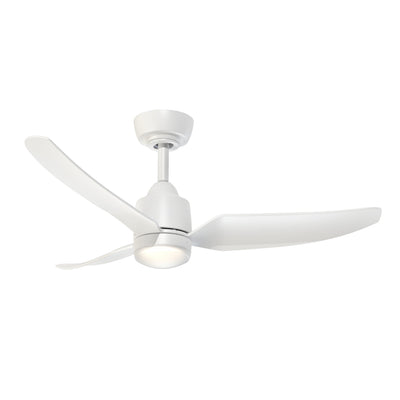
Kuzco Hugo LED Ceiling Fan CF72942
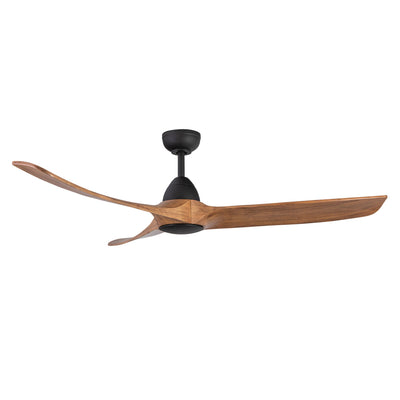
Kuzco Baylor 60-in Ceiling Fan Matte CF77860

Kuzco Baylor LED Ceiling Fan Matte CF97860
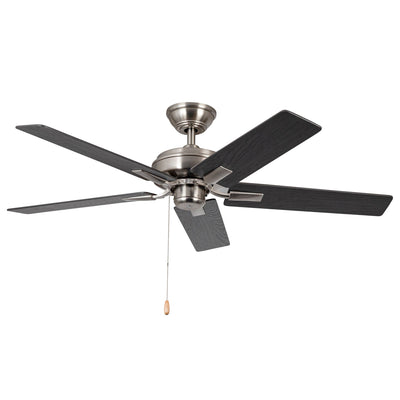
Kuzco Erikson 52-in Ceiling Fan CF78752-BN-NLP
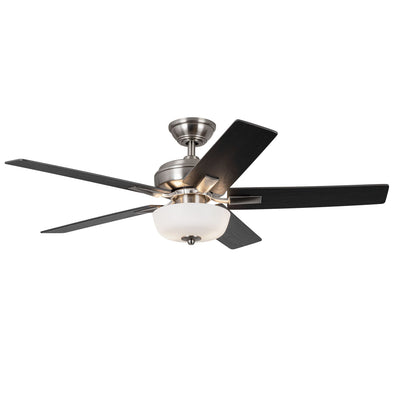
Kuzco Erikson 52-in Ceiling Fan CF78752-BN-LKW
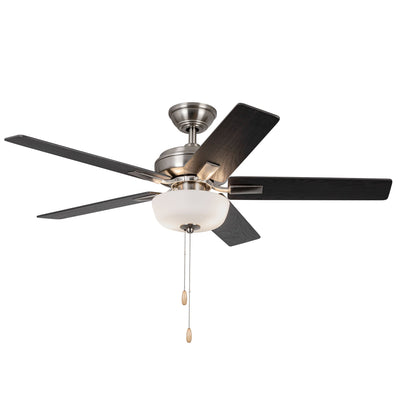
Kuzco Erikson 52-in Ceiling Fan CF78752-BN-LKP
About Ceiling Fans
How to Choose Ceiling Fans: Size, Mounting Height, Light Kits, and Controls
Ceiling fans work best when the blade span, mounting position, and airflow suit the room rather than the furniture style alone. A 12-by-14-foot bedroom needs a different fit from a narrow hallway or a living room with a 12-foot vaulted ceiling. This guide helps homeowners, electricians, and project buyers assess floor and wall clearances, compare published CFM and efficiency, and choose appropriate lighting and controls. Check the exact fan's specifications and approved mounting hardware before committing to a model or quantity.
Quick Picker: Match the Fan to the Room
- 12-by-14-foot bedroom: start around a 44- to 52-inch blade span, then check clearance.
- 8-foot ceiling: check a low-profile or flush-mount design for safe blade height.
- 12-foot vaulted ceiling: plan an approved angled mount and appropriately sized downrod.
- Covered porch: verify the fan is damp-rated and protected from direct rain.
- Bedroom needing separate fan and light control: review compatible fan speed controls.
- Small bathroom needing moisture removal: choose ducted exhaust equipment rather than an air-circulating fan.
Ceiling Fan Size and Airflow: Use Room Dimensions and CFM Together
For a 12-by-14-foot bedroom, or 168 square feet, a fan around 44 to 52 inches is a reasonable sizing starting point. That is not a guarantee of good airflow. ENERGY STAR's guidance also recommends keeping blade tips at least 18 inches from walls; beams and tall cabinets can reduce usable clearance. Two fans with the same 52-inch span may have substantially different published airflow ratings because of motor and blade design.
If blade tips would be too close to an obstruction, use a smaller span or revise the mounting location before ordering. Compare CFM at comparable operating speeds and record the room dimensions, blade span, and expected coverage on the fixture schedule.
Flush-Mount vs. Downrod Ceiling Fans: Calculate the Finished Blade Height
An 8-foot ceiling leaves little room for a hanging motor housing and light kit. ENERGY STAR advises maintaining at least 7 feet between the floor and the fan blades and, where possible, positioning the blades around 8 to 9 feet high. Flush or hugger mounting helps in lower rooms, while a 12-foot ceiling generally calls for an appropriate downrod. Sloped ceilings also need a mounting system approved for the actual angle.
If the selected assembly cannot meet its required clearances, change the fan or mounting arrangement rather than shortening hardware arbitrarily. The ceiling box and support must be listed for fan use, not just ordinary fixture weight; review suitable electrical boxes and covers and verify fan-support markings before installation.
Indoor vs. Damp- and Wet-Rated Ceiling Fans: Match the Exposure
A fan under a 10-by-16-foot covered porch may encounter humidity without direct rainfall. An open pergola or roof edge can expose the motor and blades to rain. Those situations require different product listings. Dry-rated fans belong in suitable interior locations; damp-rated models are intended for moisture without direct water contact, while wet-rated models are designed for appropriate direct outdoor exposure. A weather-resistant finish alone doesn't establish a safety rating.
If wind-driven rain can reach the fan, specify a wet-location-rated model instead of assuming a covered-patio description is enough. Verify the manufacturer's approved location, ceiling mount, blade material, and control equipment before placing an exterior fan on the schedule.
Ceiling Fans With Lights vs. Without: Plan the Lighting Separately
A 14-by-18-foot living room with adequate recessed lighting might benefit from a fan without a light kit. In a bedroom where one ceiling connection must supply both airflow and illumination, a fan with a compatible light kit may be more useful. Integrated LEDs and sockets for replaceable bulbs have different maintenance needs; don't assume an integrated module is user-replaceable or that every kit supports dimming.
If the room already has a planned lighting layout, compare independent ceiling light fixtures with the combined option before paying for a second light source. For replaceable-bulb kits, choose compatible LED bulbs and lamps using the approved base, wattage, and dimming specifications.
AC vs. DC Fan Motors: Check Wall Controls and Remote Compatibility
A 52-inch bedroom fan connected to one existing wall switch may not support independent control of its motor and light without a receiver or additional conductors. Many conventional AC-motor fans accept a specifically rated fan-speed control; DC-motor models commonly use dedicated electronics and manufacturer-approved remotes. Neither arrangement should be inferred from the number of blades. Ordinary lighting dimmers are not safe substitutes for fan motor speed controls.
If the fan specifies a proprietary receiver, select that supported control system instead of adding a generic wall regulator. Record motor type, control model, available wiring, and whether a separate light function is required. Where the wall control needs a finished opening, coordinate compatible wall plates and switch plates.
CFM per Watt and Replacement Parts: Evaluate Long-Term Fan Performance
Across twelve identical guest rooms, an inexpensive fan can become costly to service if its receiver, light kit, or blade set is difficult to replace. Compare the published CFM and CFM-per-watt efficiency at the relevant speeds rather than judging performance by blade count or diameter alone. A quieter operating setting can matter more to occupants than maximum airflow. ENERGY STAR qualification, if required, should be confirmed for the specific fan rather than the brand.
If matching replacement parts are an important purchase condition, document the exact model and component numbers before ordering. As one example, Westinghouse 7741500 fan blades are an accessory sold separately; the stated blade span does not prove compatibility with every fan of that size.
Ordering Ceiling Fans and Accessories for a Project
For a 24-room renovation, organize the schedule by room dimensions, blade span, mounting height, dry/damp/wet rating, light-kit configuration, motor controls, and quantity. List downrods, approved supports, and replacement parts separately where required. Business buyers can review Lumera's trade account options; eligible customers may also use the separate credit application process. Confirm each fan SKU and its availability before final approval.
Request a Ceiling Fan Project Quote
For repeated installations, request a ceiling fan project quote with the room-by-room schedule. Have these details ready:
- Room area, ceiling height, and any sloped surfaces
- Target blade span, airflow, and exact fan models
- Indoor or outdoor exposure, light-kit requirements, and control method
- Fan-rated mounting hardware, accessory quantities, and requested units
For model substitutions or uncertain mounting compatibility, contact Lumera with the specifications before ordering.
Ceiling Fan FAQs
What size ceiling fan do I need for a 12-by-14-foot bedroom?
A 12-by-14-foot room is 168 square feet, making a blade span around 44 to 52 inches a useful starting range. The final choice also depends on CFM and the clearance between blade tips and walls or obstructions. Use Lumera's ceiling fan size guide for additional room-size examples.
What is the difference between a flush-mount and downrod ceiling fan?
A flush-mount fan sits closer to the ceiling to preserve clearance in lower rooms, while a downrod fan hangs lower to position its blades for effective air movement in taller spaces. Either must meet the manufacturer's floor and wall clearances. A downrod can also be part of an approved sloped-ceiling assembly; it isn't a universal accessory.
Can a ceiling fan be installed on a sloped ceiling?
Yes, if the fan and mounting hardware are approved for the ceiling's slope. Some designs require an angled adapter or a specific downrod to prevent blade interference with the ceiling. A fan-rated electrical box is also essential. Lumera's ceiling fan installation guide covers the main support and clearance checks.
Can a damp-rated ceiling fan be installed on an exposed patio?
No, not where rain can reach the fan. Damp-rated fans suit appropriately sheltered, humid locations, while fans exposed to rain need a wet-location listing. A protected porch can still receive wind-driven rain, so assess the actual mounting position. Confirm the entire fan and control assembly is rated for those conditions rather than relying on finish or blade material.
Can I use a regular light dimmer to control a ceiling fan?
No. A standard lighting dimmer is designed for compatible lighting loads and must not be used to vary fan-motor speed unless the device is specifically listed for that motor application. AC and DC fans can require different controls. Choose the manufacturer's approved fan-speed controller or receiver, and match any separate light-dimming function to the light kit.
Is a ceiling fan the same as a bathroom exhaust fan?
No. A ceiling fan circulates air inside the room; it does not normally remove moist indoor air to the outdoors. A bathroom requiring local ventilation needs a suitably sized exhaust system and duct route. For that job, compare dedicated bathroom exhaust fans rather than choosing a decorative air-circulating fan.