


A19 LED Light Bulbs
A19 LED light bulbs replace familiar pear-shaped lamps in compatible table, floor, wall, and ceiling fixtures. Lumera lists filament-style A19 replacements, including multipack formats for repeated lamp changes. Match the exact base and available fixture space before comparing brightness, color temperature, and lamp appearance. If your fixture uses a dimmer or an enclosed shade, confirm the chosen model's rating and compatibility instead of relying on A19 shape or watt-equivalent labeling alone.
Showing 41–60 of 140 results
Westinghouse 5367000 A19 LED Filament Bulb, 4.5W (6-Pack)
Westinghouse 5366000 A19 LED Filament Bulb, 4.5W (6-Pack)
Westinghouse 5368000 A19 LED Filament Bulb, 4.5W (6-Pack)
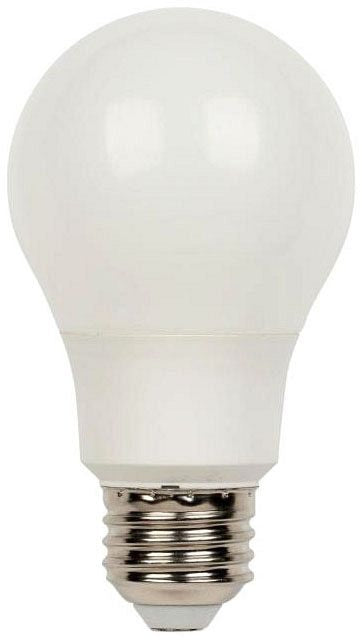
Westinghouse 4369700 A19 LED Bulb, 9W 2700K (6-Pack)
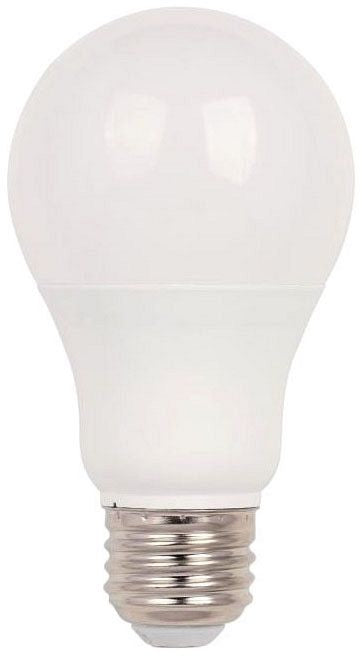
Westinghouse 4514000 A19 LED Bulb, 9.5W 5000K (6-Pack)
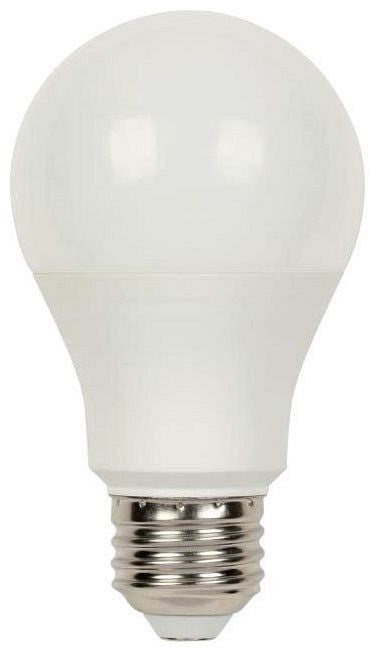
Westinghouse 5058100 A19 LED Bulb, 9.8W 3000K (6-Pack)

Westinghouse 5094000 A19 LED Bulb, 15W 2700K (6-Pack)
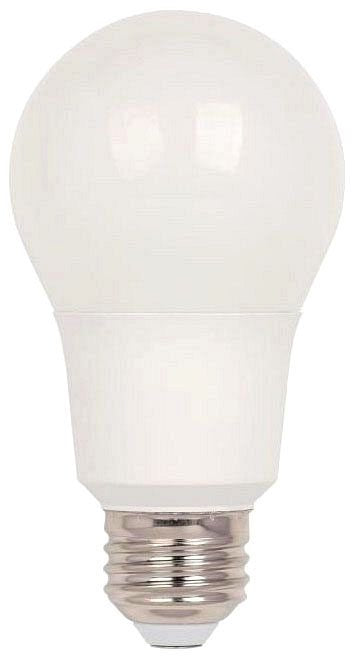
Westinghouse 5134100 A19 LED Bulb, 9W 5000K (6-Pack)
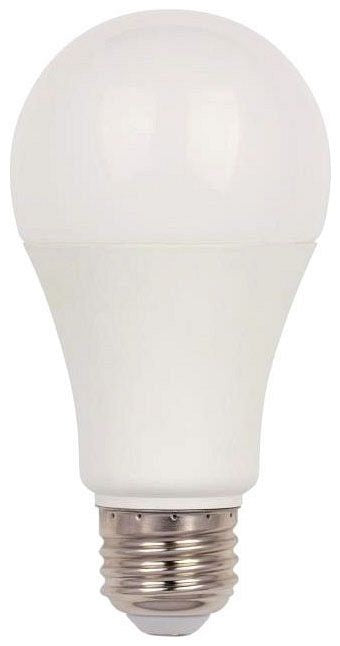
Westinghouse 5075000 A19 LED Bulb, 15W 4000K (6-Pack)
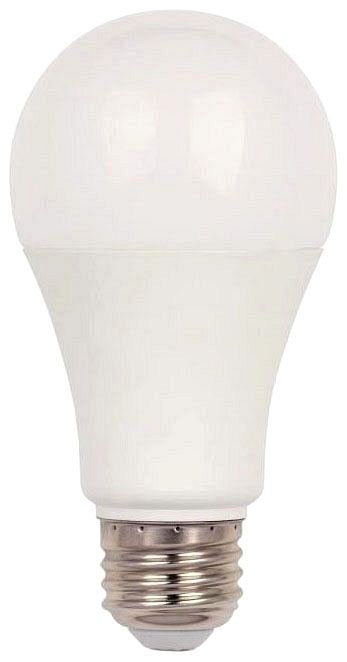
Westinghouse 5079000 A19 LED Bulb, 15.5W 5000K (6-Pack)
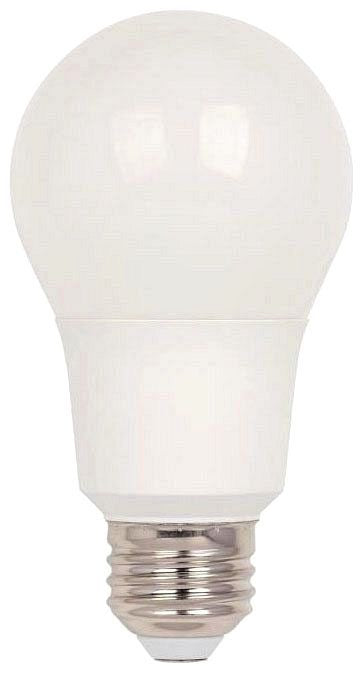
Westinghouse 5133100 A19 LED Bulb, 9W 3000K (6-Pack)
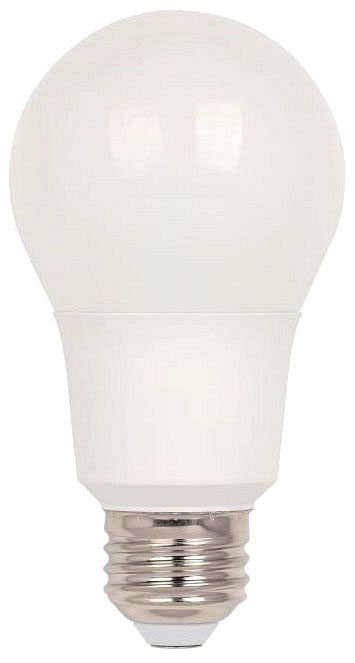
Westinghouse 5132100 A19 LED Bulb, 6W 3000K (6-Pack)

Westinghouse 5167200 A19 LED Filament Bulb, 8W 2700K (6-Pack)

Westinghouse 5184000 A19 LED Bulb, 9W 2700K (6-Pack)

Westinghouse 5197000 A19 LED Bulb, 15W 3000K (6-Pack)

Westinghouse 5224000 A19 LED Filament Bulb, 9W 2700K (6-Pack)

Westinghouse 5255000 A19 LED Filament Bulb, 10W 2700K (6-Pack)

Westinghouse 5258000 A19 LED Filament Bulb, 6.5W 3000K (6-Pack)

Westinghouse 5257000 A19 LED Filament Bulb, 4.5W 3000K (6-Pack)

Westinghouse 5291000 A19 LED Bulb, 5W 3000K (6-Pack)
About A19 LED Light Bulbs
How to Choose A19 LED Light Bulbs for Replacement and Relamping
A19 LED light bulbs are a familiar choice for general illumination, but replacing a lamp correctly takes more than matching its appearance. Two bulbs can have the same A19 shape while differing in base type, physical length, brightness, color temperature, and dimming compatibility. For a bedside lamp, ceiling fixture, or building-wide relamping project, start with the existing socket and fixture requirements. Then compare the light output and operating conditions. This helps avoid a replacement that screws in correctly but produces the wrong light or fails prematurely.
Quick A19 LED Bulb Selection Guide
- Replacing a 60W incandescent bulb: Start near 800 lumens and verify the base.
- Bedroom or living room lamp: Consider 2700K or 3000K for a warmer appearance.
- Office or utility-room lighting: Compare neutral or daylight color temperatures.
- Fixture controlled by a dimmer: Select a dimmable lamp tested with the intended control.
- Closed ceiling globe: Verify the bulb is approved for enclosed fixtures.
- Multiple identical fixtures: Standardize lamp specifications and check pack quantities.
A19 vs. E26: Match Bulb Shape, Base, and Fixture Clearance
A19 and E26 describe different parts of a light bulb. A19 identifies the traditional pear-shaped lamp body, while E26 describes a medium Edison screw base commonly used in North American household fixtures.
The number 19 in A19 refers to the nominal bulb diameter in eighths of an inch, giving a standard diameter of approximately 2-3/8 inches. However, the actual length and dimensions can vary by manufacturer.
For example, a table lamp with an E26 socket and a narrow shade may accept one A19 model but have insufficient clearance for another bulb with a longer housing.
Also remember that A19 shape does not guarantee an E26 base. Certain A19 lamps use other connection types, so both the shape and base must be verified.
Selection rule: Match the exact socket connection first, then check bulb diameter, overall length, and the fixture's electrical requirements.
For additional details about screw and pin connections, read Lumera's light bulb base types guide.
A19 LED Bulb Brightness: 40W, 60W, 75W, and 100W Equivalents
Wattage equivalence describes the approximate brightness of an older incandescent lamp, not the electricity consumed by the LED replacement. Lumens measure light output, while watts measure electrical power.
For general-purpose replacement lamps, the following brightness benchmarks help narrow the selection:
- 40W equivalent: Approximately 450 lumens for softer general lighting.
- 60W equivalent: Approximately 800 lumens for many everyday lamps and fixtures.
- 75W equivalent: Approximately 1,100 lumens where additional brightness is desired.
- 100W equivalent: Approximately 1,600 lumens for higher-output replacement applications.
These are brightness reference points, not a guarantee that every LED with a particular wattage produces the same output.
Consider a hallway with twelve existing 60W incandescent bulbs. Replacing them with A19 LEDs rated around 800 lumens each generally preserves the familiar lamp-level brightness while substantially reducing electrical consumption.
If the hallway already has adequate lighting, choosing 1,600-lumen bulbs simply because they are available may create unnecessary brightness or glare.
Selection rule: Match the required lumens first, then compare the actual wattage and efficacy of compatible products.
A19 LED Color Temperature and CRI: Choosing Warm, Neutral, or Daylight
Two LED bulbs with identical lumen ratings can make a room look noticeably different because their color temperatures and color-rendering performance are not the same.
Correlated color temperature (CCT) describes whether white light appears warmer or cooler. Common options include:
- 2700K: Warm, soft-white appearance commonly preferred for bedrooms and living areas.
- 3000K: Warm white with a slightly less yellow appearance.
- 3500K: A neutral transition between warm and cooler white.
- 4000K: Neutral-to-cool white suited to many workspaces.
- 5000K: Daylight-like white for applications requiring a cooler appearance.
For example, replacing one 2700K bulb in a six-lamp dining fixture with a 5000K lamp can create an obvious color mismatch even when both lamps produce 800 lumens.
Color Rendering Index (CRI) describes how accurately a light source renders colors compared with a reference source. Products with CRI 90 or higher can be useful where accurate color appearance matters, such as makeup areas, retail displays, and spaces with colorful finishes.
Some lamps provide selectable CCT settings, but this feature must be confirmed for the individual model.
Selection rule: Keep color temperature consistent across matching fixtures and compare CRI when color quality is important.
Dimmable vs. Non-Dimmable A19 LED Bulbs: Check Control Compatibility
A19 LED lamps aren't automatically dimmable. Even when a lamp is marked dimmable, it may not operate correctly with every wall dimmer.
Unlike incandescent lamps, LED bulbs contain electronic circuitry that controls the light source. Different designs can respond differently to a dimmer's electrical output, producing flicker, buzzing, unstable startup, or a limited dimming range.
Consider a dining room with six 9W LED bulbs controlled by one wall dimmer. The total connected LED load is 54W, but staying below the dimmer's maximum LED rating doesn't guarantee smooth operation.
The lamp and dimmer must also be compatible with the control method and minimum-load requirements.
Before ordering, confirm:
- Lamp dimmability: The exact bulb is marked as dimmable.
- Dimmer compatibility: The control manufacturer supports the chosen lamp or load type.
- LED load rating: The total load falls within the control's permitted range.
- Dimming performance: The combination provides an acceptable low-end range without excessive flicker.
When the existing control needs replacement, compare suitable standard LED dimmer switches rather than assuming an older incandescent-only dimmer will perform correctly.
For larger installations, use Lumera's dimmer compatibility chart guide to evaluate tested lamp-and-control combinations before placing the complete order.
A19 LED Bulbs for Enclosed Fixtures, Ceiling Fans, and Outdoor Lighting
The fixture environment is just as important as the lamp's electrical specifications. An LED that operates correctly in an open table lamp may not be suitable for a sealed ceiling globe or an outdoor fixture.
Enclosed fixtures: Closed globes and shades can trap heat around an LED lamp's electronic components. Some A19 products are specifically rated for enclosed fixtures, while others require more ventilation. Check the exact manufacturer's rating before using the lamp inside a sealed enclosure.
Ceiling fans: Fan-mounted lighting may expose bulbs to vibration. Where the fixture produces significant vibration, check whether the selected lamp is approved for that use. Also confirm its physical size and compatibility with the fan's light kit.
Outdoor fixtures: Moisture exposure introduces additional requirements. A covered location may call for a damp-rated lamp, while directly exposed installations require suitable wet-location protection as specified by the product and fixture manufacturers.
For example, an exterior wall lantern with an enclosed glass housing may require a bulb that is suitable for both the enclosure's thermal conditions and the location's moisture exposure.
A bulb labeled for enclosed fixtures isn't automatically rated for wet locations, and the opposite is also true.
If the existing outdoor luminaire is damaged or unsuitable, compare complete outdoor wall lighting fixtures rather than relying on a replacement bulb to solve an enclosure problem.
Selection rule: Verify thermal and environmental suitability for the exact installation. Do not assume the A19 shape establishes any particular location rating.
LED Filament A19 Bulbs and Multipacks: Appearance and Ordering
LED filament-style lamps provide an alternative appearance within the familiar A19 form. Their light-emitting elements are arranged to resemble traditional filament lamps, although the LED construction and diffuser determine how the finished bulb looks when illuminated.
For a fixture with a visible bulb, appearance may influence the choice alongside brightness and color temperature. Frosted finishes diffuse the view of internal components, while transparent designs reveal more of the filament arrangement.
For example, the Westinghouse 5367000 A19 LED filament bulb listed by Lumera has a frosted finish, draws 4.5W, and is packaged as six lamps. The listing illustrates why a product's finish, actual wattage, and pack contents should be checked separately.
For a hospitality project with twenty-four identical table lamps, the purchase quantity should be calculated in individual lamps before converting it into packs.
If the specified lamp comes in six-packs, twenty-four lamps require four packs. Other models may use different package quantities.
Selection rule: Compare the exact manufacturer part number, light appearance, and lamps per package. Do not assume every listing represents one individual bulb.
A19 LED vs. PAR Bulbs: When a Different Lamp Shape Is Better
An A19 bulb generally provides broad light distribution for general-purpose fixtures. A PAR lamp has reflector optics designed to control the direction and spread of its light.
For a bedroom table lamp, broad A19 illumination is often appropriate. A recessed accent fixture illuminating artwork may benefit from a PAR lamp with a specified beam angle.
Even when both lamps have an E26 base, they can differ significantly in overall dimensions and light distribution.
If the fixture requires a directional beam, review LED PAR bulbs rather than choosing an A19 based solely on socket compatibility.
For broader replacement projects that include different lamp formats, Lumera's LED bulbs, tubes, and lamps category provides the wider purchasing path.
Ordering A19 LED Light Bulbs for Commercial and Residential Projects
When replacing lamps throughout a building, organize the order by fixture type and lamp specifications instead of combining every A19 replacement under one general description.
For a 40-room hospitality renovation, a consistent lamp specification can reduce visible color differences and simplify future maintenance.
Prepare a material list containing:
- Manufacturer and exact lamp model or SKU
- A19 shape, base type, and physical dimensions
- Required lumen output and actual input wattage
- Color temperature and CRI
- Dimming and control compatibility
- Enclosed-fixture and location-rating requirements
- Individual lamp count and package quantity
Eligible business buyers can review Lumera Electric's trade account options when planning repeated lamp purchases.
Request a Quote for A19 LED Bulb Replacement Projects
For larger relamping projects or repeated fixture schedules, request a project quote from Lumera Electric.
Include the required lamp models, quantities, base types, lumen output, color temperature, and dimming requirements. Identify any enclosed or moisture-exposed fixtures separately so replacement compatibility can be evaluated before finalizing the order.
A19 LED Light Bulbs FAQs
What is the difference between A19 and E26 light bulbs?
A19 describes the familiar pear-shaped bulb, while E26 describes a medium screw base. They are different specifications, although the two are commonly used together. An A19 bulb can have a different base, and an E26 socket can accept other compatible lamp shapes. Check both the shape and connection before ordering a replacement.
How many lumens does a 60-watt equivalent A19 LED bulb produce?
A 60W-equivalent LED bulb typically produces approximately 800 lumens. The equivalent wattage refers to traditional incandescent brightness rather than actual LED power consumption. Many LED replacements reach that light output using far less than 60W, but the exact wattage varies by product. Always compare the stated lumen output and electrical input on the lamp specifications.
Can I use a 100W-equivalent LED bulb in a fixture marked 60W maximum?
Usually, if the LED's actual power consumption does not exceed the fixture's 60W limit and all other requirements are satisfied. A 100W-equivalent LED often consumes much less than 60W. However, equivalent wattage isn't the only consideration. Confirm the lamp's dimensions, heat-related installation restrictions, location rating, and compatibility with the fixture before using it.
Can any A19 LED bulb be used with a dimmer switch?
No. The A19 designation describes the bulb shape, not its dimming capability. The selected lamp must be marked dimmable and compatible with the intended control. Some LED lamps may flicker or fail to dim smoothly with older controls. Confirm the manufacturer-supported combination before replacing several bulbs on one dimming circuit.
Are A19 LED bulbs suitable for enclosed ceiling fixtures?
Only when the specific lamp is approved for enclosed fixtures. LED electronics can be affected by heat trapped inside sealed glass shades or globes. A bulb intended for open fixtures may not perform properly in a fully enclosed housing. Check the product instructions before installing it in a closed ceiling light fixture.
Can I replace an A21 bulb with an A19 LED bulb?
Yes, when the replacement has the correct base, fits the fixture, and provides the required electrical and lighting performance. A21 lamps are generally larger than A19 lamps, so physical fit may improve with the smaller shape. However, brightness is not determined by shape alone. Check lumens, wattage, color temperature, and the fixture's permitted lamp types before substituting.