


Wiring Devices
Wiring devices in this category include receptacles for everyday power points, GFCI outlets for ground-fault protection where required, twist-lock and pin-and-sleeve connections for matched equipment, and floor boxes for power access away from walls. The locking and industrial connections use different mating interfaces, while floor installations require their own mounting assemblies. Choose by connection type, protection requirement, and mounting location before reviewing individual specifications. For multi-room projects, prepare a device schedule with configurations and quantities before requesting a quote.


Showing 41–60 of 2737 results
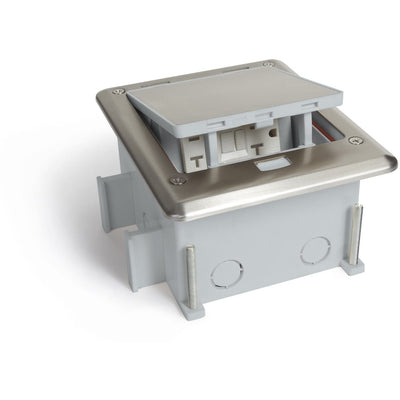
Lew Electric OB-1-SP Stainless Recessed Floor Box
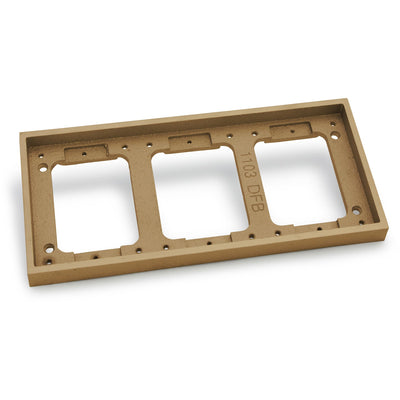
Lew Electric 1103-DBE-B Brass Tile Frame

Lew Electric 6215-DB Dark Bronze Plug

Leviton W5661-T0E Receptacle

Lew Electric Floor Box Cover RRP-4-LR

Leviton W5661-E Receptacle

Lew Electric 1102-DBE-A Aluminum Tile Frame

Leviton T5825 Receptacle

Leviton T8300-IGG Receptacle

Lew Electric 6304-DFB-1-GFI-A Aluminum Floor Box Cover

Lew Electric 1103-DBE-A Aluminum Tile Frame

Lew Electric 6200-SS Stainless Recessed Floor Box

Leviton T5362 Receptacle

Leviton W5461-T0E Receptacle

Leviton TCR20-E Receptacle
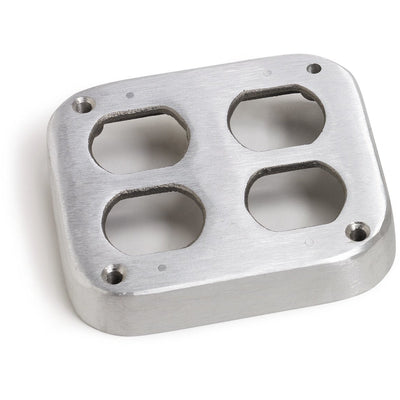
Lew Electric 110-A Aluminum Pedestal Plate

Leviton Receptacle - 22 Series F 30-Degree Panel Receptacle

Leviton T5461-E Receptacle
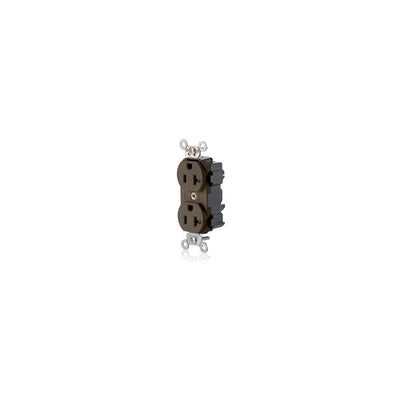
Leviton Lev-Lok Modular Device - Receptacle Duplex Slim 20A 125V

Leviton Receptacle - Male Panel Receptacle Taper Nose 2/0-4/0
About Wiring Devices
How to Choose Wiring Devices: Match the Circuit, Connection, and Location
Wiring devices are easy to misorder when a replacement is selected by face shape instead of circuit information. A wall power point, a 30A equipment connection, and a floor-fed workstation may belong on one project schedule, but their devices require different mating configurations and accessories. Use the checks below to choose the correct product family, confirm protection and conductor compatibility, and assemble the box, plate, or cover that finishes the installation. This buying guide supports product selection; installation must follow the applicable electrical code and manufacturer instructions.
Quick Picker: Find the Right Device for the Job
- 15A office workstation: start with straight-blade receptacles suited to the circuit.
- Break-room counter near a sink: check GFCI receptacles and the required protection.
- 30A cart with an L6-30P plug: match twist-lock devices to the NEMA code.
- Portable equipment with an IEC 60309 connection: choose compatible pin-and-sleeve devices.
- Conference table over a concrete floor: review electrical floor boxes.
- Three-gang finished wall: coordinate wall plates with device openings.
15A vs. 20A Receptacles: Read the NEMA Face and Branch Circuit
A 20A, 125V workstation circuit doesn't mean every outlet should automatically receive a 5-20R device. The familiar 5-15R face accepts 15A plugs; a 5-20R has a T-shaped slot for a compatible 20A plug. The permitted receptacle rating also depends on the branch-circuit arrangement and adopted electrical code. A 20A device is not a universal upgrade for every outlet.
If a replacement has the wrong blade configuration, don't select it solely because the amperage is higher. Check the actual equipment plug, supply voltage, grounding, and any tamper-resistant requirement, then match the device to the circuit schedule.
GFCI Protection vs. Tamper Resistance: Specify Each Required Feature
At a six-outlet break-room counter, ground-fault protection may be provided at a GFCI receptacle or through another approved upstream device. That doesn't mean every face must have TEST and RESET buttons. A GFCI monitors leakage current, while tamper-resistant (TR) shutters limit access to the contacts. Weather-resistant (WR) construction is a separate characteristic again.
If a location calls for more than one feature, select a listed combination or an approved protection arrangement instead of assuming a standard outlet provides it. Record where local reset access matters, which downstream points require protection, and what the adopted code specifies before ordering.
Twist-Lock vs. Pin-and-Sleeve: Match the Complete Equipment Interface
Two 30A connections can be incompatible: a NEMA L5-30 device belongs to the 125V locking family, while L6-30 is a 250V configuration. The L prefix indicates a locking pattern, not voltage by itself. Industrial pin-and-sleeve products use a separate keyed interface and cannot be paired with ordinary NEMA locking receptacles.
If the equipment plug is marked L6-30P, choose the matching receptacle configuration rather than any device labeled 30A. For an IEC 60309 connection, verify the pole arrangement, voltage keying, grounding, current rating, and environmental protection. Put the complete plug and receptacle markings on the purchase schedule.
Electrical Floor Boxes: Check the Slab and Cover Assembly
For a conference table 12 feet from the nearest wall, a floor connection can keep cords out of a walkway, but the box alone may not complete the installation. Cast-in models are planned before a concrete pour; listed poke-through assemblies are used for suitable existing floor penetrations and may be needed to preserve a rated floor assembly. Raised floors have different mounting and depth limits.
If the slab is already finished, establish the approved retrofit method instead of ordering a cast-in box. Specify the box, device, flange, and cover against the finished flooring and expected foot traffic, then check which parts the selected SKU includes.
Wall Plates, Device Boxes, and Lugs: Finish the Correct Assembly
A three-gang wall might combine one toggle switch with two decorator-style devices. A three-gang plate with the wrong openings won't fit, regardless of color. The box behind it also needs enough approved volume and depth for conductors and devices; check suitable electrical device boxes when a retrofit leaves insufficient space.
Some projects also need conductor terminations rather than another user-facing outlet. Select electrical lugs by conductor material and size, stud arrangement, and the manufacturer's approved termination method. If the assembly can't accommodate the actual wiring or device body, correct the box and connection plan before ordering finishing hardware.
Outdoor Wiring Devices: Check Weather Ratings and Termination Methods
An exterior receptacle 8 feet from a patio door can encounter wind-driven rain even beneath an overhang. A WR receptacle and GFCI protection solve different problems; neither makes an exposed connection weatherproof. If the point is subject to outdoor moisture, use a listed assembly suitable for its wet or damp location and the applicable electrical code.
Coordinate weatherproof electrical boxes with the required cover, gaskets, and fittings. For replacements, check conductor material, approved push-in or screw-clamp termination, box fill, and grounding. A qualified electrician should verify and complete any uncertain or modified line-voltage installation.
Ordering Wiring Devices for Multi-Room Projects
For a 60-device tenant improvement, group part numbers by NEMA configuration, amperage, location rating, device grade, and required plates or covers. Lumera offers trade accounts for eligible businesses with volume and project quotes. Approved businesses can separately apply for Net payment terms. Keep visually similar but electrically different models on separate schedule lines.
Request a Wiring Device Project Quote
For repeated outlets or specialty equipment connections, request a wiring device project quote with the material schedule. Include:
- Device type, complete NEMA configuration or SKU, and quantity
- Branch-circuit voltage, current rating, and grounding arrangement
- Mounting location, box, plate, and cover requirements
- GFCI, tamper-resistant, or outdoor protection needs
These details help distinguish products that look alike but don't connect or install the same way.
Wiring Device FAQs
Can I use a 15A receptacle on a 20A circuit?
Sometimes, where the adopted electrical code permits it for the specific multioutlet branch-circuit arrangement. A common 15A, 125V receptacle has a NEMA 5-15R face; a 20A, 125V model uses a 5-20R T-slot. Don't change the face configuration without checking the circuit and equipment. Lumera's NEMA plug and receptacle chart helps identify the markings.
Does a GFCI outlet also make a receptacle tamper-resistant?
No. GFCI protection monitors current imbalance to reduce electric-shock risk; tamper-resistant shutters restrict access to the receptacle contacts. One device may include both features, but the GFCI label alone doesn't prove it has TR construction. Select the features required by the location and the adopted code. Read Lumera's GFCI outlet guide for a closer explanation.
What's the difference between twist-lock and pin-and-sleeve devices?
Twist-lock and pin-and-sleeve products use different mating systems. A NEMA locking plug has a specified L-series blade configuration, whereas an industrial pin-and-sleeve device uses a separate keyed pin arrangement. Even two 30A devices may have incompatible voltage or grounding requirements. Identify the equipment plug's complete marking and the installed circuit before choosing the matching receptacle or connector.
Does an electrical floor box include its cover and receptacle?
Not necessarily. A finished floor outlet can require a box, cover and flange, plus the receptacle as separately ordered components; other products come as assemblies. Floor construction, finish material, and any fire-rating requirement determine which parts fit. Confirm the manufacturer's included-components list instead of assuming a floor box SKU contains the cover or the device.
Can a regular electrical receptacle be installed outdoors?
Only when the complete installation meets the location's electrical and environmental requirements. A covered porch isn't automatically dry, and weather-resistant device construction does not eliminate the need for an appropriate enclosure. For an exposed location, check compatible weatherproof outlet covers and the required receptacle features. Have the assembly verified against the locally adopted electrical code.