


Surface-Mount Fixtures
Surface-mount fixtures provide ceiling lighting without the depth required for a recessed housing, making them practical for concrete decks, hard-lid ceilings, shallow spaces, and many retrofit projects. Choose between low-profile disk, round, square, and panel-style designs based on the room and ceiling layout. Then compare fixture size, lumen output, light distribution, CCT, dimming, and location rating. Before ordering, confirm junction-box or mounting compatibility, circuit voltage, and the exact installation method required by the fixture.
Showing 261–280 of 918 results
Lighting Spot 26 5 ft. 11W 900lm LED Cylinder Light LS-SMC-5-C29-11W-5CCT
Lighting Spot 26 5 ft. 900lm LED Cylinder Light LS-SMC-5-C28-11W-5CCT
Lighting Spot 26 7 ft. 12W 980lm LED Cylinder Light LS-SMC-7-C32-12W-5CCT
Lighting Spot 26 7 ft. 980lm LED Cylinder Light LS-SMC-7-C28-12W-5CCT
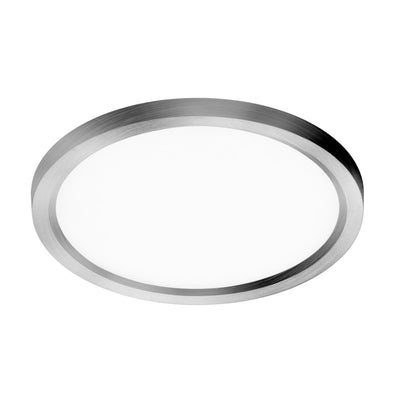
EnVision – Slim-Line 35w
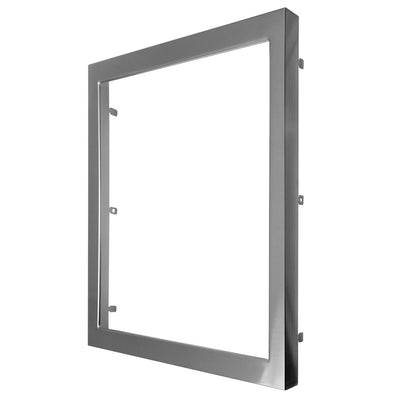
EnVision – 5" Snap on Trim SLDSKSQ-5-TRIM

EnVision – 7" Snap on Trim SLDSKSQ-7-TRIM
EnVision – 15" Snap on Trim Black SLDSKR-15-TRIM

ELCO Lighting 6" 12W 850 lm 3000K Alva LED Disk Light Finish ELSF1130BZ

ELCO Lighting 10.5W 700 lm 5CCT Dimmable Finish LED Disk Light ELSF40CT5B

ELCO Lighting 6" 15W 900 lm 5CCT selectable Alva LED Disk Light Finish ELSF11CT5B
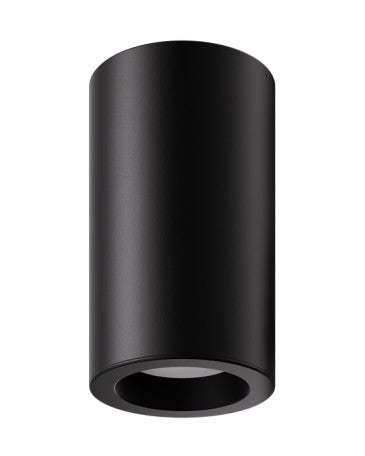
ELCO Lighting ESF475L3CT5BB LED Surface Mount Light, 4-Inch, 1000/1500/2000 lm, 5CCT
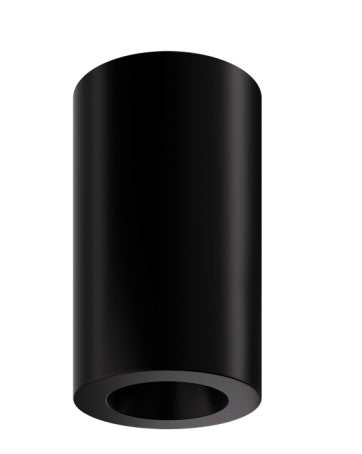
ELCO Lighting ESF685L3CT5BB LED Surface Mount Light, 6-Inch, 1000/1500/2000 lm, 5CCT
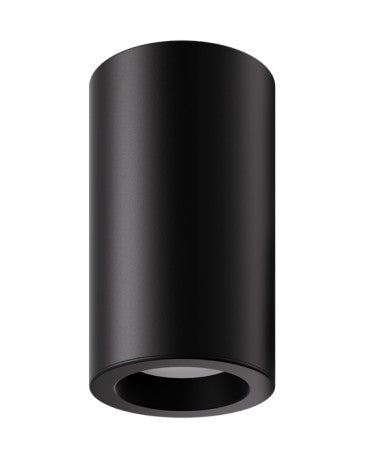
ELCO Lighting ESF427L3CT5BB LED Surface Mount Light, 4-Inch, 1000/1500/2000 lm, 5CCT
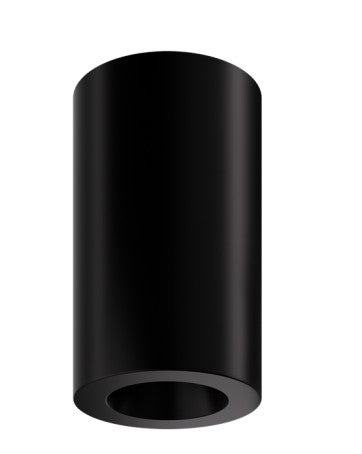
ELCO Lighting ESF637L3CT5BB LED Surface Mount Light, 6-Inch, 1000/1500/2000 lm
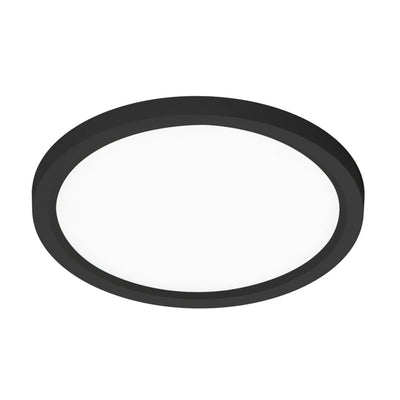
EnVision LED-SLDSKR-24-40W-5CCT-BL – Slim-Line
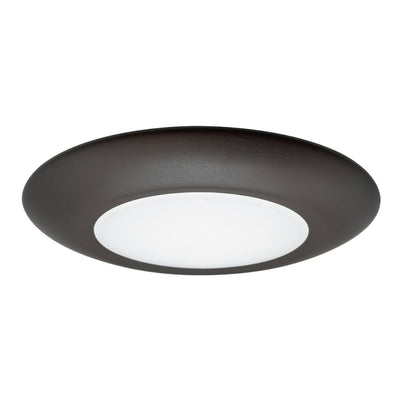
EnVision LED-CDSK-4-10W-5CCT-BZ – Cusp-Line
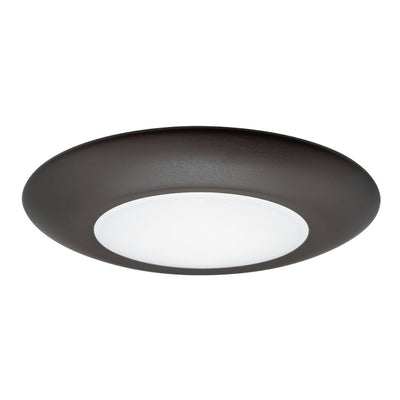
EnVision LED-CDSK-6-15W-5CCT-BZ – Cusp-Line

MW Lighting 30W Surface Mount Light 5-CCT Selectable MRFM1630

MW Lighting 11W Surface Mount Light 5-CCT Selectable MRFM511
About Surface-Mount Fixtures
How to Choose Surface-Mount Light Fixtures
Surface-mount fixtures attach at the ceiling plane instead of placing a housing above it. That makes them useful when a concrete deck, hard ceiling, shallow ceiling cavity, or existing construction makes recessed lighting impractical. Start with the ceiling and mounting condition, then compare fixture shape, dimensions, lumen output, distribution, color temperature, dimming method, voltage, and location rating. The mounting interface matters too: confirm the exact junction box, bracket, or retrofit connection required by the fixture. For other fixture styles used throughout the home, see indoor and residential lighting.
- No usable ceiling cavity: Start with a low-profile surface-mount fixture.
- Need broad general lighting from a compact fixture: Compare disk and panel-style designs.
- Have sufficient ceiling depth and want the light source recessed: Compare retrofit and canless downlights.
- Need a more decorative flush or semi-flush fixture: Review ceiling lights.
- Need adjustable light levels: Verify fixture compatibility before selecting a lighting dimmer.
Surface-Mount vs. Recessed Lighting: Let the Ceiling Construction Decide
The main difference is where the fixture body goes. A recessed fixture places part or all of its housing above the ceiling plane, so it needs the required opening and ceiling depth. A surface-mount fixture remains below or directly against the finished ceiling and therefore avoids the same housing-depth requirement.
A corridor below a concrete deck is a good example. Cutting a conventional recessed housing into that structure may not be practical, while a compatible surface fixture can mount at an electrical box or other manufacturer-approved attachment point.
Decision rule: If usable ceiling depth is limited, start with surface mounting. If the project has suitable depth and the design calls for a recessed aperture, move to recessed housings or canless downlights instead.
Disk, Round, Square and Panel-Style Fixtures
Shape affects both appearance and how the fixture fits into the ceiling layout. Low-profile disk lights minimize visual depth, while larger round, square, or panel-style fixtures can create a broader luminous surface. The best format depends on the room geometry, spacing, existing box locations, and the visual character of the space.
A narrow hallway may work well with smaller fixtures repeated along its centerline. An office, utility room, or larger circulation area may benefit from a larger luminous surface or wider spacing between fixtures. If the project uses a suspended ceiling grid instead, compare LED panel lights and verify the mounting configuration specified for the selected model.
Decision rule: Choose the shape from the ceiling layout first, then size output and spacing. Do not assume a larger diameter automatically means better illumination; compare actual lumen output and distribution.
Compare Lumens Instead of Replacing by Wattage
LED wattage describes electrical power consumption, while lumens describe light output. Two surface-mount fixtures with similar wattage can produce different lumen levels, and fixtures with similar lumen ratings can distribute that light differently.
For a retrofit, record the existing lighting level, fixture spacing, ceiling height, and room use before selecting the replacement. If the old fixture is being removed because the space feels too dark or uneven, matching its wattage will simply repeat the wrong selection method.
Decision rule: Use lumen output and light distribution to judge the lighting result. Use wattage after that to understand connected load rather than treating it as a brightness rating.
Fixture Size and Spacing Work Together
Surface-mount lighting should be planned as a ceiling layout rather than a collection of individual fixtures. Mounting height, room dimensions, fixture output, beam distribution, wall reflectance, and spacing all influence uniformity.
Putting one high-output fixture in the middle of a long corridor can create a bright center and darker ends. Several lower-output fixtures spaced appropriately may create a more useful result. The opposite can happen in a small room where too many fixtures produce excessive brightness.
Decision rule: Establish the room dimensions and fixture locations before finalizing lumen output. For larger commercial spaces, use photometric data when uniformity or required lighting levels materially affect the project.
Junction-Box Compatibility Is Model-Specific
Many surface-mount fixtures attach to an electrical junction box, but the required box type, diameter, bracket, and screw pattern can vary by fixture. Some manufacturer models are designed for common round, octagonal, or square junction boxes; others use a dedicated mounting plate or accessory.
This matters during retrofit work because the existing ceiling box may not match the new fixture even when the fixture easily covers the opening.
Decision rule: Identify the existing box before ordering the fixture and compare it with the manufacturer's installation instructions. Do not drill new attachment holes or improvise the mounting arrangement simply because the canopy hides the modification.
Some Disk Lights Can Retrofit Existing Recessed Cans
Certain surface-mount disk fixtures include or accept hardware that allows them to attach to compatible existing recessed housings. This can be useful when the old can is already securely installed and the project calls for a flatter LED appearance without removing the entire housing.
That capability is not universal. Can diameter, torsion-spring arrangement, socket adapter, housing condition, and fixture model all affect compatibility.
Decision rule: If an existing recessed can will remain in place, verify that the exact surface fixture is approved for that retrofit method and housing size. Otherwise, select a purpose-built recessed retrofit product.
Selectable CCT Can Simplify Final Color Decisions
Some surface-mount LED fixtures provide selectable correlated color temperature, allowing the installer to choose from several available settings before or during installation. This can be useful when the final appearance needs to coordinate with adjacent lighting or finishes.
Selectable CCT should not be assumed across the category. Other fixtures are manufactured at one fixed color temperature. Also remember that CCT describes the warm or cool appearance of the light; it does not indicate lumen output.
Decision rule: When adjustable color temperature matters, verify the available CCT settings on the exact SKU. If the project needs one consistent color throughout, document the selected setting so similar spaces are commissioned the same way.
Dimming Depends on the Fixture and LED Driver
Not every LED surface fixture uses the same dimming method. Specific models may use phase-cut, TRIAC, ELV, 0-10V, or another driver/control arrangement. The wall control therefore needs to match the fixture's driver rather than simply being labeled as an LED dimmer.
A phase-dimmable 120V disk fixture and a commercial 0-10V fixture require different control architectures. Installing the wrong control can result in flicker, limited dimming range, unstable operation, or no dimming at all.
Decision rule: Check the fixture specification before buying controls. Then compare compatible LED dimmer switches rather than standardizing one dimmer across unrelated fixture families.
Occupancy Sensors Can Make Sense in Intermittently Used Spaces
Hallways, storage rooms, utility areas, restrooms, and back-of-house spaces may not need full lighting continuously. Where automatic control is appropriate, an occupancy or vacancy sensor can switch compatible fixtures according to how the room is used.
The sensor still needs to match the connected load, voltage, wiring, and room geometry. Coverage also depends on mounting position and obstructions, so selecting a sensor by its headline square-foot rating alone can leave detection gaps.
Decision rule: Decide the desired control behavior and room coverage before specifying sensors. For automatic room-level switching, compare occupancy and motion sensors suited to the electrical load and mounting location.
Dry, Damp and Wet Location Ratings Are Not Interchangeable
Surface-mount fixtures can be used in many different rooms, but environmental suitability is product-specific. Some fixtures are listed for damp locations, while others may be limited to dry interiors or carry additional wet-location approval.
A bathroom ceiling, protected exterior soffit, shower area, ordinary office, and exposed outdoor ceiling do not create the same environmental conditions. A fixture that physically fits each location is not necessarily rated for each one.
Decision rule: Establish the location condition first, then verify the exact fixture's listing or environmental rating. Do not extend a damp-location rating to a wet or directly exposed location without product documentation.
Surface-Mount Fixtures vs. Decorative Ceiling Lights
These categories overlap physically because both can mount directly to a ceiling, but their buying priorities differ. Low-profile surface fixtures typically emphasize compact general illumination and limited ceiling depth. Decorative flush and semi-flush fixtures place more emphasis on visible form, finish, shade design, or architectural styling.
A utility corridor may call for a simple low-profile disk. A bedroom, lobby, dining area, or finished residential room may benefit from a fixture chosen partly for its decorative appearance.
Decision rule: If low profile and general illumination are the main priorities, stay with surface-mount fixtures. If the fixture itself is an important decorative element, compare flush and semi-flush ceiling lights.
What to Confirm Before Ordering Surface-Mount Fixtures
- Ceiling construction: Drywall, concrete, hard-lid, shallow cavity, or another approved surface.
- Mounting interface: Junction box, bracket, recessed-can adapter, or manufacturer-specific hardware.
- Fixture dimensions: Confirm diameter, length, width, depth, and ceiling clearances.
- Lumen output: Size the light for the room and fixture spacing.
- Distribution: Consider uniformity and the area each fixture needs to cover.
- CCT: Choose the required light appearance and verify selectable settings where offered.
- CRI: Confirm color-rendering requirements where appearance of finishes or objects matters.
- Voltage: Match the fixture to the actual branch circuit.
- Dimming: Identify the fixture's supported control method before selecting the dimmer.
- Controls: Coordinate occupancy, vacancy, scheduling, or other automation requirements.
- Location rating: Confirm dry, damp, wet, or other environmental suitability on the exact model.
- Retrofit conditions: Inspect existing boxes, housings, openings, wiring, and mounting points before ordering.
Surface-mount fixtures are typically hardwired to building electrical systems. Installation should follow the exact manufacturer's instructions, including mounting, grounding, wiring, driver compatibility, and location-rating requirements. Have qualified electrical personnel verify line-voltage work and any conditions that differ from the fixture's listed installation method.
Surface-Mount Fixture FAQs
What is the difference between surface-mount and recessed lighting?
A surface-mount fixture attaches at the ceiling plane, while recessed lighting places its housing or light source within an opening in the ceiling. Surface mounting is useful where ceiling depth is limited or recessed construction is impractical. Recessed lighting creates a more integrated ceiling appearance when the required opening and space are available.
Can surface-mount lights be installed on a concrete ceiling?
Many surface-mount fixtures are well suited to concrete or other hard ceilings because they do not need a recessed housing cavity. The exact mounting method still depends on the fixture, electrical box, structural attachment, and manufacturer instructions. Verify the approved mounting hardware rather than fastening the fixture directly to concrete by improvisation.
Can a surface-mount LED light attach to an existing recessed can?
Some disk-style fixtures are designed to retrofit compatible recessed housings using torsion springs, socket adapters, or other supplied hardware, but this is model-specific. Verify the supported can size and mounting method before ordering. If the fixture does not list recessed-can compatibility, do not assume it can be converted in the field.
Are surface-mount LED fixtures dimmable?
Some are dimmable, but the compatible control method varies by model. Phase-cut, TRIAC, ELV, and 0-10V systems require different drivers and controls. Check the exact fixture specification and dimmer compatibility information before selecting the wall control rather than assuming every integrated LED fixture uses the same dimming method.
Are surface-mount fixtures suitable for bathrooms?
They can be when the exact fixture carries the location rating required for where it will be installed. A fixture suitable for a damp bathroom ceiling is not automatically approved for a wet or directly exposed location. Confirm the manufacturer's dry, damp, or wet-location listing for the specific model.
Should I choose a surface-mount fixture or a decorative flush-mount light?
Choose a low-profile surface fixture when shallow installation, broad general light, and simple ceiling integration are the priorities. Choose a decorative flush or semi-flush fixture when the visible design, finish, shade, or architectural character matters more. Both mount at the ceiling surface, but they serve different design priorities.