


LED PAR Bulbs
LED PAR bulbs in this collection include PAR20 lamps for compact reflector openings, PAR30 short- and long-neck options for compatible recessed or track heads, and PAR38 lamps for larger holders. Size and neck length determine physical fit, while spot, narrow-flood, and wide-flood optics determine how light reaches the target. Compare reflector size, beam angle, and socket compatibility before selecting color temperature or brightness. For multi-fixture relamping, gather existing lamp codes and quantities for a project quote.
Showing 61–80 of 139 results
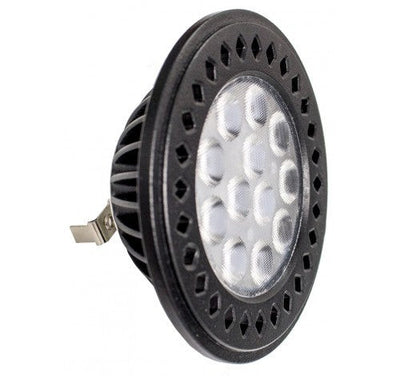
Westgate 12W 1,000LM PAR36 LED Lamp PAR36-12W

Damar 34431A Brushed Aluminum D LED18PAR38FL/65K/D/WL (D)

Damar 34430A Brushed Aluminum D LED10PAR30LNFL/65K/D/WL (D)

Damar 34428B LED7PAR20FL/41K/D/WL 120V(D)

Damar 34428A Brushed Aluminum D LED7PAR20FL/41K/D/WL 120V(D)

Damar 34401A G LED12PAR38/NFL/27K/DIM

Damar 34014A Brushed Aluminum D LED18PAR38WFL/3K/D/WL (D)

Damar 34013B Brushed Aluminum D LED8PAR20WFL/3K/D/WL(D)

Damar 34013A Brushed Aluminum D LED7PAR20WFL/3K/D/WL (D)

Damar 34012A Brushed Aluminum D LED13PAR30SN/FL/5K/D/WL (D)
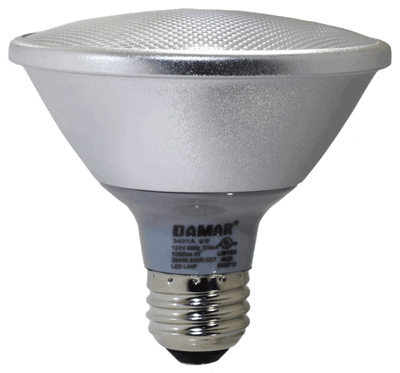
Damar 34011A Brushed Aluminum D LED13PAR30SN/FL/3K/D/WL (D)

Damar 34010A Brushed Aluminum D LED13PAR30SN/NFL/3K/D/WL (D)
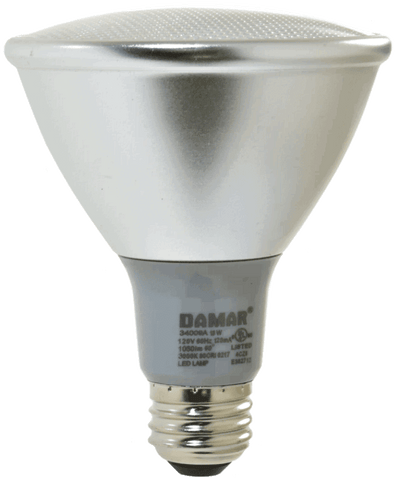
Damar 34009A Brushed Aluminum D LED13PAR30LN/WFL/3K/D/WL (D)

Damar 34008B Brushed Aluminum D LED10-12PAR30LN/FL/5K/D/WL(D

Damar 34008A Brushed Aluminum D LED13PAR30LN/FL/5K/D/WL (D)

Damar 34007B Brushed Aluminum D LED10-12PAR30LN/FL/4K/D/WL(D

Damar 34007A Brushed Aluminum D LED13PAR30LN/FL/4K/D/WL (D)

Damar 34006B Brushed Aluminum D LED10-12PAR30LN/FL/3K/D/WL(D
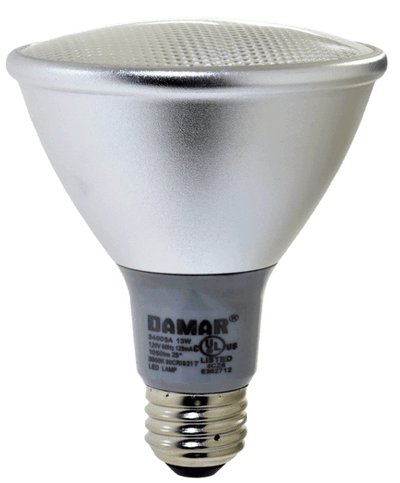
Damar 34005A Brushed Aluminum D LED13PAR30LN/NFL/3K/D/WL (D)
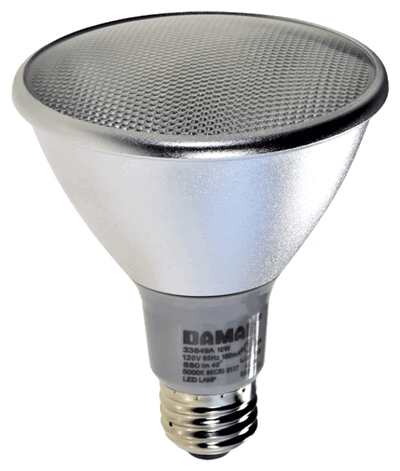
Damar 33849A Brushed Aluminum D LED10PAR30LN/FL/5K/D/WL (D)
About LED PAR Bulbs
How to Choose LED PAR Bulbs: Fit, Beam Angle, and Compatibility
LED PAR bulbs are directional replacements, so the right purchase starts with a fixture check rather than a wattage match. A lamp can screw into the socket yet sit too far inside a recessed trim, throw a beam wider than the display, or have the wrong rating for a damp location. Use the decisions below to match physical size, optics, color appearance, and electrical requirements. Each check can be made against the removed bulb, the fixture label, and the candidate product specification.
Quick Picker: Match the PAR Lamp to the Situation
- 4-inch accent aperture: Check reflector diameter and clearance before choosing PAR20 or PAR30.
- Deep recessed can: Verify whether a PAR30 short or long neck seats correctly.
- 12-foot retail display: Size the beam to the merchandise, not just the lamp wattage.
- Adjustable retail rail: Check socket type on compatible track lighting heads.
- Recessed beam cut off by a baffle: Review compatible recessed light trims.
PAR20 vs. PAR30 vs. PAR38: Measure Diameter and Neck Length
PAR numbers describe nominal lamp diameter in eighths of an inch: PAR20 is roughly 2.5 inches across, PAR30 is 3.75 inches, and PAR38 is 4.75 inches. Those face dimensions help determine whether a reflector clears the opening, but they don't prove the lamp will seat correctly. For example, a 4-inch recessed opening can have a socket position or trim that limits the usable length.
PAR30 short-neck and long-neck lamps have similar face widths but different overall lengths. Decision rule: If the existing lamp sits at the correct depth, match its neck configuration and total length as well as its PAR number. Measure from the base to the front face before choosing a replacement.
Spot vs. Flood PAR Bulbs: Match Beam Angle to Throw Distance
At a 12-foot ceiling above a 3-foot merchandise display, a broad flood may spill well beyond the products while a tight spot may leave dark edges. Beam angle describes spread, not brightness: a 15-degree beam makes a smaller pool than a 40-degree beam at the same distance. Actual results also depend on center-beam intensity and fixture aiming.
If the target is small relative to the mounting distance, start with a narrower beam; for a broad surface, compare flood or wide-flood options. Labels such as NFL, FL, and WFL offer clues, but the manufacturer's stated angle is the deciding specification. Check that angle before finalizing a display layout.
LED PAR Lamp Specs: Lumens, Color Temperature, and CRI
Six lamps illuminating one retail wall can look mismatched even when they draw the same wattage. Select a consistent color temperature across the group, then assess light output and color rendering for the merchandise. A 3000K lamp appears warmer than a 4000K lamp; Kelvin does not measure brightness.
- Lumens: Total light output, considered alongside beam spread.
- Center-beam candlepower: Peak beam intensity, when published.
- CRI: Color rendering; 90+ is worth considering for color-critical displays.
- Wattage: Electrical draw, not a direct measure of brightness.
If merchandise color accuracy matters, prioritize an appropriate CRI and consistent CCT before choosing the highest lumen figure. Record these values for every lighting zone.
PAR Bulb Bases and LED Dimming: Check the Fixture and Control
A display track carrying ten lamps at 120 volts may use E26 medium-base holders, but PAR shape alone does not establish socket type or supply voltage. A line-voltage lamp cannot replace a low-voltage bi-pin product simply because both form a spotlight. Verify the base and electrical rating before comparing beam patterns.
Two lamps marked dimmable may still behave differently on an older control, especially at low output. If the circuit must dim, check the lamp's approved control method, compatibility information, and the dimmer's LED load rating before buying a full set. Select matching LED dimmer switches; have a qualified electrician handle any hardwired changes.
Wet, Damp, and Enclosed Ratings: Check More Than the Bulb Shape
At an uncovered exterior spotlight mounted 8 feet above a walkway, rain may strike the lamp face even if the holder looks protected. Some PAR models are rated for wet locations, while others are intended for dry or damp environments. The lamp and luminaire must both suit the actual installation conditions.
If rain can reach the lamp, select a model explicitly listed for that exposure and follow its approved mounting orientation. Don't assume letters in a part number prove a rating; inspect the manufacturer's documentation. A wet-rated bulb also isn't automatically suitable for a fully enclosed fixture, where heat can accumulate. Verify both conditions before using the lamp outside.
Replacing Halogen PAR Lamps: Build an Accurate Relamping Schedule
For a 24-lamp retail retrofit, remove one working example from each fixture type and note its complete part number, base, face diameter, overall length, CCT, beam code, and dimming status. Product photos rarely show the differences that affect installation. Don't assume a claimed halogen wattage equivalence delivers the same beam or color appearance.
If the existing holder cannot accept a compatible PAR reflector, don't force a different shape into place; review the wider LED bulbs and lamps selection. Switch off power and allow the lamp to cool before replacement. Damaged sockets or wiring should be assessed by a qualified electrician. Test one location before ordering all 24.
Ordering LED PAR Bulbs for a Multi-Fixture Project
For a 40-lamp relamping package, group quantities by exact SKU, neck length, beam angle, color temperature, and location rating. Lumera offers trade accounts for business buyers with access to volume and project quotes. Approved trade customers may separately apply for Net payment terms. When your schedule is ready, submit it for project pricing to help keep visually similar lamp variants from being mixed.
Request a Quote for LED PAR Replacement Bulbs
Replacing multiple lighting zones? Request an LED PAR bulb quote using the closest verified lamp models and the installation requirements. Have these details ready:
- Existing lamp or manufacturer part number and quantity
- PAR size, base type, and short- or long-neck requirement
- Beam angle, lumens, CCT, and dimming needs
- Indoor, damp, wet, or enclosed-fixture conditions
A complete lamp schedule helps confirm product variants before an order is placed.
LED PAR Bulb FAQs
What is the difference between PAR30 short-neck and long-neck LED bulbs?
PAR30 short-neck and long-neck bulbs share a similar face diameter but differ in overall length and how the lamp sits within the holder. A recessed trim may hide or expose the lamp differently depending on neck length. Measure the removed bulb and check the holder's permitted lamp dimensions. Lumera's light bulb replacement guide covers the other compatibility checks.
Are PAR bulbs interchangeable with A19 or BR30 bulbs?
No. PAR lamps have directional optics, while A19 lamps distribute light more broadly and BR-style reflectors generally produce a softer flood. Even if two lamps share an E26 base, their shape, length, and lighting effect may differ. Use A19 LED light bulbs for compatible general-lighting fixtures; keep a PAR shape where controlled directional light is required.
Can an LED PAR bulb be used outdoors or inside an enclosed fixture?
Only when the exact bulb is rated for those conditions. An exposed outdoor installation needs an appropriate wet-location-rated lamp and compatible fixture, while a protected location may have different requirements. A fully enclosed fixture also needs a lamp approved for enclosed use. Don't infer either rating from the PAR designation or from a product photograph; check the individual listing and installation instructions.
Will any dimmable LED PAR bulb work with an existing wall dimmer?
No. A lamp marked dimmable can still flicker, buzz, or drop out when paired with an incompatible control. Check the bulb's dimming specifications, the switch's LED load range, and manufacturer compatibility information. Lumera's dimmer buzzing guide explains common symptoms. Test the proposed bulb-and-dimmer combination before changing an entire circuit.
Should I choose a spot, narrow flood, or wide flood PAR lamp?
Choose a spot for a compact target, a narrow flood for a moderate area, and a wide flood when you need broader coverage from the same mounting distance. The exact choice depends on the throw and target dimensions. Compare the numerical beam angle and, where available, center-beam candlepower rather than relying on the words spot or flood alone.