


Outdoor Wall Lights
Outdoor wall lights include wall lanterns for front entrances, architectural sconces for porches and garage walls, and directional up/down fixtures for exterior masonry. Lanterns provide a traditional focal point; slimmer exterior wall sconces keep tighter spaces visually clean, while directional designs shape light across the facade. Compare light direction, fixture projection, and weather exposure before choosing a finish. For a building with multiple entrances, prepare a fixture schedule with quantities and mounting details for a project quote.
Showing 681–700 of 736 results

Westgate 30W 1,500LM 2700K/3000K/3500K/4000K/5000K LED Architectural Wall Light Bronze LRS-WS-18-MCT5-BR

Westgate 20W 1,000LM 2700K/3000K/3500K/4000K/5000K LED Architectural Wall Light Bronze LRS-WS-12-MCT5-BR
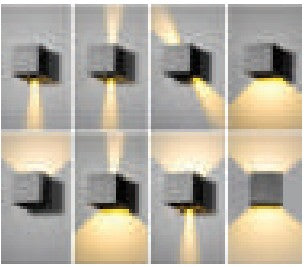
Westgate 15W 800LM 2700K/3000K/3500K/4000K/5000K LED Architectural Wall Light Bronze LRS-Q-MCT5-BR
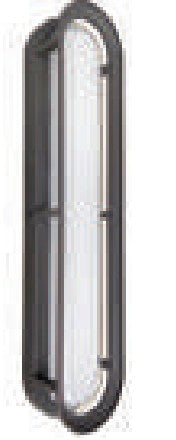
Westgate 25W 1,875LM 2700K/3000K/3500K/4000K/5000K LED Architectural Wall Light Oil Rubbed Bronze LRS-S2-MCT5-DD-ORB
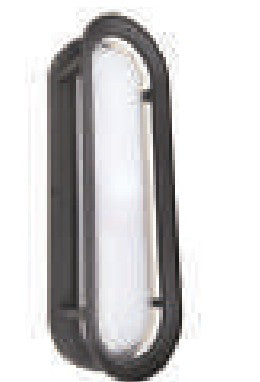
Westgate 20W 1,500LM 2700K/3000K/3500K/4000K/5000K LED Architectural Wall Light Oil Rubbed Bronze LRS-S1-MCT5-DD-ORB
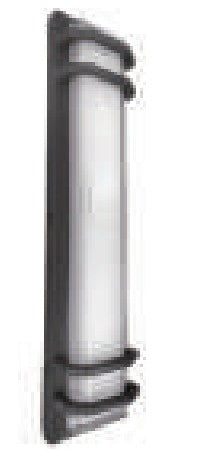
Westgate 25W 1,875LM 2700K/3000K/3500K/4000K/5000K LED Architectural Wall Light Oil Rubbed Bronze LRS-T2-MCT5-DD-ORB

Westgate 20W 1,500LM 2700K/3000K/3500K/4000K/5000K LED Architectural Wall Light Oil Rubbed Bronze LRS-T1-MCT5-DD-ORB
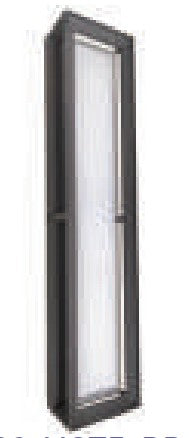
Westgate 25W 1,875LM 2700K/3000K/3500K/4000K/5000K LED Architectural Wall Light Oil Rubbed Bronze LRS-R2-MCT5-DD-ORB

Westgate 20W 1,500LM 2700K/3000K/3500K/4000K/5000K LED Architectural Wall Light Oil Rubbed Bronze LRS-R1-MCT5-DD-ORB
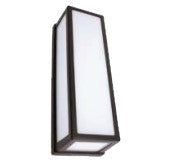
Westgate 20W/25W/30W 2,100LM 3000K/4000K/5000K LED Architectural Wall Light Bronze LRS-P2-MCTP-BR

Westgate 15W 975LM 3000K/4000K/5000K LED Architectural Wall Light Bronze LRS-P1-MCT-BR
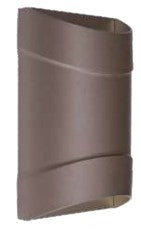
Westgate 2x6W 840LM 3000K/4000K/5000K LED Architectural Wall Light Bronze LRS-CR2-MCT-BR

Westgate 12W 840LM 3000K/4000K/5000K LED Architectural Wall Light Bronze LRS-O3-MCT-BR
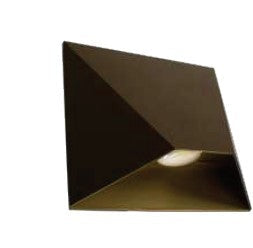
Westgate 9W 630LM 3000K/4000K/5000K LED Architectural Wall Light Bronze LRS-O2-MCT-BR
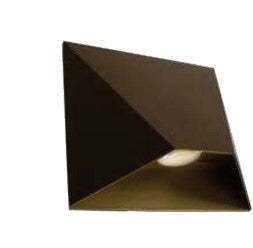
Westgate 6W 420LM 3000K/4000K/5000K LED Architectural Wall Light Bronze LRS-O1-MCT-BR

Westgate LED Architectural Wall Light LRS-N-RL-CG

Westgate LED Architectural Wall Light LRS-N-RL-BG
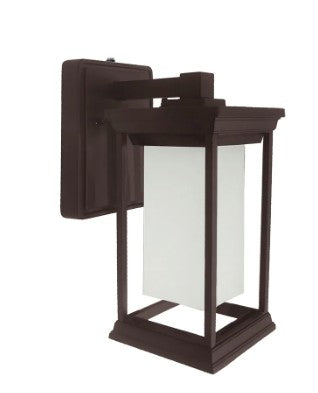
Westgate LED Architectural Wall Light LRS-N-RL-FG

Westgate 20W 850LM 30K/40K/50K LED Architectural Wall Light Oil Rubbed Bronze LRS-N1-MCT-P-ORB

Westgate LED Architectural Wall Light LRS-M-RL-CG
About Outdoor Wall Lights
How to Choose Outdoor Wall Lights for Entries, Garages, and Facades
Outdoor wall lights are easiest to select once you know where the light needs to land. A front entrance needs useful illumination at the lock and first step, while an architectural wall may need a controlled beam that emphasizes its surface. The buying decisions go beyond appearance: light distribution, mounting clearance, weather exposure, LED specifications, and controls all affect the result. Use the following guidance to narrow your options before comparing individual fixtures.
Quick Picker: Match the Fixture to the Job
- Standard front entry: A wall lantern with a shielded light source helps illuminate the door and threshold.
- Narrow garage pier: A shallow architectural sconce reduces projection into the passage.
- Textured brick column: An up/down fixture creates directional accent lighting.
- Loading entrance needing broad ground coverage: Consider LED wall pack lights.
- Exterior sign or distant driveway feature: Use LED flood lights for targeted illumination.
- Paths extending beyond the building: Plan a separate landscape lighting system.
Outdoor Wall Lanterns vs. Architectural Sconces: Choose the Beam
A decorative lantern and a directional LED sconce may occupy the same mounting position, but the light they deliver can be very different. Lanterns with diffusers spread light around the entry, while shielded architectural fixtures direct more of their output toward selected surfaces. Up/down designs create distinct beams, which can look striking on masonry without providing enough illumination at a doorstep.
For an 8-foot-wide double-door entrance, a matched pair can provide balanced illumination when the beam patterns suit the doorway. If visibility at the threshold matters more than the wall effect, choose a fixture with useful downward distribution rather than relying on accent light alone. Where the primary mounting position is overhead in a covered driveway or structure, evaluate LED canopy lights instead.
Sizing Exterior Wall Sconces: Height, Backplate, and Projection
Fixture height is only part of the sizing decision. On an 8-foot entry door, a lantern around 24 inches tall may provide a reasonable visual starting point, but trim width, adjacent windows, and wall proportions matter. Check the overall height, width, projection, and backplate dimensions before ordering.
For many residential entry installations, mounting the fixture center approximately 66–72 inches above the walking surface is a common starting point, not a universal requirement. Adjust placement for door hardware, steps, glare, and the manufacturer's installation instructions.
If the wall borders an accessible circulation path, projection may be the limiting factor. Applicable accessibility standards restrict how far certain wall-mounted objects can extend into pedestrian routes. Check those clearances before choosing a deep lantern or projecting arm fixture.
Wet-Rated vs. Damp-Rated Outdoor Wall Sconces
The fixture's location rating must match its actual exposure. An uncovered wall beside a garage door requires a luminaire listed for wet locations when rain can reach it directly. A protected porch may permit a damp-rated fixture, provided it isn't exposed to direct rain or other conditions beyond its listing.
Consider wind-driven rain, irrigation spray, and water running down the mounting surface. An overhang doesn't automatically make every installation a damp location.
In coastal settings, examine the housing material, fasteners, and manufacturer's corrosion-resistance guidance. A bronze or black finish alone doesn't establish suitability for salt air. IP ratings describe ingress protection, but they shouldn't be treated as substitutes for the required US location listing. Ordinary outdoor fixtures also aren't automatically approved for washdown or classified hazardous locations. Verify the exact product rating before purchasing.
LED Outdoor Wall Light Specs: Lumens, CCT, and Lamp Type
Brightness and light appearance should be selected together. Two fixtures with the same wattage can produce different light output and distribution, and a brighter source isn't always more comfortable beside a door.
For a pair of entry sconces, consider whether the combined light reaches the steps without shining directly toward approaching visitors.
- Lumens: Compare delivered light output rather than using watts as a brightness measurement.
- Color temperature: 2700K–3000K creates a warm appearance; higher Kelvin values appear cooler.
- Beam distribution: Determine whether light spreads outward, downward, or along the wall.
- Integrated LED: Check the fixture's maintenance and replacement provisions.
- Replaceable lamp: Confirm socket type, maximum wattage, and lamp compatibility.
- Voltage and dimming: Match the electrical supply and control method to the manufacturer's specifications.
For repeated installations, select a consistent color temperature across adjacent entrances. Then check the actual product documentation for output and compatibility before finalizing the fixture schedule.
Dusk-to-Dawn and Motion Controls for Exterior Wall Lighting
Automatic operation needs to be planned separately from the appearance of the fixture. If a property has 12 entrances that should remain illuminated after sunset, a correctly specified dusk-to-dawn control arrangement may be more appropriate than individual manual switches.
Some outdoor fixtures incorporate sensors, while others require compatible external photocells. Confirm the electrical load rating, switching method, and placement of the sensor. A photocell exposed to its own controlled light can cause unwanted switching.
Motion activation serves a different purpose. If the main requirement is illumination triggered by activity rather than consistent architectural lighting, consider dedicated LED security lights. Dimming also requires separate compatibility checks; an LED light source isn't automatically dimmable.
Replacing Exterior Wall Fixtures: Electrical Boxes and Installation
Before replacing an existing fixture, inspect what the previous installation leaves behind. For example, a wall with a 4-inch round electrical box may need a new mounting arrangement if the replacement fixture has a smaller backplate or a different bracket.
Record the box location, mounting-hole pattern, supply voltage, grounding arrangement, wall material, and condition of the surrounding surface. Check whether the fixture's weight requires additional support.
Exposed installations may require appropriately rated weatherproof electrical boxes and suitable seals. Sealant alone isn't a substitute for correctly rated electrical components. Have a qualified electrician verify wiring, grounding, mounting, and weather protection against local requirements and the manufacturer's instructions.
Ordering Exterior Wall Lighting for Multiple Entrances
For a 20-unit development, organize the order by building elevation, fixture type, finish, and control requirements. A single property may need different equipment for covered entries and exposed garage walls.
Use Lumera's broader outdoor lighting collection when the project also includes perimeter or site lighting. Qualified business buyers can apply for a Lumera Electric trade account, which offers access to wholesale purchasing and volume project quotes.
Request a Quote for Outdoor Wall Lighting
Planning a multi-fixture installation? Request an outdoor lighting quote with the product references and project requirements.
Have the following information ready:
- Preferred fixture type or product SKU
- Quantity by entrance or building elevation
- Mounting height and existing electrical conditions
- Supply voltage and control requirements
- Wet- or damp-location exposure and finish preferences
A clear fixture schedule helps identify differences between models before the order is placed.
Outdoor Wall Lighting FAQs
What is the difference between an outdoor wall lantern and an up/down LED sconce?
A wall lantern generally spreads light around an entrance, while an up/down LED sconce directs light toward the surfaces above and below it. Choose a lantern when doorway illumination and traditional styling are priorities. Choose an up/down design for architectural accents, but check its downward output if it must also illuminate steps or door hardware.
Can a damp-rated exterior wall light be installed on an uncovered wall?
No. A wall fixture exposed directly to rain needs a suitable wet-location listing. Damp-rated fixtures are intended for protected locations without direct water exposure. Even beneath a porch roof, wind-driven rain can change the required rating. Check the manufacturer's listing and installation instructions rather than assuming that every outdoor-looking fixture can withstand the same conditions.
Do outdoor wall lights include replaceable bulbs?
Some models use integrated LED light sources, while others have sockets for replaceable lamps. For a socketed fixture, check whether the bulb is included and confirm its base type, wattage limit, and suitability for an enclosed luminaire if applicable. You can compare compatible LED A19 bulbs when the fixture specifies that lamp format.
Are all outdoor LED wall sconces dimmable?
No. Dimming depends on the fixture's driver and its supported control method. A standard phase-cut dimmer, ELV dimmer, and 0–10V control aren't interchangeable. Before selecting a control from the LED dimmer switches category, confirm the exact fixture's dimming specifications, minimum load requirements, and compatibility with the proposed circuit.
Can outdoor wall lights be controlled automatically from dusk to dawn?
Yes, when the fixture and circuit support an appropriate photocell or other automatic control. A photocell responds to ambient light, while a timer follows a programmed schedule. For predictable switching hours, consider compatible lighting timers. Verify voltage, load capacity, and control placement, especially when several fixtures share the same circuit.
Can indoor wall sconces be installed on a covered porch?
Only if the specific fixture is listed for the conditions present at that location. A dry-location sconce isn't suitable merely because the porch has a roof. If moisture or wind-driven rain can reach the fixture, an appropriate outdoor listing is necessary. Keep indoor wall sconces for approved interior applications unless the product documentation explicitly permits outdoor installation.