


Panel Lights
LED panel lights in this collection include 1x4, 2x2, and 2x4 fixtures for offices, classrooms, and retail ceilings, along with compact panel-style lights and mounting accessories. Backlit models provide a broad illuminated surface, while selected fixtures offer adjustable wattage or color temperature. Choose by panel size, ceiling installation method, and required light output. Check the exact model for dimming, sensor compatibility, and whether mounting frames or suspension hardware are included.
Showing 81–100 of 240 results
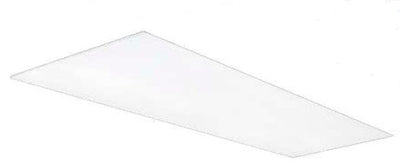
Westgate 19W/25W/32W 35K/40K/50K LED Panel LPNP-1X4-MCTP

Westgate 60W RGB LED Panel TGL-2X4-RGB-RC-BT

Westgate 40W/48W/60W 7,500LM 3000K/4000K/5000K LED Panel LPCR-2X2-HL-MCTP
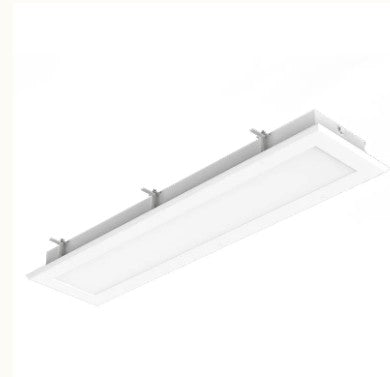
Westgate 40W/48W/60W 7,500LM 3000K/4000K/5000K LED Panel LPCR-1X4-HL-MCTP

Westgate 24W/32W/40W 35K/40K/50K LED Panel LPNP-2X4-MCTP
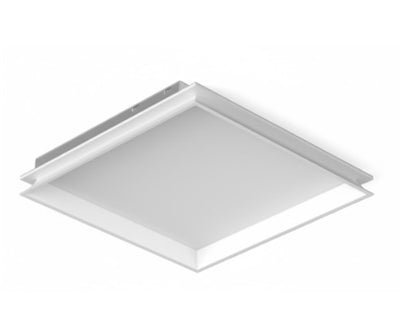
Westgate LED Panel LP-SLF-2X2

Westgate 26W/32W/40W 4,400LM Max 3000K/3500K/4000K/5000K/6500K LED Panel LPSB-1X4-26-40W-MCTP5-D
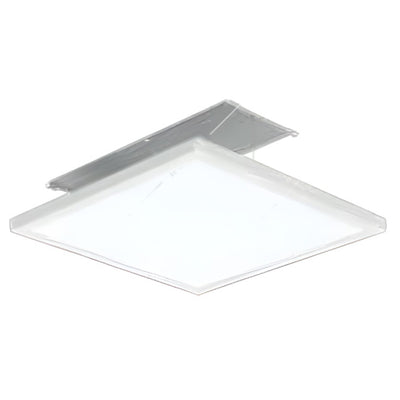
Westgate 26W/32W/40W 4,400LM Max 3000K/3500K/4000K/5000K/6500K LED Panel LPSB-2X2-26-40W-MCTP5-D
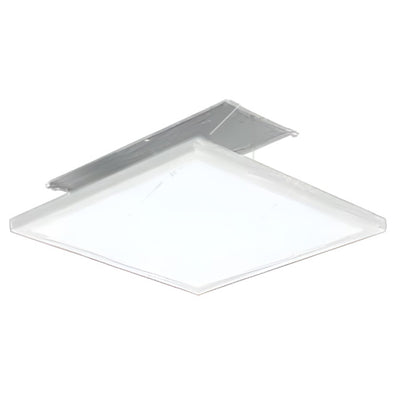
Westgate 32W/40W/50W 5,500LM Max 3000K/3500K/4000K/5000K/6500K LED Panel LPSB-2X4-32-50W-MCTP5-D

Westgate 20W/30W/40W 2,200LM/3300LM/4400LM RGBW LED Panel LPNG-2X2-RGBW

Westgate 40W/33W/20W 4,000LM/3300LM/2000LM 3000K/4000K/5000K LED Panel LPS-1X4-20-40W-MCTP-D

Westgate 30W/40W/50W 3,300LM/4400LM/5500LM RGBW LED Panel LPNG-2X4-RGBW

Westgate 40W/33W/20W 4,000LM/3300LM/2000LM 3000K/4000K/5000K LED Panel LPS-2X2-20-40W-MCTP-D

Westgate 50W/40W/30W 5,000LM/4000LM/3000LM 3000K/4000K/5000K LED Panel LPS-2X4-30-50W-MCTP-D

Westgate 19W/25W/32W 35K/40K/50K LED Panel Silver LPNP-1X4-MCTP-SR

Westgate 27W/35W/40W 3,960LM Max 3500K/4000K/5000K LED Panel TGLK-2X2-MCTP

Westgate 30W/40W/50W 6,250LM 3500K/4000K/5000K LED Panel LPCR-2X4-MCTP
Westgate 25W/35W/45W 4,950LM Max 3500K/4000K/5000K LED Panel TGLK-2X4-MCTP

Westgate 24W/32W/40W 35K/40K/50K LED Panel Silver LPNP-2X4-MCTP-SR

Westgate 17W/26W/36W 3,960LM Max 3500K/4000K/5000K LED Panel TGLK-1X4-MCTP
About Panel Lights
How to Choose LED Panel Lights for Offices and Commercial Ceilings
LED panel lights provide broad, diffused illumination for offices, classrooms, healthcare facilities, retail spaces, and other commercial interiors. The right panel depends on the ceiling construction, fixture dimensions, and lighting requirements. A 2x4 panel installed in a suspended ceiling grid has different mounting needs from a 2x2 fixture fitted to a solid ceiling with a surface-mount frame. Before ordering, confirm the ceiling opening and installation method, then compare delivered lumens, light distribution, color temperature, and controls.
Quick LED Panel Light Selection Guide
- Standard 2x2 ceiling grid: Choose a compatible square LED panel with the required light output.
- Standard 2x4 ceiling grid: Compare rectangular flat panels by brightness, diffuser, and controls.
- Narrow ceiling layout: Consider a 1x4 LED panel where the ceiling module permits it.
- Solid drywall ceiling: Check compatible mounting frames or surface-mount lighting options.
- Office requiring a different optical distribution: Compare LED troffer lights.
- Lighting with automatic shutoff: Plan compatible occupancy and motion sensors.
1x4 vs. 2x2 vs. 2x4 LED Panel Lights: Match the Ceiling Grid
Flat panel lights are commonly available in three nominal rectangular formats: 1x4, 2x2, and 2x4 feet. Choosing the correct dimensions is essential because ceiling-grid modules are not interchangeable.
1x4 LED panels suit narrower ceiling layouts, corridors, and installations where a long, slim fixture format fits the available space.
2x2 LED panels fit compatible square ceiling-grid openings and are useful for repeated lighting positions in offices, classrooms, and other commercial interiors.
2x4 LED panels cover a larger rectangular ceiling module and provide another option for open offices, training rooms, and general commercial lighting.
For example, an office renovation with an existing 2x4 fluorescent fixture layout can often use appropriately sized 2x4 LED panels without redesigning the ceiling grid. However, the actual ceiling opening, T-bar profile, and fixture clearances must be checked before ordering.
A 2x4 panel does not automatically produce twice as much light as a 2x2 model. Different drivers and LED configurations can create substantially different outputs within the same nominal size.
Selection rule: Match the ceiling-grid dimensions first, then determine the appropriate lumen package and fixture spacing.
Recessed vs. Surface-Mounted vs. Suspended LED Panel Lights
Mounting method affects installation requirements, appearance, and the components needed to complete the project.
Recessed LED Panel Lights for T-Grid Ceilings
Recessed or lay-in panels are designed for compatible suspended ceiling systems. The panel sits within the ceiling grid, providing a relatively flush appearance from below.
This arrangement is common in commercial offices, schools, and medical facilities. It requires a suitable ceiling opening, the necessary clearance for the driver and electrical connections, and compliant fixture support.
Surface-Mounted LED Panels for Solid Ceilings
Surface-mount frames allow certain flat panels to be installed on ceilings without a conventional suspended grid. They are useful for drywall, concrete, and other suitable solid-ceiling applications.
The frame must match the exact panel dimensions and manufacturer-approved installation arrangement.
For example, Lumera lists the EnVision 2X4-SM-3 surface-mount frame kit. This is a mounting accessory, not a complete light fixture.
Suspended LED Panel Lights
Some panels can be suspended below an open or elevated ceiling using approved cable kits. This can position the light closer to the work area or create a different visual arrangement.
For projects involving suspended installation, verify that the selected panel supports that mounting method and determine whether the suspension hardware is included.
Selection rule: Choose the mounting system according to the ceiling construction. A panel that fits a T-grid does not automatically include the components required for surface or suspended installation.
For additional guidance, read Lumera's recessed vs. surface-mount panel lighting guide.
Backlit vs. Edge-Lit LED Panels: Understanding Light Distribution
Backlit and edge-lit panels use different arrangements to illuminate their diffusers.
Backlit LED panels position the LED light sources behind the diffuser. Their optical design spreads the output across the illuminated surface.
Edge-lit LED panels position the light sources along the edges and use a light-guide system to distribute illumination across the face. This approach can support especially slim fixture profiles.
Neither technology automatically provides better visual comfort, higher efficacy, or longer service life. The actual diffuser, optical construction, thermal design, and driver affect performance.
For example, a shallow commercial ceiling may favor a panel with minimal overall depth, while another project may prioritize a particular output or diffuser design.
Selection rule: Compare the exact fixture's dimensions, delivered lumens, glare characteristics, and photometric data rather than assuming one lighting technology is superior in every application.
LED Flat Panels vs. Troffer Lights: Which Is Better for an Office?
LED flat panels and troffers can serve similar ceiling-grid installations, but they create different optical appearances.
A flat panel generally presents a broad illuminated face with a relatively shallow profile. This can suit offices, classrooms, and corridors requiring a simple, uniform ceiling appearance.
Troffer fixtures may use center-basket, volumetric, or other recessed optical designs. These can offer different light distributions and visible brightness characteristics.
For an office with computer monitors, glare control matters as much as total light output. A panel producing sufficient footcandles on desks can still be uncomfortable if the luminance distribution creates unwanted reflections.
Where the project specifies a particular Unified Glare Rating (UGR) limit, verify performance through the appropriate photometric information and room calculation. UGR is influenced by the complete installation, not merely by whether the fixture is labeled backlit or edge-lit.
For offices needing alternative recessed optics, review Lumera's commercial LED troffer selection.
LED Panel Light Brightness: Lumens, Selectable Wattage, and CCT
LED panel brightness should be evaluated by delivered lumens rather than wattage alone. Wattage measures electrical consumption, while lumens describe light output.
Some commercial panels feature selectable wattage, allowing installers to choose between approved operating settings. Selected products also provide adjustable correlated color temperature (CCT).
For example, the Premium Lighting G2 2x2 backlit panel listed by Lumera offers selectable settings of 15W, 20W, 30W, 40W, and 50W. Its specified maximum output is 6,250 lumens at 50W, with several selectable color temperatures.
That model illustrates why the chosen operating setting matters. A fixture configured at 15W should not be assumed to deliver the same output as the 50W setting.
When comparing LED panels, prioritize:
- Delivered lumens: The light output from the complete fixture at the specified setting.
- Wattage: Actual electrical consumption, including selectable settings where available.
- Color temperature: Common commercial choices include 3500K, 4000K, and 5000K.
- CRI: Color-rendering performance for the intended visual tasks.
- Light distribution: The pattern of illumination across the work area.
- Input voltage: Compatibility with the building's electrical system.
For a multi-room office project, document the required CCT and wattage settings in the lighting schedule. Different settings in otherwise identical fixtures can create visible inconsistencies.
Selection rule: Choose brightness according to the work performed and the planned fixture spacing. A high-output panel is not automatically the correct choice for every room.
0-10V Dimming, Occupancy Sensors, and Emergency Panel Lighting
Lighting controls should be specified before the electrical installation begins. Many commercial LED panels use 0-10V dimming, while others may support additional or different control methods.
A 0-10V system uses a compatible driver and control interface. It is not automatically interchangeable with a conventional phase-cut wall dimmer.
For example, an office with several panel-lighting zones may use dimming controls alongside occupancy sensors to reduce output or switch lights off when spaces are unoccupied.
Where 0-10V dimming is required, compare compatible ELV and 0-10V dimmers and confirm the exact control method supported by the selected driver.
Some panel models also support plug-in occupancy sensors or separately specified emergency battery equipment. These options must be verified using the manufacturer's part number and ordering code.
A sensor-ready designation does not mean the sensor is included. Likewise, a standard LED panel is not automatically an emergency lighting fixture.
Where emergency operation is required, confirm the approved battery configuration, emergency output, installation method, and applicable life-safety requirements.
Replacing Fluorescent Troffers With LED Panel Lights
Replacing older fluorescent ceiling fixtures with LED panels can be practical when the ceiling grid and electrical installation support the new equipment.
For example, a commercial office with existing 2x4 fluorescent troffers may be able to replace complete fixtures with compatible 2x4 LED panels.
However, the work involves more than matching nominal dimensions. Verify the fixture opening, plenum clearance, electrical connection, required support, and lighting distribution.
Before selecting replacement quantities, evaluate the actual light levels. An older fluorescent installation may have lost output over time, so matching its current brightness may not meet the intended lighting requirements.
For buildings retaining suitable fluorescent housings, an approved LED retrofit kit may be another option. A complete flat panel replacement and a retrofit kit are different products with different installation requirements.
For open-ceiling utility areas where a recessed grid fixture is unsuitable, consider LED strip light fixtures.
LED Panel Installation: Ceiling Support, Driver Access, and Location Ratings
A flat panel must be installed using an approved support arrangement. Suspended ceilings, hard ceilings, and seismic-design conditions can impose different requirements.
Where required by the local code or ceiling system, independent fixture support must be provided rather than relying solely on the T-grid.
Check the panel's driver location and the access needed for electrical connections or future service. A shallow panel may still require additional clearance for a remote or externally mounted driver.
Environmental suitability matters as well. A panel designed for a dry office ceiling should not automatically be installed in a wet or frequently washed area.
For rooms with significant moisture or dust exposure, compare appropriately rated LED vapor-tight fixtures.
Electrical installation should be completed by qualified personnel according to the manufacturer's instructions and the locally adopted electrical code.
Ordering LED Panel Lights for Commercial Lighting Projects
For offices, educational buildings, healthcare interiors, and commercial renovations, organize the panel-lighting order by room and ceiling type.
Prepare a fixture schedule with the following details:
- Panel size: 1x4, 2x2, 2x4, or another specified format
- Ceiling-grid or surface-mount installation
- Delivered lumens and required wattage settings
- Color temperature and CRI requirements
- Voltage, dimming, and sensor compatibility
- Emergency battery requirements where applicable
- Mounting frames, suspension kits, and other accessories
- Manufacturer part numbers and quantities
Eligible business customers can review Lumera Electric's trade account options for commercial purchasing.
For larger projects or orders containing multiple panel configurations, request a project quote with the fixture schedule and installation requirements.
LED Panel Lights FAQs
What is the difference between 2x2 and 2x4 LED panel lights?
A 2x2 LED panel fits a compatible square ceiling-grid module, while a 2x4 panel fits a larger rectangular module. The correct choice depends first on ceiling dimensions and then on lighting requirements. A larger fixture does not automatically provide more useful illumination. Compare delivered lumens, optical distribution, wattage, and fixture spacing before ordering.
Are backlit LED panels better than edge-lit panels?
Not universally. Backlit panels place their light sources behind the diffuser, while edge-lit designs distribute light from sources along the panel edges. Edge-lit construction can support thinner profiles, but the actual performance depends on optics, driver quality, and thermal design. Compare the specified panel's output, dimensions, glare characteristics, and electrical requirements rather than relying on the construction type alone.
Can LED panel lights be surface-mounted on drywall?
Yes, when the selected panel is approved for surface mounting and is installed with the correct mounting frame or other manufacturer-specified hardware. A standard lay-in panel does not necessarily include a surface-mount kit. Confirm frame compatibility, ceiling support, electrical connections, and the required mounting depth before ordering.
What is the difference between an LED panel and an LED troffer?
An LED panel typically has a slim housing and a broad illuminated diffuser. An LED troffer can use a deeper recessed housing with center-basket, volumetric, or other optical designs. Both may fit similar ceiling-grid modules, but their distribution, visible brightness, and mounting requirements differ. Choose according to the ceiling conditions and visual task.
Are LED panel lights compatible with dimmer switches?
Some are. Many commercial flat panels use 0-10V dimming, while other models support different control arrangements. An ordinary residential dimmer should not be assumed compatible. Check the manufacturer's driver specifications and approved controls before ordering. Sensor compatibility must also be verified separately.
Can LED panel lights replace fluorescent ceiling fixtures?
Yes, compatible LED panels can replace many complete fluorescent ceiling fixtures. Match the ceiling opening, electrical supply, support requirements, and desired light distribution. An LED panel replaces the fixture assembly, while an approved retrofit kit modifies an existing housing. A qualified electrician should evaluate the existing installation before replacement.