


Indoor & Residential Lighting
Indoor and residential lighting brings together overhead, hanging, wall-mounted, vanity, surface-mount, and under-cabinet fixtures for living spaces throughout the home. Use the room function to decide whether the priority is ambient, task, or accent light, then narrow the choice by mounting condition, fixture scale, and control needs. Low ceilings favor compact overhead formats, while islands, mirrors, walls, and counters need more targeted solutions. For multi-room projects, build the fixture schedule room by room before standardizing finishes or quantities.




Showing 141–160 of 4119 results

Nora Lighting NYLM-2SC27XBBLE3A 2" iLENE Surface Mount Mini Cylinder, 1000lm, 15W, 2700K, 120V Triac/ELV Dimming

Nora Lighting NYLM-2SC30XCHCHLE3A 2" iLENE Surface Mount Mini Cylinder, 1000lm, 15W, 3000K, Champagne Haze, 120V Triac/ELV Dimming

Nora Lighting NLOPAC2-R6509T2450W 6" AC Opal LED Surface Mount, 1100lm / 16.5W, 5000K, White finish
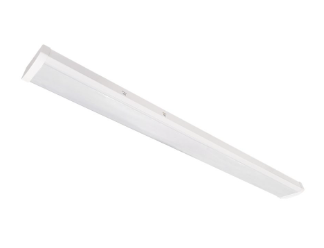
Nora Lighting NLWPSW-4L334W/MS 4' LED Wraparound with Selectable Lumens & CCT, White Finish, Integral Motion Sensor

Nora Lighting NELOCAC-11RP927W 11" ELO+ Surface Mounted LED, 1700lm / 24W, 2700K, 90+ CRI, 120V Triac/ELV Dimming, White

Nora Lighting NELO-12RTWMPW 12" ELO LED Surface Mount Luminaire with Selectable CCT, 1750lm / 24W, Matte Powder White Finish

Nora Lighting NELOCAC-16R927W 16" ELO Surface Mounted LED, 2200lm / 20W, 2700K, 90+ CRI, 120V Triac/ELV or 277V Non-Dimming, White

Nora Lighting NELOCAC-6RP927W 6" ELO+ Surface Mounted LED, 700lm / 12W, 2700K, 90+ CRI, 120V Triac/ELV Dimming, White
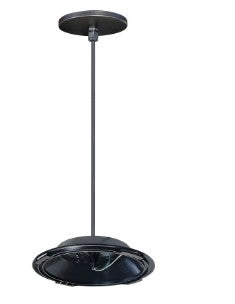
Nora Lighting NELOCAC-16PKB Pendant Mounting Kit for 16" ELO, Finish

MW Lighting MSFM918-3CCT 18W Surface Mount Light 3-CCT Selectable

MW Lighting MRFMMS-712-5CCT 12W Surface Mount Light 5-CCT Selectable

MW Lighting MWRAP-24/31/38/46W-5CCT 24/31/38/46W Selectable Wraparound Light 5-CCT Selectable

MW Lighting MRFM-BL-1227-5CCT 24+3W Surface Mount Light 5-CCT Selectable

MW Lighting MRFM2448-5CCT-BK 48W Surface Mount Light 5-CCT Selectable Black

MW Lighting MSFM1224-3CCT-BK 24W Surface Mount Light 3-CCT Selectable Black
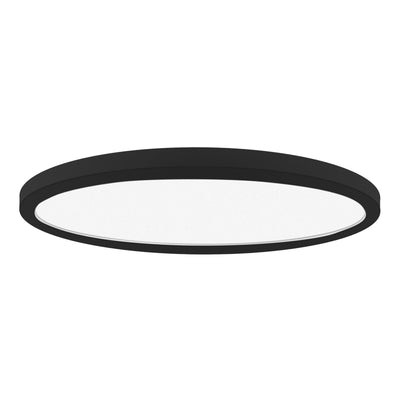
MW Lighting MRFM1225-5CCT-BK 25W Surface Mount Light 5-CCT Selectable Black

MW Lighting 11W Surface Mount Light 5-CCT Selectable MRFM511

MW Lighting MLAS-PD-CNPY-BK Pendant Mount Kit Black

MW Lighting MRFM714-5CCT 14W Surface Mount Light 5-CCT Selectable

MW Lighting MRFM-BL-715-5CCT 12+3W Surface Mount Light 5-CCT Selectable
About Indoor & Residential Lighting
How to Choose Indoor & Residential Lighting for Each Room
Choosing indoor lighting starts with what happens in the room, not the finish on the fixture. A hallway needs comfortable general visibility; a kitchen counter needs focused task light; and a living room often benefits from several sources that can operate independently. Before selecting products, note the ceiling height, mounting surface, room dimensions, electrical supply, and desired light distribution. Then choose the fixture family that performs the job without creating unwanted shadows, glare, or clearance problems.
Quick Guide: Match the Fixture to the Room
- Bedroom or hallway with limited headroom: Compare flush and semi-flush ceiling lights for general illumination.
- Kitchen island or breakfast counter: Use pendant lighting when light needs to sit closer to the work surface.
- Dining table or tall entry: Consider chandeliers where fixture scale and hanging clearance allow.
- Bathroom mirror: Select vanity lighting around the mirror and grooming area.
- Concrete or shallow ceiling: Check surface-mount fixtures that do not require a conventional recessed can.
- Bedside, reading corner, or accent wall: Compare indoor wall sconces for localized or indirect light.
Plan General, Task, and Accent Lighting Separately
General lighting makes a room usable, but it rarely covers every activity equally well. Imagine a 12-by-14-foot living room with one central ceiling fixture. The floor may be adequately lit while the reading chair remains in shadow. A local wall or reading light solves that problem more directly than increasing the brightness of the central fixture.
The same principle applies in a kitchen. Upper cabinets can block light from the ceiling, leaving the food-preparation area dim. Dedicated under-cabinet lighting brings illumination onto the countertop. If a particular surface still needs light after the general fixtures are selected, add a task-specific layer rather than choosing an unnecessarily powerful overhead fixture.
Ceiling Height, Fixture Drop, and Room Scale
A hanging fixture takes up physical space as well as visual space. An 8-foot ceiling in a route people walk through calls for a different choice from a fixture centered over a dining table. Flush or semi-flush designs preserve headroom, while a pendant or chandelier can create a deliberate focal point above fixed furniture.
Measure the entire installed drop, including the canopy, stem, chain, and fixture body. Check the manufacturer's allowed hanging adjustment and any applicable clearance requirements. For a dining area, judge fixture width against the table as well as the room. If people will walk beneath the light and adequate clearance cannot be maintained, choose a closer-to-ceiling format.
Put Task Lighting Where the Work Happens
Task lighting is about position and direction, not just output. At a bathroom mirror, a poorly positioned bright ceiling light can leave shadows on the face. At a desk or kitchen counter, a fixture behind the user can create shadows on the work area. Plan the direction of the light before comparing finishes or wattage.
For a 36-inch bathroom mirror, check fixture width, mounting position, and whether the light spreads evenly across the face. On a kitchen counter, note cabinet depth, countertop length, and the location of any available wiring or driver space. Select a fixture that fits those dimensions and is approved for the actual environment; not every indoor product has the same moisture rating.
Compare Lumens, Color Temperature, and Dimming Compatibility
Wattage tells you how much electrical power a light uses. Lumens describe output, while beam distribution determines where that output goes. Color temperature changes the apparent warmth of the light, and color rendering affects how surfaces and objects look. Evaluate these characteristics together, especially in open-plan rooms where different fixtures are visible at the same time.
If the kitchen and dining area share one open space, mismatched color temperatures may be noticeable even when the fixtures have similar finishes. Choose a consistent target appearance first. Then check whether each product has an integrated LED source or uses replaceable lamps. Dimming is not universal: the lamp or driver and wall control must support the same method. Verify compatibility for the exact models before buying controls.
Existing Ceilings and Renovation Conditions Can Change the Choice
Replacing a fixture isn't always a one-for-one swap. Before ordering, identify the existing junction box, the opening in the ceiling, available cavity depth, and any obstacles above the surface. A heavier hanging fixture may require a different approved support arrangement, while a shallow ceiling may rule out a conventional recessed housing.
If the room already has a recessed opening, compare compatible recessed lighting and downlights before changing the ceiling layout. A retrofit may preserve an appropriate existing opening, but housing size, insulation-contact requirements, location rating, and component compatibility still matter. When mounting conditions are unclear, resolve them before selecting decorative details.
Indoor Lighting Specifications to Check Before Ordering
- Room function: General visibility, countertop work, mirror lighting, reading, or decorative emphasis.
- Fixture format: Flush, semi-flush, suspended, wall-mounted, cabinet-mounted, or recessed.
- Measurements: Ceiling height, fixture width, installed drop, projection, and mounting clearances.
- Light performance: Delivered lumens, distribution, color temperature, and color rendering.
- Power and controls: Input voltage, light-source type, and approved dimming method.
- Installation: Electrical-box compatibility, fixture support, required accessories, and access for maintenance.
- Environment: Dry, damp, or wet-location suitability for the exact mounting position.
- Order contents: Whether lamps, canopies, mounting hardware, and drivers are included or sold separately.
Check each product's installation instructions and applicable electrical requirements. Hardwired fixture connections and changes to ceiling supports should be completed by qualified personnel.
Ordering Fixtures for Several Rooms or Repeated Floor Plans
For a whole-home renovation or a project with repeated room types, prepare a fixture schedule by room and function. Include the model or preferred fixture family, quantity, finish, mounting dimensions, light output, CCT, voltage, and control requirements. This prevents a decorative selection in one room from creating unintended mismatches elsewhere.
Where several fixture families or larger quantities are involved, assemble those details before requesting a project quote. A complete schedule makes it easier to identify missing lamps, incompatible controls, and installation accessories before the order is placed.
Indoor & Residential Lighting FAQs
What lighting works best in rooms with low ceilings?
Flush, semi-flush, and other shallow fixtures generally preserve more headroom than suspended lighting. The right choice still depends on room size, ceiling construction, and light distribution. If the design calls for a nearly invisible ceiling source, verify that the ceiling can support an approved recessed or low-profile installation.
Should I choose a pendant or chandelier for a dining area?
A pendant can provide a focused light source or a linear arrangement over a table, while a chandelier often serves as a larger decorative centerpiece. Neither format is automatically right for every dining room. Compare the fixture's overall width, hanging drop, table dimensions, and sightlines before deciding.
Can I dim all indoor LED light fixtures?
No. Dimming depends on the fixture, its LED driver, or the replaceable lamp. A product described as dimmable still needs a compatible control method, and existing wall dimmers may not support every LED load. Check the individual specification and any manufacturer's dimmer compatibility guidance.
How should I light a kitchen countertop?
Place suitable task lighting where it can illuminate the work surface without being blocked by upper cabinets or the person preparing food. A ready-made under-cabinet bar and a flexible LED tape system have different mounting, power, and accessory requirements. Choose the approach that fits the cabinet run and available wiring.
Do all the lighting fixtures in a home need to match?
No. A coordinated home can combine decorative fixtures with simpler task and general lighting. Consistency in color temperature, finish families, scale, or visible materials usually matters more than repeating the same fixture in every room. Prioritize each room's lighting function, then coordinate the overall appearance.