


Hardware & Fasteners
Electrical hardware and fasteners in this collection cover four installation needs: screws and bolts secure equipment and covers, anchors attach hardware to compatible wall or masonry surfaces, straps and supports hold raceway and cable runs, and cable ties organize wiring. These parts serve different functions even when their sizes appear similar. Start with the mounting surface and supported component, then check the required dimensions and load. Confirm material and pack quantity on the exact product before ordering.


Showing 341–360 of 2938 results
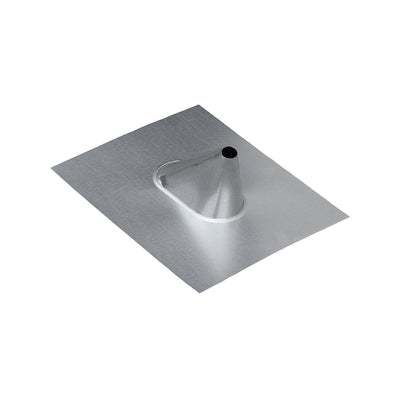
Dottie 2 in Roof Jack RJ200

Dottie 3/16 in Replacement Pulling Hook QSPH36
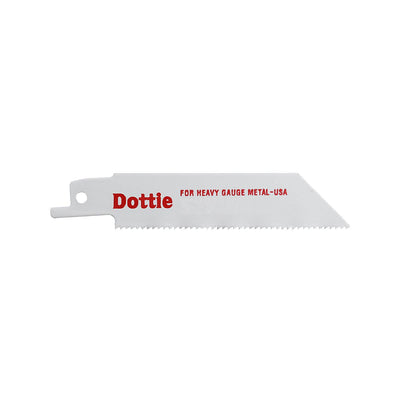
Dottie 5/8 in x 4 in Bi-Metal Reciproblade R418B

Dottie 3/4 in x 6 in Bi-Metal Reciproblade R614B7
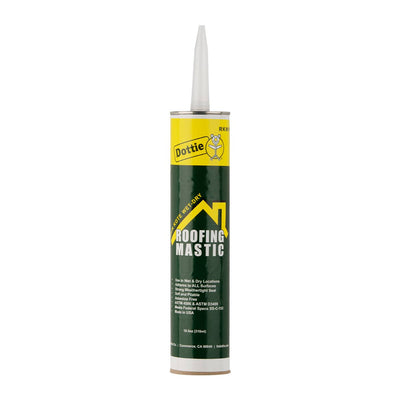
Dottie Roof Mastic (10.5 oz) RKM10
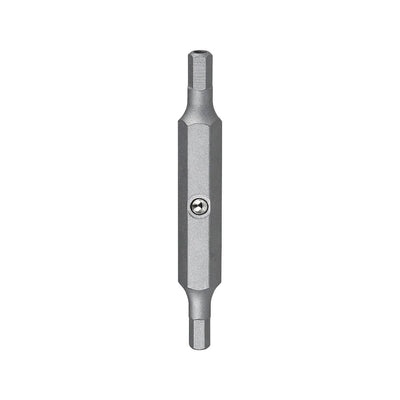
Dottie 1/8- 9/64 in Megapro Hex Pin Replacement Bit RHP18C
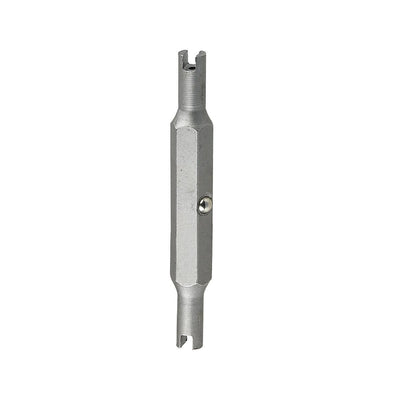
Dottie Megapro Valve Stem Replacement Bit RBVC
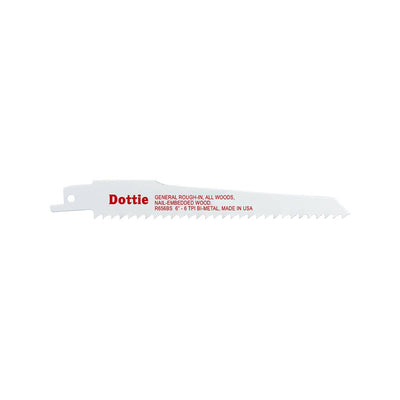
Dottie 3/4 in x 6 in Bi-Metal Reciproblade R656BS

Dottie 3/4 in x 6 in Bi-Metal Reciproblade R610B7

Dottie 3/4 in x 6 in Bi-Metal Reciproblade R624B7
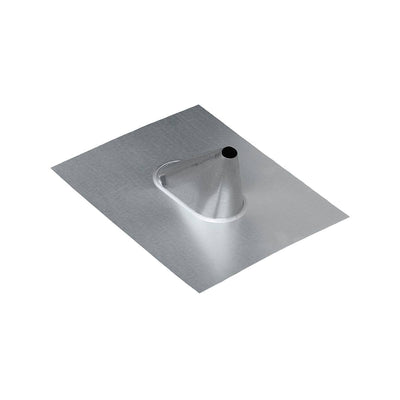
Dottie 4 in Roof Jack RJ400

Dottie 1-1/2 in Roof Jack RJ150
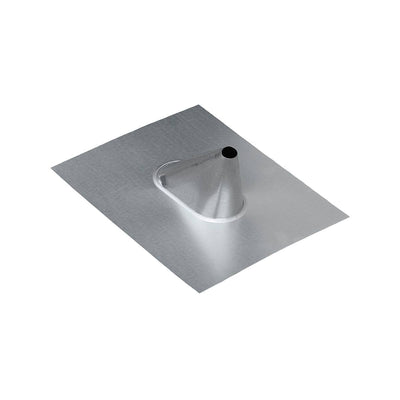
Dottie 3/4 in Roof Jack RJ75

Dottie 1/4-20 x 10 ft Threaded Rod ROD14 (500-Pack)
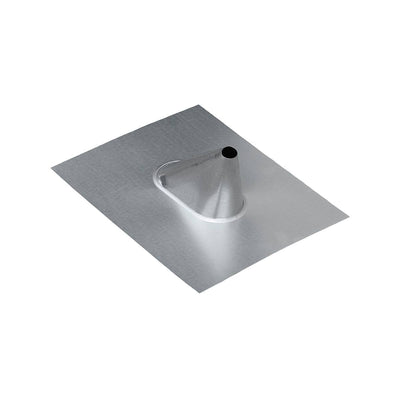
Dottie 1-1/4 in Roof Jack RJ125
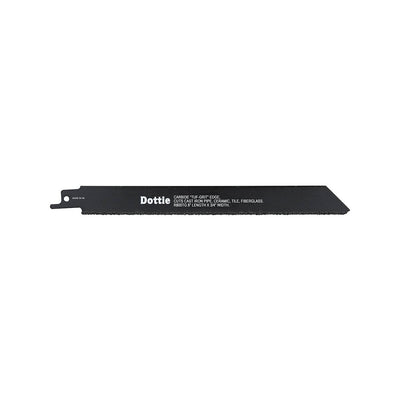
Dottie 3/4 in x 8 in Carbide Grit Reciproblade R800TG

Dottie 1 in Roof Jack RJ100
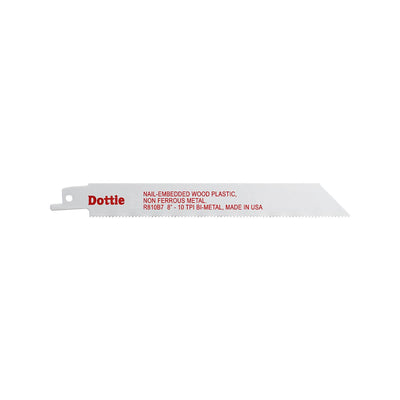
Dottie 3/4 in x 4 in Bi-Metal Reciproblade R810B7

Dottie 3 in Roof Jack RJ300
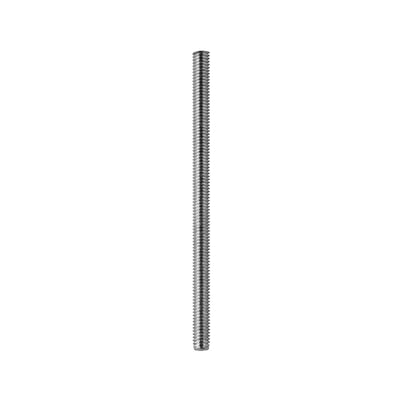
Dottie 5/8-11 x 10 ft Threaded Rod ROD58 (50-Pack)
About Hardware & Fasteners
How to Choose Electrical Hardware and Fasteners for Installation Projects
Electrical hardware and fasteners secure equipment, attach supports to building surfaces, and organize cable and raceway installations. The correct component depends on what it must hold, the mounting surface, and the forces involved. A screw used to fasten a wall plate serves a different purpose from a concrete anchor supporting an electrical bracket. Before ordering, identify the connection and substrate, then verify the required dimensions, load capacity, and environmental conditions. Similar-looking fasteners are not necessarily interchangeable.
Quick Electrical Hardware Selection Guide
- Electrical boxes, wall plates, and equipment: Choose compatible electrical screws and bolts by thread, length, and fastening method.
- Mounting hardware to concrete, brick, or drywall: Compare electrical anchors by substrate and approved load.
- Securing conduit or supporting cable runs: Review straps, brackets, and supports for the required wiring method.
- Bundling or securing compatible cables: Select cable ties, staples, and tie wire according to the application.
Electrical Screws and Bolts: Thread Size, Length, and Head Style
Screws and bolts are selected by the connection they must make. Machine screws engage matching threaded holes or nuts, while sheet-metal and self-drilling screws use different fastening methods. Their diameters, thread patterns, and approved applications must match the equipment or mounting material.
For example, many electrical wall plates use #6-32 machine screws. Lumera lists Dottie #6-32 slotted oval-head wall plate screws in several lengths, including 5/16-inch, 1/2-inch, and 3/4-inch configurations.
The correct length depends on the device, plate, and required thread engagement. A longer screw isn't automatically better because it can bottom out or interfere with components inside an electrical box.
For equipment brackets and mounting assemblies, head style also matters. Pan-head, hex-washer-head, and countersunk screws provide different bearing surfaces and installation clearances.
When a connection requires a washer, match its inside diameter and outside dimensions to the fastener and supported component. Fender washers can provide a larger bearing surface where the assembly permits their use.
Selection rule: Confirm thread designation, length, head style, and material before ordering. Do not force a screw into an incompatible threaded hole simply because its diameter looks similar.
Concrete Anchors vs. Drywall Anchors: Match the Mounting Surface
Anchors develop their holding capacity through the material around them. Concrete, solid brick, hollow block, drywall, and other surfaces have different mechanical characteristics, so one anchor type cannot be used universally.
For concrete mounting, appropriately approved concrete screws or mechanical anchors may be suitable. Their performance depends on drilled-hole dimensions, embedment depth, substrate condition, and the installation method.
For example, mounting an electrical support bracket to a concrete wall requires an anchor evaluated for that base material and the expected load. The bracket's mounting holes must also accommodate the selected fasteners.
Drywall anchors serve different applications. Plastic ribbed anchors may be appropriate for certain lighter-duty installations, but their suitability depends on the manufacturer's ratings and the wall construction.
Lumera lists Dottie ribbed tubular plastic anchors in several screw-size ranges. Their colors help distinguish particular models within that product family, but anchor color is not a universal indication of load capacity or screw compatibility.
For concrete installations, additional requirements may include minimum edge distance, spacing between anchors, and substrate thickness.
Selection rule: Identify the mounting material and supported load first. For overhead, structural, seismic, or other critical attachments, use the exact engineered anchoring requirements rather than a general-purpose wall anchor.
Conduit Straps and Supports: Secure Raceway and Cable Installations
Electrical straps, brackets, and supports keep wiring systems positioned along walls, ceilings, and other structures. The correct support depends on the conduit or cable type, its size, mounting orientation, and required mechanical capacity.
One-hole and two-hole straps, mounting brackets, channel supports, and specialty support systems are intended for different installation arrangements.
For example, an exposed EMT conduit run attached to a masonry wall requires supports compatible with the tubing and anchors suitable for the mounting surface.
A rooftop electrical installation introduces different challenges. The supporting hardware must be appropriate for the equipment load, roof conditions, exposure, and manufacturer's mounting instructions.
Conduit support intervals are determined by the applicable wiring-method requirements. Do not apply the spacing rules for one raceway type to an unrelated cable or conduit system.
The support itself and the hardware securing it must both be suitable for the installation.
Cable Ties vs. Cable Supports: Bundling Is Not Structural Support
Cable ties organize wiring into bundles or secure compatible cables at designated attachment points. They are useful for panel wiring, equipment organization, and other cable-management applications.
Cable ties differ in width, length, material, tensile strength, and environmental suitability. A larger tie may support a heavier bundle, but its published strength does not automatically establish suitability for every electrical installation.
For example, Lumera carries Dottie natural nylon and UV-rated black cable ties in different lengths and package quantities. The manufacturer identifies specific products for outdoor exposure; black color alone should never be treated as proof of UV resistance.
Mounting bases and mounting-hole ties provide different attachment methods. Adhesive-backed bases must be evaluated for their surface and environmental conditions, while mechanically secured bases depend on suitable fasteners.
For fixed building wiring, suitable cable staples or other approved supports may be required. Ordinary cable ties should not replace the securing and supporting method specified by the electrical code.
Selection rule: Use cable ties for applications approved by their manufacturer. Where the wiring system requires independent mechanical support, specify the appropriate strap, bracket, or support assembly.
Indoor vs. Outdoor Electrical Fasteners: Stainless Steel, Zinc, and UV Ratings
Fastener material and protective finish affect corrosion resistance and long-term performance. Steel, zinc-plated steel, stainless steel, and nonmetallic materials may all be useful, but their suitability depends on the actual environment.
A screw used in a dry electrical room may not be appropriate for a coastal installation exposed to salt air. Likewise, an indoor nylon cable tie may deteriorate when exposed continuously to sunlight.
For outdoor installations, evaluate moisture, chemical exposure, UV radiation, and compatibility with adjacent metals. Some stainless steel grades provide better corrosion resistance in particular environments than others.
Metal-to-metal contact can also introduce galvanic-corrosion concerns. Check the equipment manufacturer's approved materials and fastening requirements before mixing metals.
Electrical grounding and bonding require additional care. An ordinary screw should not be substituted for a specifically identified grounding fastener simply because it fits the hole or has a green finish.
Selection rule: Choose the material and finish by the installation environment, not appearance alone. Use hardware identified for any required electrical bonding function.
Electrical Mounting Hardware vs. Conduit Fittings
Hardware and fasteners complete mechanical attachments, but they do not replace the electrical fittings required to connect raceways and cables.
For example, a conduit strap secures EMT to the building structure, while an EMT connector provides the approved connection between the tubing and an electrical box. Both may be required for the same installation.
Similarly, a mounting bracket positions equipment but does not necessarily include the fasteners or anchors required to secure it to the building.
For equipment-specific mounting components, review electrical mounting accessories and check the manufacturer's part-number compatibility.
Where the installation requires a new wiring enclosure, compare suitable electrical device and outlet boxes. Select mounting hardware according to the exact box, mounting surface, and supported load.
Electrical Fastener Pack Sizes: Ordering for Contractors and Maintenance Teams
Electrical hardware is frequently sold in contractor packs rather than individual pieces. Pack quantities affect project purchasing, inventory planning, and replacement work.
For example, Lumera carries Dottie wall plate screws in 50-piece and 100-piece packages, while certain cable ties are supplied in packs of 100 or 500.
Consider a commercial project requiring 240 identical screws. If the selected SKU contains 100 screws per package, three packages provide 300 individual screws.
Check whether the product listing represents an individual item, a kit, or a multipack. Also verify whether a mounting kit includes the required anchors, screws, drill bit, or other components.
For repeat installations, standardize approved part numbers where practical. This reduces ordering errors without substituting an incompatible fastener merely to simplify purchasing.
Ordering Hardware and Fasteners for Electrical Projects
For larger installations, prepare a hardware schedule organized by equipment type, mounting substrate, and connection method.
Record the following details:
- Fastener or support type and manufacturer part number
- Thread size, diameter, and length where applicable
- Anchor substrate, load requirements, and embedment
- Supported conduit, cable, bracket, or equipment dimensions
- Material, protective finish, and environmental suitability
- Pack quantity and total number of individual pieces
Eligible business buyers can review Lumera Electric's trade account options for recurring electrical material purchasing.
For larger orders or projects requiring several hardware specifications, request a project quote with the material schedule, manufacturer part numbers, and required quantities.
Hardware & Fasteners FAQs
What is the difference between electrical hardware and electrical fittings?
Electrical hardware and fasteners primarily secure or support equipment, raceways, and cables. Electrical fittings connect, terminate, or protect specific wiring systems. For example, a conduit strap supports EMT, while an EMT connector joins it to an approved electrical enclosure. Both serve different functions and may be needed in the same installation.
What type of anchor should I use for an electrical box on concrete?
Use an anchor approved for the concrete substrate, expected load, mounting-hole dimensions, and installation conditions. Concrete screw anchors and other mechanical anchors have different embedment and installation requirements. Check the manufacturer's drill size, edge distance, spacing, and installation instructions. Don't substitute a drywall anchor simply because the screw diameter matches.
Can I use any screw to attach an electrical wall plate?
No. The screw must match the device's threaded mounting point, required length, and head configuration. Many conventional wall plates use #6-32 machine screws, but the correct fastener depends on the specific device and plate. Oversized or incorrectly threaded screws can damage the equipment or interfere with installation.
Are black cable ties always UV-resistant?
No. Black color alone does not establish UV resistance. Some black nylon cable ties are specifically formulated and rated for outdoor exposure, while others are not. Check the manufacturer's published UV suitability, temperature limits, material, and tensile-strength specifications before using the ties outdoors.
Can cable ties replace conduit straps?
Not automatically. Conduit straps and supports are selected according to the requirements of the specific raceway system. Cable ties are intended for compatible cable-management and fastening applications. They should not be substituted for a required structural or raceway support unless the exact product and installation method are approved for that purpose.
How do I choose the correct electrical fastener pack size?
Start with the total number of individual fasteners required, then divide by the manufacturer's package quantity and round up to whole packages. Check whether the product is sold individually, in a contractor pack, or as a kit containing several component types. Always confirm the exact SKU and included contents before ordering project quantities.