


General Bulbs
General light bulbs cover everyday replacement lamps for table lamps, ceiling fixtures, sconces, and other socketed lighting. Start by matching the bulb base and physical shape to the fixture, then choose the required brightness and light color. Dimming and fixture-location compatibility should also match the existing installation before a replacement is standardized. For multi-room relamping projects, record the lamp code and fixture requirements first so replacements stay consistent across the space.
Showing 101–120 of 1130 results
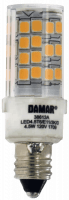
Damar 38613A LED4.5T6/E11/3K/D 4.5W (D)
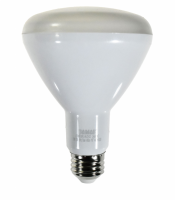
Damar 34808C LED8BR30FL/4K/D/G2 120V (D)
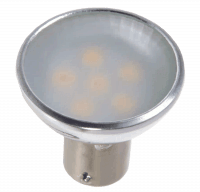
Damar 38603A LED2GBF/FR/3K 12V BA15D
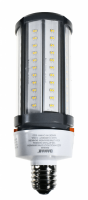
Damar 36684B LED45CC/3CCT/27W/36W/45W (D)
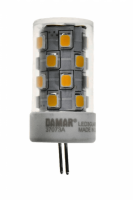
Damar 37073A LED3GU4/3K/DIM 12V 3W 260LM
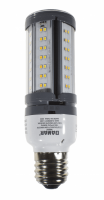
Damar 36682C LED27CC/3CCT/12W/18W/27W E39

Damar 36768A LED5MR16FL/4K/D GU5.3
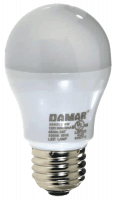
Damar 38832B LED5A15/5K/D 5W/5K E26 (D)

Damar 36201A LED8W/PLC/HOR/5CCT/4PIN (D)

Damar 37367A LED 20W/ED23.5/FIL/5K/E26
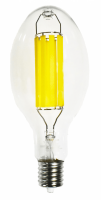
Damar 37369A LED 45W/ED37/FIL/5K/EX39
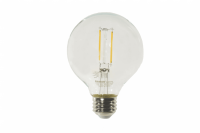
Damar 35847D LED4.5G25/FIL/27K/CL/D 120V

Damar 36816A LED 2.5W/E12/3K/DIM 120V
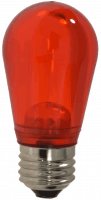
Damar 38591A Transparent Red D LEDS14TR/DIM .55-1.5W
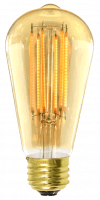
Damar 38818A Gold D LED2-2.7ST21/ANTIQUE 120V 2K
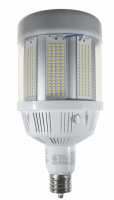
Damar 37630A LED400CC/5K/EX39 208-480V
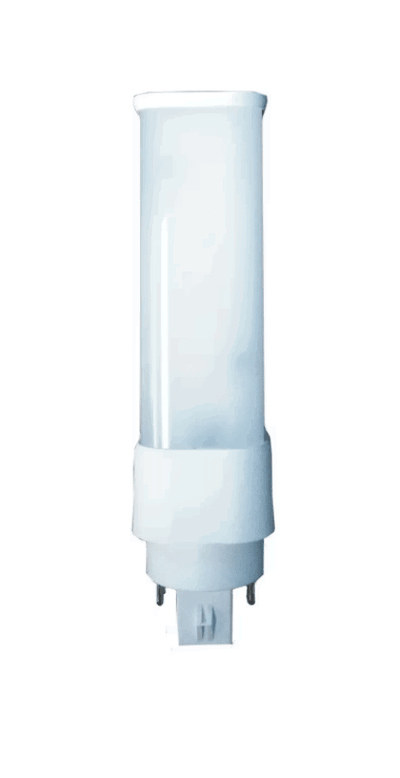
Damar 34380B LED9TT/835/4P/DR 9W 35K
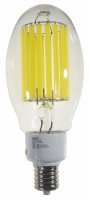
Damar 37369B LED60/68/85W/ED37/5K/EX39

Damar 35847C LED4.5G25/FIL/27K/CL/D (D)
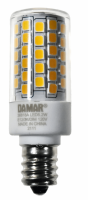
Damar 36818A LED 5.2W/E12/3K/DIM 120V
About General Bulbs
How to Choose General Light Bulbs for Everyday Fixtures
General light bulbs are easiest to replace when you match the existing fixture before comparing wattage or brand. Start with the socket base and bulb shape, then choose the lumen output and color temperature the space needs. Dimming, enclosed-fixture use, and location ratings can narrow the choice further. For an existing installation, the markings on the old lamp and a quick check of the fixture usually provide more useful information than trying to replace a bulb by appearance alone.
- Replacing a common household-style lamp? Start with A19 LED light bulbs.
- Need a controlled beam for track or accent lighting? Choose LED PAR bulbs.
- Retrofitting fluorescent-style linear lamps? Review LED tube lamps.
- Need specialty shapes or the broader lamp selection? Browse LED bulbs, tubes, and lamps.
Match the Bulb Base and Shape Before Comparing Brightness
The replacement has to fit electrically and physically. The base determines whether the lamp connects to the socket, while bulb shape, diameter, and overall length determine whether it clears the fixture, shade, trim, or cover. An E26 socket, for example, does not guarantee that every E26 lamp will physically fit the same enclosure.
A small enclosed ceiling fixture may accept the base of a larger bulb but leave too little clearance for the lamp body. Decision rule: match the base first, then verify shape and dimensions before choosing output. For the most common everyday bulb format, start with A19 replacement lamps.
Choose Lumens for Brightness and Kelvin for Light Color
Watts tell you how much electrical power a lamp uses; lumens tell you how much visible light it produces. That makes lumens the better specification when replacing an older lamp with LED. Color temperature is a separate choice and affects whether the space feels warmer, neutral, or cooler.
If an old 60W incandescent provided the right brightness, don't search for a 60W LED. Look for a modern lamp with a similar lumen output instead. Decision rule: hold the desired brightness constant with lumens, then choose the color temperature for the room. Lumera’s watts-to-lumens guide explains the difference in more detail.
Confirm Dimming Compatibility Before Replacing Lamps in a Controlled Circuit
A lamp marked dimmable still needs a compatible wall control. LED electronics respond differently from incandescent filaments, and an incompatible lamp-and-dimmer combination can produce flicker, poor low-end performance, delayed turn-on, or incomplete shutoff. The number of lamps on the control also affects the connected LED load.
In a dining fixture with six lamps on one dimmer, changing all six at once can expose a compatibility problem that wasn't obvious with the old lamps. If the circuit dims, verify both the lamp and control specifications before ordering the full quantity. Lumera’s standard LED dimmers are intended for compatible line-voltage dimmable lighting loads.
Check Enclosed-Fixture and Location Ratings Where Heat or Moisture Matters
Not every LED lamp belongs in every fixture. Enclosed globes and sealed housings can trap heat around the lamp electronics, while exterior or damp locations introduce moisture. A bulb that fits the socket may still be unsuitable if its listing does not cover the fixture or environment.
For a porch fixture with a closed lens, check both the fixture exposure and whether the lamp is identified for enclosed use before purchasing. Decision rule: when heat or moisture is part of the installation, choose from the product’s stated location and enclosure ratings rather than assuming all LED bulbs are interchangeable.
Use PAR or Tube Lamps When the Fixture Needs a Specialized Lamp Format
General-purpose bulbs work well where the fixture supplies the optics, but some applications need the lamp itself to do more. PAR lamps incorporate reflector optics to create a controlled beam for accent, track, and similar directional lighting. Tube lamps are built around linear fluorescent-style fixtures and introduce separate questions such as length, base, and ballast or wiring configuration.
If a track head needs a narrow or flood beam, move to PAR reflector lamps. If you're relamping a 4-ft fluorescent fixture, use the tube-lamp category instead. The broader LED lamp collection remains the better route for specialty shapes and bases outside those two families.
Keep Color and Replacement Specs Consistent Across Multi-Lamp Spaces
Relamping a room one bulb at a time can leave visible differences in brightness and color even when every lamp technically fits. Product generation, Kelvin rating, lumen output, beam behavior, and dimming performance can all affect how lamps look together. This matters most in chandeliers, multi-lamp fixtures, corridors, and repeated rooms.
If a 12-lamp common area is due for replacement, standardize the key lamp specifications before ordering rather than mixing whatever is available fixture by fixture. Keep the old part number or replacement specification on the maintenance schedule so later lamps match. Where several lamp families are involved, organize the project through Lumera’s complete bulb and lamp range.
Ordering General Light Bulbs for a Relamping Project
For multi-room, multi-unit, hospitality, office, or maintenance projects, organize the lamp schedule by fixture location, base, bulb shape, lumen output, color temperature, dimming requirement, fixture rating, and quantity. Repeat buyers can also review Lumera Electric’s trade account options when standardizing replacement lamps across ongoing projects.
Request a General Bulb Project Quote
For larger quantities or building-wide relamping, request a project quote after the replacement specifications have been documented.
Have these details ready:
- Existing lamp part number or markings
- Bulb base and shape
- Required lumen output
- Color temperature
- Voltage
- Dimmable or non-dimmable requirement
- Enclosed-fixture or location-rating needs
- Quantity by room or fixture type
For mixed lamp schedules, you can also submit your relamping list so replacement types and quantities stay tied to the correct fixtures.
General Light Bulb FAQs
What is the difference between a general light bulb and a PAR bulb?
A general-purpose bulb typically distributes light broadly and relies on the fixture to shape it, while a PAR lamp incorporates reflector optics that create a more controlled beam. For track heads, accent lighting, or directional applications, use LED PAR bulbs; everyday lamps and many ceiling fixtures are better served by general-purpose shapes.
What is the difference between A19 and E26?
A19 describes the bulb’s shape and approximate diameter, while E26 describes the screw base that connects to the socket. They describe different parts of the lamp. Many everyday A19 lamps use an E26 base, but you should still verify both specifications. Lumera’s A19 bulb selection is the natural starting point for this common combination.
Should I match watts or lumens when replacing an old bulb?
Match lumens when brightness is the goal. Watts measure power consumption, so a modern LED can produce the same useful light as an older lamp while using a different wattage. Use the old lamp's brightness as the reference rather than copying its wattage. Lumera’s lumens conversion guide provides familiar replacement benchmarks.
Can any LED bulb be used with a dimmer?
No. The lamp must be identified as dimmable, and the dimmer must be compatible with LED loads and the connected lamp combination. A mismatch can cause flicker or poor adjustment. When dimming is required, coordinate the bulbs with a suitable LED-rated dimmer rather than assuming an older incandescent control will perform the same way.
Can I use any LED bulb in an enclosed fixture?
No. Enclosed fixtures trap heat, and the lamp must be identified for that operating condition. Check the exact product information before installing it behind a sealed globe or cover. The same principle applies to outdoor or damp locations: use the lamp's stated rating rather than treating socket fit as proof that the application is suitable.