


Fasteners & Hardware
Electrical fasteners and hardware secure boxes, raceways, cable, fixtures, enclosures, and other installation components to the supporting structure. Choose anchors by substrate and load, screws and bolts by thread and dimensions, straps and supports by the raceway or cable they carry, and cable ties by bundle size and application. Before ordering, confirm the mounting surface, supported load, fastener dimensions, material or finish, and environmental exposure for the exact installation.
Showing 2541–2560 of 2629 results

Arlington Industries 2040 4 in Steel Conduit Hanger (100-Pack)
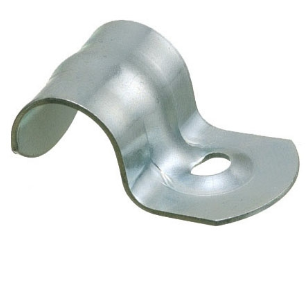
Arlington Industries 310 Conduit Strap (100-Pack)

Arlington Industries 2050 5 in Die-Cast Zinc Conduit Hanger (50-Pack)
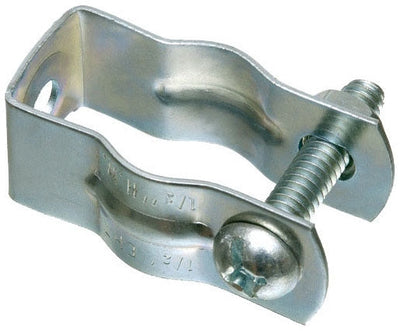
Arlington Industries 2020 2 in Steel Conduit Hanger (100-Pack)
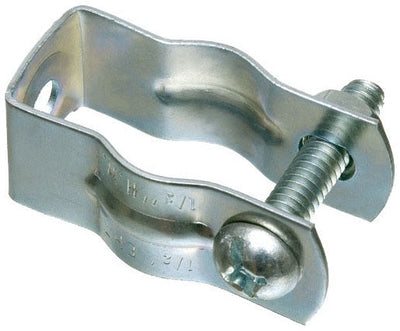
Arlington Industries 2025 2-1/2 in Steel Conduit Hanger (100-Pack)
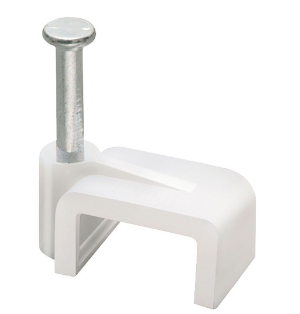
Arlington Industries 300 Non-Metallic Conduit Strap (100-Pack)
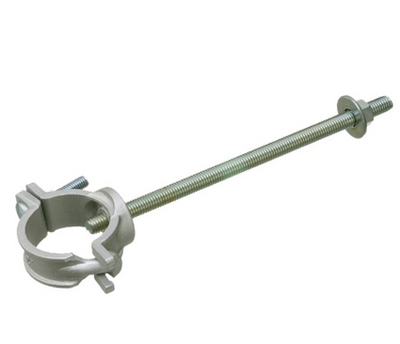
Arlington Industries 2850 2-1/2 in Aluminum Pipe Support (5-Pack)
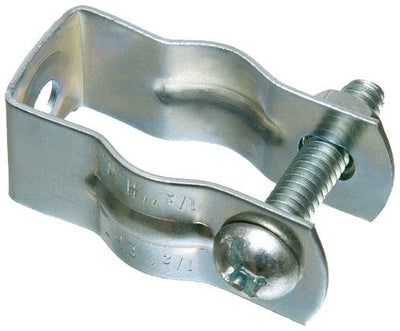
Arlington Industries 2010 1 in Steel Conduit Hanger (100-Pack)
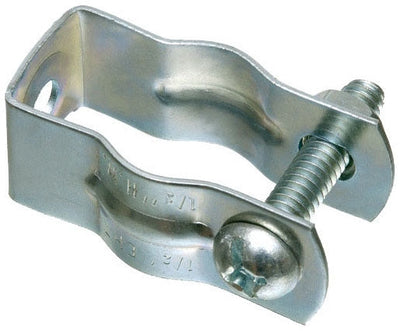
Arlington Industries 2000 0 in Steel Conduit Hanger (100-Pack)
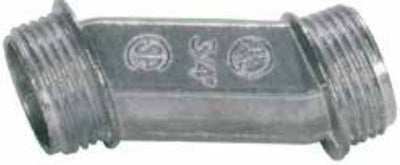
Morris 14466 Rigid Offset Nipple, 2-1/2"
Morris 14467 Rigid Offset Nipple, 3”"
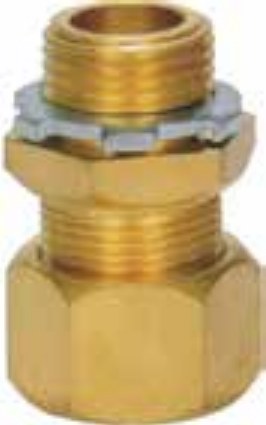
Morris 15394 Kenny Clamp, 4"
Morris 15392 Kenny Clamp, 6"
Morris 15393 Kenny Clamp, 6"
Morris 15391 Kenny Clamp, 8"
Morris 15399 Kenny Clamp, 10"
Morris 15396 Kenny Clamp, 2"
Morris 15395 Kenny Clamp, 4"
Morris 15397 Kenny Clamp, 10"
Morris 15398 Kenny Clamp, 10"
About Fasteners & Hardware
How to Choose Electrical Fasteners & Hardware
Fasteners should be selected from the installation outward. First identify what is being mounted or supported, then determine whether the attachment surface is wood, steel, concrete, masonry, drywall, or another substrate. After that, compare load requirements, fastener dimensions, material, finish, and environmental exposure. Two fasteners that look nearly identical can have very different approved uses, so physical fit alone is not enough for electrical mounting work.
- Mounting to concrete, masonry, or hollow walls: start with anchors matched to the substrate.
- Securing equipment or threaded assemblies: compare screws and bolts.
- Carrying conduit, raceway, or cable along a surface: use straps and supports.
- Bundling or securing cable at a point: choose appropriate cable ties and tie wire.
Anchors: Start With the Mounting Surface
An anchor only works correctly when it is suited to the material receiving it. Concrete, masonry, drywall, block, and other substrates behave differently under load, so anchor type should come from the manufacturer's approved substrate information rather than color or appearance.
A wall-mounted enclosure fastened to concrete, for example, may require a very different anchor from a light device mounted to hollow drywall. Drill diameter, hole depth, embedment, edge distance, spacing, and installation torque can also affect anchor performance.
Decision rule: if the substrate changes, recheck the anchor even when the supported equipment and load remain the same. Use the exact anchor installation data rather than transferring a drilling or load assumption from another anchor family.
Screws & Bolts: Match Thread, Diameter and Length
Screw selection involves more than overall length. Confirm thread type and pitch, diameter, required engagement, head style, drive type, material, and finish. Machine screws normally engage a tapped hole, nut, or compatible threaded component, while self-tapping or self-drilling products create or form their engagement in an approved material.
A #6-32 wall-plate screw and a similarly sized self-tapping screw may look close in a parts bin but serve different interfaces. Substituting one can damage the threaded component or fail to secure the assembly correctly.
Decision rule: when the supported equipment provides a specified thread, use that thread specification as the starting point. Then select length from the material thickness and required engagement rather than assuming a longer screw is always better.
Anchor Size and Screw Size Have to Work Together
Many anchor installations depend on a separate screw or bolt. The anchor therefore has to match both the substrate and the fastener passing through it. A screw that is too small may not engage the anchor correctly, while one that is too large can damage the anchor during installation.
For a fixture bracket mounted to masonry, check the bracket-hole diameter as well as the anchor and screw combination. All three interfaces have to work together.
Decision rule: treat the anchor and its screw or bolt as one fastening system. Confirm the manufacturer's compatible fastener diameter and length before combining products from separate packages.
Straps & Supports Carry Raceway and Cable Loads
Straps, clips, brackets, channel hardware, and specialty supports hold raceways or cable systems in position and transfer their load to the mounting surface. They solve a different problem from cable ties, which primarily bundle or secure cable at individual points.
A 1-inch raceway run along a wall, for example, needs support hardware that matches the raceway type, trade size, mounting orientation, substrate, and environmental conditions. The fastener attaching that support to the wall must also be appropriate for the surface and load.
Decision rule: choose the support hardware from the raceway or cable first, then select the anchor or screw that attaches that support to the structure. Don't reverse the process by choosing a convenient fastener and forcing the support around it.
Cable Ties: Tensile Strength and Environment Matter
Cable ties can organize conductors, secure bundles, or fasten compatible cables to a mounting point, but their specifications vary. Length determines the bundle size they can wrap, while width and construction influence tensile strength. Material and product rating determine suitability for temperature, flame, UV exposure, and other installation conditions.
Black color by itself does not prove that a cable tie is suitable for outdoor UV exposure. Lumera carries products specifically described as UV black as well as natural cable ties, which makes the exact product specification more useful than color alone.
Decision rule: choose the tie from bundle diameter, required tensile strength, mounting method, and environment—not simply from length. For cable-support work beyond bundling, move to structural supports rather than adding more ties.
Indoor vs. Outdoor Fasteners: Check Material and Finish
Fasteners used indoors in a dry environment can face very different conditions from hardware exposed to rain, condensation, UV, coastal air, or corrosive chemicals. Zinc plating, stainless steel, coated steel, plastic, and other materials each have application limits, and appearance does not establish environmental suitability.
For example, a plated screw that performs well inside an electrical room should not automatically be specified for exposed outdoor equipment. The supported component and surrounding materials can also affect corrosion considerations.
Decision rule: if the installation moves outdoors or into a damp or corrosive environment, verify the material and finish of every anchor, screw, bracket, and support in the attachment—not only the enclosure being mounted.
Grounding Hardware Is Application-Specific
A screw or clamp should not be treated as grounding hardware simply because it is green or metallic. Grounding and bonding connections need components identified for the equipment, conductor, and connection method involved.
For example, replacing a missing grounding screw in an electrical box should begin with the box or equipment requirements rather than selecting any green machine screw with the same apparent diameter.
Decision rule: when a fastener becomes part of the electrical grounding or bonding path, use hardware intended for that function. Coordinate the remainder of the connection with Lumera's grounding and bonding hardware rather than treating ordinary mounting hardware as an electrical substitute.
Mounting Electrical Boxes and Equipment
The correct fastener depends on both the supporting surface and the component being mounted. Boxes, enclosures, fixtures, brackets, raceway supports, and equipment can each have manufacturer-specific mounting-hole dimensions or structural requirements.
A lightweight wall box attached to framing does not create the same fastening demand as a larger enclosure mounted to concrete. Likewise, a mounting accessory may position a fixture without including every structural fastener required to support it.
Decision rule: determine the equipment weight, mounting-hole configuration, substrate, and manufacturer's mounting instructions before choosing the fastener. If the assembly includes raceway connections as well, coordinate the mounting hardware separately from the electrical fittings used to connect the wiring system.
Don't Use Fastener Color as a Universal Specification
Color can help identify products within a manufacturer's line, but it is not a universal code for anchor capacity, cable-tie UV resistance, screw application, or grounding approval. A blue anchor from one product family, for example, may have no relationship to a blue anchor from another manufacturer.
The same principle applies to black cable ties and green screws. Some products use those colors for meaningful identification, but the color itself does not replace the manufacturer's rating.
Decision rule: use printed size, catalog information, material, load data, and application markings to select hardware. Treat color only as a secondary identifier when the manufacturer explicitly uses it that way.
What to Confirm Before Ordering Fasteners & Hardware
- Supported component: box, enclosure, fixture, raceway, cable, bracket, or equipment.
- Substrate: wood, steel, concrete, masonry, drywall, or another approved surface.
- Load: confirm the fastening or support requirement from the actual installation.
- Fastener type: anchor, machine screw, self-tapping screw, bolt, strap, support, or tie.
- Diameter and thread: match threaded holes, nuts, anchors, or equipment requirements.
- Length: account for material thickness and required engagement or embedment.
- Head and drive: confirm clearance and the required installation tool.
- Material and finish: match corrosion and environmental conditions.
- Trade size or cable size: required when selecting straps, clips, and related supports.
- Product rating: verify load, UV, temperature, flame, or other application-specific requirements where relevant.
Ordering Fasteners & Hardware for a Project
For larger installations, build the fastener schedule around the items being mounted. Record the substrate, supported component, fastener type, diameter, length, material or finish, and quantity for each repeated installation. Keeping anchors, screws, supports, and cable-management hardware tied to the same location schedule helps prevent similar-looking parts from being mixed on site.
When quantities are established, selected products can be added to Lumera's project quote request for bulk or project purchasing.
Fasteners & Hardware FAQs
How do I choose the right anchor?
Start with the substrate and the load being supported. Then use the anchor manufacturer's data to confirm anchor diameter, screw or bolt size, drill diameter, embedment, spacing, edge distance, and installation procedure. Do not choose an anchor from color alone because color codes are not universal between product families.
What is the difference between a machine screw and a self-tapping screw?
A machine screw uses an existing threaded hole, nut, or tapped component, while a self-tapping or self-drilling fastener creates or forms engagement in an approved substrate. They are not direct substitutes. Check the supported equipment before choosing from screws and bolts, especially where a specific machine thread is already provided.
Can cable ties be used instead of conduit straps?
Not automatically. Cable ties are primarily used for bundling or point fastening, while straps and supports carry and position raceway or cable along an installation. Raceway support needs to follow the requirements for that wiring method and use hardware suited to its size, load, surface, and environment.
Are black cable ties automatically UV-resistant?
No. Black color does not by itself establish UV suitability. Check the product specification for an explicit outdoor or UV rating. Lumera carries both natural and products specifically identified as UV black, so the listing should determine suitability rather than appearance. Compare the exact ratings in the cable ties category.
Can any green screw be used as a grounding screw?
No. Color does not establish that a screw is approved for grounding. Use the grounding means identified for the electrical box, enclosure, or equipment and follow its installation instructions. Where additional clamps, lugs, jumpers, or bonding hardware are required, select products specifically intended for that electrical connection.
Can I use the same fasteners indoors and outdoors?
Only when the exact material, coating, and product rating are suitable for both environments. Outdoor exposure can add moisture, UV, temperature changes, and corrosion concerns that may not exist indoors. Recheck anchors, screws, supports, and ties when an installation moves to an exterior or otherwise demanding location.