


Electrical
Electrical supplies cover the core components used to distribute power, connect devices, contain wiring, route conductors, and complete grounding and bonding work. Use Power & Distribution for system equipment, Wiring Devices for connection points, Electrical Boxes & Covers for wiring enclosures, and Electrical Fittings for raceway transitions; Wire & Cord and Grounding & Bonding support the wiring system around them. Start with the circuit, wiring method, installation environment, and exact equipment compatibility before narrowing individual products.





Showing 10661–10680 of 11239 results
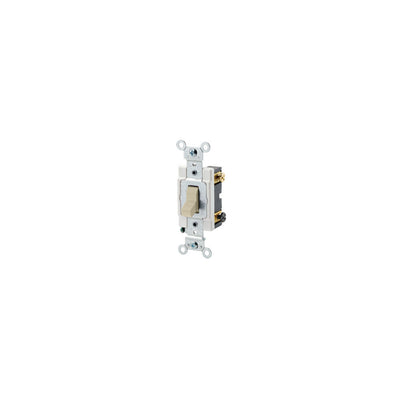
Leviton CSB2-20I Decora Device
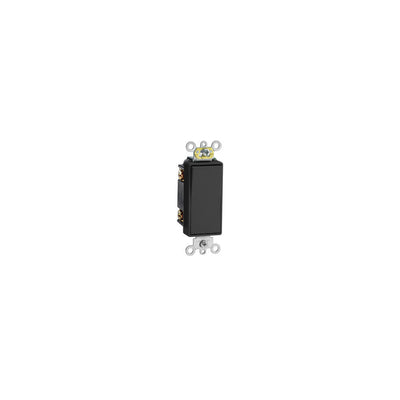
Leviton 5693-2E Receptacle
Leviton CS215-2GY Decora Device
Leviton A1223-2R Receptacle
Leviton CS315-2GY Wiring Device
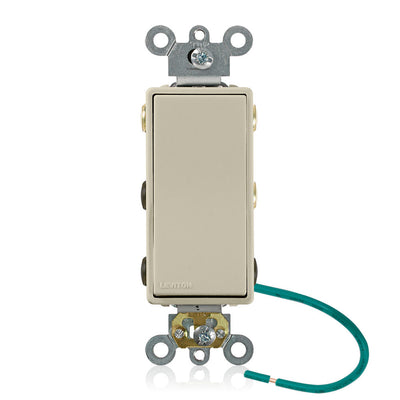
Leviton 5686-2I Receptacle
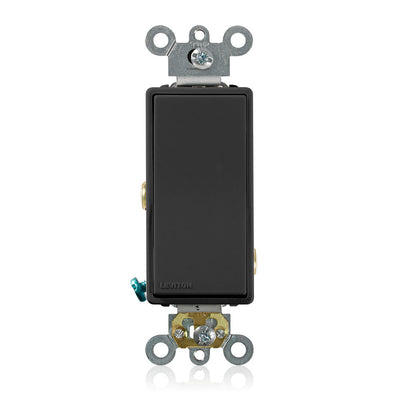
Leviton 5691-2E Receptacle
Leviton CS220-2E Decora Device
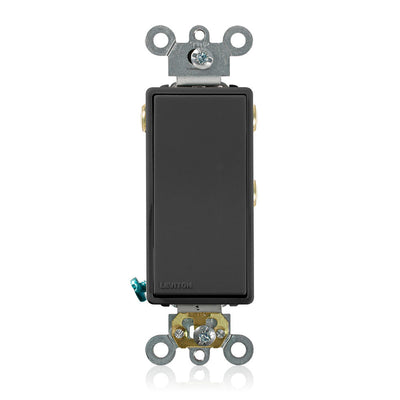
Leviton 5657-2E Receptacle
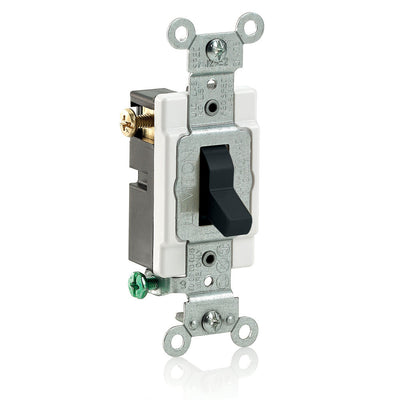
Leviton CS320-2E Wiring Device
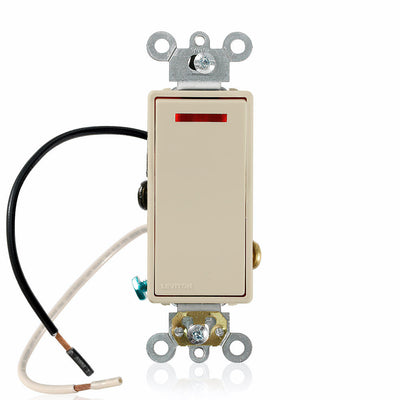
Leviton 5638-2I Receptacle
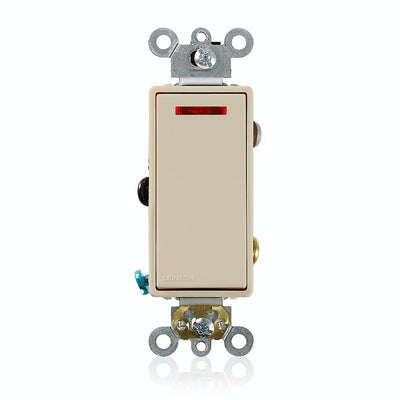
Leviton 5628-2I Receptacle
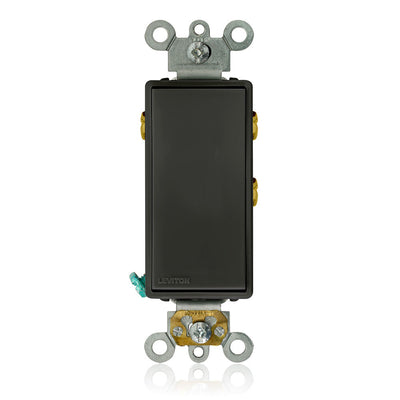
Leviton 5685-2E Receptacle
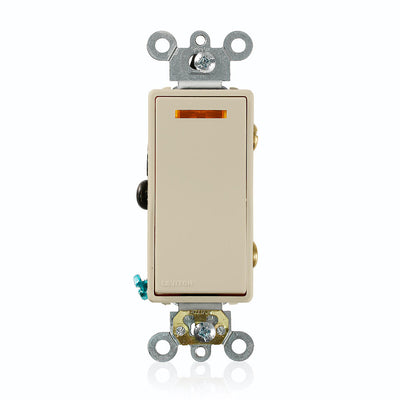
Leviton 5633-2I Receptacle
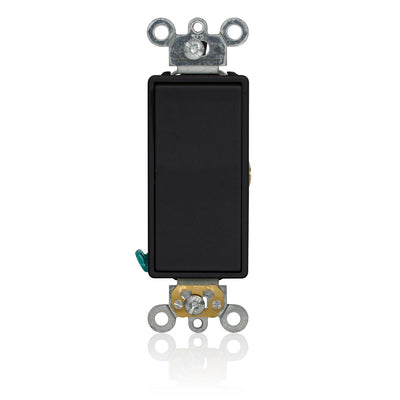
Leviton 5655-2E Receptacle
Leviton M5262-SI Lev-Lok Modular Device

Leviton 5624-2E Receptacle

Leviton 5622-2E Receptacle

Leviton 5631-2E Receptacle
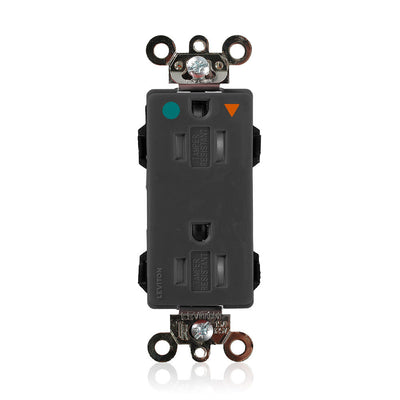
Leviton MDT82-IGE Lev-Lok Modular Device
About Electrical
Electrical Supplies: Choose Products as Part of the Complete Wiring System
Electrical supplies work as a system. Breakers need to match the distribution equipment and conductors they protect, wiring devices need the correct voltage and configuration, boxes need enough capacity for the wiring they contain, and fittings must match the raceway or cable entering them. Start with the circuit and wiring method, then choose each component from its actual electrical, mechanical, and environmental requirements rather than treating individual parts as interchangeable.
- Service, feeder, breaker, or transformer work starts with Power & Distribution.
- Receptacles, plugs, locking devices, and connection points belong under Wiring Devices.
- Switches, receptacles, splices, and other wiring need suitable Electrical Boxes & Covers.
- Conduit, cable, and enclosure transitions require compatible Electrical Fittings.
- Branch circuits, feeders, and equipment connections begin with the correct Wire & Cord.
- Fault-current paths and equipment connections require application-specific Grounding & Bonding hardware.
Power & Distribution: Start With the Electrical System
Power-distribution equipment should be selected from the system requirements outward. Confirm service or feeder voltage, phase, calculated load, conductor requirements, equipment family, and available fault-current information before choosing breakers or related equipment. A component carrying the correct amp rating can still be wrong for the panel, voltage, mounting system, or application.
For example, two 20-amp breakers can have the same handle rating while belonging to completely different panel families. Physical fit does not establish equipment compatibility.
Decision rule: identify the panelboard or equipment manufacturer and approved component family before comparing amperage or pole count. For breaker-specific replacements, use Lumera's circuit breaker selection only after that equipment information is known.
Wiring Devices: Match Voltage, Amperage and Configuration
Wiring devices include the points where people or equipment connect to the electrical system. Receptacles, plugs, locking devices, floor connections, and related products may look similar while using different voltage, current, conductor, grounding, or blade configurations.
A 20-amp device, for example, is not defined by amperage alone. The voltage, pole and wire arrangement, grounding configuration, device type, and environment still need to match the circuit and mating equipment.
Decision rule: identify the circuit and mating device before choosing by appearance. Replacement plugs and receptacles should match the complete configuration printed on the existing equipment rather than only its amp rating.
Electrical Boxes & Covers: Size the Box for What Goes Inside
An electrical box protects connections, supports devices or fixtures, and provides required space for conductors and splices. Gang count tells you how many devices can occupy the front of many boxes, but it does not replace the need to check box volume, mounting method, wiring method, and location.
A one-gang switch box containing several conductors and splices can need more internal volume than another one-gang box serving a simpler circuit. New-work and old-work boxes also mount differently, so construction stage matters.
Decision rule: choose the box from the devices, conductors, clamps, grounding components, and installation method—not simply from the number of gangs visible at the wall.
Exterior installations should move to appropriately rated weatherproof electrical boxes rather than assuming an indoor device box can be adapted for exposure.
Electrical Fittings: Wiring Method Comes Before Trade Size
Electrical fittings connect raceways, cables, boxes, and enclosures, but the same nominal trade size can appear across several incompatible wiring methods. EMT, rigid or IMC, flexible raceway, nonmetallic systems, and cable assemblies each use fittings designed for their particular construction.
A 3/4-inch connector intended for one raceway type is not automatically interchangeable with another 3/4-inch fitting. The connection method, material, environment, and equipment entry also matter.
Decision rule: identify the exact raceway or cable type first, then trade size and fitting function. For raceway-specific hardware such as couplings, connectors, bodies, bushings, and related parts, compare Lumera's conduit fittings and connectors.
Wire & Cord: Choose the Conductor From the Circuit and Installation
Wire selection involves more than matching gauge to a familiar breaker size. Conductor material, insulation type, temperature rating, wet or dry location, wiring method, bundling conditions, terminations, and circuit requirements can all affect the correct product and allowable ampacity.
Copper and aluminum also require compatible termination hardware. A connector or lug that accepts copper should not be assumed suitable for aluminum unless it is identified for that conductor material.
Decision rule: establish the circuit load and installation conditions before choosing conductor size. Then coordinate the wire with its raceway or cable method, overcurrent protection, and termination ratings as one system.
Grounding & Bonding: Match the Hardware to the Connection Point
Grounding and bonding work together but perform different functions. Grounding connects systems to the required reference or electrode system, while bonding creates electrical continuity between conductive parts so fault current has an effective path. The connectors used for those jobs depend on what materials and surfaces are being joined.
A clamp intended for one pipe or electrode should not automatically be transferred to another application. Conductor size, copper or aluminum compatibility, mounting surface, environment, and the connector's identification all matter.
Decision rule: define the exact grounding or bonding connection first, then select the clamp, lug, bushing, jumper, or related hardware approved for that interface.
Indoor, Outdoor and Industrial Electrical Products Need Different Ratings
The installation environment can change nearly every component in the material list. An indoor dry box, fitting, receptacle, or enclosure may not be suitable for outdoor rain, washdown, corrosion, dust, or other demanding conditions. Descriptions such as “heavy-duty” or an outdoor-looking housing are not substitutes for an actual environmental rating.
Where equipment needs a defined enclosure type, compare the exact protection requirement with Lumera's NEMA enclosures. Raceway entries, covers, cable glands, and unused openings also need to preserve the protection required by the complete assembly.
Decision rule: establish the environment before standardizing electrical hardware across the project.
Compatibility Matters More Than Physical Fit
Many electrical mistakes happen because a replacement part physically fits. A breaker may fit a panel slot, a connector may thread into an opening, or a receptacle may fit the same wall box while still being wrong for the electrical system.
Catalog family, voltage, current, pole count, conductor range, listing or identification, wiring method, environmental rating, and mating configuration can all establish compatibility beyond basic dimensions.
For replacement work, record existing manufacturer names, catalog numbers, equipment labels, conductor information, and clear photographs before removing components. That gives you a reference when several similar-looking products appear in the category.
Build the Electrical Material List by System
A complete electrical order is easier to verify when it is organized by circuit or equipment connection rather than by product category. A branch circuit, for example, may require a breaker, conductors, raceway, fittings, boxes, wiring devices, covers, grounding hardware, and supports. Ordering each family independently makes compatibility gaps harder to see.
Before releasing a larger material list, check that each circuit or equipment connection has the correct:
- System information: voltage, phase, load, and circuit requirements.
- Protection: breaker or other overcurrent device matched to the system and conductors.
- Wire or cable: conductor size, material, insulation, and wiring method.
- Raceway and fittings: compatible type, trade size, and environment.
- Boxes and covers: sufficient capacity, correct mounting, and required location rating.
- Wiring devices: correct voltage, amperage, configuration, and grounding.
- Terminations: suitable conductor range, material compatibility, and installation method.
- Grounding and bonding: complete fault-current and equipment-bonding path.
Line-voltage electrical installation, circuit sizing, grounding, bonding, and equipment compatibility should be verified by qualified electrical personnel using the manufacturer's instructions and the requirements applicable to the project.
Ordering Electrical Supplies for a Larger Project
For service work, tenant improvements, new construction, multifamily projects, maintenance stock, or repeated installations, organize quantities by circuit, panel, equipment, or wiring system. Include catalog numbers for replacement equipment and clearly identify voltage, conductor size, fitting type, box configuration, and device requirements where they affect compatibility.
Once the material schedule is verified, add the required products to Lumera's project quote request for quantity-based or project purchasing.
Electrical Supplies FAQs
What products are included in electrical supplies?
Electrical supplies cover the products used to distribute power, carry conductors, contain connections, join raceways, connect equipment, and complete grounding and bonding systems. Lumera organizes this parent category into Power & Distribution, Wiring Devices, Electrical Boxes & Covers, Electrical Fittings, Wire & Cord, and Grounding & Bonding so you can start with the part of the wiring system you are working on.
How do I know which circuit breaker fits my panel?
Identify the panel manufacturer, model or series, and breaker types permitted by its labeling before comparing amperage. A breaker that physically fits the panel is not automatically approved for it. Then match the required amp rating, pole count, voltage, protection type, mounting method, and interrupting rating for the circuit and equipment.
What is the difference between an electrical box and an enclosure?
Electrical device boxes commonly hold switches, receptacles, fixture connections, or smaller splices, while larger enclosures can house broader electrical equipment, controls, or termination assemblies. The correct choice depends on what goes inside, required volume, mounting method, environment, and the protection level the complete assembly needs.
Can I use any fitting with conduit of the same size?
No. Trade size alone does not establish compatibility. A fitting also needs to match the raceway type, connection method, material, and installation environment. EMT, rigid or IMC, flexible conduit, and nonmetallic raceways use different fitting families, so identify the wiring method before selecting connectors or couplings.
How do I choose the right electrical wire?
Start with the circuit load and electrical design, then confirm conductor size, copper or aluminum construction, insulation type, temperature rating, location, wiring method, and compatible terminations. Conductor ampacity can depend on installation conditions, so wire should be coordinated with its overcurrent protection rather than selected from gauge alone.
Are grounding and bonding the same thing?
No. Grounding and bonding are related parts of the electrical safety system but serve different functions. Grounding connects the system to the required reference or electrode system, while bonding creates electrical continuity between conductive parts. The correct hardware therefore depends on the conductor, connection surface, equipment, environment, and specific function.