


Electrical Box Covers & Rings
Electrical box covers and rings finish or close compatible wiring boxes. Blank covers protect unused box openings, while toggle, duplex, and GFCI/Decora covers fit exposed device installations; floor-box covers belong to matched floor assemblies. Plaster rings, where specified, position devices at the finished wall surface rather than acting as ordinary faceplates. Choose by box format, device opening, and installation location, then check any raised depth and mounting hardware before ordering.
Showing 521–540 of 611 results

Orbit Floor Box Popup Cover Only with 2 Duplex Recep (T.R.), Brass FLBPUDDCBR

Orbit Floor Box Popup Cover PVC Adapter Ring FLBPUAR

Orbit Floor Box Flip Cover with Duplex Recep(T.R.), Adjust.Box, Stainless Steel FLBDSS

Orbit Floor Box Flip Cover Only, with Duplex Recep(T.R.), Stainless Steel FLBDCSS

Orbit Floor Box Flip Cover Only, with Duplex Recep(T.R.), Brass FLBDCBR

Orbit Floor Box Flip Cover with Duplex Recep(T.R.), Adjust.Box, Brass FLBDBR

Orbit 4 S Floor Box 3-1/2 in Deep, 1/2 in and 3/4 in KO, for Square Plate Cover FLB4SEDB2G

Orbit 5S Industrial Cover Two GFCI / Decorators 5544

Orbit 5S Industrial Cover GFCI / Decorator 5524

Orbit 5S Industrial Cover Two Duplex Receptacles 5522

Orbit 5S Industrial Cover GFCI / Decorator 5514

Orbit 5S Industrial Cover Duplex Receptacle 5512

Orbit 5S Industrial Cover Two Toggle Switchs 5511
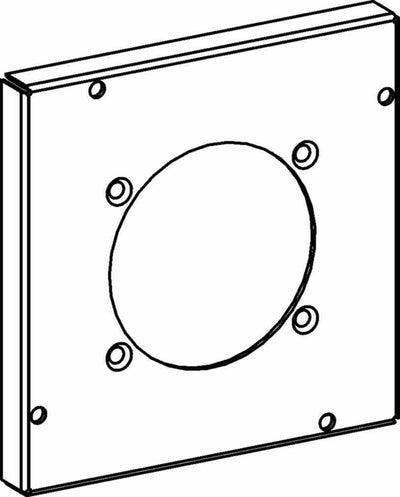
Orbit 5S Industrial Cover Power Outlet 2.625 in 5508
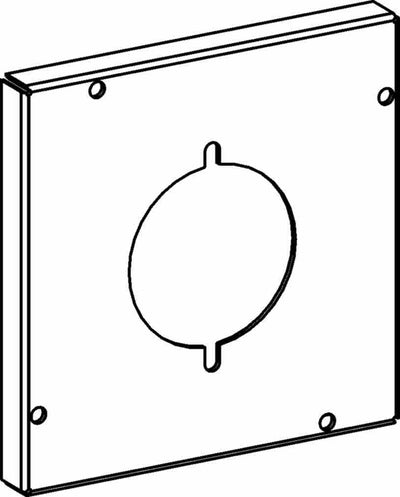
Orbit 5S Industrial Cover Power Outlet 2.156 in 5507

Orbit 5S Industrial Cover Power Outlet 1.75 in 5506

Orbit 5S Industrial Cover Power Outlet 1.6 in 5505
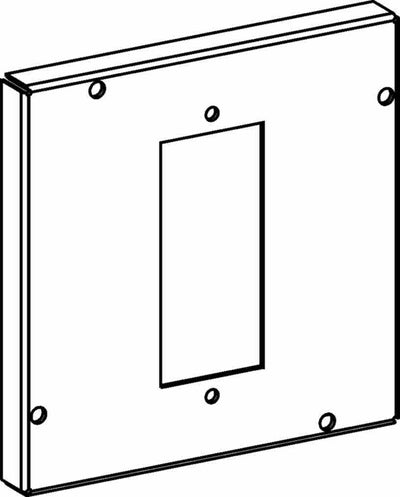
Orbit 5S Industrial Cover GFCI / Decorator 5504
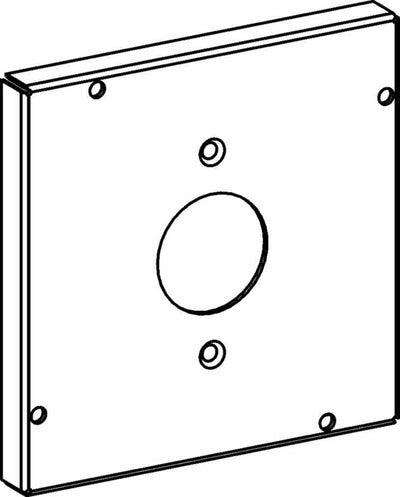
Orbit 5S Industrial Cover Single Receptacle 5503

Orbit 5S Industrial Cover Duplex Receptacle 5502
About Electrical Box Covers & Rings
How to Choose Electrical Box Covers and Rings for Wiring Installations
Electrical box covers and rings must match the box, device, and finished mounting surface. A blank cover closes an unused wiring-box opening, while a device cover provides the correct opening and mounting arrangement for a switch or receptacle. Raised covers and plaster rings address different installation conditions, and floor-box covers belong to specific floor assemblies. Before ordering, identify the box format, device configuration, mounting location, and required depth. The right cover completes the installation without compromising access or electrical protection.
Quick Electrical Box Cover Selection Guide
- Unused junction box: Choose a compatible blank cover with the correct mounting pattern.
- Exposed workshop receptacle: Check a raised cover with the appropriate duplex or GFCI opening.
- Switches in a finished wall: Determine whether a suitable plaster ring is required.
- Large multi-gang switch bank: Match the gang count and exact device layout.
- Receptacle installed in a floor: Use a cover approved for the specific floor-box assembly.
- Outdoor outlet: Select protection appropriate for the location and connected equipment.
Blank Electrical Box Covers vs. Device-Opening Covers
The first decision is whether the electrical box contains a device that needs to remain accessible from the front. A blank cover closes a box containing permitted wiring connections without providing an opening for a receptacle or switch. A device-opening cover accommodates the specified electrical device.
For example, a 4-11/16-inch junction box above an accessible suspended ceiling may need a blank steel cover when it contains wiring splices but no user-operated device. Orbit's 5BC blank steel cover is designed for a compatible 5S square-box format.
A box containing a receptacle requires a different cover. Its opening and mounting arrangement must match the device, and the electrical box must be suitable for the application.
Under NEC 314.25, completed installations generally require electrical boxes to have an appropriate cover, faceplate, lampholder, or luminaire canopy, subject to applicable exceptions.
Selection rule: If the box contains only accessible wiring connections, select an approved blank closure. If it contains a device, match the cover to both the box and the device configuration.
For installations requiring a different box type or additional wiring space, review compatible junction boxes and enclosures before choosing the cover.
4-Inch Square vs. 4-11/16-Inch Electrical Box Covers
Box size is one of the most common sources of ordering mistakes. Standard 4-inch square boxes, often identified as 4S, use different cover dimensions from 4-11/16-inch square boxes, commonly called 5S.
For example, a cover designed for a 4S box should not be assumed compatible with a 5S enclosure. The mounting holes, outside dimensions, and device arrangements must match the specific product.
Some manufacturers also offer handy-box covers, round covers, and specialized covers for cast FS/FD device boxes. These formats are not interchangeable simply because they hold the same type of receptacle.
Before ordering a replacement, identify:
- Box format: 4S, 5S, handy box, round, or another specified configuration.
- Outside dimensions: Match the cover to the existing box.
- Mounting pattern: Verify screw locations and permitted fasteners.
- Device opening: Confirm the exact switch or receptacle arrangement.
- Cover profile: Determine whether a flat or raised design is required.
For a renovation with forty electrical boxes, recording the box size and configuration at each location can prevent purchasing one cover style for incompatible installations.
If new device boxes are also needed, compare suitable electrical device and outlet boxes based on mounting method, dimensions, and required internal volume.
Raised Electrical Box Covers vs. Plaster Rings and Mud Rings
Raised industrial covers and plaster rings can look similar, but they serve different finishing arrangements.
A raised industrial cover generally provides the finished cover surface for a suitable exposed-work electrical box. It incorporates the required device opening and a raised profile that projects from the box.
For example, the Orbit 4401 raised toggle switch cover is designed for a 4-inch square box and includes a 1/2-inch raised profile with a toggle-switch opening.
A plaster ring, also called a mud ring, generally adapts a compatible box for a device installed at a finished wall or ceiling surface. Its projection is selected according to the construction and finish thickness. A separate faceplate commonly completes the visible device installation.
Consider a commercial wall where a 4-inch square box is installed before 5/8-inch drywall. The specified plaster ring must position the device opening appropriately relative to the finished surface. The correct projection depends on the actual assembly, not simply the nominal drywall thickness.
NEC 314.20 establishes requirements for box and ring positioning at finished surfaces. For noncombustible finishes, the permitted setback is generally no more than 1/4 inch. With combustible surface materials, the box, ring, or approved extender must reach the finished surface or project from it.
Selection rule: Use a raised industrial cover for a compatible exposed-box installation. Use a plaster ring when the specified flush-mounted system requires an adapted device opening at the finished surface.
For the visible finish of a flush-mounted switch or receptacle, compare compatible electrical wall plates.
Toggle, Duplex, and GFCI Box Covers: Match the Device Opening
Two covers with identical outside dimensions can have different openings. Toggle switches, standard duplex receptacles, and GFCI/Decora devices require the corresponding cover patterns.
For example, a commercial equipment room may contain a three-gang box with multiple switches, while another installation uses a bank of decorator-style controls. The cover must match the complete device arrangement.
Lumera carries Orbit multi-gang switch-box covers in toggle, duplex, GFCI/Decora, and blank configurations. These cover types should be selected by the exact device layout rather than gang count alone.
For installations containing two standard duplex receptacles, an example is the Orbit 5522 industrial cover, which uses a 5S format and provides two duplex openings.
A decorator opening should not be assumed compatible with a standard duplex pattern. If the installation uses a GFCI receptacle, verify the corresponding cover configuration.
For conventional outlets, compare the device dimensions and mounting arrangement against the available electrical receptacles.
Before purchasing covers for a multi-gang installation, record the arrangement of every device from left to right. Mixed-device layouts may require specialized covers rather than a standard multi-gang configuration.
Electrical Floor Box Covers: Match the Box Series and Floor Finish
Floor-box covers are different from ordinary wall-mounted box covers. They form part of an assembly installed in a walking surface, where mechanical protection, access, floor material, and cover compatibility all matter.
For example, a conference room with an electrical receptacle installed in the floor may use a hinged flip-lid cover. That design provides access without requiring the entire cover to be removed whenever the outlet is used.
Lumera's assortment includes Lew Electric floor-box covers in brass and aluminum finishes. The Lew Electric 6304-DFB-1 brass floor-box cover is a flip-lid model intended for a compatible floor-box assembly.
Before ordering, verify the manufacturer's box series, cover dimensions, device arrangement, and finished-floor requirements. Some configurations accommodate power receptacles, while others are designed for data connections or different outlet arrangements.
The cover material also affects the visible finish. Brass may suit a decorative interior, while aluminum offers a different appearance and material specification. Neither should be selected solely by color.
For installations requiring a complete floor-mounted wiring system, review electrical floor boxes and coordinate the box, cover, flange, and device as a compatible assembly.
Selection rule: Match the floor cover to the exact floor-box series. A similar shape or outside dimension does not establish compatibility.
Indoor vs. Outdoor Electrical Box Covers: Materials and Location Ratings
Standard indoor electrical box covers are not automatically suitable for exterior installations. The complete assembly must provide the environmental protection required at the installation location.
For example, a galvanized steel cover designed for a dry electrical room should not be substituted for the cover on a receptacle exposed to rain. A standard flat cover does not necessarily provide the required gasket or environmental sealing.
Outdoor receptacle installations may require weather-resistant devices and suitable covers. If equipment remains plugged into a receptacle in a wet location, the applicable installation requirements may call for an in-use cover that maintains protection while a plug is connected.
For these applications, review compatible weatherproof and in-use outlet covers rather than selecting an ordinary indoor steel cover.
Where the installation also requires a new enclosure, select a suitable weatherproof electrical box with the correct fittings and mounting arrangement.
Indoor metal covers require appropriate installation and grounding or bonding arrangements where applicable. Protective finishes and material descriptions should not be mistaken for universal environmental ratings.
Selection rule: Determine the installation location first, then verify that the cover, box, fittings, and complete assembly meet the required environmental conditions.
Electrical Box Cover Installation: Box Fill, Fasteners, and Accessibility
Installing a cover correctly requires more than aligning the screw holes. The cover or ring must fit the specified box without damaging conductors, interfering with the device, or preventing required access.
NEC 314.16 provides requirements for the available volume of applicable electrical boxes. A raised cover or plaster ring may contribute additional volume to the calculation, but only when the additional volume is permitted to be counted under the applicable rules, such as when it is appropriately marked.
For example, a crowded 4-inch square box containing several 12 AWG conductors may need more usable volume. Installing an arbitrary raised cover does not automatically make the box-fill calculation compliant.
The selected device cover must also use fasteners suitable for the box and mounting arrangement. NEC 314.25 addresses proper cover attachment, including compatible screw threads and manufacturer-approved fastening methods.
Ordinary drywall screws should not be substituted for the required electrical-box fasteners unless specifically permitted for the product.
After installation, verify that the cover seats correctly, any required bonding is maintained, and the electrical box remains accessible as required by the applicable code.
Electrical connections and replacement work involving building wiring should be completed by qualified electrical personnel according to the manufacturer's instructions and locally adopted requirements.
Ordering Electrical Box Covers and Rings for a Project
For projects involving several box types, organize the material list by box format, device opening, cover type, and installation location.
Have the following information ready:
- Existing electrical box manufacturer and part number
- 4S, 5S, handy-box, floor-box, or other required format
- Blank, toggle, duplex, or GFCI/Decora opening
- Number of gangs and device arrangement
- Flat cover, raised cover, or plaster-ring requirement
- Required projection or raised depth
- Mounting hardware and environmental rating
- Quantity and packaging requirements
Eligible business buyers can review Lumera Electric's trade account options for recurring electrical material purchases.
For larger orders or projects involving multiple box and cover configurations, request a project quote with your material schedule, manufacturer part numbers, and quantities.
Electrical Box Covers & Rings FAQs
What is the difference between an electrical box cover and a mud ring?
An electrical box cover closes an opening or provides a finished mounting surface for a compatible device. A mud ring, also called a plaster ring, adapts a box opening for device installation at a finished wall or ceiling. A plaster ring generally requires a separate faceplate to finish a conventional device installation. The correct choice depends on the mounting arrangement and box type.
Can a 4-inch square cover fit a 4-11/16-inch electrical box?
Not unless the specific product is designed and approved for that combination. Standard 4-inch square and 4-11/16-inch square boxes have different dimensions and mounting arrangements. A typical 4S cover is not directly interchangeable with a 5S cover. Check the manufacturer's specifications and any approved adapter before ordering.
Do unused electrical junction boxes need blank covers?
Yes. Completed electrical installations generally require boxes to have appropriate covers or other permitted closures under NEC 314.25. A box containing accessible splices or terminated conductors should not be left open merely because no receptacle or switch is installed. Select a compatible blank cover and maintain the required accessibility of the box.
Can a plaster ring increase electrical box-fill capacity?
Yes, when the additional volume is permitted to be counted under NEC 314.16. Plaster rings, raised covers, and extension rings can contribute volume when their capacity is properly identified or otherwise qualifies under the applicable provisions. An unmarked accessory should not be assigned an assumed capacity. Verify the complete box-fill calculation before relying on the added space.
Are raised industrial covers the same as standard wall plates?
No. Raised industrial covers are designed for specified electrical boxes and can provide the finished mounting surface for devices in exposed-work installations. Standard wall plates primarily cover the device opening on compatible flush-mounted assemblies. Their dimensions, fastening arrangements, and installation functions differ. Choose the product designed for the actual box and device arrangement.
Can a standard indoor electrical box cover be used outdoors?
Not unless the complete product and installation are suitable for the outdoor conditions. Ordinary dry-location covers do not automatically provide protection from rain or moisture. Outdoor electrical installations may require weatherproof covers, gaskets, and compatible enclosures. Select the necessary protection based on the installation environment and applicable code rather than relying on the cover material alone.
Are electrical floor-box covers interchangeable between manufacturers?
Generally, no. Floor-box covers are typically designed for particular box families, dimensions, and device configurations. A similar-looking brass or aluminum cover may not mount correctly or provide the required protection on another manufacturer's floor box. Verify the exact box series, cover part number, mounting arrangement, and finished-floor requirements before choosing a replacement.