


Commercial Lighting
This hub gathers more than 250 commercial lighting fixtures from manufacturers including Utopia Lighting, spanning eight families: troffers, flat panels, high bays, strip lights, vapor tights, linear runs, track systems, and hazardous location fixtures. Browse everything at once here, or drop into a subcategory to spec one fixture type at a time.


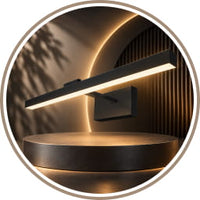


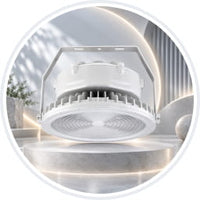

Showing 101–120 of 25001 results

Westgate 50W/65W/80W LED Commercial Recessed Light CRLX10-50-80W-MP

Westgate LED Commercial Recessed Light CRLX-EGN-50-80W-MP

Westgate 14W/18W/24W 1,920LM Max 3000K/4000K/5000K LED Cylinder Light CREA-57-MCTP

Westgate LED Wall Light CREA-57

Westgate 14W/18W/24W 1,920LM Max 3000K/4000K/5000K LED Cylinder Light CREA-56-MCTP

Westgate LED Wall Light CREA-56

Westgate Architectural LED Wall Sconce CRE-10

Westgate Architectural LED Wall Sconce CRE-08

Westgate Architectural LED Wall Sconce CRE-07

Westgate Architectural LED Wall Sconce CRE-06

Westgate Architectural LED Wall Sconce CRE-05

Westgate Architectural LED Wall Sconce CRE-03

Westgate Architectural LED Wall Sconce CRE-02

Westgate Architectural LED Wall Sconce CRE-01
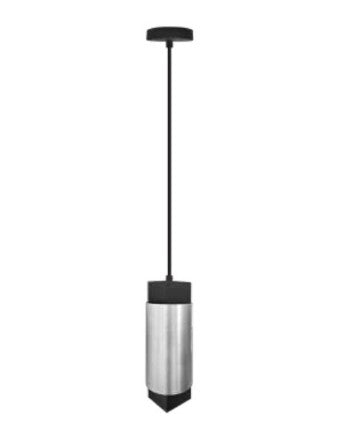
Westgate 12W/16W/20W 30K/40K/50K LED Canopy Light CMC5-MILAN1-MCTP-DD

Westgate Cylinder Light Accessory CMC2-DS

Westgate Cylinder Light Accessory CMC2-DCR

Westgate Bollard Light Accessory BOL-G8-SHAFT-34

Westgate Bollard Light Accessory BOL-G8-SHAFT-26

Westgate Bollard Light Accessory BOL-G8-SHAFT-20
About Commercial Lighting
How to Choose Commercial LED Lighting Fixtures for Ceilings, Tasks, and Site Conditions
Commercial LED lighting fixtures work best when the fixture family matches the structure and the work below it. A 2x4 suspended grid, a 30-foot warehouse bay, and a wet maintenance area require different mounting, light distribution, and environmental approvals. This buying guide focuses on the decisions that cause incorrect orders: ceiling fit, photometric coverage, control compatibility, and replacement conditions. Use it to narrow product types before reviewing a fixture's wattage or finish.
Quick Picker: Find the Right Commercial Fixture for the Job
- 2x4 office ceiling grid: match LED troffer lights to the module and plenum.
- 28-foot warehouse with open trusses: evaluate LED high bay fixtures using a photometric layout.
- 12-foot exposed stockroom: consider LED strip lights and their mounting hardware.
- 40-foot washdown aisle: review LED vapor-tight fixtures against the cleaning method.
- 2x2 grid with shallow plenum: check LED panel lights for installation clearance.
- Classified solvent-mixing room: check hazardous-location lighting against the area classification.
Troffer Retrofit vs. Flat Panel: Verify the Grid and Plenum
Two fixtures can both be labeled 2x4 yet sit very differently above a suspended ceiling. In a 2x4 office grid with only 4 inches of space above the tee, fixture depth and driver access may rule out a bulky replacement even when the footprint fits. A troffer can be a complete replacement or an approved retrofit configuration; a low-profile panel has different optics and support details.
If the plenum cannot accommodate the selected luminaire, choose a listed shallow configuration rather than cutting structure or improvising support. Verify the ceiling module, weight, wiring access, and independent support required by the installation instructions. Photograph one existing opening before quoting the entire floor.
UFO vs. Linear High Bay: Plan Aisle Coverage Before Wattage
A 30-foot distribution aisle with tall racks needs more than a high lumen value at each hanging point. Round UFO high bays can suit open floor plans with a compact suspension point; linear high bays may spread light more usefully along racks and rectangular work zones. The deciding evidence is the fixture's IES file, mounting height, and planned spacing.
If racks block the beam across an aisle, test a suitable linear distribution instead of compensating with more wattage on the same optics. Check where workers need vertical visibility on shelf labels as well as floor illumination. Confirm the attachment method and rated support before ordering.
Vapor-Tight vs. Hazardous-Location Fixtures: Read the Site Conditions
At a 40-foot food-processing washdown aisle, splash and cleaning procedures matter more than the word "industrial" in a product title. A standard strip fixture may be appropriate in clean, dry service areas, while a sealed vapor-tight design needs ingress and location ratings matched to water and dust exposure. Neither a gasket nor an IP rating proves that a luminaire is approved for flammable gases or combustible dust.
If the site is classified, use the engineer's Class/Division or Zone documentation to specify a fixture certified for that exact hazard rather than substituting a sealed general-purpose unit. Review mounting orientation and cable entries; an unsuitable penetration can defeat the enclosure's protection.
Architectural Linear vs. Track Lighting: Plan the Complete System
A 36-foot reception corridor may call for a continuous line of light, while a retail display with changing shelves needs adjustable aiming. The linear architectural lighting range includes finished luminaires as well as flexible tape, which isn't a line-voltage suspended fixture. By contrast, track lighting and heads require compatible track systems, feeds, and adapters.
If the display layout changes often, prioritize a compatible track configuration rather than a fixed beam pattern. For a permanent linear run, verify driver type, joining components, suspension locations, and controls. Mark each segment and power feed on the reflected-ceiling plan before purchasing.
Commercial LED Fixture Specs: Lumens, CCT, Voltage, Dimming, and DLC
A 24-fixture office supplied at 277V still needs drivers and controls that match the circuits. Two fixtures with identical watts may deliver very different coverage. Check the buying-critical specifications:
- Delivered lumens and IES data: output and uniformity at the working plane.
- CCT and CRI: appearance and color rendering across the space.
- Selectable settings: available on certain models, not a universal feature.
- Input voltage and dimming: verify driver range and control protocol.
- DLC qualification: check the precise SKU against any rebate requirements.
If a zone requires 0-10V dimming, coordinate commercial lighting controls with compatible drivers; a selectable wattage switch isn't the same as continuous dimming. Record the actual specified settings on the fixture schedule.
Fluorescent and HID Retrofits: Record the Existing Wiring and Supports
A renovation with 48 fluorescent troffers and older HID warehouse heads cannot use one watt-for-watt replacement rule. A listed LED lamp or retrofit kit may retain an existing housing when its instructions permit it; complete fixture replacement changes mounting, wiring, and possibly controls. Before approving a 2x4 ceiling conversion, measure plenum clearance and note the supply voltage, circuit switching, and any required emergency operation.
If the old ballast, housing, or support is incompatible with the proposed retrofit, specify a correctly listed replacement instead of improvising parts from different systems. A qualified electrician should verify the circuit, grounding, and rated fixture support. Capture one representative installation from each existing fixture type.
Ordering Commercial Lighting for Multiple Areas
For a 60-fixture relight, group the schedule by fixture family, mounting detail, input voltage, controls, location rating, and quantity. Lumera offers trade accounts for business buyers with volume and project quotes. Approved businesses may separately apply for Net payment terms. Keep differing drivers and emergency configurations on separate schedule lines.
Request a Commercial Lighting Project Quote
For a mixed fixture package, request a commercial lighting quote with a coordinated material schedule. Have these details ready:
- Room or zone, ceiling height, and mounting type
- Required distribution, light output, and fixture quantities
- Supply voltage, color temperature, and dimming method
- Wet-location, hazardous-area, or emergency requirements
List exact SKUs when the design specifies different control or backup configurations.
Commercial Lighting FAQs
Are LED troffers and flat panels interchangeable in a 2x4 ceiling?
No. They may share a nominal 2x4 grid footprint, but fixture depth, optical distribution, support, and driver access can differ. A shallow panel might fit where a deeper housing will not; a troffer retrofit may instead retain an approved existing fixture. Verify ceiling clearance, mounting instructions, and desired light distribution before choosing the replacement.
UFO vs. linear LED high bay: which is better for warehouse aisles?
Linear high bays often suit long, racked aisles because their distribution can follow a rectangular work zone, while UFO high bays can suit more open floor areas. Neither shape guarantees the correct light levels. Compare IES photometric layouts at the actual mounting height and spacing, including visibility on vertical rack faces and glare at workstations.
Can vapor-tight lighting be used in a hazardous location?
Not unless the exact fixture is certified for the site's hazardous-area classification. Vapor-tight describes protection against moisture and dust ingress; it does not by itself establish ignition protection for flammable gases, vapors, or combustible dust. Use the facility's Class/Division or Zone documentation to choose approved equipment. A wet-location or IP rating alone is insufficient.
Is selectable wattage the same as 0-10V dimming?
No. Selectable wattage usually sets an operating level at installation, while 0-10V dimming varies output through a compatible driver and control signal. A fixture can offer one feature without the other. Confirm the exact driver specification before pairing it with ELV and 0-10V dimmers, and check the required control wiring.
Should I replace fluorescent tubes or the entire troffer fixture?
A listed tube retrofit may be appropriate when the existing housing and wiring method meet the lamp's installation instructions; an entire fixture replacement may be better when the housing is damaged or incompatible. Review ballast compatibility and any required rewiring before choosing LED replacement tubes. A qualified electrician should verify the proposed conversion.
Do commercial lighting fixtures automatically provide emergency lighting?
No. Normal lighting and required emergency illumination serve different functions, even if a fixture offers an optional battery pack. The approved egress design determines where emergency output, backup duration, and testing are required. Select the appropriate listed exit and emergency lighting equipment, and verify any combination fixture against the applicable plans and code.