


Anchors
Electrical anchors secure boxes, straps, brackets, fixtures, and other equipment to concrete, masonry, drywall, and compatible wall materials. Choose concrete screw or sleeve anchors for approved masonry applications and plastic or wall-drilling anchors for lighter compatible mounting conditions. Start with the base material and required load, then confirm anchor diameter, length, screw compatibility, embedment, and installation method. For concrete work, also verify drill size, spacing, edge distance, and substrate conditions before standardizing an anchor across the project.
Showing 141–160 of 231 results
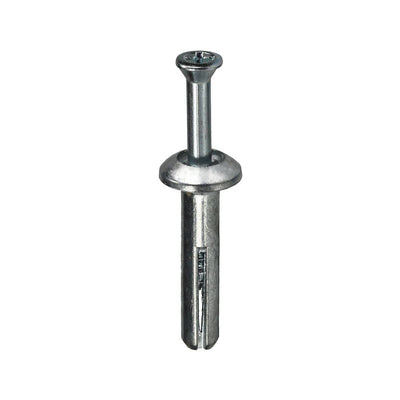
Dottie 1/4 in x 1-1/2 in Zamac Alloy Anchor w/ Removable Screw ZAS150 (100-Pack)
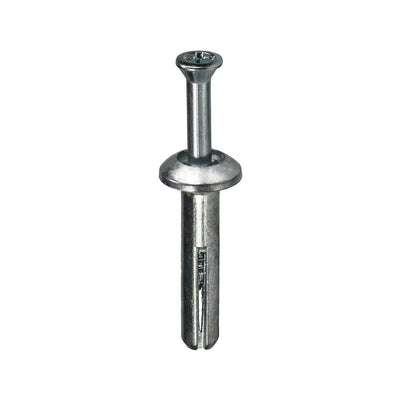
Dottie 1/4 in x 1-1/4 in Zamac Alloy Anchor w/ Removable Screw ZAS125 (100-Pack)
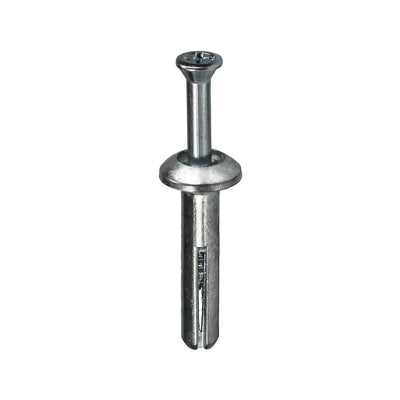
Dottie 1/4 in x 1 in Zamac Alloy Anchor w/ Removable Screw ZAS100 (100-Pack)
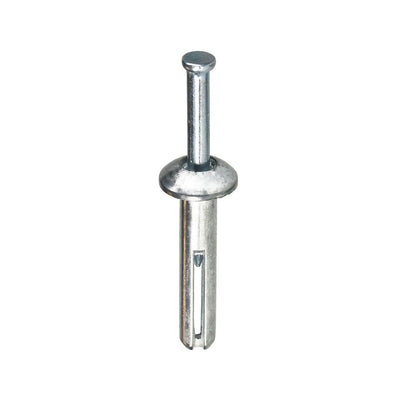
Dottie 3/16 in x 7/8 in Zamac Alloy Anchor w/ Carbon Steel Pin ZA78 (100-Pack)
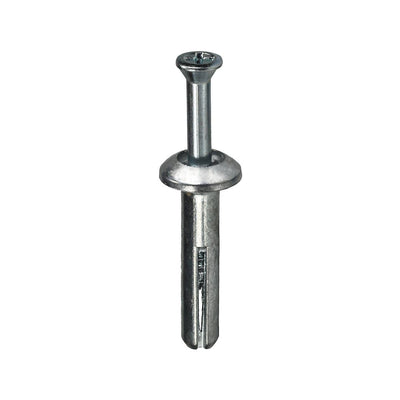
Dottie 1/4 in x 3/4 in Zamac Alloy Anchor w/ Carbon Steel Pin ZA75 (100-Pack)
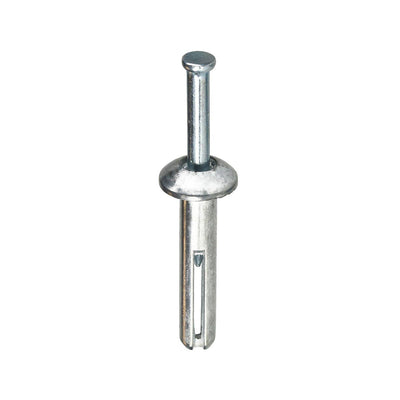
Dottie 1/4 in x 2 in Zamac Alloy Anchor w/ Carbon Steel Pin ZA200 (100-Pack)
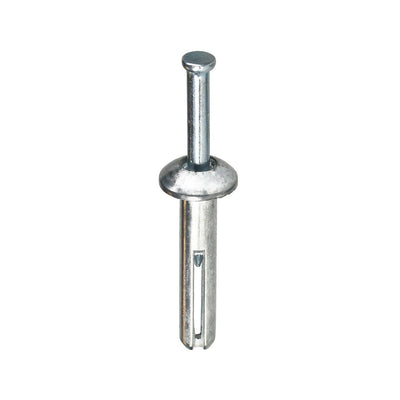
Dottie 1/4 in x 1-1/2 in Zamac Alloy Anchor w/ Carbon Steel Pin ZA150 (100-Pack)
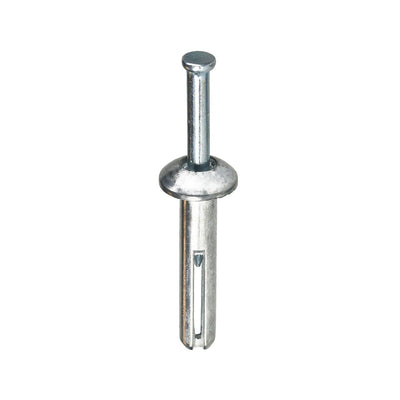
Dottie 1/4 in x 1-1/4 in Zamac Alloy Anchor w/ Carbon Steel Pin ZA125 (100-Pack)
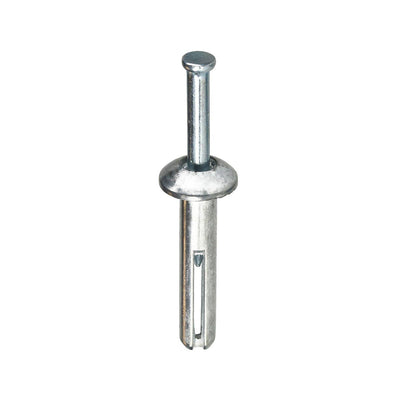
Dottie 1/4 in x 1 in Zamac Alloy Anchor w/ Carbon Steel Pin ZA100 (100-Pack)
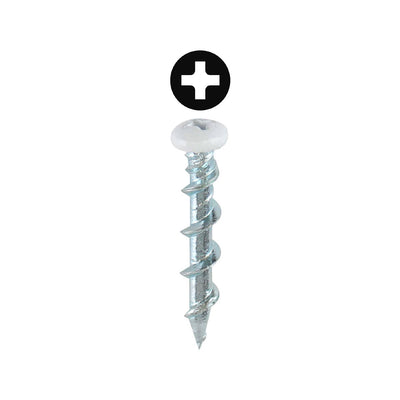
Dottie 3/16 in x 1-1/4 in White Phillips Pan Head Wall Twister Kit WTKWT
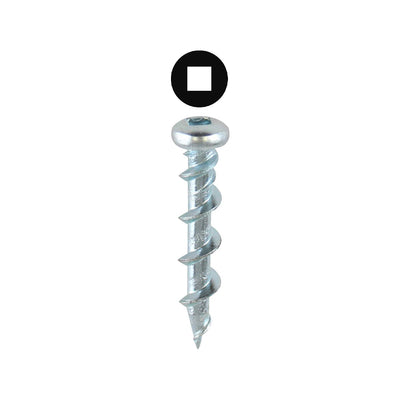
Dottie 3/16 in x 1-1/4 in Square Drive Pan Head Wall Twister Kit WTKSQ
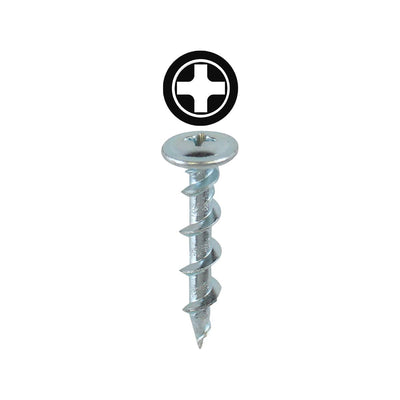
Dottie 3/16 in x 1-1/4 in Phillips Wafer Head Wall Twister Kit WTKPW
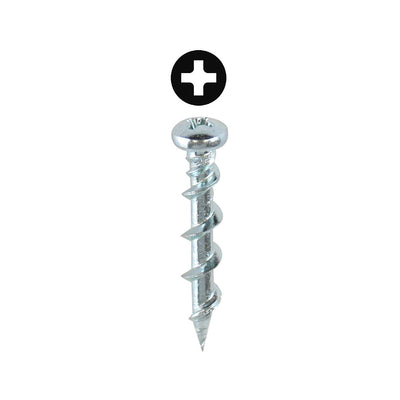
Dottie 3/16 in x 1-1/4 in Phillips Pan Head Wall Twister Kit WTKPH
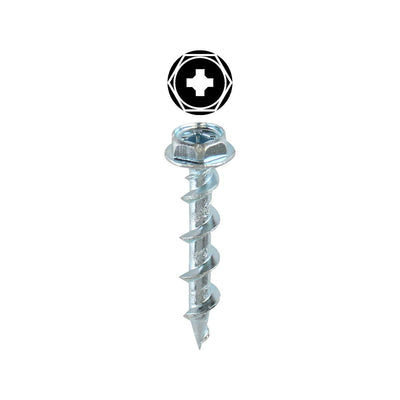
Dottie 3/16 in x 1-1/4 in Hex Head Phillips/Square Wall Twister Kit WTKHX
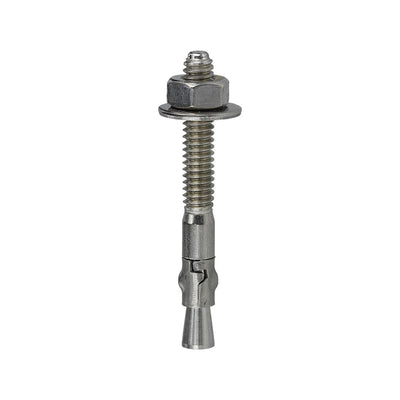
Dottie 3/8 in x 5 in Stainless Steel Wedge Anchor WS38500 (50-Pack)
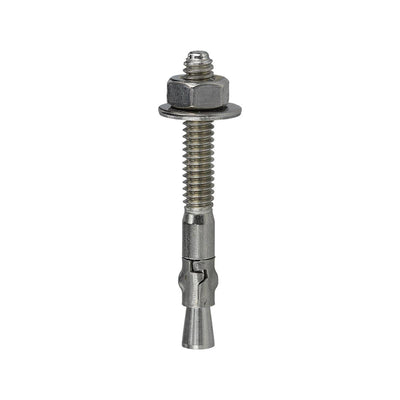
Dottie 3/8 in x 3-3/4 in Stainless Steel Wedge Anchor WS38334 (50-Pack)
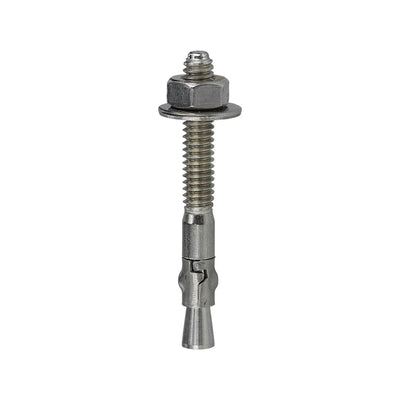
Dottie 3/8 in x 3 in Stainless Steel Wedge Anchor WS38300 (50-Pack)
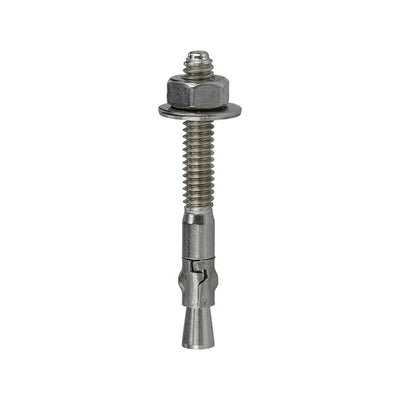
Dottie 3/8 in x 2-3/4 in Stainless Steel Wedge Anchor WS38234 (50-Pack)
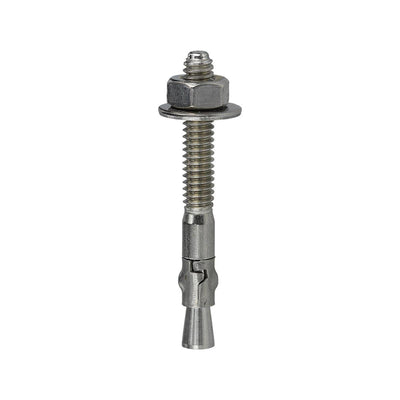
Dottie 3/8 in x 2-1/4 in Stainless Steel Wedge Anchor WS38214 (50-Pack)
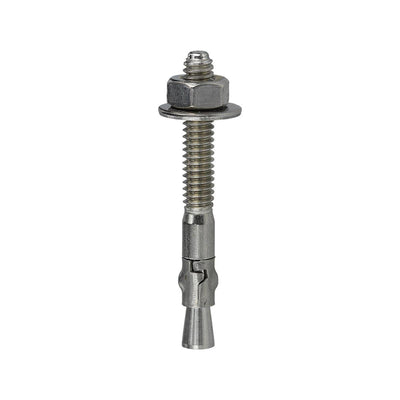
Dottie 1/4 in x 3-1/4 in Stainless Steel Wedge Anchor WS14314 (100-Pack)
About Anchors
How to Choose Electrical Anchors
The mounting surface should determine the anchor before size or head style does. Concrete, brick, block, drywall, and other wall materials do not provide the same holding conditions. Start by identifying the base material and the load being supported, then compare anchor type, diameter, length, screw or bolt compatibility, embedment, and installation method. For concrete and masonry work, drilling accuracy, spacing, edge distance, and the condition of the substrate can materially affect performance.
- Mounting compatible equipment to concrete or masonry: compare concrete screw or sleeve anchors approved for the base material.
- Light-duty mounting in suitable wall materials: use a plastic or wall-drilling anchor designed for the substrate and screw size.
- Need the mating fastener separately: coordinate the anchor with screws and bolts.
- Mounting conduit, raceway, or cable supports: select the structural hardware from straps and supports before choosing its anchor.
Start With the Base Material
An anchor develops its holding capacity through the material around it, so the same product can perform differently in solid concrete, hollow block, brick, drywall, or another substrate. Even within masonry, solid and hollow construction create different anchoring conditions.
If the wall construction is unknown, identify it before standardizing one anchor across an entire run of boxes or supports. A product selected for solid concrete should not automatically be transferred to hollow block simply because the drill bit and fastener diameter are convenient.
Decision rule: confirm the substrate first, then use the anchor manufacturer's approved base materials to narrow the options.
Concrete Screw Anchors vs. Sleeve Anchors
Concrete screw anchors install into a correctly drilled hole and develop engagement directly with compatible masonry or concrete. Lumera currently carries concrete screw anchors in different lengths and head styles, including hex-washer and flat-head versions.
Sleeve anchors use an expanding sleeve around the anchor body and are another mechanical anchoring option for manufacturer-approved base materials. Their diameter, length, fixture thickness, and required embedment all need to work together.
Decision rule: choose between screw and sleeve anchor systems from the substrate, load, fixture geometry, installation instructions, and required removability rather than assuming one mechanical-anchor type is universally stronger.
Plastic and Wall-Drilling Anchors Are for Different Mounting Conditions
Lumera's current assortment also includes ribbed plastic anchors, triple-grip kits, and zinc-alloy wall-driller kits. These products are useful where the exact anchor is rated for the wall construction and supported load, but they should not be treated as substitutes for structural concrete anchoring.
Plastic anchors are commonly matched to a defined screw-gauge range. Wall-drilling designs may use a different installation method and material, so two anchors intended for wall mounting can still require different hole preparation and fasteners.
Decision rule: match the wall anchor to the substrate, screw size, and published load information. Don't choose by anchor color or appearance alone.
Shear and Tension Loads Are Not the Same
The direction of the load matters. Shear acts across the anchor, while tension or pullout acts away from the mounting surface. A wall-mounted conduit strap and an overhead suspended component therefore place different demands on their anchors.
Published anchor capacities can differ between shear and tension, and combined loading can require a separate evaluation. The base material, embedment, spacing, and distance from an edge also influence those capacities.
Decision rule: identify how the installed component loads the anchor before comparing ratings. For engineered, overhead, seismic, life-safety, or otherwise critical attachments, use the project design and manufacturer data rather than a general jobsite rule.
Embedment Is Different From Overall Anchor Length
Anchor length includes the portion passing through the mounted component as well as the portion entering the base material. Embedment describes how deeply the anchor actually engages the concrete or masonry.
A longer anchor installed through a thick bracket can therefore have less embedment than expected if fixture thickness is ignored. The same issue appears when washers, spacers, standoffs, or other layers are added between the anchor head and the base material.
Decision rule: calculate anchor length from fixture thickness plus the manufacturer's required embedment and any installation allowance. Don't choose length from the thickness of the mounted part alone.
Drill Diameter and Hole Preparation Matter
Mechanical anchors are designed around a specified hole. An oversized hole can reduce engagement, while an undersized hole can prevent proper seating or damage the anchor or base material. Drilling at an angle can also change how the anchor bears against the fixture.
Concrete and masonry drilling produces dust and debris that can prevent an anchor from seating to the intended depth. Hole-cleaning requirements differ by anchor system, so follow the product instructions rather than applying one procedure to every anchor.
Decision rule: use the specified drill-bit diameter, hole depth, and cleaning method for the exact anchor. If new drilling accessories are required, match them through Lumera's tools and accessories selection.
Spacing and Edge Distance Can Limit Anchor Capacity
Anchors installed close to one another or near the edge of concrete can interact with the surrounding base material. Manufacturer design data therefore includes minimum spacing, edge distance, and often minimum member thickness.
This matters when mounting narrow brackets, equipment with fixed hole patterns, or several supports along the edge of a slab or wall. A fastening layout can satisfy the equipment's hole pattern yet still violate the anchor's installation requirements.
Decision rule: lay out anchor positions before drilling. Check minimum spacing and edge distance for the exact anchor, diameter, embedment, and base material rather than assuming one dimension applies to every mechanical anchor.
Match the Anchor to the Screw or Bolt
Plastic and other anchor systems can require a defined screw diameter or gauge, while mechanical anchors may include or function as the fastening element themselves. The mounted component also has to accept the resulting fastener diameter and head style.
A screw that is too small may fail to expand a plastic anchor correctly. An oversized screw can split or damage it. Likewise, the head has to bear properly against the bracket, strap, box, or equipment being mounted.
Decision rule: treat the anchor, fastener, and mounted component as one connection. Verify all three interfaces before ordering project quantities.
Anchor Head Style Should Match the Mounted Component
Concrete screw anchors can use different head styles. A hex washer head provides a broad bearing surface and can work well with compatible straps, brackets, and slotted mounting holes. A flat head is intended for applications where the fastener needs to sit flush in an appropriate countersunk surface.
Head style doesn't change the need to verify the anchor's substrate and load requirements. It primarily changes how the anchor interfaces with the mounted component and installation tool.
Decision rule: select the anchor system first, then choose the head style that properly seats against the fixture or support.
Outdoor and Corrosive Locations Need Product-Level Verification
Anchor diameter and load capacity aren't the only requirements outdoors. Moisture, chemicals, coastal exposure, and contact with dissimilar metals can affect material and coating selection.
An anchor suitable for interior concrete should not automatically be used in an exposed exterior location simply because its mechanical dimensions are correct. The anchor, mating hardware, and mounted component should all be suitable for the environment.
Decision rule: verify the exact anchor's material, coating, and environmental limitations whenever the installation is damp, wet, outdoor, or corrosive.
What to Confirm Before Ordering Anchors
- Base material: concrete, block, brick, drywall, or another manufacturer-approved substrate.
- Anchor type: concrete screw, sleeve anchor, plastic anchor, wall-drilling anchor, or another specified system.
- Load direction: shear, tension, or a combination of forces.
- Anchor diameter: match the load, fixture hole, and product requirements.
- Length and embedment: account for fixture thickness and required engagement in the base material.
- Screw or bolt: verify diameter, gauge, thread, length, and head compatibility where a separate fastener is required.
- Drill bit: use the exact diameter and drilling method specified for the anchor.
- Spacing: check minimum distances between adjacent anchors.
- Edge distance: verify how close the anchor may be installed to an edge.
- Environment: confirm material and coating for indoor, outdoor, damp, wet, or corrosive conditions.
- Application: identify whether the anchor supports a box, strap, bracket, fixture, enclosure, or other component.
Anchor capacity is product- and installation-specific. For structural, overhead, seismic, life-safety, or other critical attachments, use the project requirements and manufacturer design data for the exact anchor rather than relying on a generic load value or anchor type.
Electrical Anchor FAQs
What type of anchor should I use in concrete?
Use an anchor specifically approved for concrete and appropriate for the load and installation. Concrete screw and sleeve anchors are common mechanical options, but the correct choice depends on anchor diameter, embedment, fixture thickness, edge distance, spacing, and the exact concrete conditions.
Can plastic anchors be used in masonry?
Some plastic anchors are designed for compatible masonry and wall materials, but their suitability is product-specific and generally intended for lighter mounting conditions. Check the manufacturer's approved substrate, screw range, and load data rather than assuming every plastic anchor can be used in concrete, brick, or block.
How do I choose the correct anchor length?
Start with the manufacturer's required embedment, then add the thickness of the bracket, strap, box, spacer, or other component being fastened. Overall anchor length and embedment are not the same measurement, so account for everything between the anchor head and the base material.
What size drill bit should I use for an anchor?
Use the drill-bit diameter specified by the anchor manufacturer. Don't choose a bit by estimating from the anchor's outside diameter. The required hole size, depth, and cleaning method are part of the installation specification.
How close can an anchor be installed to the edge of concrete?
Minimum edge distance is specific to the anchor system, diameter, embedment, base material, and loading condition. Use the manufacturer's design data for the exact product. Moving an anchor closer to an edge can reduce available capacity and should not be done by rule of thumb.
Can I reuse a concrete anchor?
Reuse depends on the exact anchor system and manufacturer instructions. Removal does not automatically mean an anchor or its original hole is approved for reuse. For permanent work, follow the product documentation and use a new anchor or new hole whenever required by the manufacturer.