


LED Troffer Lights
LED troffer lights provide recessed illumination for suspended-grid ceilings in offices, schools, healthcare, retail, and other commercial interiors. Lumera’s current selection includes 1x4, 2x2, and 2x4 fixtures, with flat, center-basket, volumetric, and retrofit configurations represented. Choose first by ceiling-grid size, optical distribution, and control requirements rather than wattage alone. For larger relighting projects, record the existing fixture layout and ceiling conditions before standardizing models or quantities.
Showing 61–80 of 109 results

Westgate 50W/60W/72W 7,920LM Max 3000K/3500K/4000K/5000K LED Troffer LTRI-2X4-MCTP

Westgate 30W/40W/50W 30K/35K/40K/50K LED Troffer White LTRR-2X4-MCTP4

Westgate 20W/25W/30W/40W 5,000LM Max 3500K/4000K/5000K LED Troffer LTRA-1X4-MCTP

Westgate 30W/40W/50W 35K/40K/50K LED Troffer White LTRG-2X4-MCTP

Westgate 30W/40W/50W 3,450LM/4600LM/5750LM 3000K/3500K/4000K/5000K LED Troffer LTRL-2X2-MCTP4
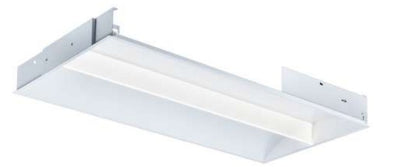
Westgate 50W/60W/72W 5,750LM/6900LM/8280LM Max 3500K/ 4000K/ 5000K LED Troffer LTRL-2X4-MCTP4
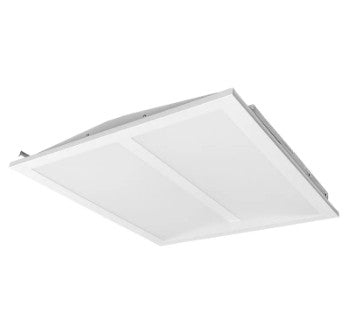
Westgate 25W/30W/36W 35K/40K/50K LED Troffer White LTRM-2X2-MCTP

Westgate 20W/30W/40W 2,200LM/3300LM/4400LM 35K/40K/50K LED Troffer LTRB-2X2-MCTP
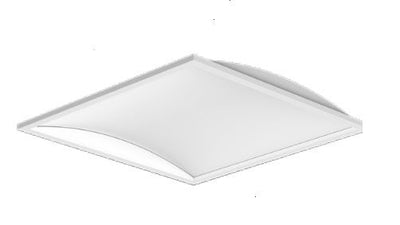
Westgate 25W/30W/40W 35K/40K/50K LED Troffer White LTRC-2X2-MCTP

Westgate 30W/40W/50W 3,300LM/4400LM/5500LM 3500K/4000K/5000K LED Troffer LTRB-2X4-MCTP

Westgate 30W/40W/50W 35K/40K/50K LED Troffer White LTRC-2X4-MCTP

Lighting Spot 26 2 ft. x 4 ft. 3CCT selectable LED Troffer LS-GLTR-2X4WT-3CCT

Westgate 24W/36W 30K/35K/40K/50K LED Troffer White LTRW-2X2-MCTP4

Lighting Spot 26 2 ft. x 2 ft. 3CCT selectable LED Troffer LS-GLTR-2X2WT-3CCT

Lighting Spot 26 1 ft. x 4 ft. LED Troffer LS2-1X4FK-FLANGEKIT

Westgate 42W/50W 30K/35K/40K/50K LED Troffer White LTRW-2X4-MCTP4

Westgate 40W 4,417LM 5000K LED Troffer LTR-2X2-40W-50K-D-PERF

Westgate 50W 5,590LM 3500K LED Troffer LTR-2X4-50W-35K-D

Westgate 50W 5,590LM 3500K LED Troffer LTR-2X4-50W-35K-D-PERF

Premium Lighting EDI-TFA22-65W-xxK G2 Troffer G2 2x2 65W 10000lm Lowbay & Highbay, Sensor Base
About LED Troffer Lights
How to Choose LED Troffer Lights for Commercial Grid Ceilings
LED troffer lights are selected around the ceiling grid first, then the visual task. Confirm the fixture footprint and available plenum space before comparing light output, optics, color temperature, or controls. A 2x4 office fixture and a 2x2 classroom troffer may serve similar spaces but require different ceiling modules and distributions. For retrofit work, also decide whether the existing fluorescent housing remains or the complete fixture will be replaced before building the material schedule.
- A shallow 2x2 grid with limited plenum space may point to LED panel lights.
- An open back-of-house ceiling is better served by LED strip lights.
- A tall warehouse or shop needs high bay lighting instead of grid troffers.
- A 0-10V lighting zone requires compatible 0-10V dimming controls.
- An automatically controlled office can pair fixtures with occupancy and motion sensors.
Match 1x4, 2x2, or 2x4 Troffers to the Actual Ceiling Grid
Nominal size is the first practical decision. Lumera’s current assortment includes 1x4, 2x2, and 2x4 LED troffers, but the ceiling module and grid profile still need to match the fixture. A 2x4 fixture should not be ordered simply because the existing fluorescent light looks approximately four feet long; measure the opening and confirm the ceiling system.
Decision rule: if the fixture footprint or housing clearance does not match the grid and plenum, solve that constraint before comparing lumens. For a building with several ceiling types, separate the fixture schedule by room or ceiling zone and coordinate the finished package through Lumera’s broader commercial lighting range.
LED Troffer vs. Flat Panel: Choose the Optic From the Space
Troffers can use center-basket, volumetric, or other recessed optical designs that shape light differently from a uniformly luminous flat panel. In a 20-seat office or classroom with monitors, fixture-face brightness and glare can matter as much as total light output. A shallower panel may solve a tight-plenum problem, while a center-basket or volumetric troffer can provide a different visual character below the ceiling.
If shallow depth is the overriding constraint, move toward an LED flat panel. If the project needs a more traditional recessed form with controlled optics, stay with the troffer format. Choose the visual distribution first; don't treat two fixtures with similar wattage as interchangeable.
Compare Lumens, CCT, and Selectable Settings After the Fixture Fits
Wattage is an electrical input, not a direct measure of how much useful light reaches the room. Compare delivered lumens and the intended distribution, then choose color temperature for the space. Lumera’s current troffer assortment includes many models with selectable wattage and selectable CCT, allowing one fixture to cover several project settings when the exact product supports those adjustments.
A selectable 30/40/50W 2x4 troffer can be useful when adjacent rooms need different output levels without stocking three separate fixture models. Decision rule: establish the target light level first, then use selectable settings only within the manufacturer’s published configuration. Record the final settings so future replacements match the installed room.
Retrofit Kit vs. Complete Troffer Replacement
A retrofit kit keeps the existing fluorescent housing and replaces the internal lighting components, while a complete LED troffer replaces the full fixture. On a 40-fixture office floor with sound housings and difficult ceiling access, retrofit work may reduce disturbance. If housings are damaged, inconsistent, or unsuitable for the desired optics, full replacement gives the project a clean fixture platform.
Use retrofit only when the existing housing is compatible and worth keeping. If the project is really a lamp-only conversion rather than a troffer retrofit, Lumera’s LED tube lamps cover a different fluorescent-upgrade path. Don't mix those three strategies on one schedule without defining which existing components remain.
Plan 0-10V Dimming and Occupancy Controls Before Installation
Many commercial LED troffers use 0-10V dimming rather than a conventional phase-control wall dimmer. That affects the control wiring before the ceiling is closed. In a room with 10 troffers on one control zone, specifying dimmable fixtures without planning the control conductors and sensor strategy can leave a system that cannot operate as intended.
Decision rule: if dimming or automatic control is required, select the fixture and control architecture together. Use compatible ELV and 0-10V controls for the specified dimming method, and add occupancy sensing where automatic shutoff or occupancy response belongs in the design. A qualified electrician should verify line voltage, control wiring, fixture support, and local installation requirements.
Ordering LED Troffers for a Commercial Lighting Project
For office floors, schools, healthcare spaces, retail interiors, or building-wide relighting, organize the fixture schedule by ceiling-grid size, fixture style, lumen requirement, CCT, voltage, dimming method, retrofit or replacement approach, and quantity. Keep each fixture tied to its room or ceiling type so similar-looking 2x2 and 2x4 models do not get mixed during installation. Project buyers can also review Lumera Electric’s trade account options.
Request an LED Troffer Project Quote
For larger quantities or projects using several fixture configurations, request a commercial lighting quote after the ceiling and control schedule has been established.
Have these details ready:
- 1x4, 2x2, or 2x4 ceiling-grid size
- Fixture quantity by room or zone
- Troffer, panel, or retrofit approach
- Required lumen range
- Fixed or selectable color temperature
- Input voltage
- 0-10V or other control requirement
- Occupancy or automatic-control needs
- Plenum and installation constraints
For multi-floor projects, you can also submit your troffer fixture schedule so sizes, outputs, controls, and quantities remain coordinated.
LED Troffer Light FAQs
What size LED troffer do I need?
Match the troffer to the actual suspended-ceiling grid module, commonly 1x4, 2x2, or 2x4 in Lumera’s current assortment. Measure the opening and verify the grid profile rather than ordering from the old fixture’s appearance alone. If plenum depth is unusually limited, compare a shallow LED panel before finalizing the replacement.
What is the difference between an LED troffer and a flat panel?
An LED troffer uses a recessed housing and optical design such as center-basket or volumetric distribution, while a flat panel presents a thin, uniformly luminous face. Panels are useful for shallow plenums; troffers offer different glare and distribution characteristics. The better choice depends on ceiling depth and visual task, not simply which fixture produces more lumens.
Can I retrofit an existing fluorescent troffer instead of replacing it?
Yes, when the existing housing is sound and a compatible retrofit kit is available. Retrofit kits retain the housing and replace the internal light source and related components, while full replacement removes the old fixture entirely. If the project only replaces fluorescent lamps, compare LED retrofit tubes as a separate upgrade strategy.
Do LED troffers work with standard wall dimmers?
Many commercial troffers use 0-10V dimming and should not be assumed compatible with a standard phase-control wall dimmer. Check the exact fixture specification before choosing controls because 0-10V systems use a separate control signal. Lumera’s 0-10V dimmer selection covers controls for compatible commercial fixtures.
When should I use a high bay instead of a troffer?
Use a troffer for finished suspended-grid ceilings; use a high bay when the space has a substantially taller open ceiling and needs lighting designed for that mounting condition. A warehouse attached to an office may therefore use troffers in the offices and LED high bays in the warehouse rather than forcing one fixture family across both spaces.