


Track Lighting & Track Heads
Track lighting gives you adjustable, directional illumination with heads that can be positioned along a powered rail as layouts, displays, or focal points change. Choose between complete kits and component-based systems with separate track sections, heads, feeds, and connectors. Start by matching the track standard and circuit configuration, then compare head type, beam control, light output, and dimming requirements. For an existing system, verify compatibility with the installed rail before ordering replacement heads or accessories.
Showing 1401–1410 of 1410 results

Nora Lighting NYLM-2C40XCHCHLE4A 2" iLENE Cable Mount Mini Cylinder, 1000lm, 15W, 4000K, Champagne Haze, 120V Triac/ELV/0-10V & 277V 0-10V Dimming

Nora Lighting NYLM-2C35XCHCHLE4A 2" iLENE Cable Mount Mini Cylinder, 1000lm, 15W, 3500K, Champagne Haze, 120V Triac/ELV/0-10V & 277V 0-10V Dimming

Nora Lighting NYLM-2C30XCHCHLE4A 2" iLENE Cable Mount Mini Cylinder, 1000lm, 15W, 3000K, Champagne Haze, 120V Triac/ELV/0-10V & 277V 0-10V Dimming
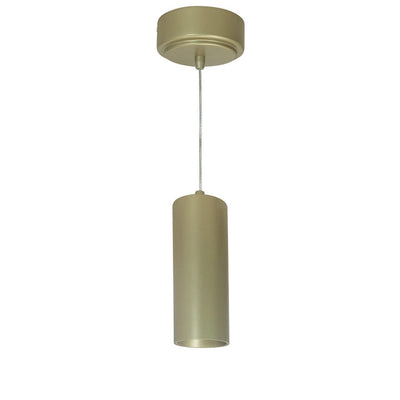
Nora Lighting NYLM-2C27XCHCHLE4A 2" iLENE Cable Mount Mini Cylinder, 1000lm, 15W, 2700K, Champagne Haze, 120V Triac/ELV/0-10V & 277V 0-10V Dimming

Nora Lighting NYLM-2SCCDXCHCHLE3A 2" iLENE Surface Mount Mini Cylinder, 725lm, 15W, Comfort Dim, Champagne Haze, 120V Triac/ELV Dimming

Nora Lighting NYLM-2CCDXCHCHLE3A 2" iLENE Cable Mount Mini Cylinder, 725lm, 15W, Comfort Dim, Champagne Haze, 120V Triac/ELV Dimming

Nora Lighting NYLM-2SCCDXCHCHLE4A 2" iLENE Surface Mount Mini Cylinder, 725lm, 15W, Comfort Dim, Champagne Haze, 120V Triac/ELV/0-10V & 277V 0-10V Dimming

Nora Lighting NYLM-2CCDXCHCHLE4A 2" iLENE Cable Mount Mini Cylinder, 725lm, 15W, Comfort Dim, Champagne Haze, 120V Triac/ELV/0-10V & 277V 0-10V Dimming

Nora Lighting NYLM-2STCDXBBLE3A/84 2" iLENE 84" Stem Mount Mini Cylinder, 725lm, 15W, 3000K, Black, 120V Triac/ELV Dimming

Nora Lighting NYLM-3STCDXBBLE4/24 3" iLENE 26" Stem Mount Mini Cylinder, 1300lm, 30W, Comfort Dim, Black, 120V Triac/ELV/0-10V & 277V 0-10V Dimming
About Track Lighting & Track Heads
How to Choose Track Lighting & Track Heads
Track lighting works well when the position and direction of individual light sources may need to change. Retail displays, gallery walls, and flexible work areas benefit from adjustable heads, while the rail layout and electrical feed stay in place. Before buying, identify the track system, choose between a complete kit and separate components, and confirm the required beam spread and controls. For projects involving several fixture types, compare the broader commercial lighting selection alongside the track layout.
H, J, and L Track: Check Compatibility First
H, J, and L are different track connection systems commonly associated with Halo, Juno, and Lightolier. Their electrical contact arrangements differ, so a head labeled for one system should not be assumed to fit another. Even products using the same letter designation require a check of the manufacturer's compatibility information, especially when combining different brands or older components.
For an existing installation, identify the rail type before ordering replacement heads. For a new installation, select the track and heads as a compatible system. Also distinguish modular track from a fixed multi-head ceiling fixture: similar-looking products do not necessarily accept interchangeable track sections or heads.
Complete Track Kits vs. Individual Rails and Connectors
A track lighting kit simplifies a small, defined layout when it includes the necessary rail, heads, and connection components. Building a system from individual parts gives more flexibility for a longer display wall or a run that turns a corner. Check the listing carefully: a track section, a track head, and a complete kit are different purchase items.
For a layout with two connected runs, list the required rail lengths, compatible joining pieces, end caps, power-feed components, and heads before ordering. The manufacturer's instructions determine which connectors and mounting arrangements may be used; matching finishes alone does not establish electrical compatibility.
Integrated LED Track Heads or Replaceable PAR Lamps?
Integrated LED track heads provide a complete light engine and optical assembly. Lamp-based heads allow the light source to be replaced separately, but only with a lamp that meets the head's socket, size, voltage, and wattage requirements. That distinction matters in spaces where the lighting effect changes more often than the track hardware.
For a retail wall, start with the target area and the required beam angle. A narrow beam emphasizes a small product display, while a broader beam spreads light across a larger surface. If the selected head accepts a compatible reflector lamp, compare LED PAR lamps by physical fit, beam spread, color temperature, and dimming compatibility. Do not assume every track head takes a replaceable bulb.
Single-Circuit vs. Two-Circuit Track
A single-circuit track typically operates its connected heads as one controlled group. A compatible two-circuit system provides two separately controlled circuits within the track, which can be useful when merchandise accents and general lighting need different switching schedules. The track sections, heads, connectors, and feed components must all support the chosen circuit arrangement.
For example, a showroom may want display lighting on one circuit and a separate group of heads on another. A two-circuit rail can support that approach when the complete system is designed and wired accordingly. It does not automatically provide individual control of each head or guarantee that every dimming feature is available.
Choose LED Dimming Controls by Driver Type
Track lighting dimming depends on the lamp or integrated head's electrical design, not simply on the rail. Some products use phase-cut dimming, others specify 0–10V control, and some are non-dimmable. Check the exact product specification and the installation requirements before selecting a wall control.
When dimming is required, review compatible LED dimmer switches after confirming the head or lamp's supported method. A forward-phase, reverse-phase, or 0–10V control should not be substituted for another type without manufacturer approval. This check helps avoid unexpected flicker, limited dimming range, and control failures.
When Is Another Ceiling Fixture the Better Choice?
Track lighting is a practical choice for adjustable, directional illumination. It may be less suitable when the design calls for a continuous illuminated line or an unobtrusive source of general light. For offices and corridors that need a consistent line of light instead of individually aimed heads, compare linear and architectural lighting and check the mounting and distribution options.
If a hallway or bedroom needs a fixed low-profile fixture rather than a visible track, ceiling lights offer another purchasing path. Choose based on the light distribution and ceiling conditions, not appearance alone. Track can still complement general lighting where adjustable accents are needed.
Plan the Track Run Before Ordering
Record the mounting surface, power-feed location, rail lengths, number of heads, and the total connected load. Check the manufacturer's limits for the track system and every electrical component. If a layout requires multiple circuits or dimming zones, identify those needs before selecting feeds and controls.
Hardwired connections and ceiling-mounted support must follow the manufacturer's instructions and applicable electrical requirements. A qualified electrician should confirm the circuit, wiring method, grounding, and mounting arrangement. For a multi-room project, keep one component schedule for the rail, compatible heads, connectors, feed points, and controls so parts are not mixed between track standards.
Track Lighting FAQs
Can H, J, and L track heads be used on the same rail?
No. These are different connection systems, and heads should be matched to the rail standard specified by the manufacturer. Some products from different manufacturers may be compatible within the same standard, but that must be confirmed for the exact items. Identify the installed rail before purchasing replacement heads or connectors.
What is the difference between a track lighting kit and a track head?
A kit is sold as a coordinated set of components, while a track head is an individual luminaire intended for a compatible system. The contents of kits vary, so check whether rails, feeds, connectors, lamps, and mounting hardware are included. A track head by itself is not a complete installation.
When should I choose a two-circuit track system?
Choose a compatible two-circuit system when the lighting plan requires two groups of heads on the same rail to be switched or controlled separately. Both the electrical feed and the track components must support that layout. If all heads can operate together, a properly specified single-circuit system may be sufficient.
Can LED track heads be dimmed?
Many can, but the permitted control method depends on the individual head or its replaceable lamp. Review the manufacturer's dimming specification and confirm compatibility with the proposed control. An LED label alone does not establish that a product is dimmable or that it will work with an existing dimmer.
How many track heads can I install on one run?
The answer depends on the track system's electrical rating, the individual head loads, and the supplying circuit. Add the connected loads and follow the manufacturer's limits for the rail, feeds, and connectors. The physical space available on the rail is not a substitute for an electrical load calculation.