


Tools
Electrical tools and accessories support drilling, hole cutting, fastening, knockout preparation, and equipment installation in electrical projects. Choose screwdrivers, nut drivers, and bits by fastener type and size; drill bits and hole saws by material, diameter, and tool interface; and punch components by the required conduit knockout size and compatible tool system. Before ordering, confirm the exact size, shank or drive type, material being worked, and compatibility between the tool, accessory, and application.
Showing 41–60 of 447 results

Dottie 1-1/2 in Power Fishing Piston PFP150

Dottie 1 in Power Fishing Piston PFP100

Dottie 3-1/2 in Power Fishing Piston PFP350

Dottie 6 in Power Fishing Piston PFP600

Dottie 3 in Power Fishing Piston PFP300

Dottie 3/4 in Power Fishing Piston PFP75
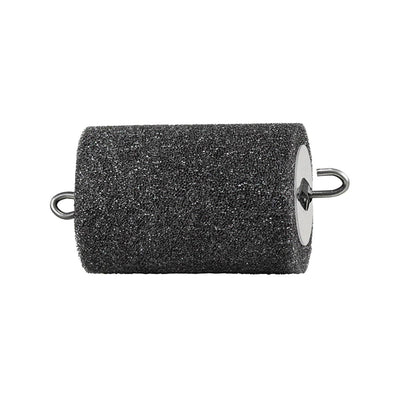
Dottie 2-1/2 in Power Fishing Piston PFP250

Dottie 1/2 in Power Fishing Piston PFP50

Dottie 5/8 in x 1300 ft 3-in-1 Pull Line Measuring Tape PMT1300

Dottie 12 in PVC/ABS Pipe Saw PVC12BH

Dottie 3/16 in Replacement Pulling Eye QSPE36

Dottie 3/16 in Replacement Pulling Hook QSPH36

Dottie 1/4-20 Metal Drilling Side Mount Rod Hanger SSM14S (100-Pack)
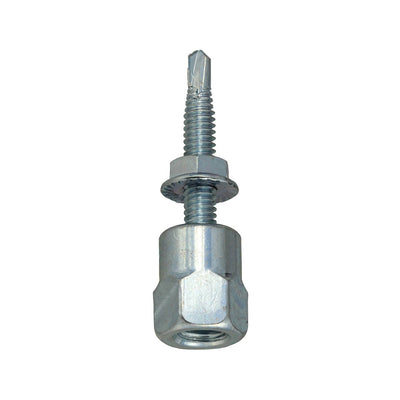
Dottie 1/2-13 Metal Drilling Bottom Mount Rod Hanger SSM12BR (100-Pack)
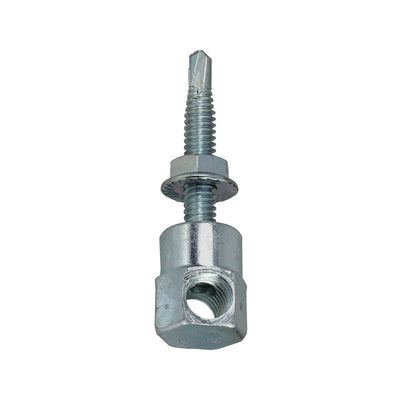
Dottie 3/8-16 Metal Drilling Side Mount Rod Hanger SSM38SR (100-Pack)

Dottie 8-32 Machine Screw Anchor Setting Tool ST2
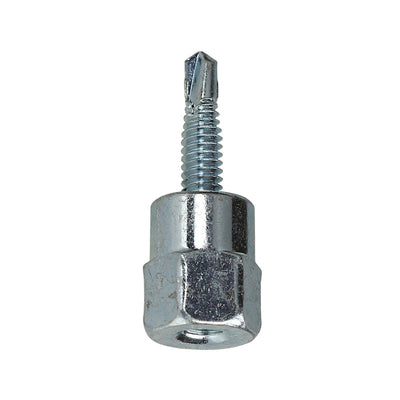
Dottie 1/4-20 Metal Drilling Bottom Mount Rod Hanger SSM14B (100-Pack)

Dottie 10-24 Machine Screw Anchor Setting Tool ST3

Dottie 5/16-18 Machine Screw Anchor Setting Tool ST6

Dottie 1/2-13 Machine Screw Anchor Setting Tool ST8
About Tools
How to Choose Electrical Tools for Installation and Maintenance
Electrical tools should be selected for the fastener, connector, or installation task they need to handle. A nut driver for hex-head hardware, a specialty screwdriver for tamper-resistant screws, and a crimping tool for an electrical connector are designed for different interfaces. Start with the exact part being installed or removed, then check tool size, drive pattern, access, and any manufacturer-specific requirements. That is more reliable than choosing a tool by its general description or appearance.
Match Screwdrivers and Nut Drivers to the Fastener
For screwdrivers, the tip must match the fastener's drive style and size. Slotted, Phillips, square, hex, and specialty security patterns are not interchangeable. A tip that almost fits can slip, damage the head, or make later service difficult. If the job uses a fastener with a specified tightening torque, use the appropriate torque-capable tool and follow the equipment instructions rather than tightening by feel.
Nut drivers are typically chosen by the across-flats size of the hex head. Check whether the job requires a shallow socket, a deeper opening for a projecting stud, or a longer shaft for recessed access. Magnetic versions can help retain compatible steel fasteners during positioning, but magnetism is not a substitute for the correct driver size. When preparing a mounting package, identify the matching electrical hardware and fasteners before standardizing the tools used to install them.
Choose Specialty Drivers by Their Exact Security Pattern
Tamper-resistant screws may require a spanner or another manufacturer-specific driver. Some one-way screws are intentionally designed to resist ordinary removal, which means a tool that installs the screw may not remove it. The number or size shown in a specialty driver title should be checked against the actual fastener rather than treated as a universal fit designation.
For maintenance work, inspect the installed hardware and obtain the exact drive specification before ordering. Do not force an ordinary screwdriver into a security head or assume every tamper-resistant fastener can be removed without a dedicated method. If the component is part of listed electrical equipment, preserve the manufacturer's specified replacement hardware.
Match Anchor-Setting Tools to the Anchor System
Setting tools used with drop-in or other mechanical anchors must match the anchor type and nominal size. A setting tool for one anchor series may not correctly expand another, even when both are sold under the same nominal diameter. The required hole diameter, depth, cleaning method, embedment, and installation procedure come from the anchor manufacturer.
Also check the component that will be supported after the anchor is installed. A wall-mounted electrical enclosure or fixture may require a specific bracket, block, or attachment surface. Review compatible mounting accessories separately from the tool used to install the anchor. Neither a mounting accessory nor its installation tool establishes the allowable load by itself; the complete attachment to the substrate must be evaluated.
Crimping, Stripping, and Cutting Tools Depend on the Wire and Connector
For conductor preparation, match the tool to conductor size, material, insulation, and the operation being performed. A stripper should remove the intended insulation without damaging strands. Cable cutters should be selected for the conductor material and size they are rated to cut. These choices differ from the tooling needed to make a compression connection.
When installing compression splices or terminals, first identify the connector's manufacturer, conductor range, and specified crimp profile. Then verify the required crimper, die index, and number or placement of crimps from the connector instructions. The associated wire connectors and compression splices must be chosen for the conductors and application before the crimping tool is finalized. A visually complete crimp made with an incorrect die is not a verified connection.
Consider Access, Reach, and Repeated Use
Tool dimensions can matter as much as drive size. Deeply recessed fasteners may need a longer shaft, while a crowded enclosure may require a compact handle or a different access method. A magnetic nut driver can help hold a fastener during placement, but the fastener material and available clearance determine whether that feature is useful.
For a larger project, list the tasks that repeat: attaching boxes, securing straps, installing covers, setting anchors, or making approved conductor terminations. Standardize the exact sizes and tool interfaces only after reviewing the equipment and fastening schedule. That reduces the risk of receiving several tools that appear similar but fit different hardware.
Check Electrical Safety and Tool Ratings
An ordinary hand tool is not automatically suitable for use near energized electrical components. Where work conditions require electrically insulated tools, verify the exact product's applicable rating, markings, condition, and permitted use. An insulated handle alone does not establish an electrical safety rating. De-energizing equipment and verifying the absence of voltage remain essential parts of safe electrical work.
Tool selection also does not replace the installation instructions for the component. Torque values, crimp dies, cutting capacity, mounting procedures, and any required calibration are product-specific. Electrical installation and service work should be carried out by qualified personnel following applicable safety and code requirements.
Electrical Tool Ordering Checklist
- Task: Fastener installation, security-screw service, anchor setting, conductor preparation, or connector termination.
- Interface: Drive type, nut size, bit pattern, anchor series, or crimp die specified for the component.
- Dimensions: Shaft length, head or socket depth, handle clearance, and available working space.
- Material compatibility: Supported fastener, conductor, insulation, or substrate.
- Ratings: Cutting capacity, crimp specifications, electrical insulation, or other relevant manufacturer markings.
- Installation requirements: Required torque, crimp sequence, anchor setting method, and approved replacement parts.
- Package contents: Check whether bits, dies, sockets, batteries, or other accessories are included.
- Quantity: Count the tools and replacement consumables needed for the planned crew or project.
Electrical Tools FAQs
How do I choose the right nut driver size?
Identify the size across the flats of the hex-head fastener and choose a matching driver. Then check whether the fastener sits in a recess or on a projecting stud that requires additional depth. The nominal size, shaft length, and magnetic feature are separate specifications.
Will one tamper-resistant screwdriver work with every security screw?
No. Security fasteners use different drive patterns and sizes. Spanner screws and one-way screws, for example, require different considerations, and installation does not always imply straightforward removal. Match the specific fastener designation to the manufacturer's recommended tool.
Can the same setting tool be used for all drop-in anchors of one diameter?
Not necessarily. The tool must be approved for the anchor's series, size, and installation method. The correct hole depth, setting procedure, and substrate requirements also matter. Check the anchor manufacturer's instructions before substituting a setting tool.
Can I use any crimping tool with a compression connector?
No. Compression connectors require a specified crimp method and, for many products, a matching tool and die. Verify the manufacturer's die index and crimp instructions for the exact connector and conductor combination. A mismatched tool can produce an unreliable electrical termination.
Are screwdrivers with insulated-looking handles safe for live electrical work?
No safety rating should be inferred from handle color, shape, or plastic covering. Where insulated tools are required, use products with the appropriate documented rating and inspect them before use. Electrical work should be de-energized and verified whenever required by the applicable safety procedure.
Should I buy tools before selecting the fasteners and connectors?
For application-specific work, identify the fastener or connector first. Its dimensions and installation requirements determine the correct driver, setting tool, crimp die, or torque capability. This sequence avoids buying tools that seem suitable but are incompatible with the actual components.