


LED Bulbs, Tubes & Lamps
Relamping is where this family earns its keep: 961 LED bulbs, tubes, and specialty lamps built to replace what burned out or what the energy bill outgrew. Satco and Nuvo open the current page next to Lighting Spot 26 four-foot tubes, and three focused subcollections behind it split out tubes, PAR reflectors, and everyday screw-in shapes. Bring the old lamp's markings, and the rest is matching.

Showing 1481–1500 of 1509 results

Orbit 35W MR16 Brass/Stainless Steel Bullet Ant. Bronze B102AZ
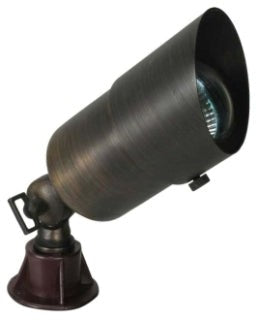
Orbit 35W MR16 Brass/Stainless Steel Bullet Arch. Bronze B102ARB
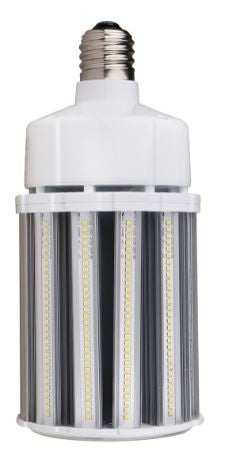
Westgate 80W/100W/120W 16,800LM/18000LM/18600LM 3000K/4000K/5000K High-Lumen LED Corn Lamp CL-EHL-80-120W-MCTP-E39
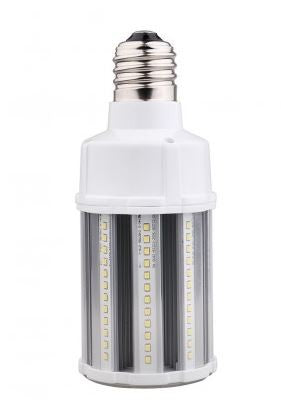
Westgate 36W/45W/54W 7,560LM/8100LM/8370LM 3000K/4000K/5000K High-Lumen LED Corn Lamp CL-EHL-36-54W-MCTP-E39
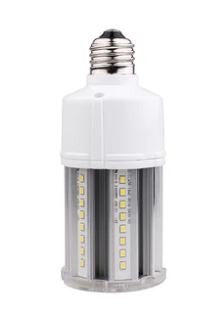
Westgate 12W/18W/27W 1,800LM/2700LM/4050LM 3000K/4000K/5000K High-Lumen LED Corn Lamp CL-EHL-12-27W-MCTP-E26
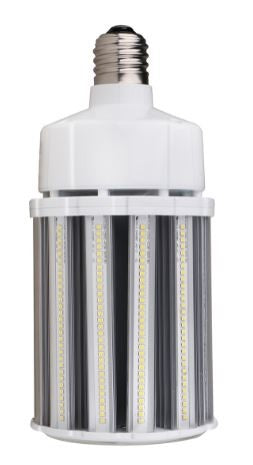
Westgate 120W 15,600LM/17400LM 3000K/4000K/5000K High-Lumen LED Corn Lamp CL-EHL-120W-50K-E39
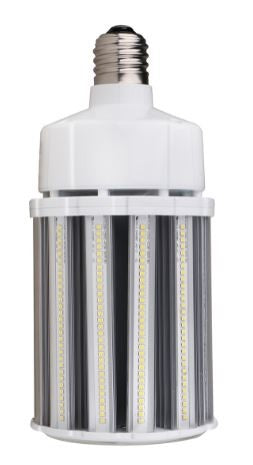
Westgate 120W 15,600LM/17400LM 3000K/4000K/5000K High-Lumen LED Corn Lamp CL-EHL-120W-30K-E39

Westgate 100W 12,500LM/15500LM 3000K/5000K High-Lumen LED Corn Lamp CL-EHL-100W-50K-E39

Westgate 100W 12,500LM/15500LM 3000K/5000K High-Lumen LED Corn Lamp CL-EHL-100W-30K-E39
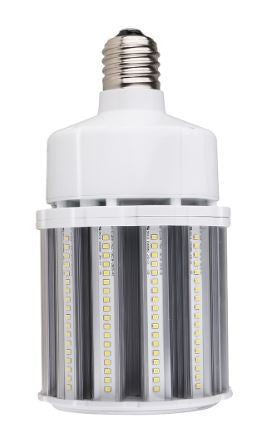
Westgate 75W 9,375LM/11625LM 3000K/5000K High-Lumen LED Corn Lamp CL-EHL-75W-50K-E39
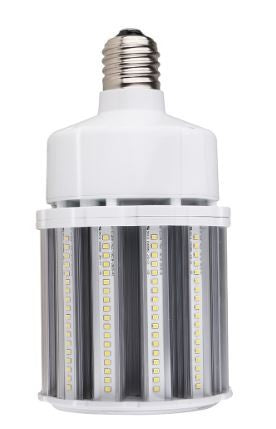
Westgate 75W 9,375LM/11625LM 3000K/5000K High-Lumen LED Corn Lamp CL-EHL-75W-30K-E39
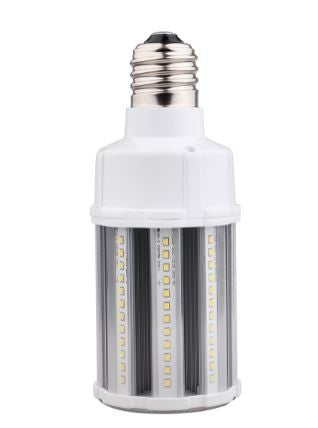
Westgate 54W 6,750LM/8370LM 3000K/5000K High-Lumen LED Corn Lamp CL-EHL-54W-50K-E39
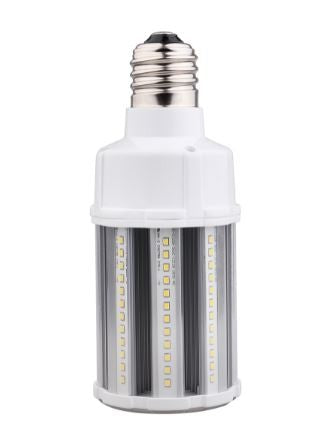
Westgate 54W 6,750LM/8370LM 3000K/5000K High-Lumen LED Corn Lamp CL-EHL-54W-30K-E39
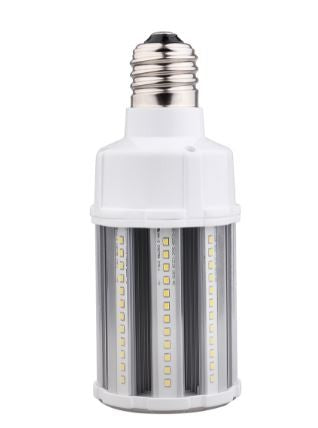
Westgate 45W 5,625LM/6975LM 3000K/5000K High-Lumen LED Corn Lamp CL-EHL-45W-50K-E39
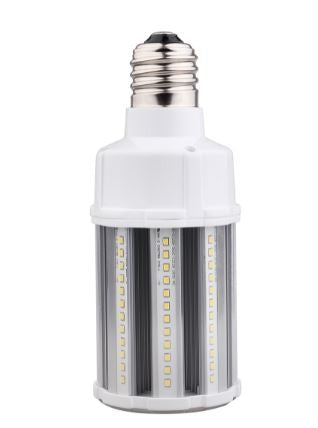
Westgate 45W 5,625LM/6975LM 3000K/5000K High-Lumen LED Corn Lamp CL-EHL-45W-30K-E39
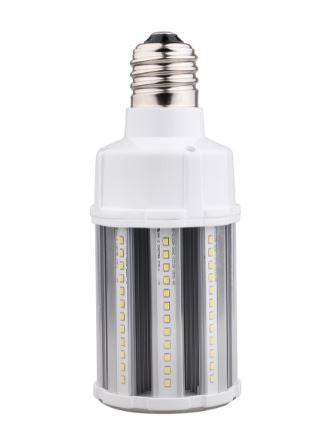
Westgate 36W 4,500LM/5580LM 3000K/5000K High-Lumen LED Corn Lamp CL-EHL-36W-50K-E39
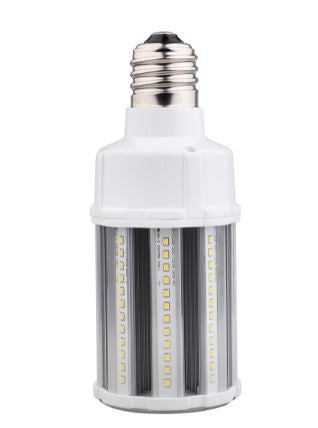
Westgate 36W 4,500LM/5580LM 3000K/5000K High-Lumen LED Corn Lamp CL-EHL-36W-30K-E39
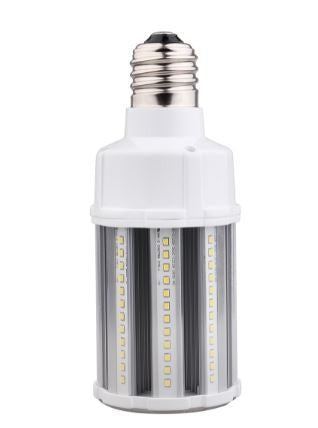
Westgate 36W 4,500LM/5580LM 3000K/5000K High-Lumen LED Corn Lamp CL-EHL-36W-50K-E26
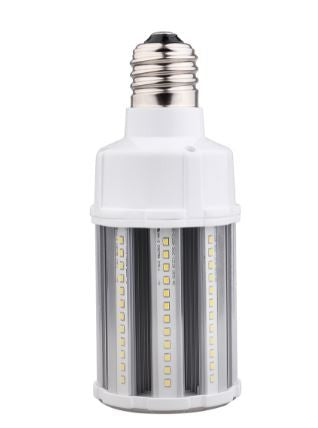
Westgate 36W 4,500LM/5580LM 3000K/5000K High-Lumen LED Corn Lamp CL-EHL-36W-30K-E26
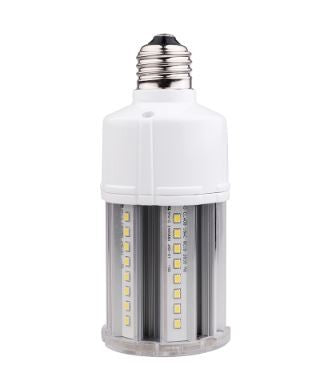
Westgate 27W 3,375LM/4185LM 3000K/5000K High-Lumen LED Corn Lamp CL-EHL-27W-50K-E26
About LED Bulbs, Tubes & Lamps
How to Choose LED Bulbs, Tubes & Lamps for Replacement and Retrofit Projects
LED bulbs, tubes, and lamps aren’t interchangeable just because two products produce similar light. The replacement has to fit the fixture, work with its electrical configuration, and deliver the required output. Start with the markings on the existing lamp or fixture, then work through compatibility before comparing brightness, color, dimming, or other performance details. For larger relamping jobs, keeping one verified specification across repeated fixtures also helps avoid mismatched light from one area to the next.
- Replacing an everyday screw-base lamp starts with A19 LED lamps.
- A 4-ft fluorescent fixture points you toward LED tube lamps after checking its electrical setup.
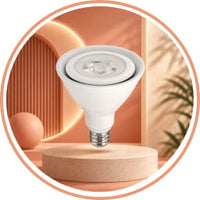
- A recessed can or directional fixture where beam spread matters calls for LED PAR lamps.
Match the Lamp Base, Shape, and Physical Size First
Start with mechanical compatibility. A replacement can have the right brightness and still be unusable if the base, lamp shape, or dimensions don’t fit the fixture. For example, a lamp intended for a fixture with roughly 4 inches of internal clearance can’t simply be replaced by a longer model because the base happens to match.
Decision rule: if the base or pin configuration, overall dimensions, or lamp shape doesn’t match the fixture requirements, stop before comparing lumens or color temperature. Keep the old lamp until the replacement is selected, and use its printed code and dimensions as your reference.
LED Tube Retrofits: Identify the Ballast and Wiring Method
Linear LED retrofits add an electrical compatibility step. A 4-ft fluorescent fixture may be converted with an LED tube designed for a compatible ballast, a ballast-bypass tube wired to line voltage, or another supported retrofit arrangement. Those approaches aren’t automatically interchangeable.
Decision rule: determine the required operating method before selecting output or color temperature. If the retrofit requires rewiring, that work should follow the lamp manufacturer’s instructions and be handled by a qualified electrician. If ballasts, sockets, or housings are already failing across multiple fixtures, compare the retrofit cost with complete LED troffer fixtures before committing to replacement tubes.
LED Lamp Specs: Lumens, Color Temperature, CRI, and Voltage
Once fit and electrical compatibility are confirmed, compare the light itself. In a 12-lamp corridor, even technically compatible replacements can look uneven if their lumen output or color temperature varies noticeably from fixture to fixture.
Use lumens for brightness rather than treating wattage as a direct brightness measurement. Color temperature controls how warm or cool the space appears, while CRI becomes more important where accurate color appearance matters. Voltage must also match the product’s stated operating requirements. For repeated fixtures, establish one specification set before placing the full order. For a deeper brightness comparison, see Lumera’s watts-to-lumens guide.
Dimming: Verify the Lamp and Control as a System
A lamp labeled dimmable isn’t automatically compatible with every dimmer. Two LED products with similar wattage can use different internal drivers and behave differently on the same control. In a six-lamp room, an incompatible combination may show flicker, buzzing, limited low-end range, or inconsistent startup.
If the circuit is dimmed, verify compatibility before ordering the full lamp quantity. Test the intended combination when practical and use the manufacturer’s compatibility information as the primary reference. If the existing control also needs replacement, review Lumera’s standard LED dimmers rather than assuming the old control suits the new load.
Enclosed Fixtures and Outdoor Locations Need the Correct Rating
The fixture environment changes the replacement decision. Enclosed housings can retain heat, while exterior installations may expose a lamp to moisture. A PAR lamp that physically fits a recessed or exterior socket still needs the appropriate rating for the actual installation.
Consider a row of 10 exterior spot fixtures: matching PAR size and beam spread isn’t enough if the selected lamp isn’t rated for those conditions. Decision rule: for enclosed, damp, or wet installations, use only a product whose documentation identifies it as suitable for that environment. If the entire exterior fixture needs replacement, continue through Lumera’s outdoor lighting categories.
Know When Replacing the Entire Fixture Makes More Sense
Lamp replacement works best when the fixture itself remains serviceable. Once sockets, ballasts, housings, or other fixture components begin generating repeated maintenance, continuing to relamp may preserve the part of the system that is actually causing the problem.
Consider a 24-lamp office or retail area where technicians are repeatedly returning for more than failed lamps. If maintenance is following the fixture rather than the light source, compare complete fixture replacement before buying another large lamp quantity. Directional spaces can also move from replaceable PAR lamps to complete track lighting systems when a broader system upgrade makes more sense.
Ordering LED Lamps for a Larger Project
For a larger relamp, build the order from the fixture schedule instead of a rough lamp count. Group identical lamp codes, bases or pins, voltage requirements, color temperatures, and control needs before ordering. Buyers sourcing repeat project quantities can also review Lumera Electric’s trade account options for the purchasing path that fits ongoing work.
Request a Quote for LED Bulbs, Tubes, and Lamps
For bulk quantities or products requiring quoted pricing, request a project quote after confirming the basic replacement requirements.
Have these details ready:
- Existing lamp or fixture model
- Required quantity
- Base or pin configuration
- Voltage
- Dimming or control requirements
- Installation environment
Providing those details upfront makes it easier to match the replacement to the actual fixture instead of working from wattage or appearance alone.
LED Bulb, Tube & Lamp FAQs
What is the difference between an A19 bulb and a PAR bulb?
An A19 is a general-purpose lamp shape intended to distribute light broadly, while a PAR lamp uses reflector optics to produce a more controlled directional beam. That makes them suited to different fixture functions even when a compatible base is available. For recessed, track, or accent applications, beam spread becomes part of the selection; for general ambient lighting, the lamp’s overall distribution is usually the more important starting point.
Can I replace a fluorescent tube with an LED tube?
Yes, but the LED tube must match both the fixture and its required electrical configuration. Length alone isn’t enough. A 4-ft fluorescent fixture may still require you to identify the existing tube type, pins, ballast, and wiring arrangement before selecting the LED replacement. If a ballast bypass or other wiring change is required, the installation should follow the product instructions and applicable electrical requirements.
Should I compare LED bulbs by watts or lumens?
Use lumens to compare brightness. Watts measure electrical input, so two LED lamps drawing similar wattage can still produce different amounts of light. Start with the light output the space needs, then compare wattage after you have narrowed the products by compatibility and brightness. Lumera’s watts-to-lumens resource explains why there isn’t one universal conversion between the two measurements.
Do LED bulbs need a special dimmer?
A dimmable LED needs a control that is compatible with its driver and load requirements. An older dimmer that operated incandescent lamps properly may not provide the same range or stability with LEDs. Check the lamp and control documentation before standardizing a room or project. Lumera’s dimmer compatibility guide explains what to check on manufacturer compatibility charts before ordering multiple lamps or controls.
Can any LED bulb be used in an outdoor or enclosed fixture?
No. The individual lamp needs to be suitable for the conditions where it will operate. Enclosed fixtures can create different thermal conditions, while exterior installations may require damp- or wet-location suitability depending on exposure. Don’t assume that two lamps with the same shape have the same environmental rating; use the rating shown for the specific product and installation.